Designing a Home That Supports You—Without Looking Clinical
The difference between a modification that looks clinical and one that simply looks well-designed is smaller than you’d think. It usually comes down to the grab bar.
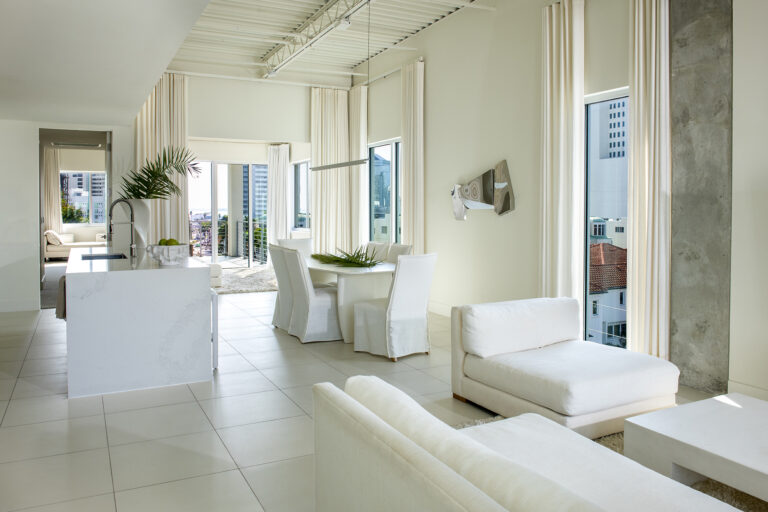
The difference between a modification that looks clinical and one that simply looks well-designed is smaller than you’d think. It usually comes down to the grab bar.
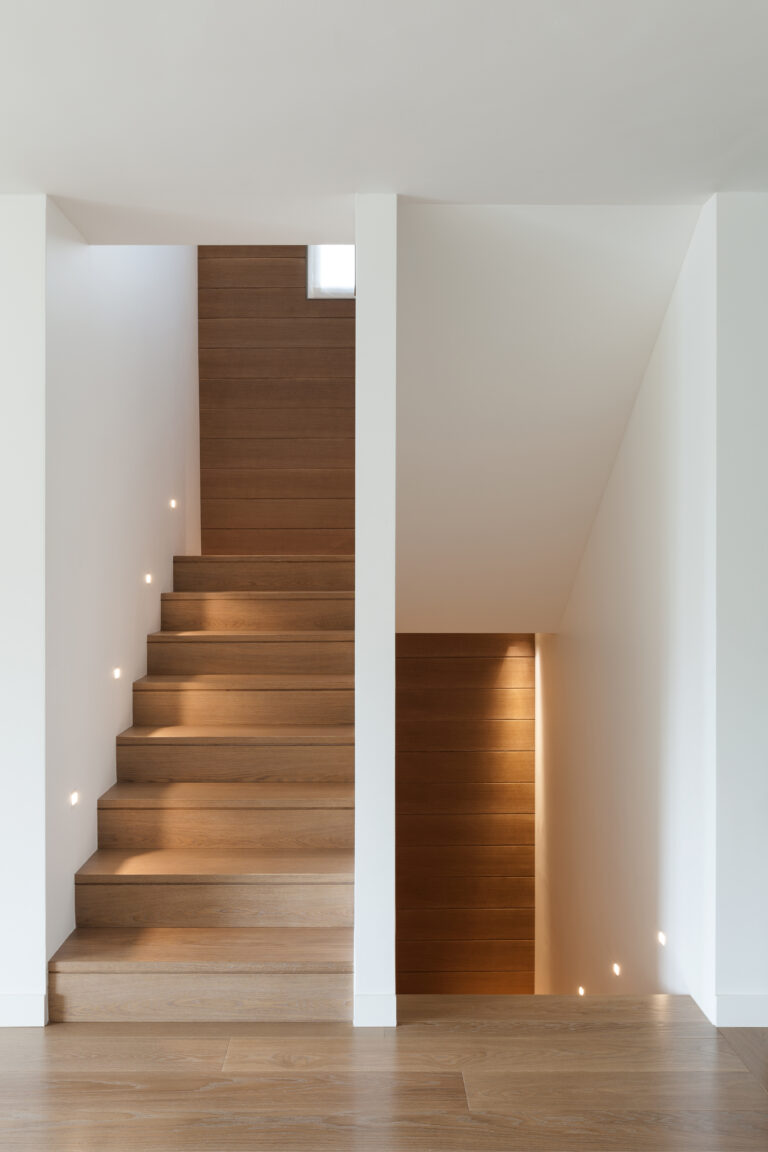
The fall-prevention changes that make the biggest difference aren’t renovations — they’re the subtle ones. Rugs, thresholds, contrast, and lighting fixes you can make in a weekend, from a designer and family caregiver.

Occupational therapists see the same preventable falls over and over. Their consistent verdict: almost every one was predictable from the room it happened in.
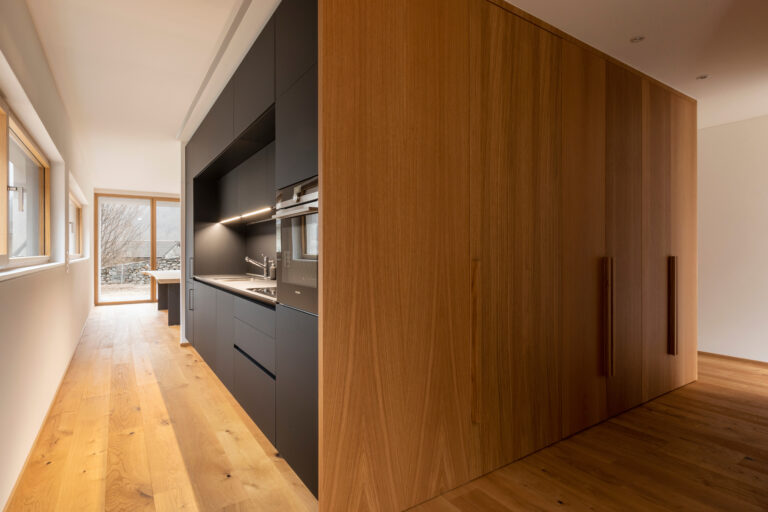
The highest-impact fall prevention available costs under $50 a piece and installs in an afternoon — the interventions OTs and aging-in-place designers name first.
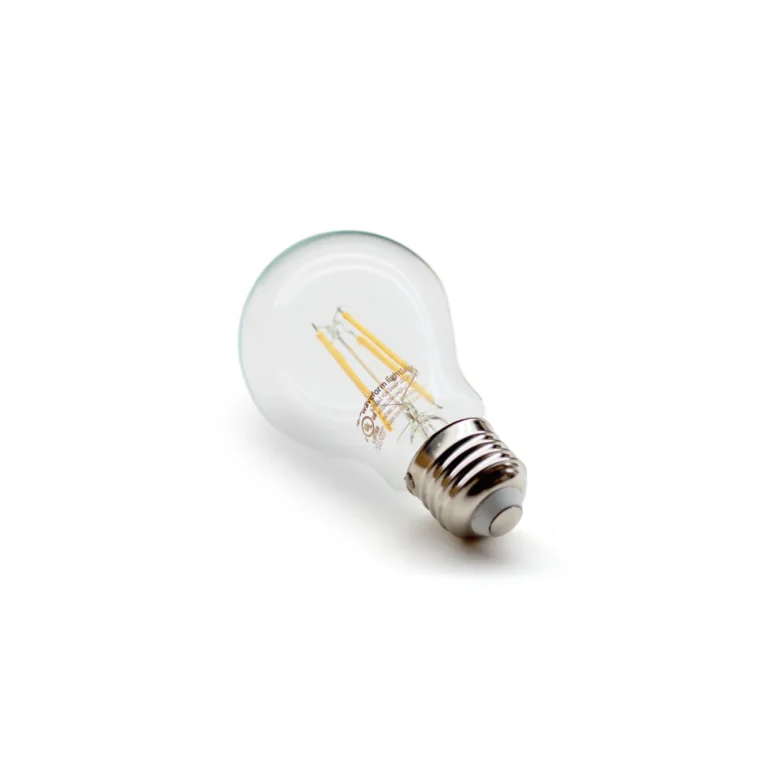
A 65-year-old needs roughly twice the ambient light of a 30-year-old. Most homes are lit for the 30-year-old. How to fix that, starting with lumens instead of watts.
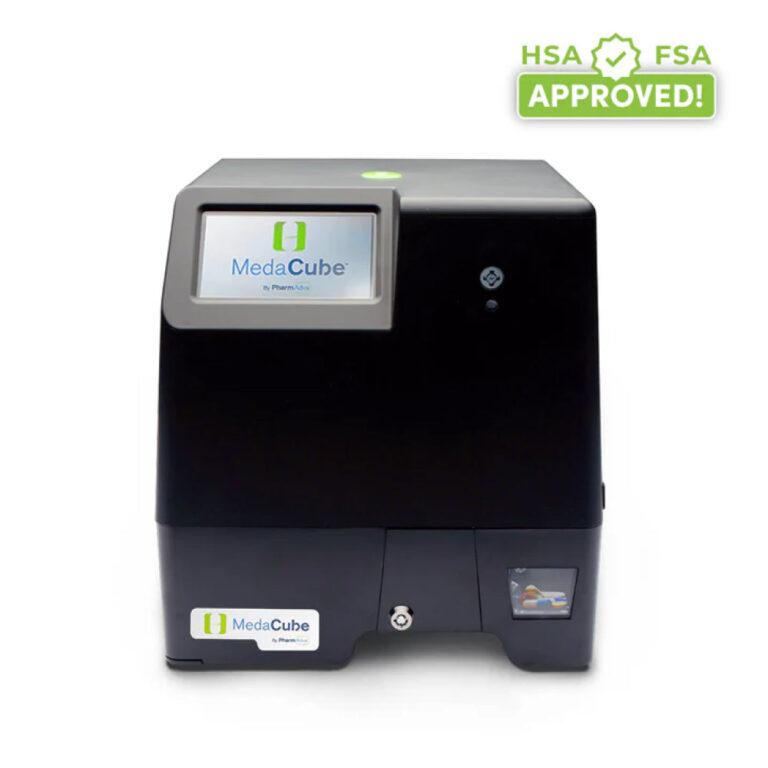
A pill organizer lives on the counter or the nightstand every single day, so it should not look like a medical supply. The best options — plus smart dispensers for complex regimens.
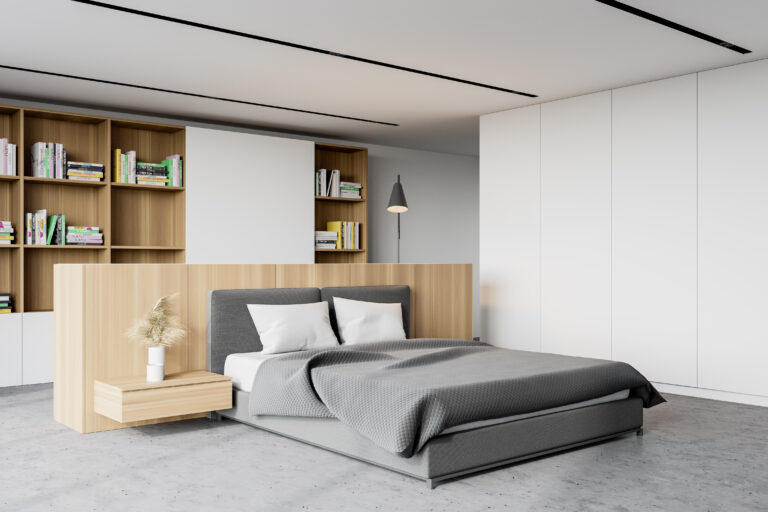
Sitting up, turning over, getting out of bed — moments of real fall risk that happen every single night. Rails rated past 300 lbs that still disappear into a well-designed bedroom.
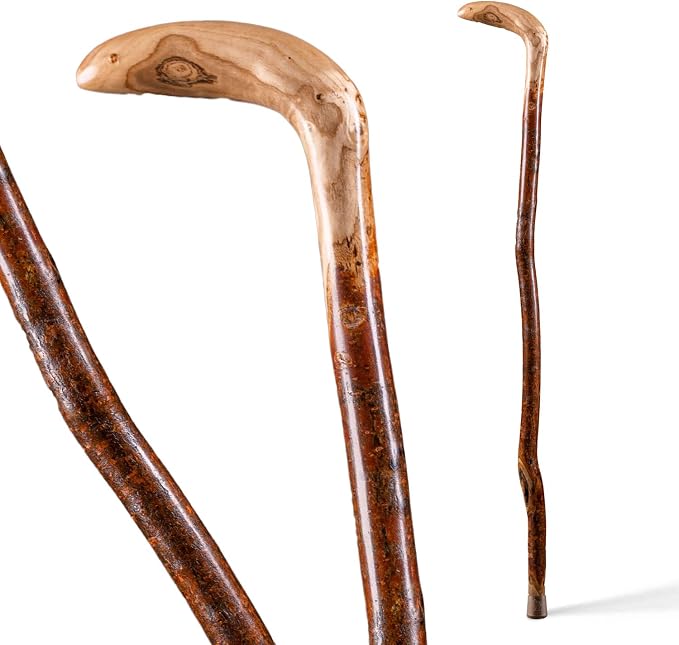
The hospital-issue aluminum tube still works — it just isn’t the only option anymore. Canes with real stability and furniture-quality design, for anyone who’d rather not carry obvious medical equipment.
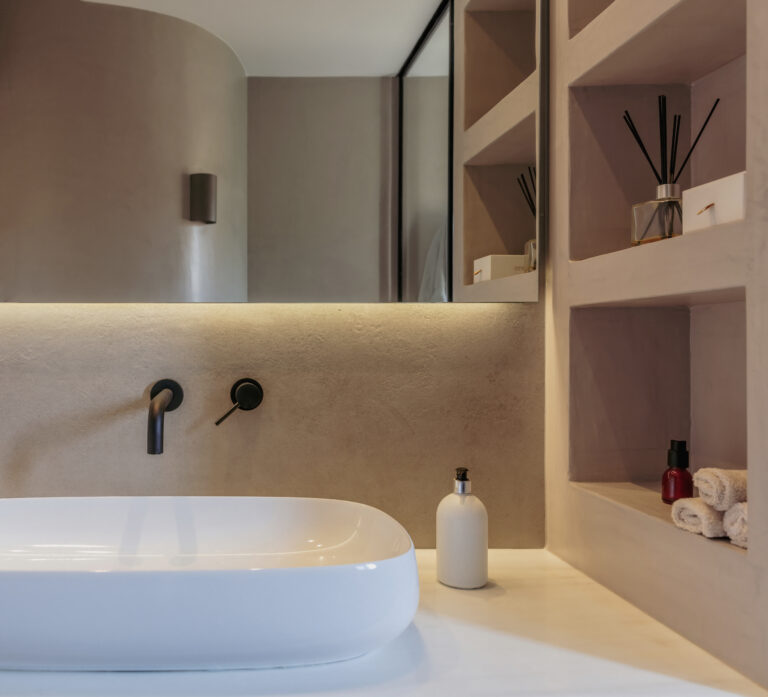
No renovation required. The bathroom changes with the biggest safety return take a few hours and cost well under $500, starting with properly anchored grab bars.
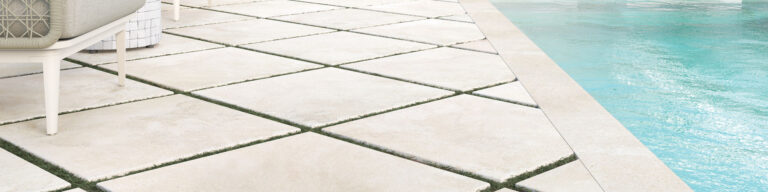
Slip resistance is a number: aim for a DCOF of 0.60 or higher. The matte, large-format porcelain that hits it is the same tile luxury hospitality has been specifying for years.

Waking hot, kicking off the covers, waking cold an hour later. Perimenopause changes the body’s thermostat — and the right bedding meaningfully changes the night.
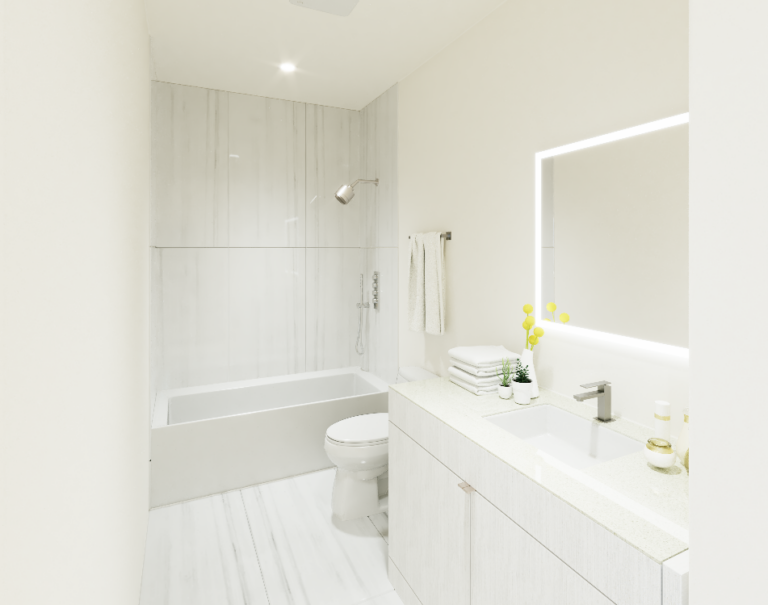
One of the most consequential bathroom decisions you’ll make, usually decided without thinking 20 years ahead. An honest comparison — including when the tub still wins.
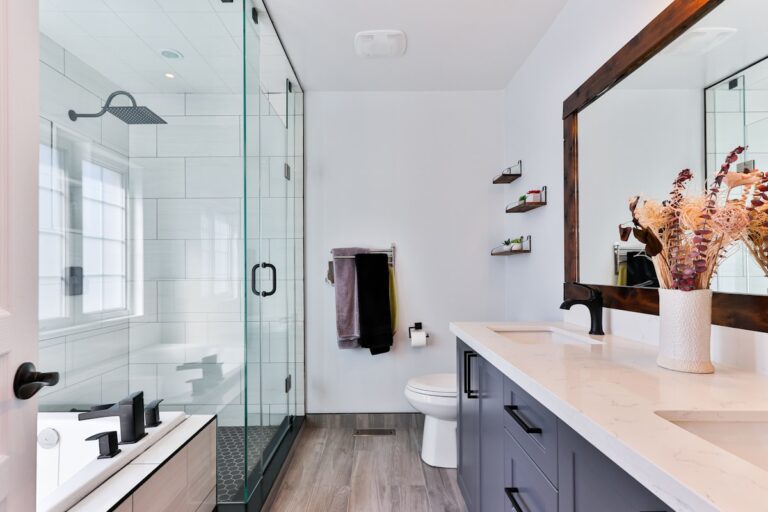
A fixed shower head makes you move around a wet surface to rinse. That’s the entire argument for a handheld — plus what to look for in hose length, weight, and controls.
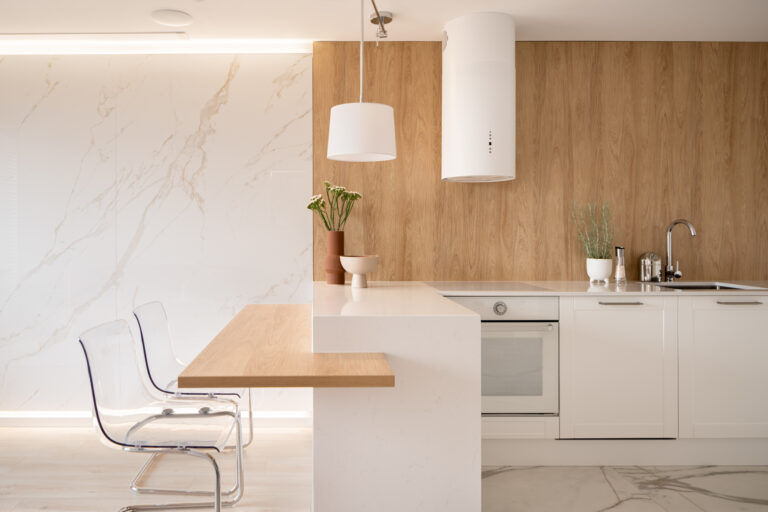
The standard 36-inch counter was designed for an average height that may not be yours. Designing a kitchen you can use at 80 doesn’t mean a lesser kitchen. It means a better one.
Lifting and tilting a full kettle is the kind of task that compounds over decades. The countertop appliances where the gap between a good one and a frustrating one is felt daily.
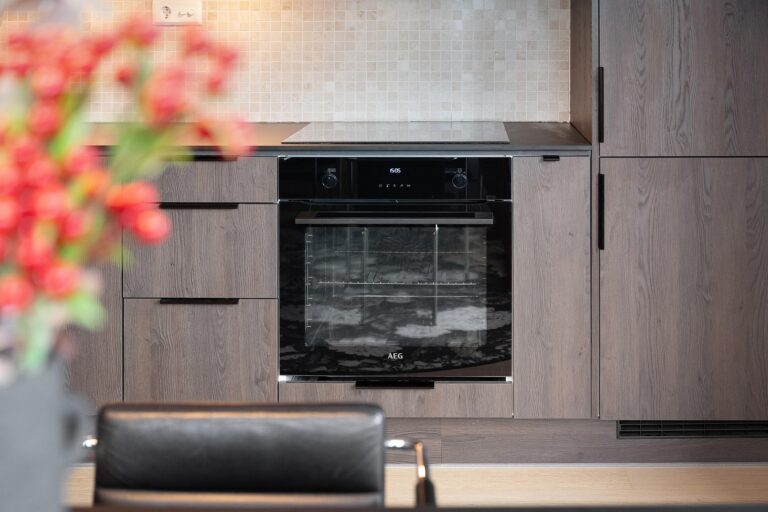
Arthritis and reduced grip change kitchen work before anything else does. The tools that genuinely reduce the effort — starting with a $10 Y-peeler that outperforms its price.

What sits on your nightstand determines how safely you move in the dark and how much effort the first and last minutes of your day require. It costs almost nothing to fix.
Thirty-six inches of clear floor on at least one side of the bed is the accessible standard; 42 is better. How to lay out a bedroom for safe nighttime navigation without losing the design.
12 beautiful safety changes for aging parents.
Get the Free Guide →No spam. Unsubscribe anytime.