Best Anti-Slip Bathroom Flooring Options for 2026
A designer’s guide to the best anti-slip bathroom flooring options — from textured porcelain tile and natural stone to luxury vinyl and cork — with honest notes on what actually prevents falls.
Good design for aging in place doesn’t look clinical — it looks considered. These articles explore the principles behind spaces that support independence: how light, layout, contrast, and material choices quietly shape safety and dignity at home.
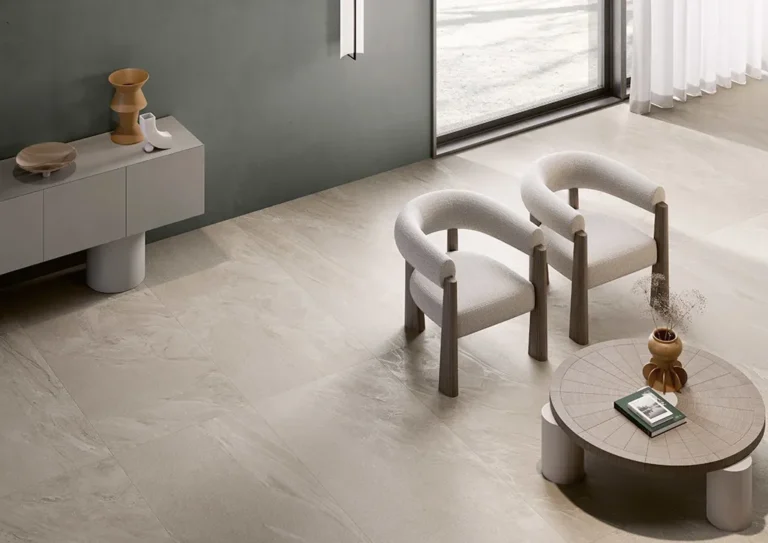
A designer’s guide to the best anti-slip bathroom flooring options — from textured porcelain tile and natural stone to luxury vinyl and cork — with honest notes on what actually prevents falls.

Interior designer Rachel Blindauer reviews the best walk-in tubs for aging in place in 2026, covering entry width, drain speed, hydrotherapy systems, and how to make them look like a luxury upgrade.

The most sought-after homes today are easier to live in by design. Interior designer Rachel Blindauer explains how universal design principles quietly increase home value — through wider circulation, curbless showers, layered lighting, and hardware that performs as beautifully as it looks.
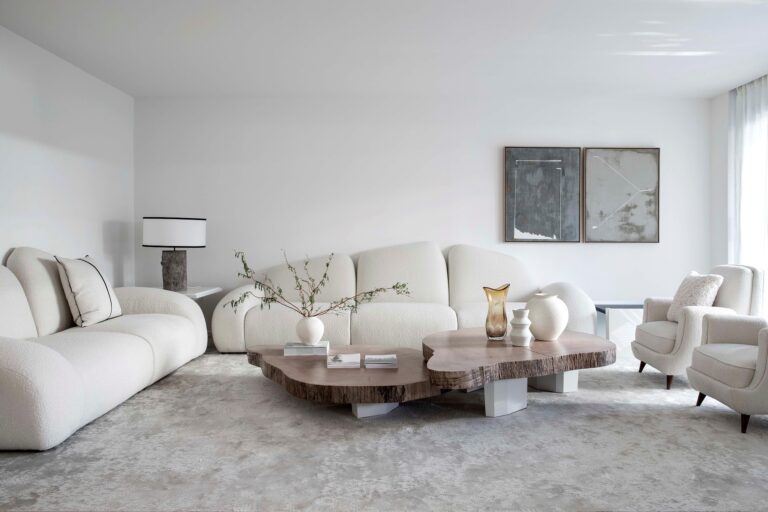
A stroke changes how someone moves through their home. Interior designer Rachel Blindauer walks through the bathroom, bedroom, living areas, and kitchen modifications that support recovery — beautifully, without making the home feel clinical.
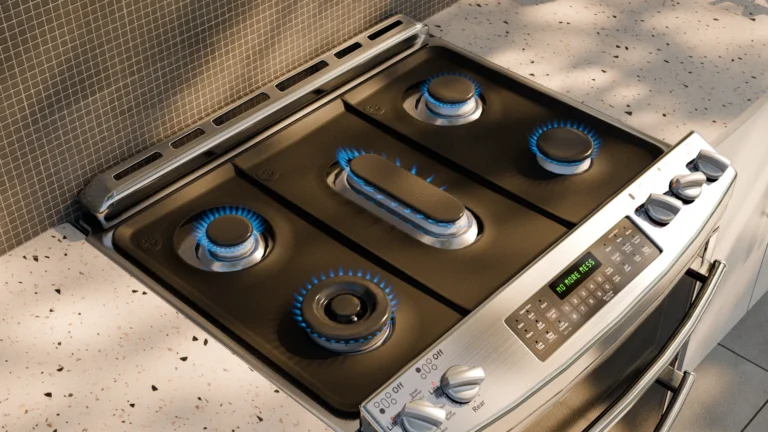
Kitchen safety almost never comes up in the first conversation — everyone wants to talk about grab bars. But cooking fires are the leading cause of home fires in the U.S., and the risk rises with age. The devices that actually prevent them are inexpensive and nearly invisible.
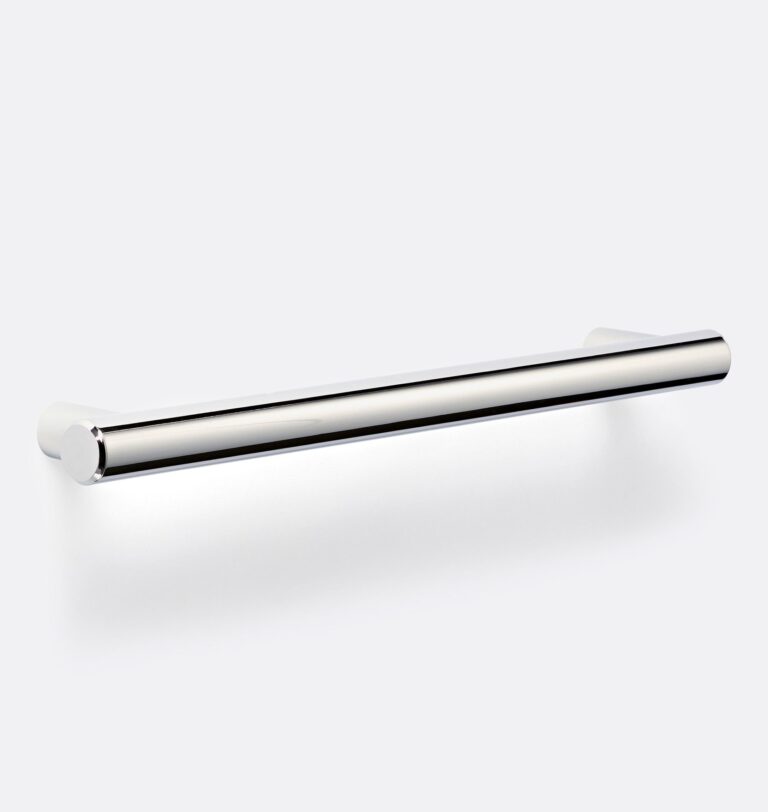
Most “accessible” bathroom renovations still get this one thing wrong. Here’s the mistake I see over and over — and what actually keeps someone safe.

Wheelchair selection is more individualized than almost any other mobility product — it depends on how much the user can self-propel, how much time they spend in the chair, and what a caregiver can manage for lifting and transport. Here’s how to navigate the categories, and the one brand standard I specify across all of them.
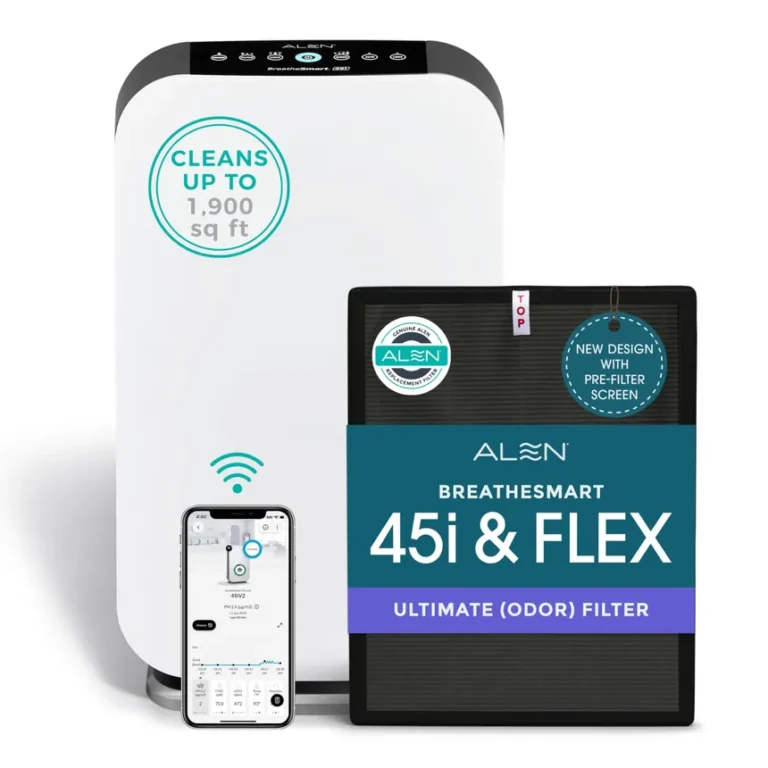
Indoor air can be 2–5x more polluted than outdoor air, and modern homes are sealed too tightly for it to clear on its own. These are the purifiers that make a measurable difference in sleep quality, respiratory health, and cognitive clarity.
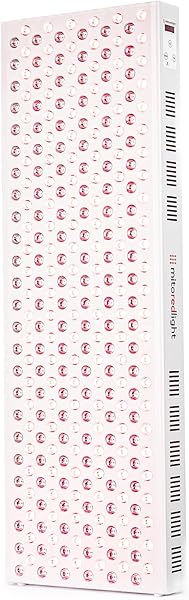
The marketing runs well ahead of the science here, so let’s start there. What the research actually supports is narrower than the claims — and still worth it, with caveats.
A daughter wants to give her mother something that feels like a spa, not a hospital. I understand the impulse — my parents are in their eighties. Here’s the safety filter to run first.
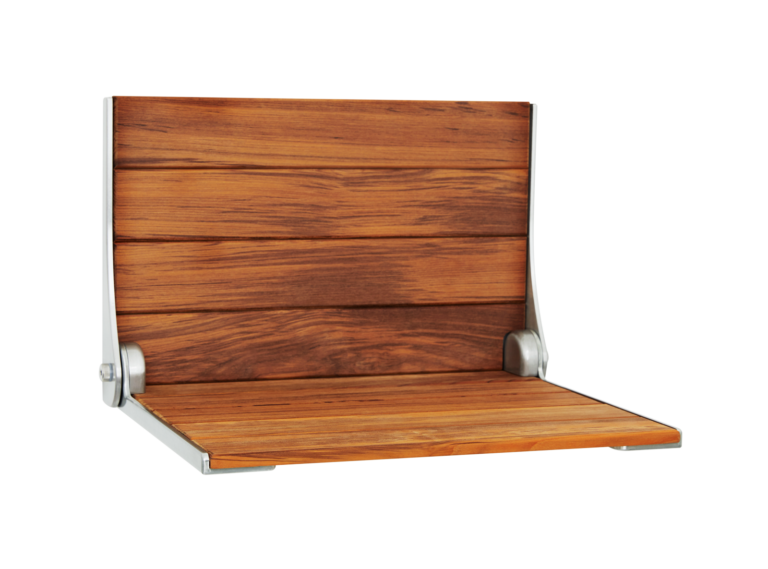
Teak is the only wood that belongs in a wet environment. Shower seats that support a safe transfer and fold away when they aren’t needed — none of which look remotely medical.
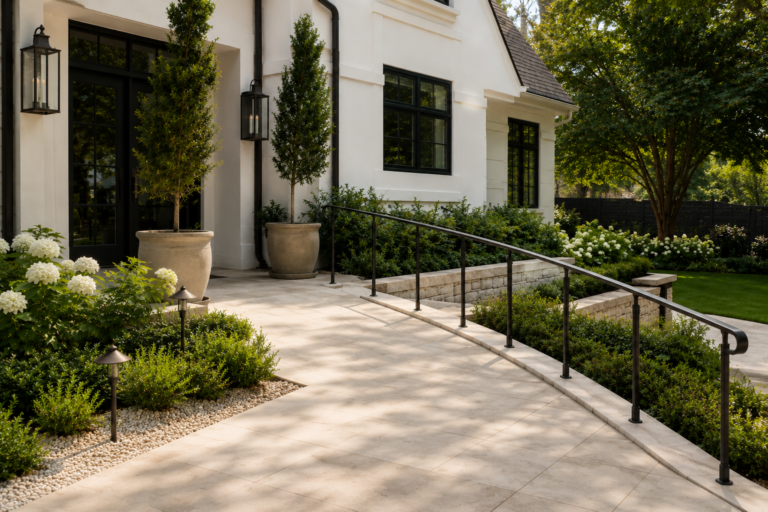
Keys demand precise grip, alignment, and rotation — three things arthritis and tremor quietly take away. The smart locks worth specifying, and what to look for in each.
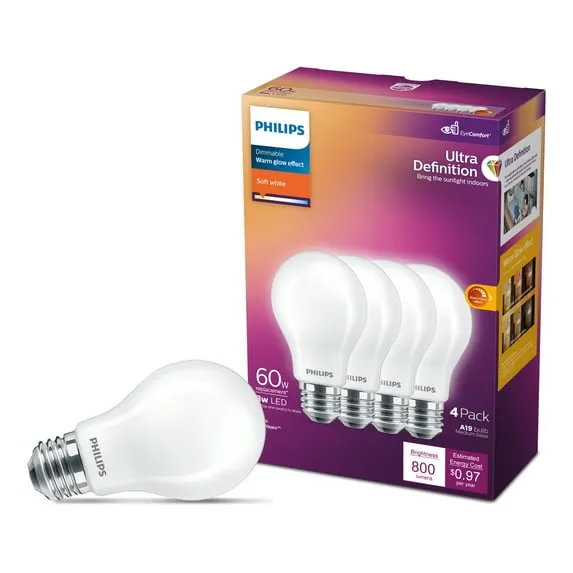
Most nighttime falls happen in the dark, in the seconds before a hand finds the switch. The three motion-lighting specifications I use in every aging-in-place project.

Three adjustable systems that address what actually disrupts sleep after 60 — temperature, snoring, pain, and recovery. Specified by a designer, not a mattress showroom.
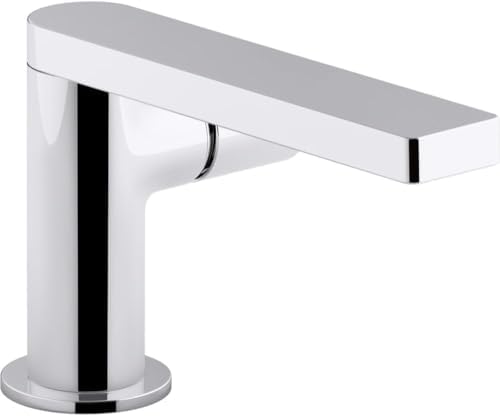
Grip, turn, release: three motions that get harder with arthritis or Parkinson’s. Ten touchless faucets that remove all of them without looking like hospital fixtures.

The shower is the highest-risk room in the house. Four systems — value to ultimate luxury — pairing height-adjustable hand showers and integrated thermostats with real design integrity.
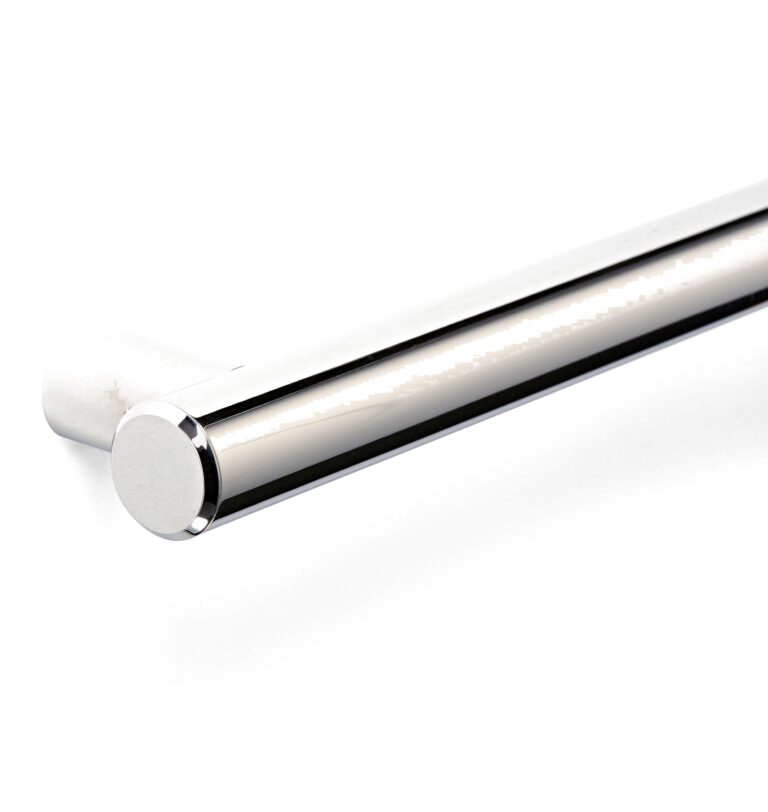
Today’s best grab bars exceed ADA load ratings while reading as fine hardware. What to specify, where to mount it, and why the “it’ll look like a hospital” objection no longer holds.
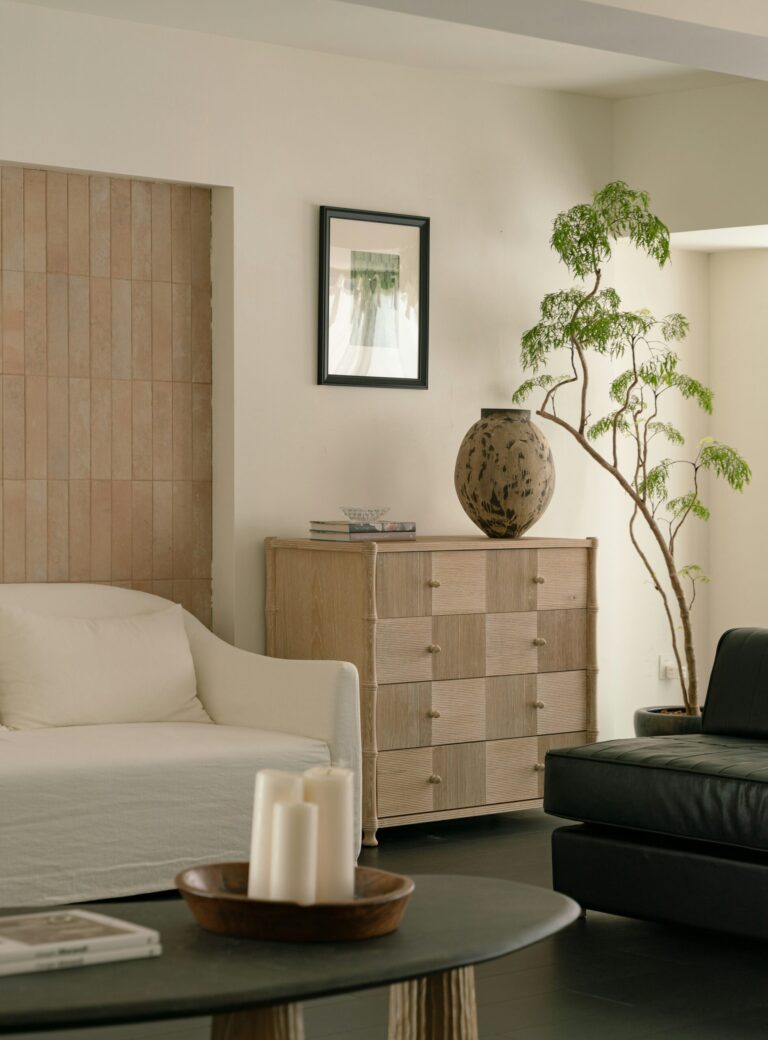
A walker-friendly living room doesn’t mean a medical room. Interior designer Rachel Blindauer shares the exact measurements, furniture specs, flooring choices, and layout strategies that make a living room work beautifully for walker users — without sacrificing style.
12 beautiful safety changes for aging parents.
Get the Free Guide →No spam. Unsubscribe anytime.