Aphasia After a Stroke: The Therapy and App That Actually Helped My Mom
I paid for therapists and tried every speech app after my mom’s stroke. Only two moved the needle: The Aphasia Center and APP2Speak. Here’s why they worked.
Technology should help — not overwhelm. These guides cut through the noise to find the tools that genuinely support caregivers and the people they care for: monitoring systems that respect privacy, alert devices that don’t cry wolf, and apps that actually get used.

I paid for therapists and tried every speech app after my mom’s stroke. Only two moved the needle: The Aphasia Center and APP2Speak. Here’s why they worked.
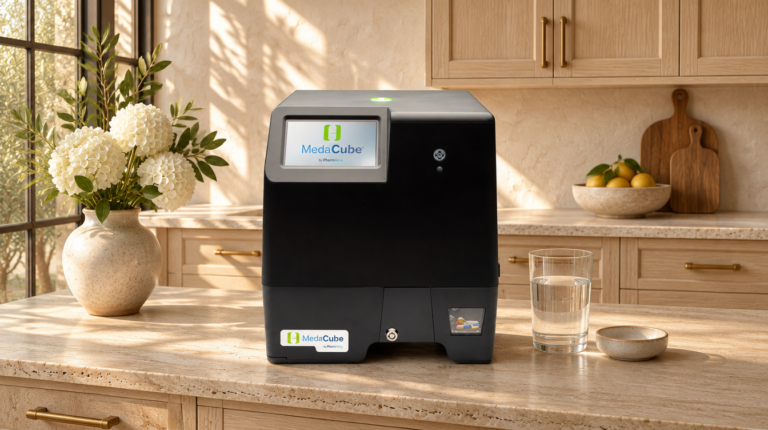
I ordered it with real hope — fourteen items a day in my own protocol, plus my grandmother’s prescriptions. An honest account of what worked, what didn’t, and who it’s right for.

Real sizing advice, real products, and the math on buying in bulk — an honest, dignity-first guide to incontinence products for seniors from a full-time family caregiver.
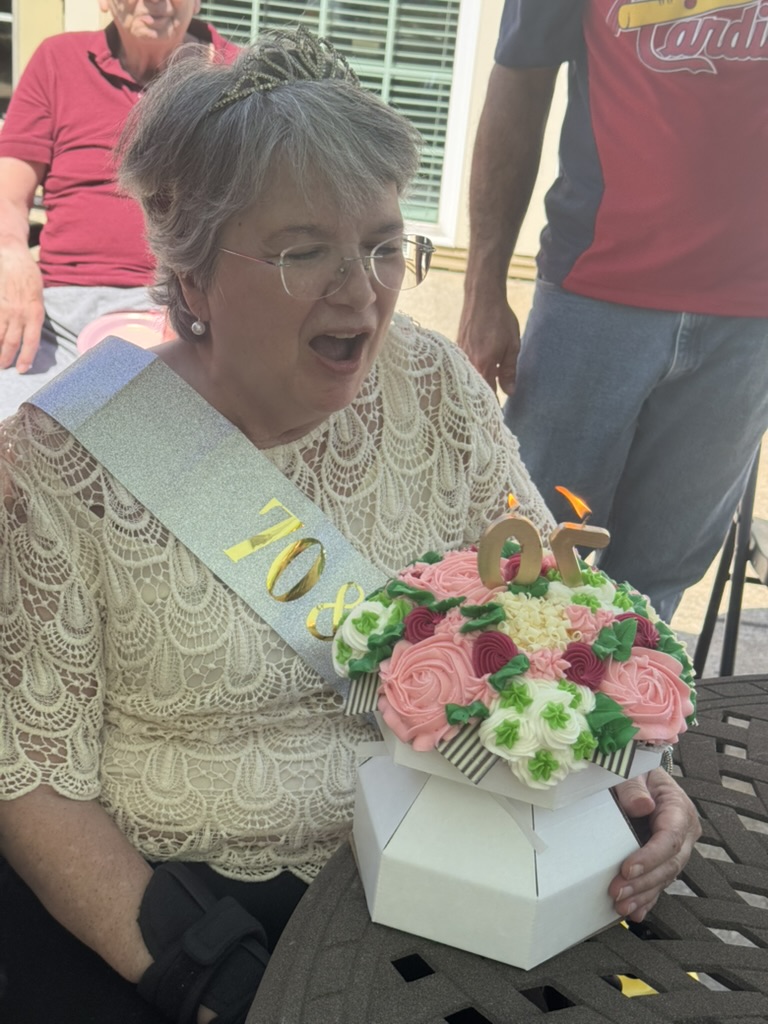
Many stroke survivors who cannot speak can still sing. Why music reaches the brain differently, how Melodic Intonation Therapy works, and how to make a song for someone you love.
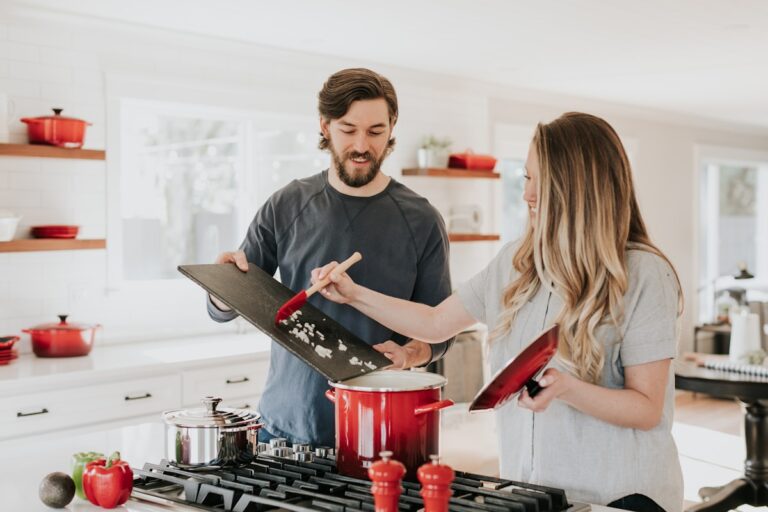
You don’t need WiFi, an app, or a tech-savvy grandchild to use a robot vacuum. The best models for seniors work with a button press — or even a voice command — and handle floors automatically so no one has to bend, push, or risk a fall.

A pill organizer lives on the counter or the nightstand every single day, so it should not look like a medical supply. The best options — plus smart dispensers for complex regimens.

A real caregiver shares the 7 technology tools that transformed how she keeps her aging parents safe — honest reviews, what worked, what didn’t.
12 beautiful safety changes for aging parents.
Get the Free Guide →No spam. Unsubscribe anytime.