Best Lighting for Aging Eyes
This post contains affiliate links. If you buy through them I may earn a small commission at no extra cost to you. How that works.
Disclosure: Well Aging Home participates in affiliate programs. If you buy through our links, we may earn a small commission at no extra cost to you.
Lighting for aging eyes is a specific design problem that most homes don’t solve. The human eye changes significantly after 50: the pupil becomes smaller, reducing the amount of light that enters; the lens yellows, filtering out blue wavelengths; contrast sensitivity decreases; glare becomes more disruptive; recovery from bright light takes longer. A 65-year-old needs roughly twice as much ambient light as a 30-year-old to see with equivalent clarity. Most homes are lit for 30-year-olds. Here’s how to fix that.
Start With Lumens, Not Watts
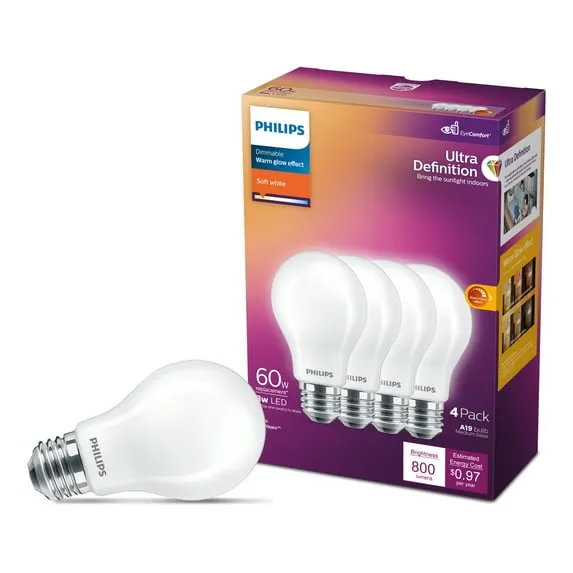
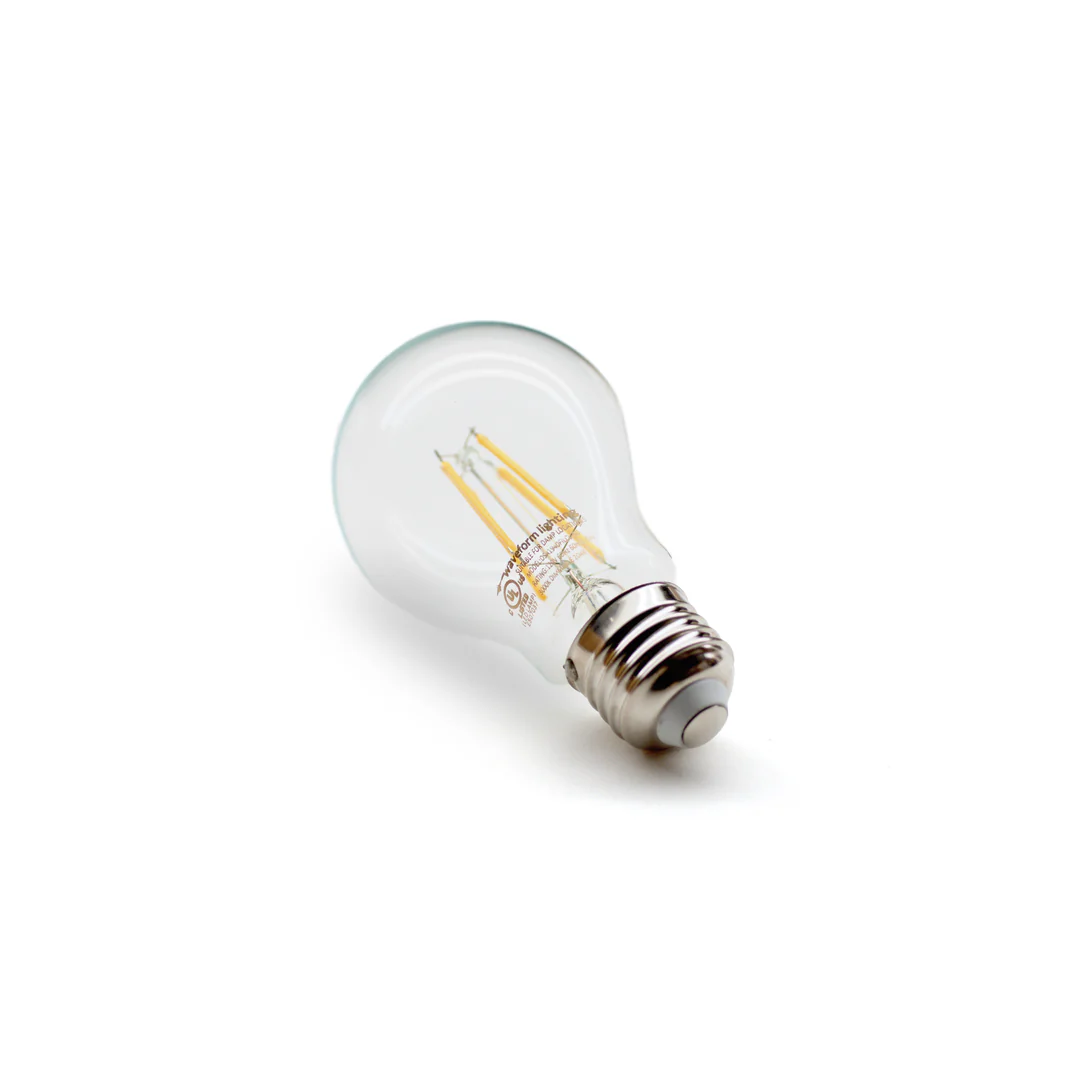
LED technology has made wattage an unreliable guide to light output. What matters is lumens — the actual measure of light produced. For aging eyes, err on the side of more lumens rather than fewer. In rooms where tasks happen — kitchen, bathroom, reading areas — 800–1000+ lumens of task lighting is appropriate. For ambient lighting in living spaces, layer multiple sources rather than relying on a single overhead fixture.
Eliminate Glare, Not Brightness
One of the paradoxes of aging vision is that glare becomes more disruptive even as overall sensitivity decreases. Bare bulbs, bright patches against dark backgrounds, and reflective surfaces create glare that impairs vision rather than improving it. Use diffused light sources, shades or globes over bulbs, and matte finishes on walls and floors that don’t reflect light harshly. Bright, glare-free is the target.
Warm White Over Cool White
The yellowing of the aging lens filters out blue wavelengths, making cool white (5000K+) light harsh and high-contrast. Warm white (2700K–3000K) is easier on aging eyes for most applications. For task lighting where color accuracy matters (reading, cooking, crafts), a neutral white (3500K–4000K) is appropriate. Avoid the very cool daylight bulbs in living and sleeping areas.
Motion-Activated for Hallways and Bathrooms
The worst lighting scenario for aging eyes is transitioning from a dark space (a bedroom at night) to a suddenly bright space (a fully lit bathroom). Motion-activated dimmer lights — particularly amber night lights that activate at a low level before full overhead lights are switched on — bridge this transition gently. Automatic lighting in hallways and bathrooms ensures adequate light without requiring anyone to find and flip a switch in the dark.
Task Lighting at the Sink, Stove, and Reading Chair
General overhead lighting in a kitchen or living room provides background illumination, but aging eyes benefit from dedicated task lighting at the specific surfaces where work happens: under-cabinet lights at the kitchen counter, a reading lamp positioned to illuminate the page without glare, good task lighting at the bathroom mirror. Layer task and ambient light rather than relying on one source to do everything.
The Best Specific Products
- Under-cabinet kitchen lighting: LED strip lights or puck lights at 3000K, on a timer or occupancy sensor
- Night lights: Amber LED plug-in motion-activated lights (Maxxima, GE, DEWENWILS) along sleep paths
- Reading lamps: A lamp with an adjustable arm, 3500–4000K bulb, positioned above and behind the reading position to minimize glare
- Bathroom vanity: Side-mounted sconces at face height rather than overhead (or in addition to overhead) for shadow-free illumination