Best Flooring for Aging in Place: A Complete Guide
The complete guide to choosing flooring for aging in place. Covers slip resistance ratings, room-by-room recommendations, threshold fixes, and what to avoid.
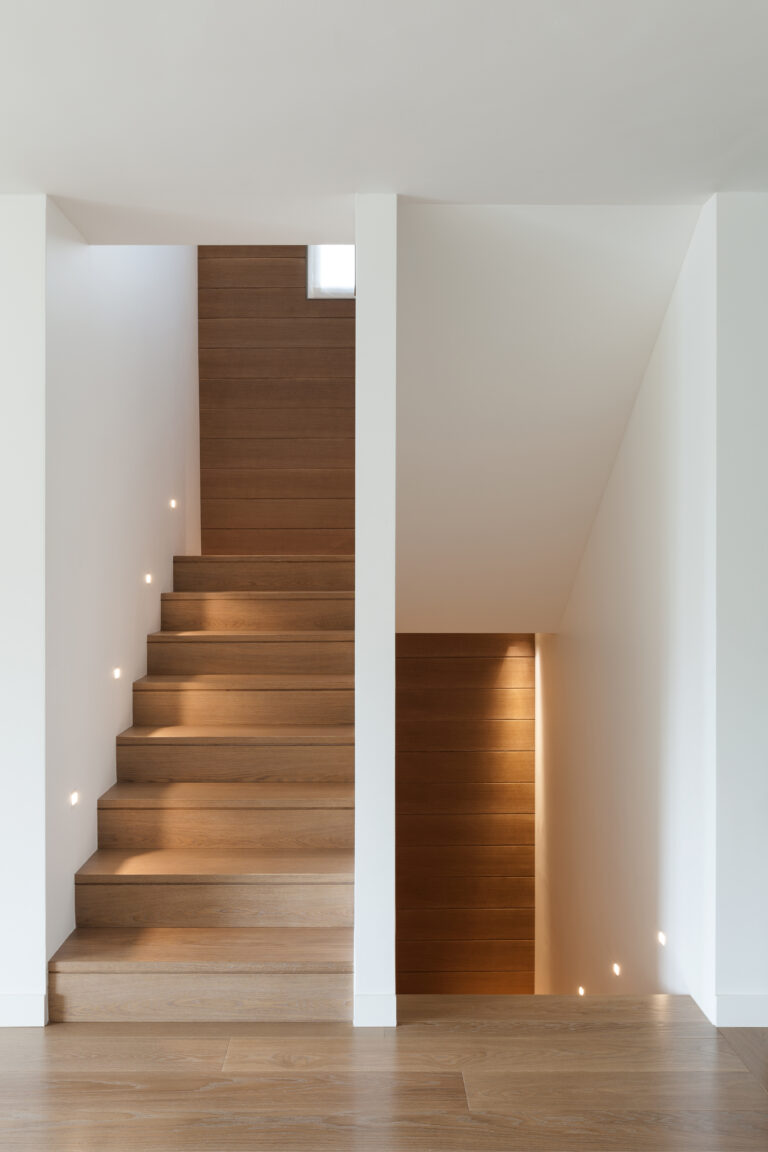
The complete guide to choosing flooring for aging in place. Covers slip resistance ratings, room-by-room recommendations, threshold fixes, and what to avoid.

A practical guide to smart home technology for aging in place. Covers what actually works, what to skip, and how to build a system around voice-first interfaces.
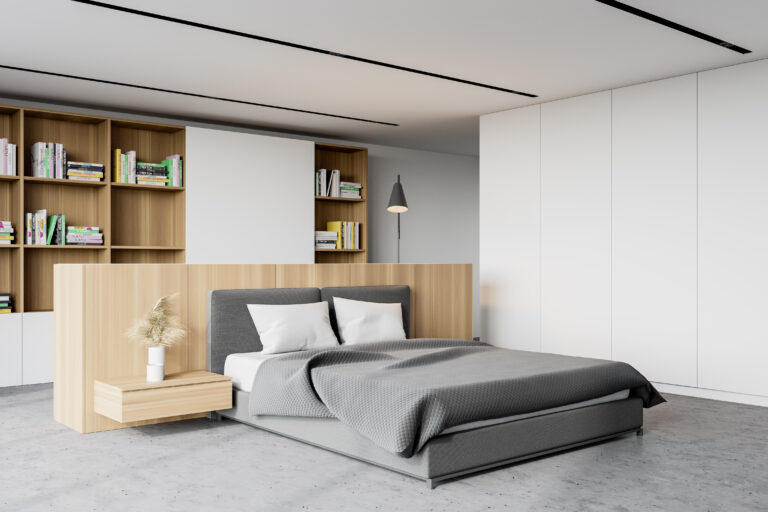
The complete guide to bedroom safety for aging in place. Covers bed height, nighttime lighting, path clearance, mattress choice, and bed rails.
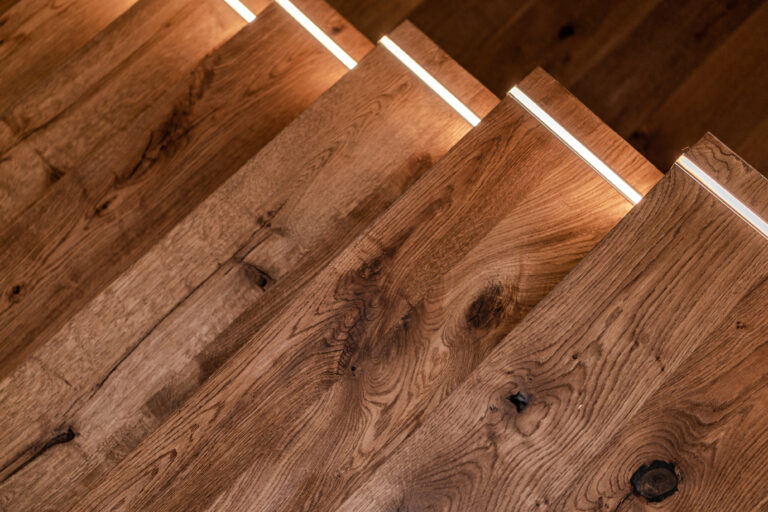
A complete room-by-room fall prevention guide for aging adults and their families. Covers bathroom, bedroom, stairs, and flooring — in order of risk.
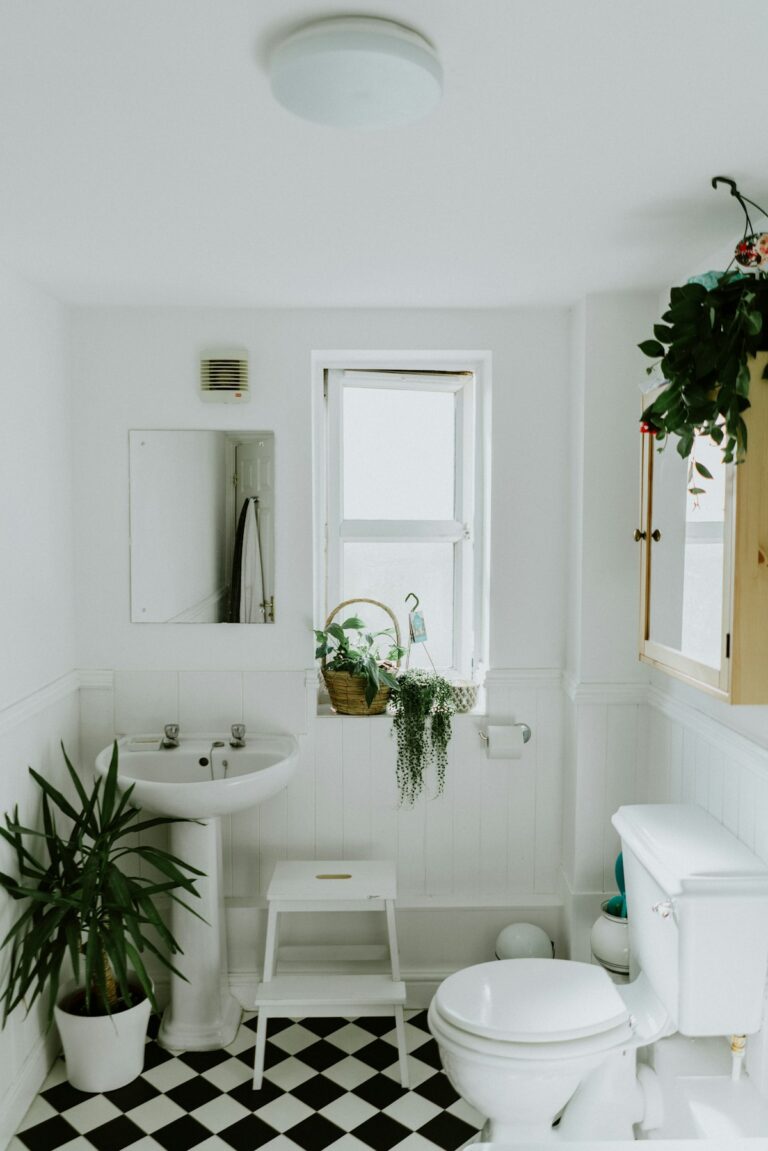
The complete guide to making a bathroom safe for aging in place. Covers grab bars, flooring, shower design, and the right order to address every change.
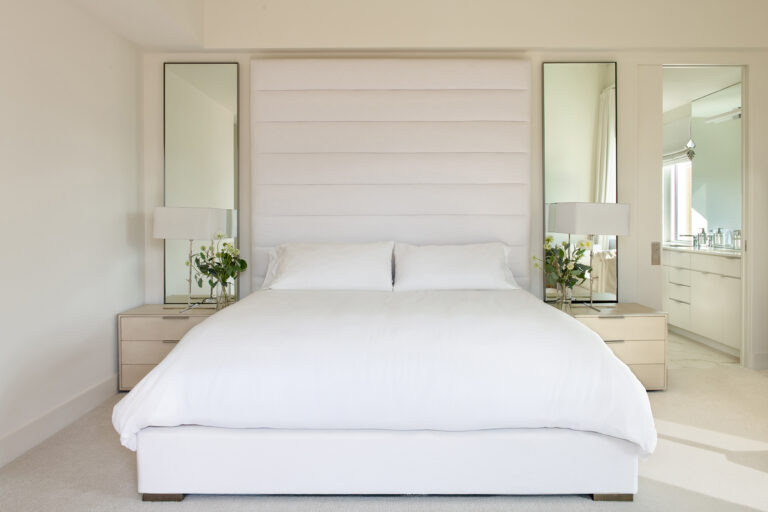
The complete aging-in-place guide for families who want to plan ahead. Covers bathroom safety, flooring, lighting, and the right order to make every change.
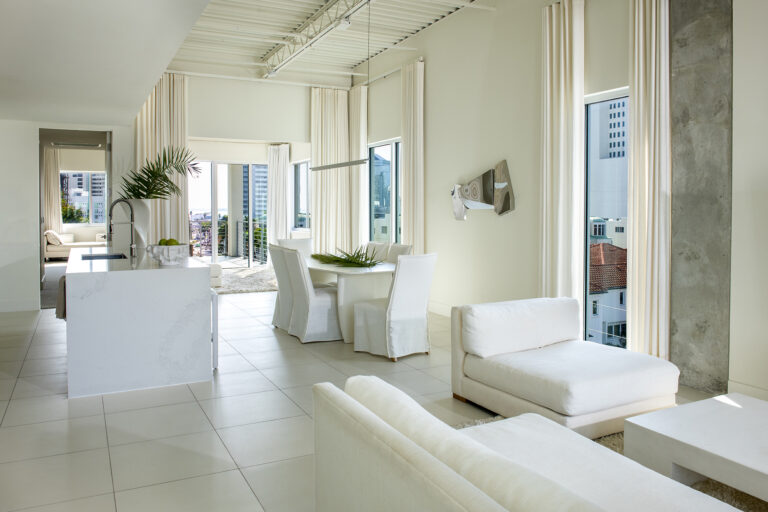
I designed homes professionally for years before my mother’s mobility changed. The physical work turned out to be the easy part. Here’s what I wish someone had told me first.
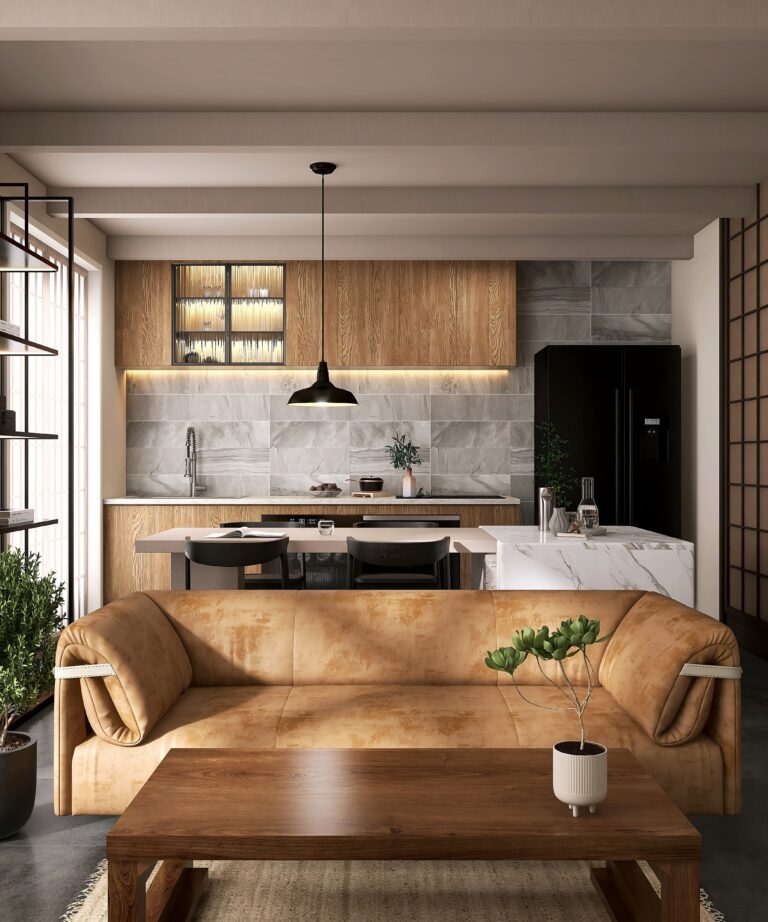
Lever handles, motion night lights, and a handful of other swaps that take an afternoon and $20–$50 each — the low-effort changes with the highest return on daily independence.

Safety usually gets discussed as grab bars and lighting. But how a space feels affects how well it functions — and familiarity turns out to be its own form of safety.

The standard doorway is 32 inches. The standard toilet is 15. Most homes are built for an adult at peak physical capacity, and then never change when the body does.

Aging gracefully is a design problem, not a wellness slogan. It looks like layered light, reachable storage, and a home that quietly stops asking so much of you.
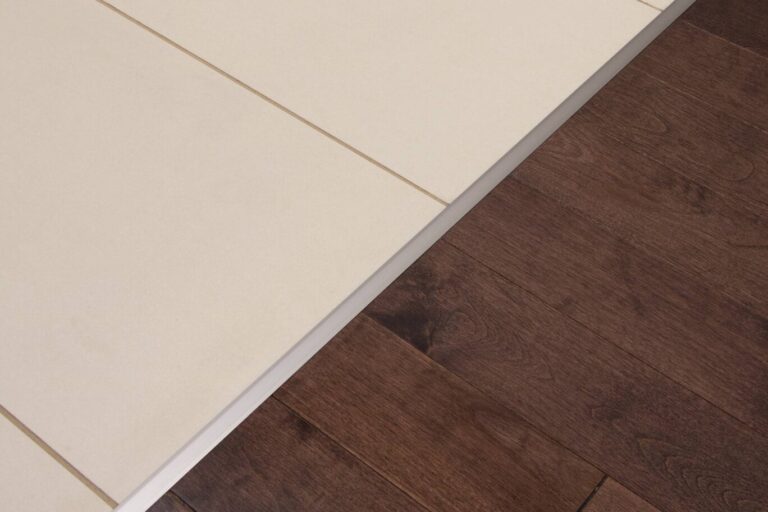
The most expensive home modifications are the ones made after a fall. What to install now — calmly, at $100–$300 a grab bar — so you never have to renovate under pressure.
Before you research showers and stair lifts, answer one question about the floor plan. Whether there’s a full bed and bath on the first floor decides whether staying is even possible.
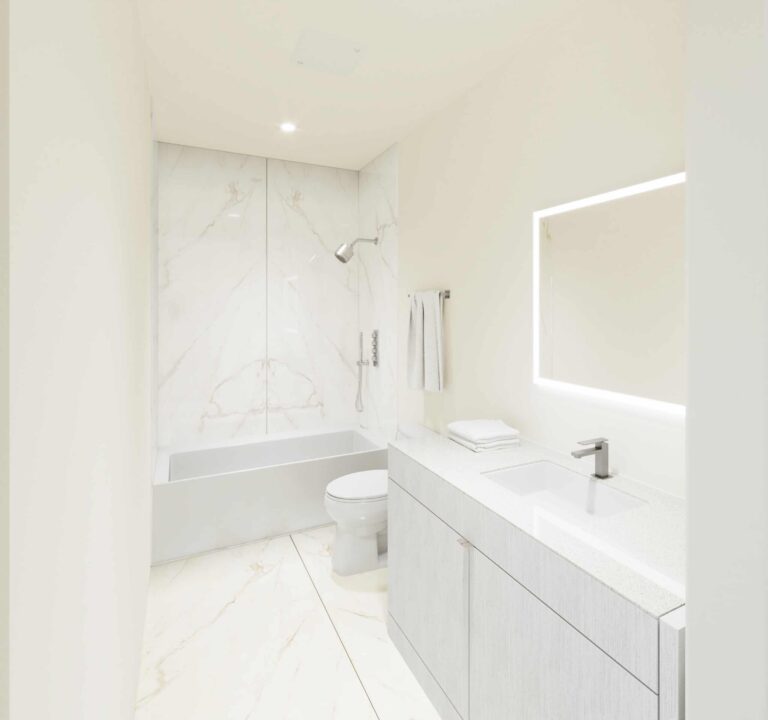
The features that prevent falls are usually the same ones that define high-end design. How to build a bathroom that is thoroughly safe and never reads as accessible.
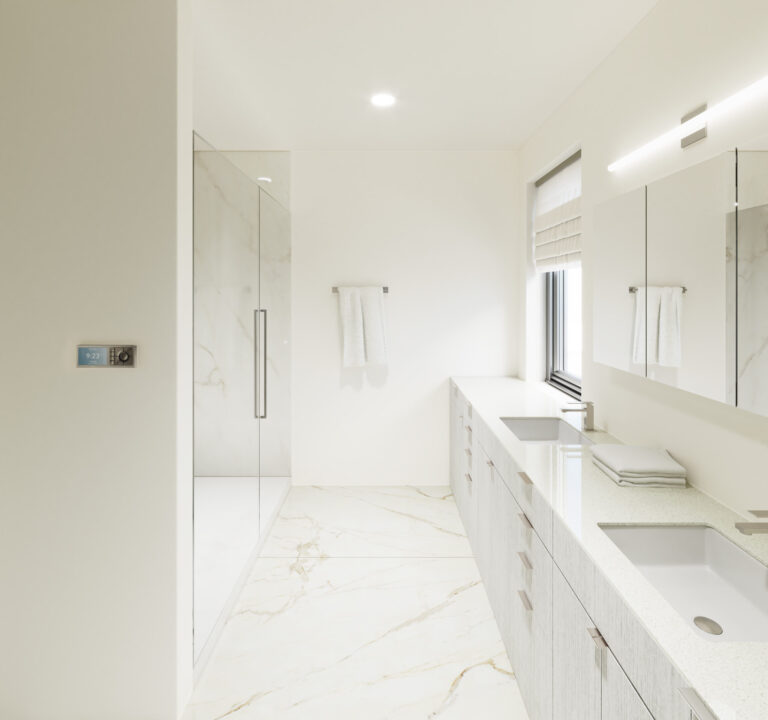
What separates a good walk-in shower from an exceptional one starts at the floor: a true zero threshold, proper waterproofing, and a drain placed to actually move water away.
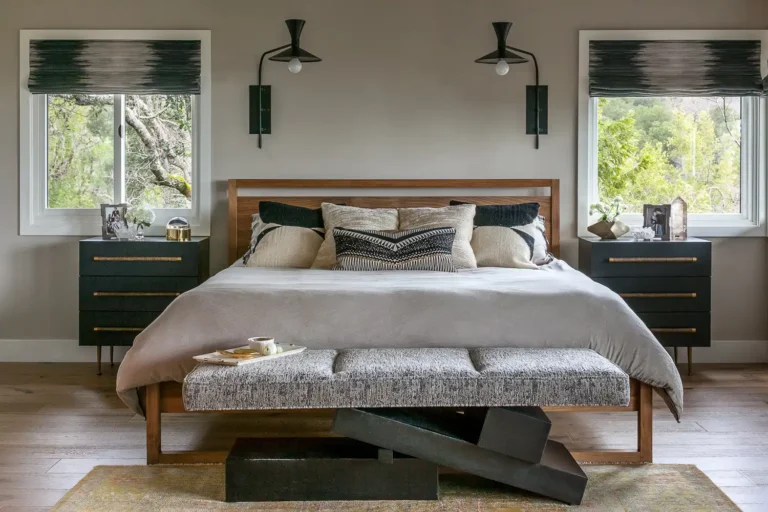
The best aging-in-place upgrades are never labeled as such. They’re design investments that happen to make the next 40 years easier — with no white plastic anywhere in sight.
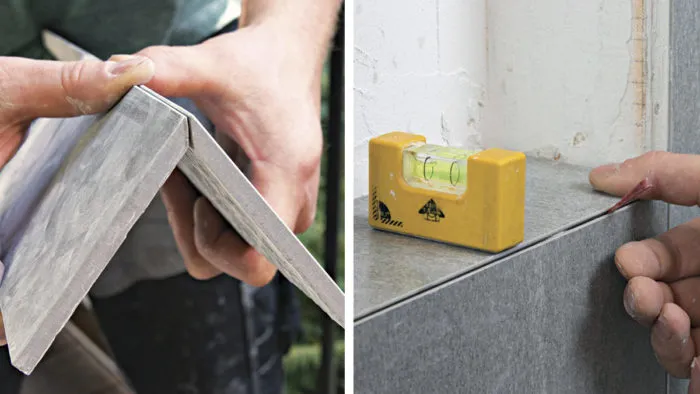
The goal isn’t a home that looks safe. It’s a home that is safe without announcing it — where every safety feature is indistinguishable from a design decision.
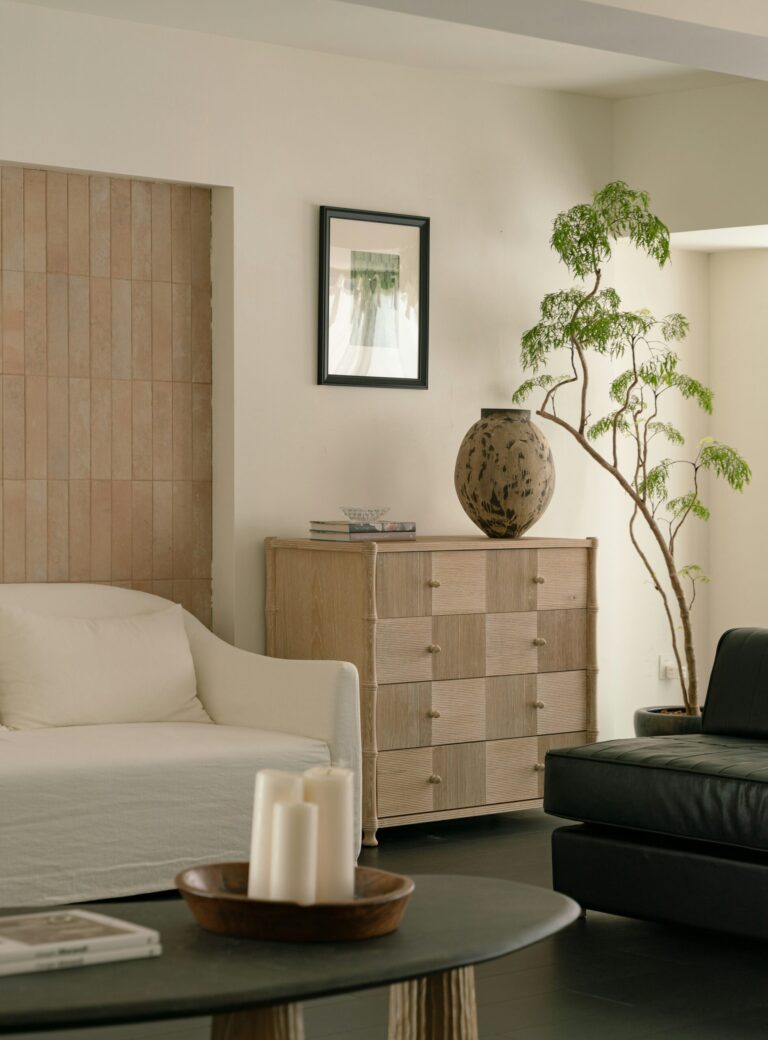
Beige risers, white plastic bars, hospital-grade shower chairs. These products do their job — and they quietly tell the person using them exactly what the world thinks of them.
12 beautiful safety changes for aging parents.
Get the Free Guide →No spam. Unsubscribe anytime.