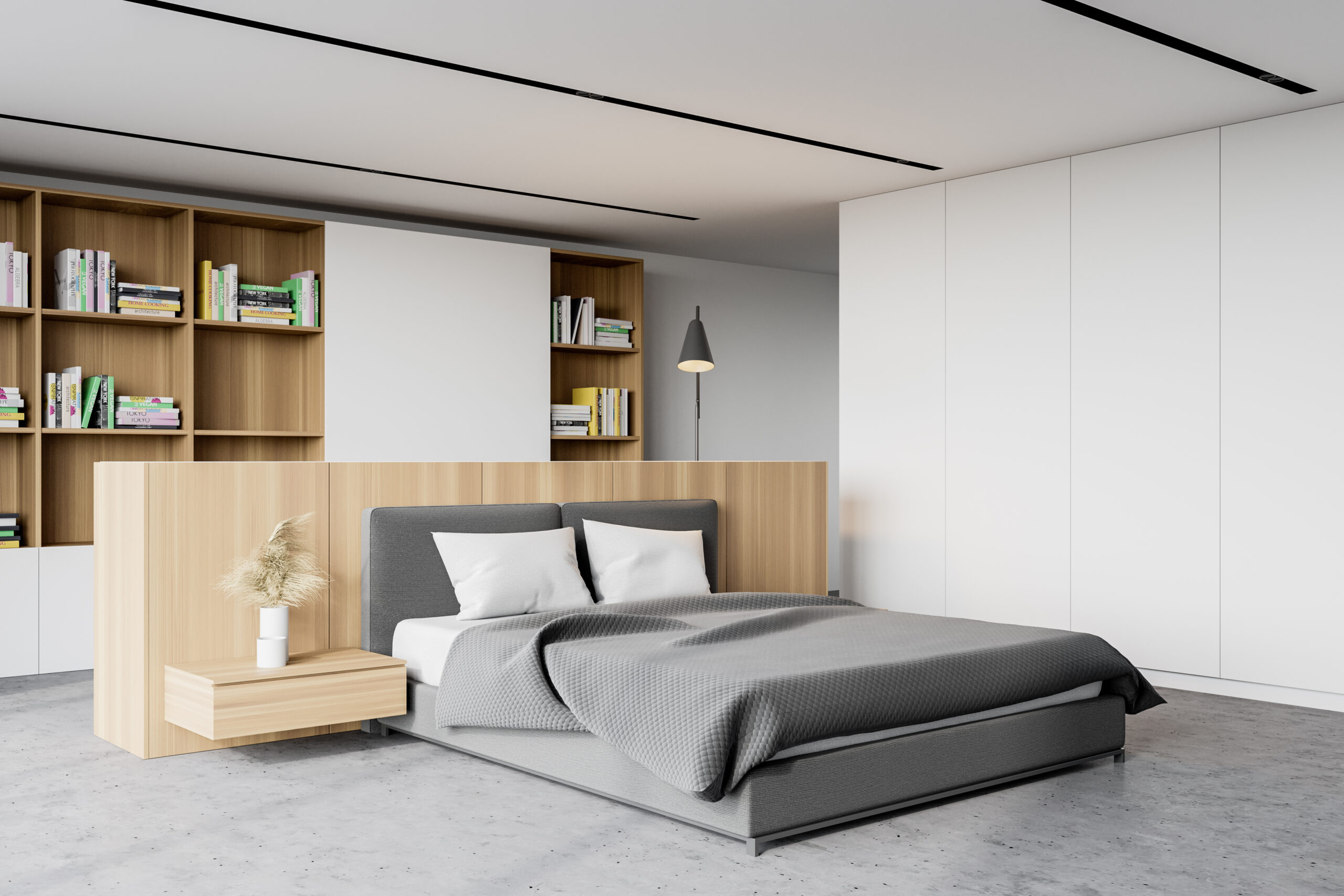
Bedroom Layout for Better Mobility
This post contains affiliate links. If you buy through them I may earn a small commission at no extra cost to you. How that works.
Part of our complete guide: Bedroom Safety for Aging in Place: The Complete Guide
Disclosure: Well Aging Home participates in affiliate programs. If you buy through our links, we may earn a small commission at no extra cost to you.
The bedroom is where most people begin and end every day, and the layout of that room has a direct effect on how safely and comfortably those transitions happen. A thoughtfully arranged bedroom reduces fall risk, makes nighttime navigation intuitive, and ensures that mobility aids, if needed, have the clear space they require. None of this requires sacrificing design.
Clearance Paths: The Starting Point
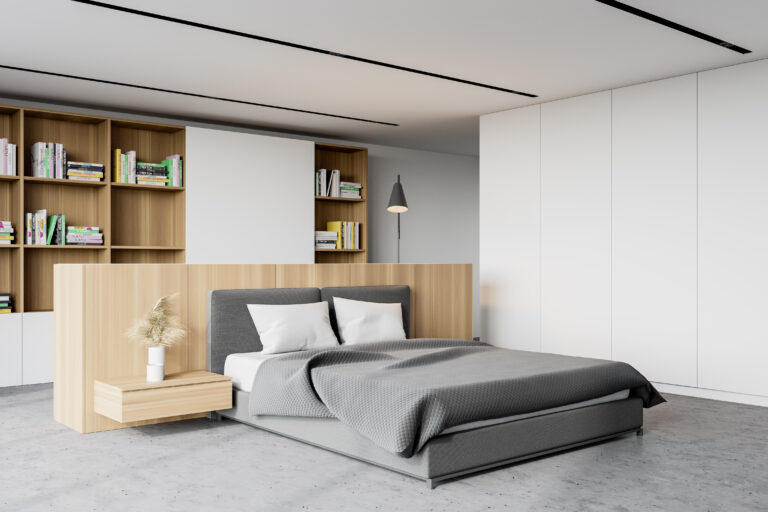
A minimum of 36 inches of clear floor space on at least one side of the bed is the accessible design standard for someone who needs to use a walker. 42 inches is more comfortable. If your bedroom cannot accommodate 36 inches on both sides, prioritize the side you exit from most frequently. Everything else — furniture arrangement, storage decisions, rug placement — should work outward from this requirement.
Bed Height
A bed height of 20 to 23 inches from floor to top of mattress is the ergonomic ideal for most adults. Too low means difficulty rising; too high means difficulty sitting safely on the edge. If your current mattress-and-frame combination lands outside this range, adjustable bed legs and platform risers can correct it inexpensively. A firm edge — not a pillow-top that compresses when sat upon — is equally important for safe sit-to-stand transitions.
Nightstand Placement
A nightstand on the exit side of the bed with a lamp or motion-activated light within reach means you never navigate in full dark. The surface should be at mattress height or slightly above — reaching down to a low nightstand from a seated position adds instability. Anything you need in the middle of the night should be on or in that nightstand: water, phone, glasses, medications.
Furniture Spacing
Bedroom furniture arranged to allow passage along clear, predictable paths is safer than a room that requires navigating between closely spaced pieces. A dresser or chest of drawers placed against a wall rather than at the foot of the bed eliminates the most common bedroom obstacle. Chairs and benches are useful if they are stable and placed out of pathways; decorative pieces without structural integrity should be reconsidered.
Rug Placement and Anchoring
A rug in the bedroom should not move. Area rugs without a quality non-slip pad, or rugs placed over carpet, are trip hazards regardless of their design value. Low-pile rugs anchored fully with a quality gripper pad are safe; high-pile rugs, shags, and folded corners are not. Place rugs where they add warmth and softness without crossing pathways or extending under furniture legs in a way that causes buckling.
Lighting at Multiple Levels
Overhead ambient light, bedside lamps for reading, and low-level night lighting along the floor form the three-tier system that makes a bedroom safe at any hour. Motion-activated plug-in night lights positioned near the door and along the path to the bathroom take care of the most dangerous part of the night: the half-asleep transition between bed and bathroom.
Closet Access
A closet that requires reaching overhead for daily items is a fall risk. Adjustable closet systems with a lower hanging rod, pull-out shelves, and a dedicated shoe rack at a reachable height make the most-used storage in the bedroom accessible without strain. The Container Store, IKEA PAX, and California Closets all offer adjustable configurations at varying price points.