Walk-In Shower vs Tub (What Actually Works Long-Term)
Disclosure: Well Aging Home participates in affiliate programs. If you buy through our links, we may earn a small commission at no extra cost to you.
The walk-in shower vs. bathtub decision is one of the most consequential long-term choices in bathroom design — and it’s often made without full consideration of how it will work over the next 20–30 years of living in the home. This guide looks at both options honestly, from a long-term use perspective.
The Case for Walk-In Showers
A walk-in shower — particularly a curbless or low-threshold shower — is the clearly superior choice for long-term aging-in-place function. The reasons are straightforward: it eliminates the step-over maneuver that causes a disproportionate share of bathroom falls; it accommodates a shower seat or bench, which transforms showering from a balance-intensive activity to a stable, seated one; it works with walkers and wheelchairs without modification; and it can be designed to look like a luxury spa with no clinical compromise whatsoever.
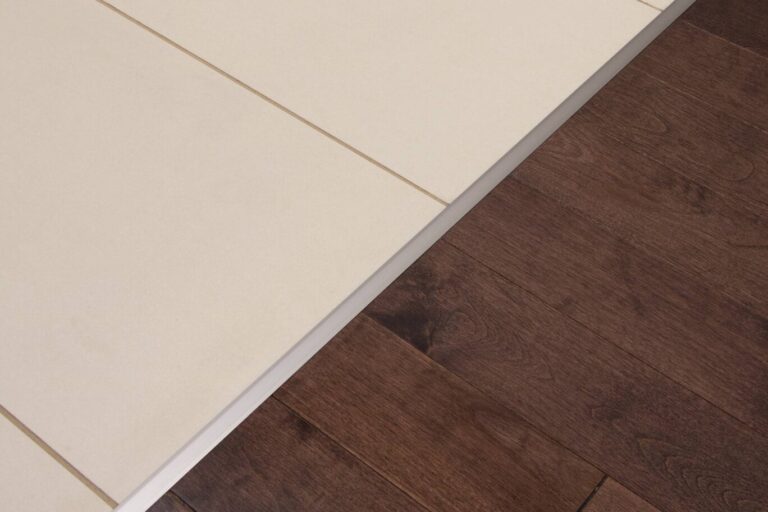
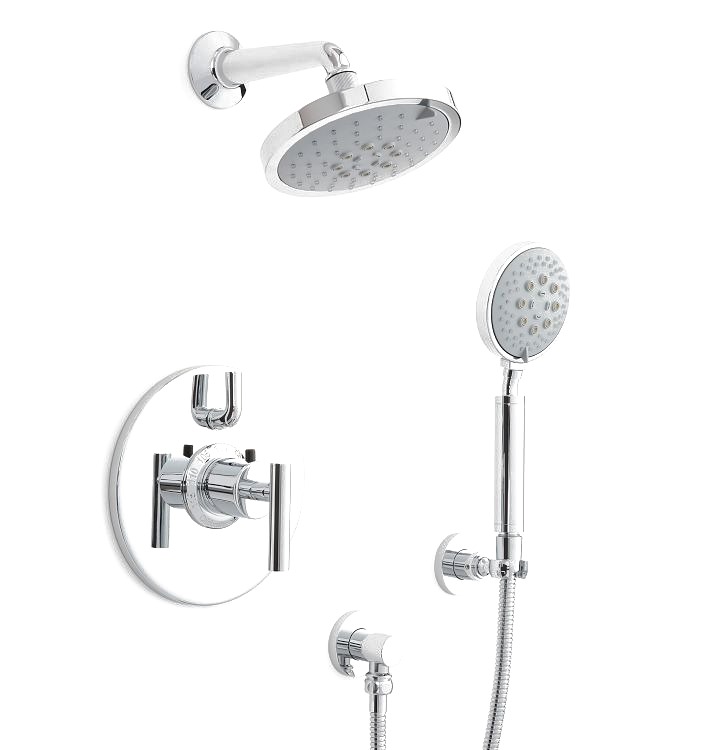
A curbless shower with a linear drain, large-format matte tile, a fixed rain head, and a handheld head on a slide bar is simultaneously the highest-performing aging-in-place shower configuration and the specification that high-end bath designers default to for aesthetic reasons. The safety choice and the design choice are the same choice.
The Case for Keeping the Tub
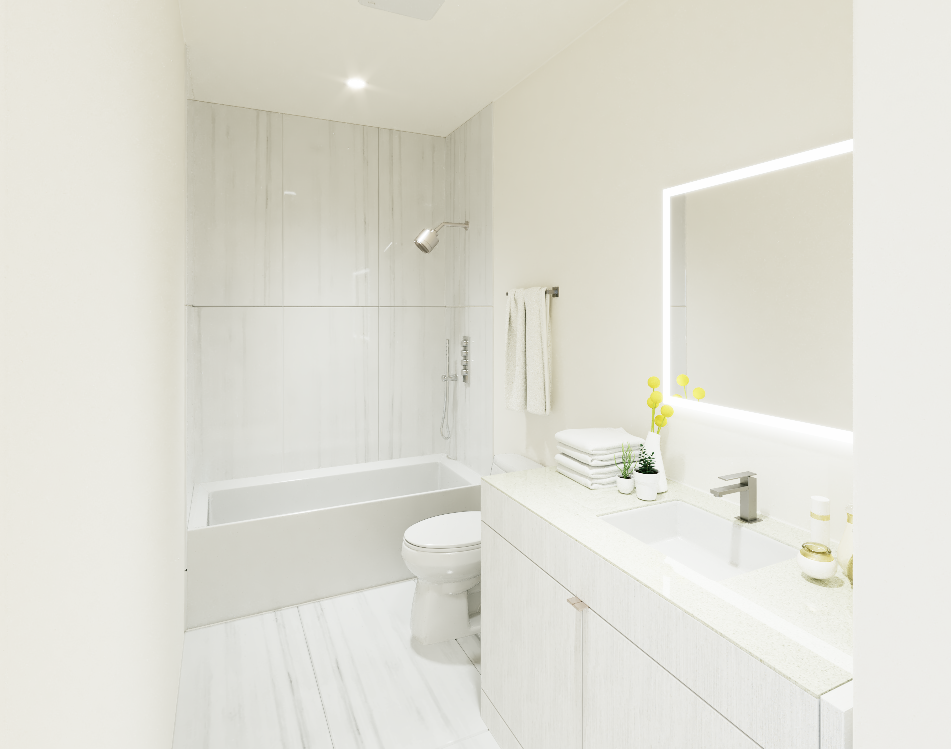
Bathtubs are not inherently wrong for aging-in-place homes — they’re just rarely the right choice as the primary bathing fixture. The step-over edge of a standard tub is 18–24 inches — a significant obstacle for reduced mobility. Standard tub walls are too low to use as grab bar surfaces. The positions required to enter, bathe in, and exit a tub safely require significant flexibility and strength.
That said, a tub has a legitimate place for some people: those who genuinely use it for soaking and find significant therapeutic value in a bath. The solution isn’t necessarily to remove the tub — it’s to ensure it has proper grab bars, the entry height is as low as possible, a transfer bench is available if needed, and it’s not the primary showering fixture.
Walk-In Tubs: An Honest Assessment
Walk-in tubs — with a door in the side that allows entry without stepping over — are heavily marketed to older adults and frequently disappointing. The design requires getting in, closing the door, filling the tub, bathing, draining the tub completely, then opening the door to get out. You wait in the empty tub while it fills, and again while it drains. The total bathing time is significantly longer than a shower. The tubs are typically large and take up significant bathroom space. They’re not the right answer for most households, despite aggressive marketing to this demographic.
The Renovation Decision
If you’re doing a bathroom renovation, a curbless or low-threshold walk-in shower is the right long-term choice. It will serve you better at every age, and it will make the bathroom look and feel better. If you want to keep a tub, keep one — but design the shower separately and design it well.