Does Medicare Cover Home Modifications? What Every Family Needs to Know
Standard Medicare doesn’t cover home modifications like grab bars or ramps — but there are programs that do. Here’s the complete, honest answer, and where the money actually is.
Most home safety improvements are either too clinical to live with or too minor to matter. These guides focus on the changes that actually reduce fall risk — and that fit into a real home without turning it into a medical facility.
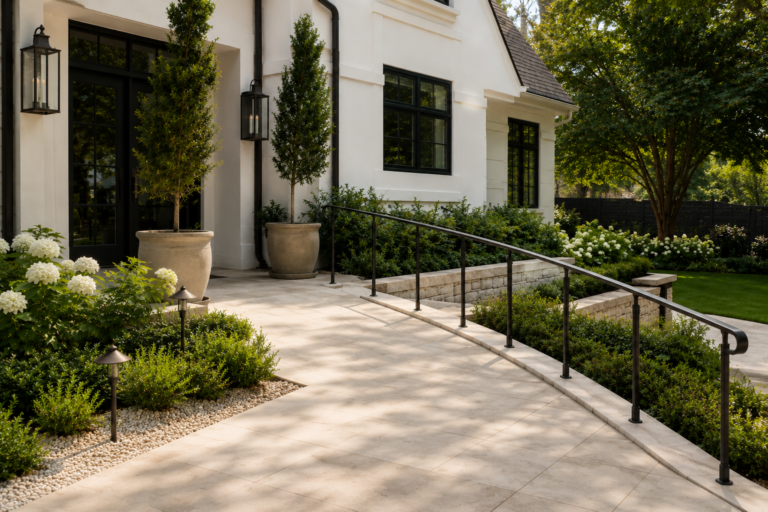
Standard Medicare doesn’t cover home modifications like grab bars or ramps — but there are programs that do. Here’s the complete, honest answer, and where the money actually is.
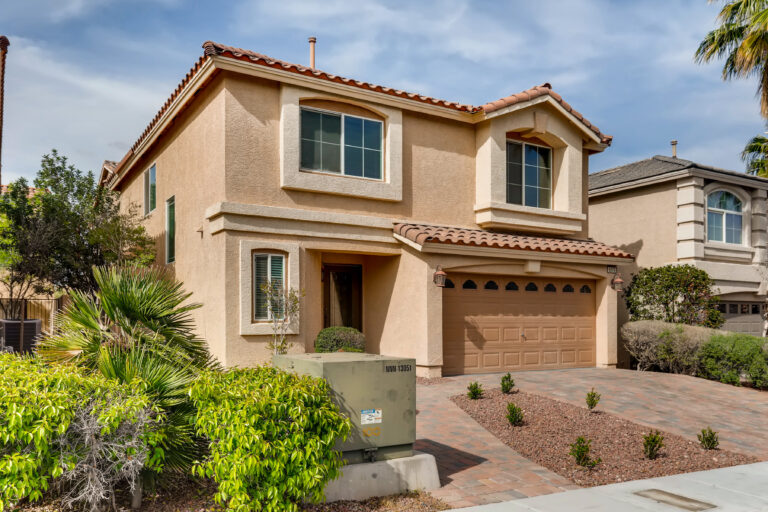
The most sought-after homes today are easier to live in by design. Interior designer Rachel Blindauer explains how universal design principles quietly increase home value — through wider circulation, curbless showers, layered lighting, and hardware that performs as beautifully as it looks.
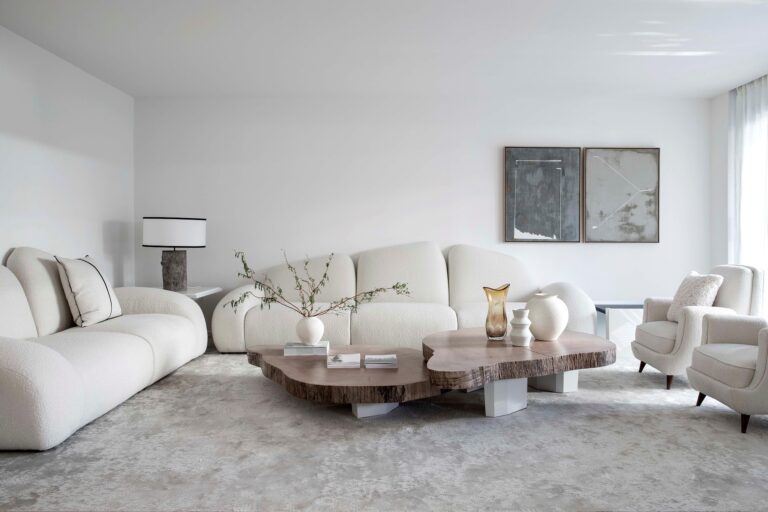
A stroke changes how someone moves through their home. Interior designer Rachel Blindauer walks through the bathroom, bedroom, living areas, and kitchen modifications that support recovery — beautifully, without making the home feel clinical.
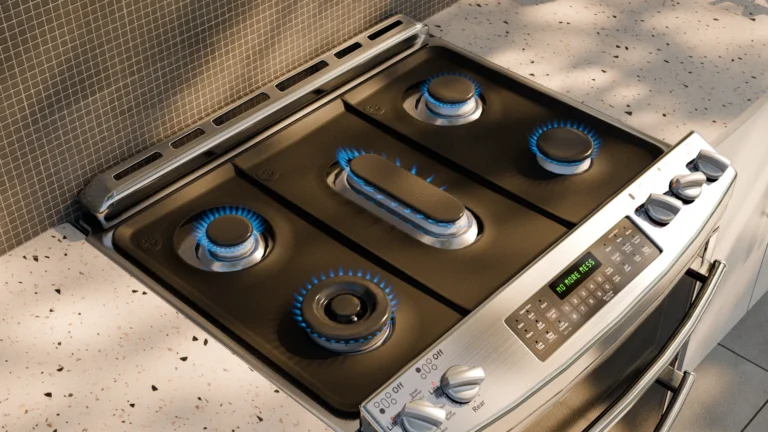
Kitchen safety almost never comes up in the first conversation — everyone wants to talk about grab bars. But cooking fires are the leading cause of home fires in the U.S., and the risk rises with age. The devices that actually prevent them are inexpensive and nearly invisible.

My father has mowed his own lawn for forty years. Steering him off the riding mower was never a conversation about lawn care. It was about identity, and a slope along the back line.
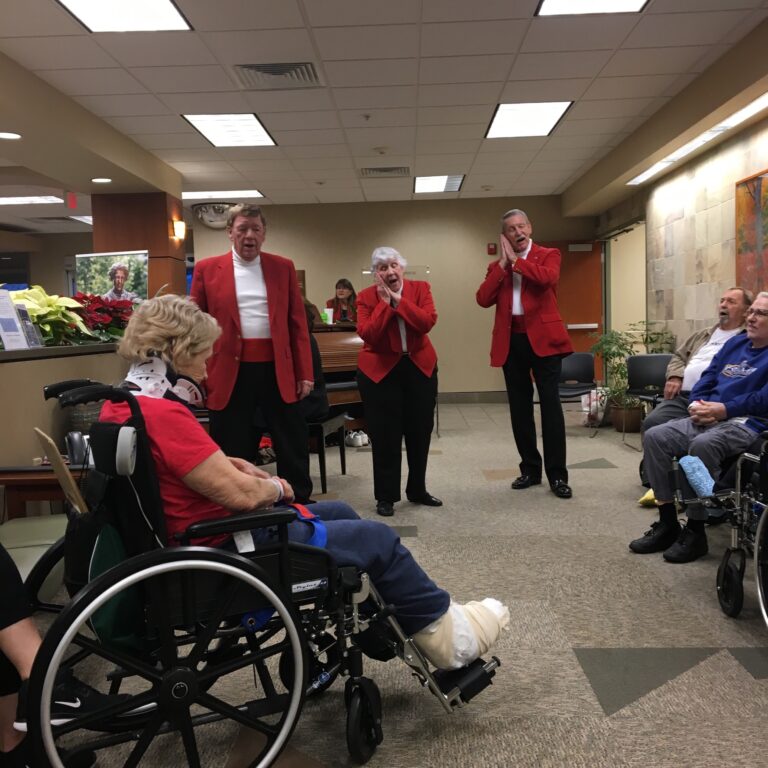
Real St. Louis-area assisted living costs, the neighborhoods with the most options, and the tour questions that actually tell you something — from a Fenton, MO-based caregiver and designer.
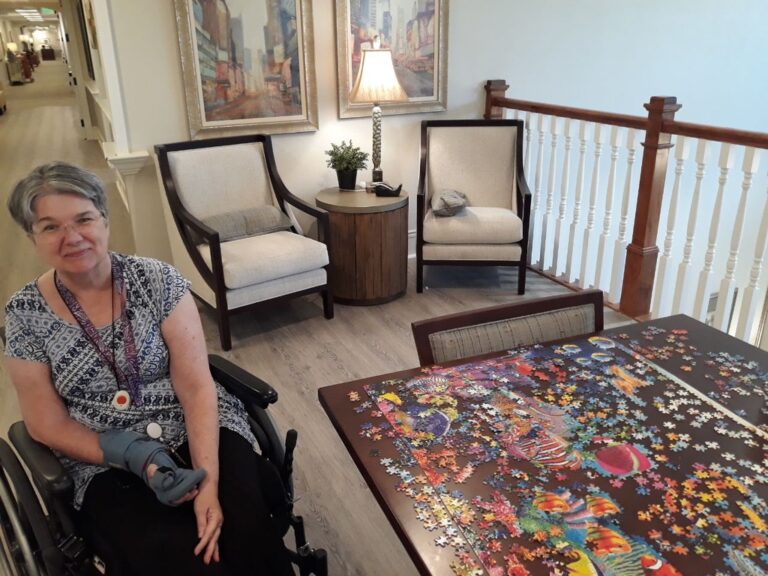
What MO HealthNet actually covers for in-home care, who qualifies for the Aged and Disabled Waiver and Consumer Directed Services, and exactly how to apply — from a Missouri family caregiver.
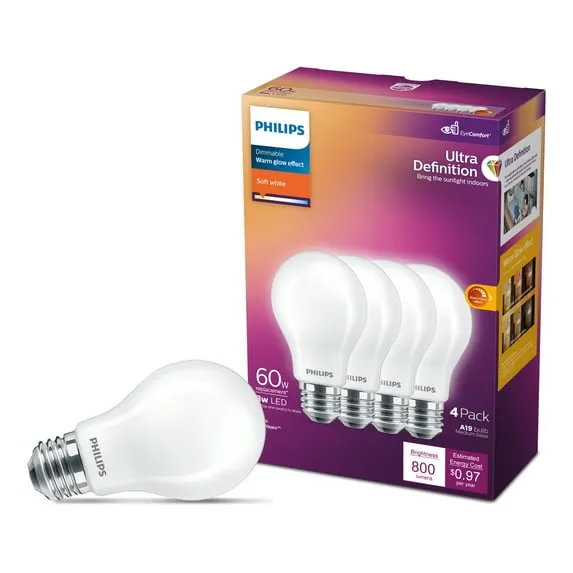
Most nighttime falls happen in the dark, in the seconds before a hand finds the switch. The three motion-lighting specifications I use in every aging-in-place project.
The conversation about home safety is never really about grab bars or lighting. It’s about identity, independence, and dignity. Here’s how to begin it — gently, honestly, and without fear.
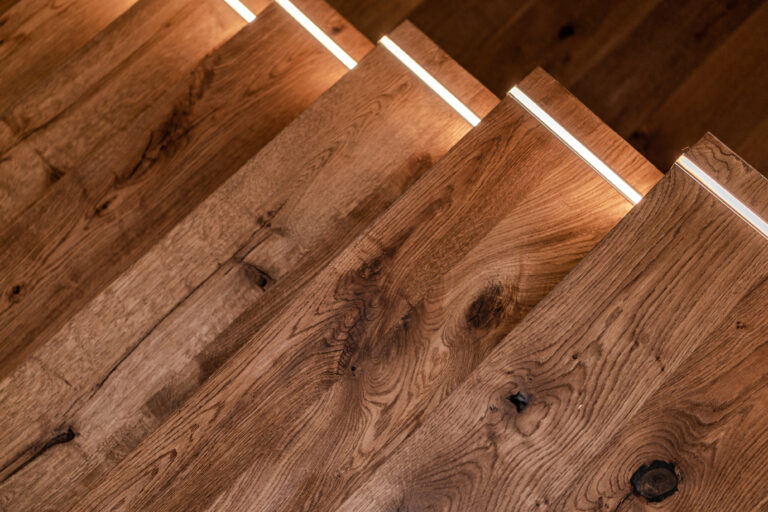
A complete room-by-room fall prevention guide for aging adults and their families. Covers bathroom, bedroom, stairs, and flooring — in order of risk.
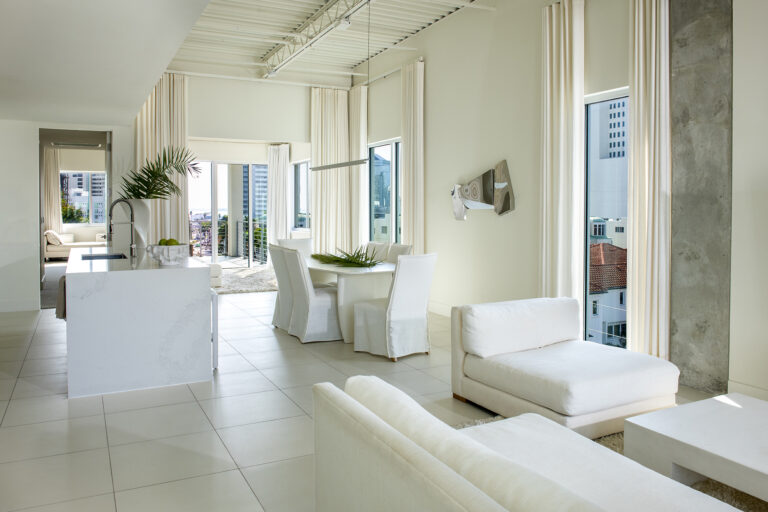
I designed homes professionally for years before my mother’s mobility changed. The physical work turned out to be the easy part. Here’s what I wish someone had told me first.
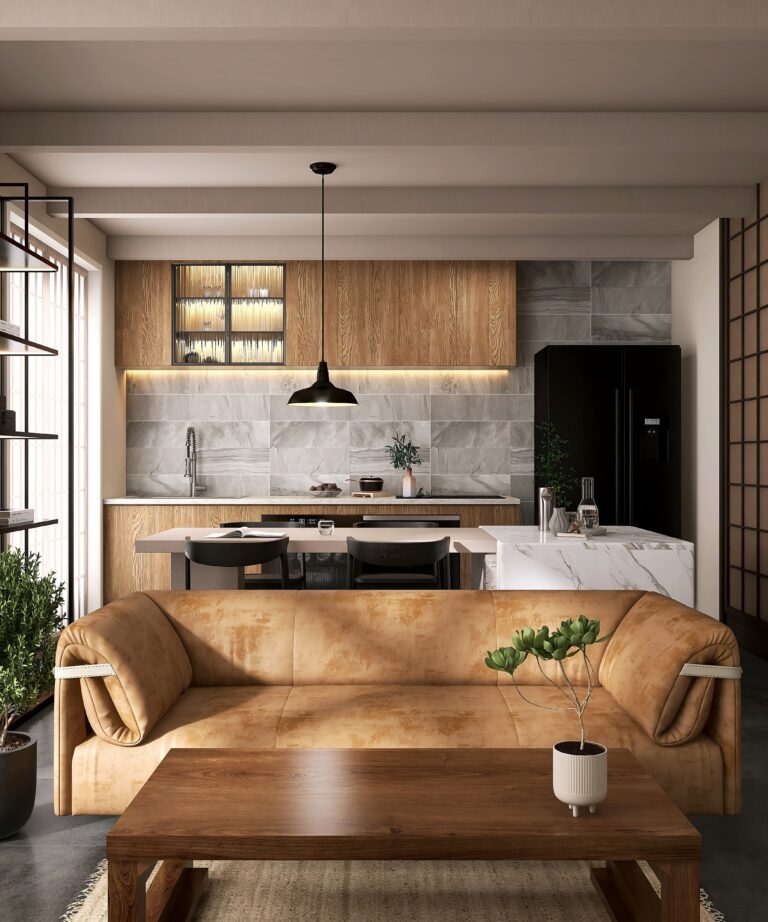
Lever handles, motion night lights, and a handful of other swaps that take an afternoon and $20–$50 each — the low-effort changes with the highest return on daily independence.
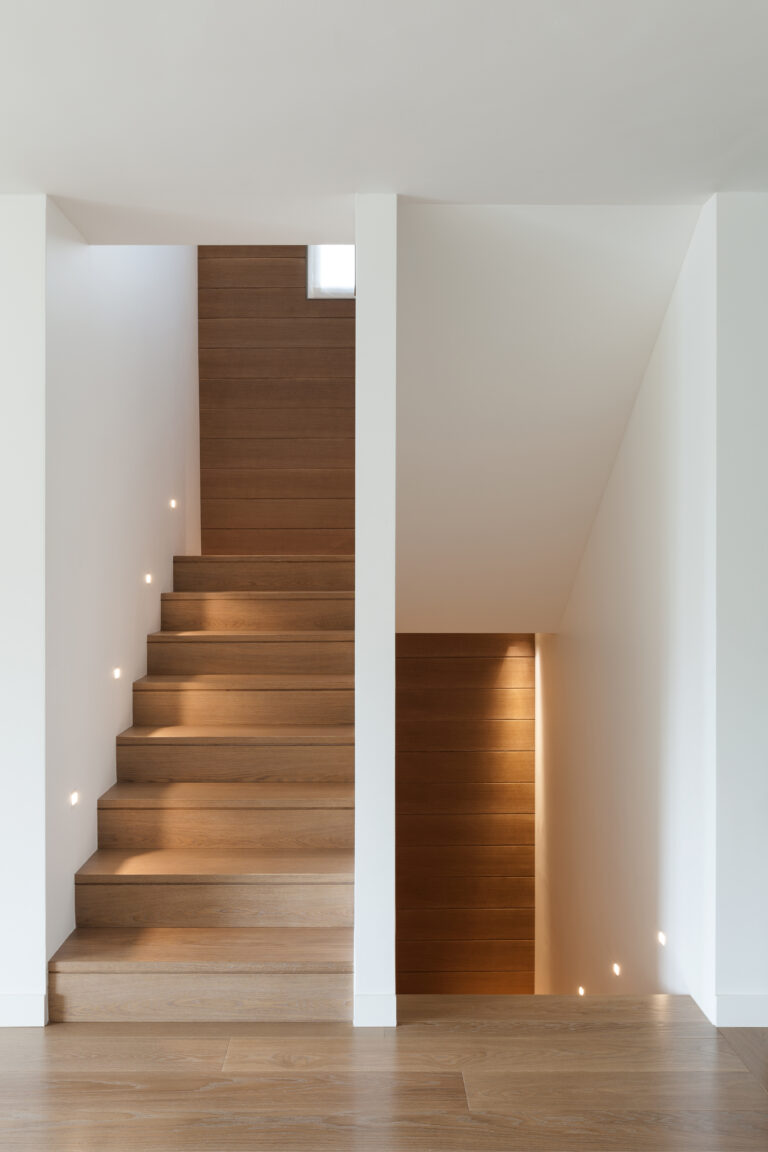
The fall-prevention changes that make the biggest difference aren’t renovations — they’re the subtle ones. Rugs, thresholds, contrast, and lighting fixes you can make in a weekend, from a designer and family caregiver.

Occupational therapists see the same preventable falls over and over. Their consistent verdict: almost every one was predictable from the room it happened in.
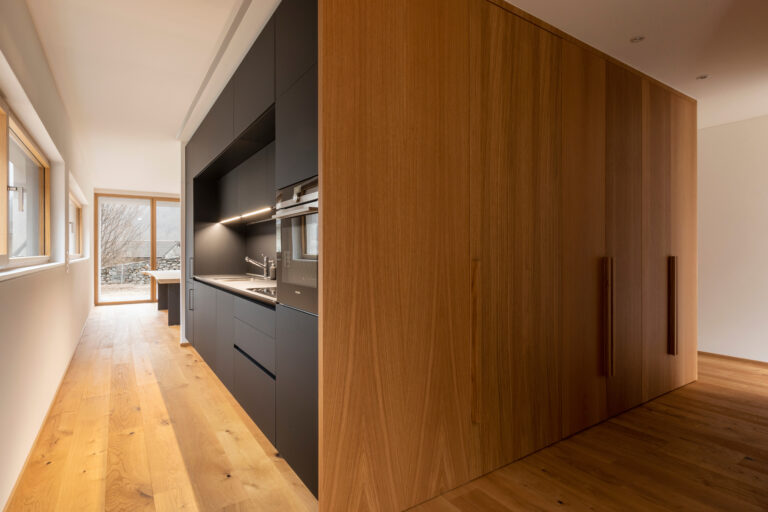
The highest-impact fall prevention available costs under $50 a piece and installs in an afternoon — the interventions OTs and aging-in-place designers name first.
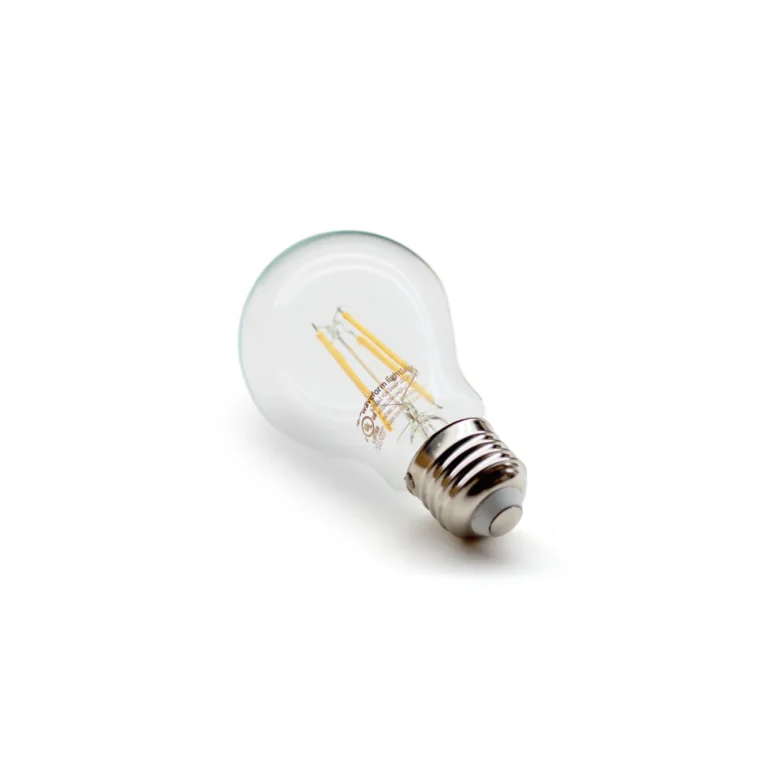
A 65-year-old needs roughly twice the ambient light of a 30-year-old. Most homes are lit for the 30-year-old. How to fix that, starting with lumens instead of watts.
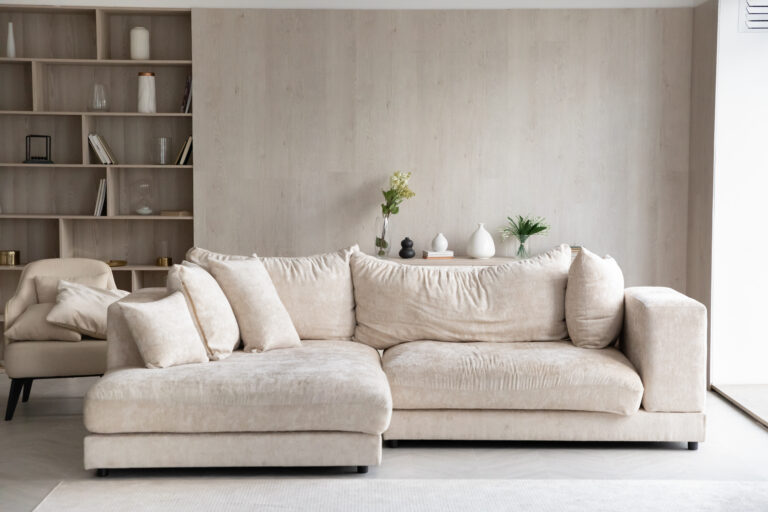
The reliable safety and accessibility products hiding in Amazon’s noise — including the no-drill tension poles that work for renters who can’t install a permanent grab bar.
Occupational therapists recommend a product because they’ve watched it change someone’s daily function, not because it appeared in a catalog. What comes up most in home assessments.
12 beautiful safety changes for aging parents.
Get the Free Guide →No spam. Unsubscribe anytime.