Fall Prevention at Home: A Room-by-Room Guide
This post contains affiliate links. If you buy through them I may earn a small commission at no extra cost to you. How that works.
Disclosure: Well Aging Home participates in affiliate programs. If you buy through our links, we may earn a small commission at no extra cost to you.
Falls are the leading cause of injury-related death among adults 65 and older — and the majority happen at home. The good news: most falls are preventable. Not with dramatic renovations, and not by making your home look clinical. The most effective fall prevention strategies are often small, thoughtful changes that blend completely into a beautiful, functional home. This room-by-room guide covers exactly what to do, and why it works.
How Falls Actually Happen
Before we go room by room, it’s worth understanding the real mechanics of a fall. Most falls at home involve one or more of these factors: a tripping hazard (loose rug, threshold, clutter), inadequate lighting, a loss of balance during a transition (standing up, stepping into a tub), or a surface that doesn’t provide enough grip when wet. Address those four things consistently and you’ve eliminated the vast majority of fall risk.
Entryway
- Eliminate the threshold. Traditional raised door thresholds are tripping hazards. Replace with a flush transition strip.
- Install a grab bar or sturdy hook near the door — something to hold while removing shoes.
- Secure any entry rug with a non-slip pad plus double-sided tape. If it curls, remove it.
- Ensure strong overhead lighting at the entry so the floor surface is always clearly visible.
Living Room and Hallways
- Clear primary pathways of coffee tables, side tables, and cords that cross walking routes.
- Secure every area rug. No exceptions. If a rug bunches or slides, it’s a hazard.
- Keep hallways well lit with night lights or motion-activated fixtures, especially for nighttime navigation.
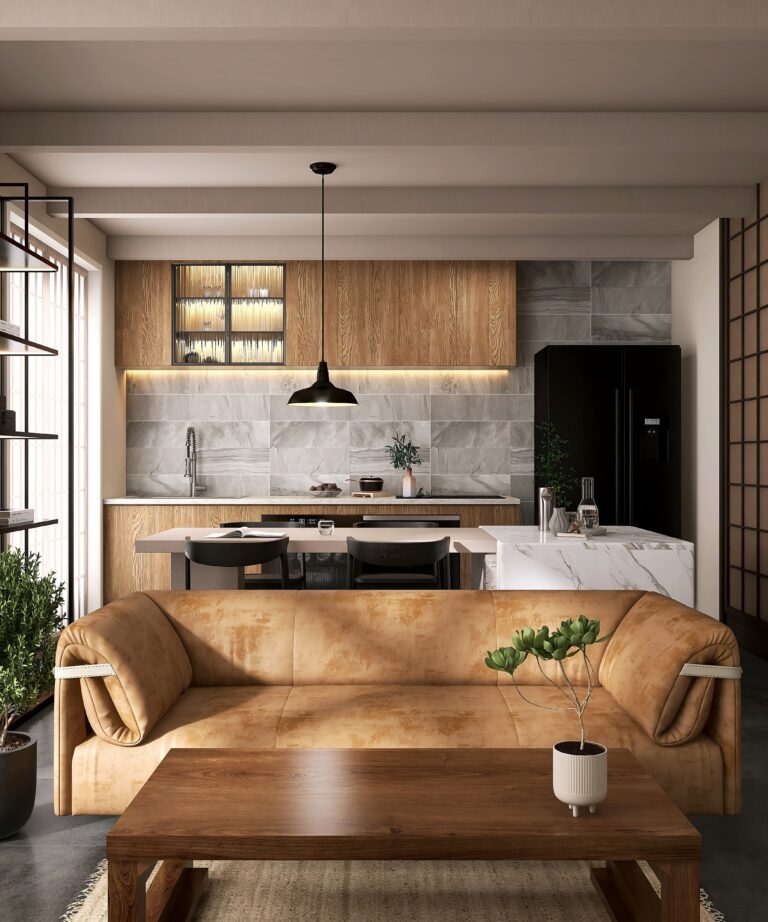
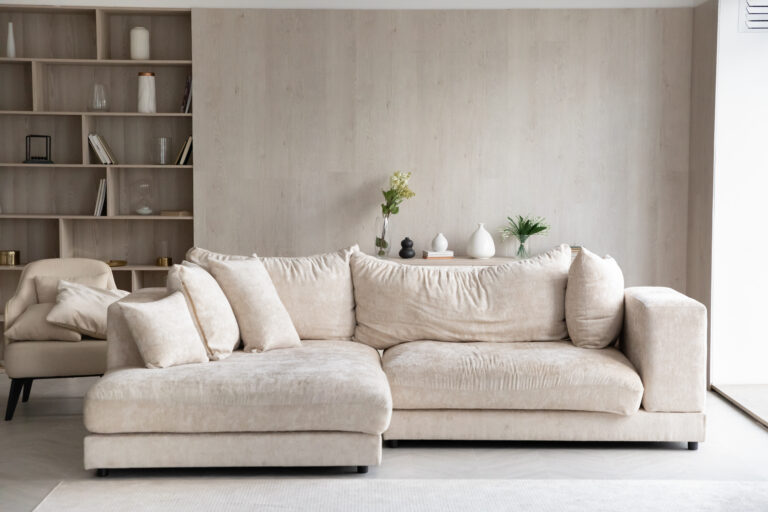
- Consider furniture height. Deep, low sofas are hard to rise from safely. Choose seating approximately 17–19 inches with firm cushions and armrests.
Kitchen
- Wipe up spills immediately. Non-slip mats near the sink and stove add a second layer of protection.
- Reorganize storage to keep most-used items between waist and shoulder height.
- Never use a chair as a step stool. A proper step stool with a handle removes this very common hazard.
- Anti-fatigue mats at the sink reduce fatigue during long standing periods, which degrades balance over time.
Bathroom
The bathroom is statistically the highest-risk room in the home. This is where fall prevention investment pays off most.
- Install grab bars — in the shower, beside the toilet, and at the tub edge. Properly wall-anchored, rated for 250+ lbs.
- Add a shower seat or bench. Showering standing on a wet surface is one of the highest-risk daily activities.
- Use non-slip mats inside and immediately outside the shower.
- Replace polished tile with matte or textured tile if renovating. The slip-resistance difference is dramatic.
- Raise toilet height with a raised toilet seat or comfort-height toilet (17–19 inches vs. standard 15 inches).
Bedroom
- Install motion-activated night lights along the path from bed to bathroom.
- Check bed height. Feet should rest flat on the floor when sitting on the edge — approximately 20–23 inches from floor to mattress top.
- Secure the bedside rug or remove it entirely.
- Keep essentials within reach: glasses, phone, water, medications — all on the nightstand.
Stairs
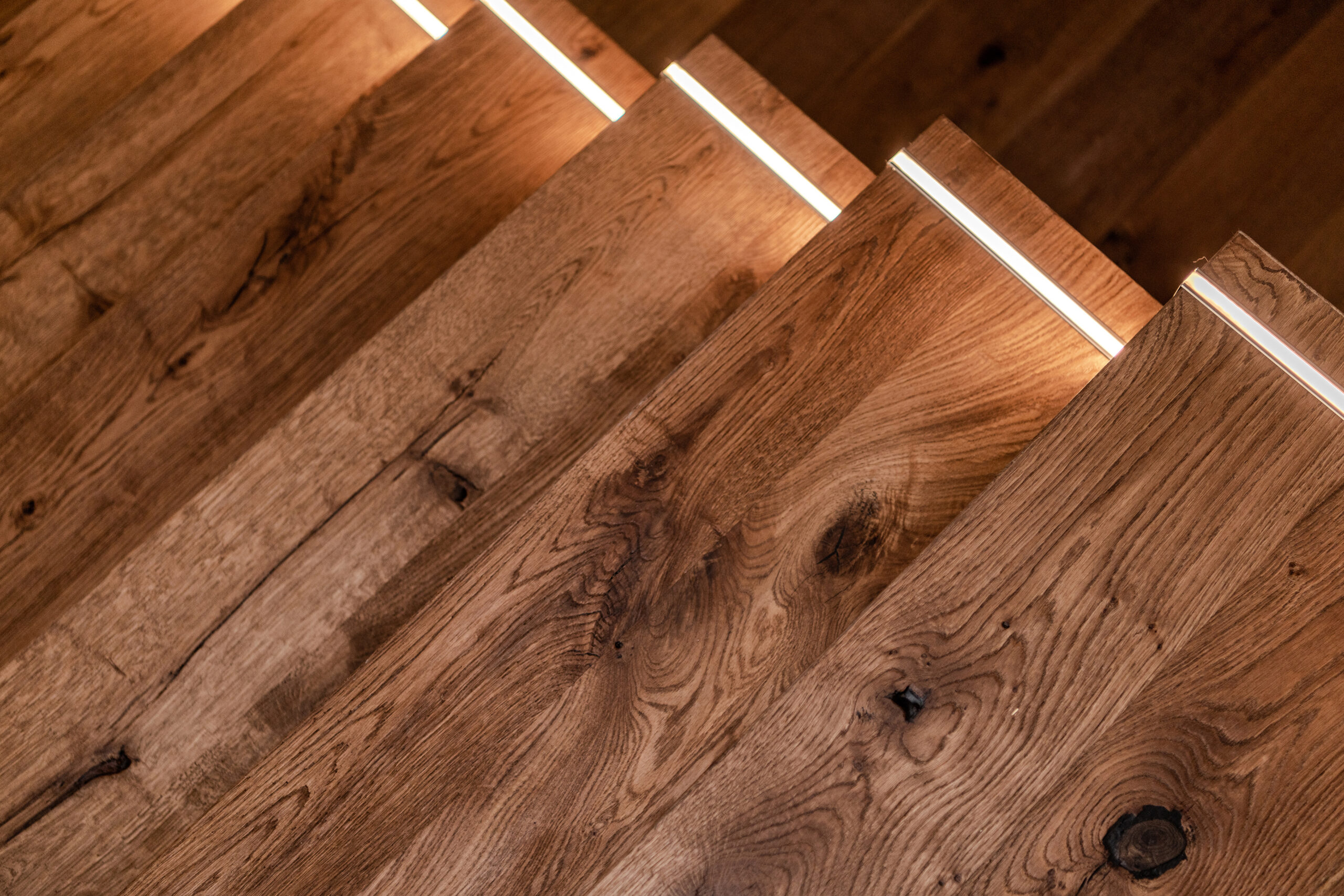
- Handrails on both sides if possible. At minimum, a solid continuous handrail the full length of the staircase.
- Adequate lighting at both the top and bottom, with switches accessible from both ends.
- Non-slip stair treads on any uncarpeted staircase.
- No storage on stairs. Objects left “to take up later” are a leading cause of stair falls.
Footwear Matters
Socks on hardwood floors are one of the most dangerous combinations in a home. Proper house slippers with non-slip soles and a secure fit — not open-back slippers — should be the standard inside the house. This easy change has an outsized impact on fall risk.
Where to Start
Start with the bathroom and the bedroom-to-bathroom path. Grab bars in the shower, a motion-activated night light in the hallway, and secured rugs on that path will make a meaningful difference immediately. Fall prevention isn’t about transforming your home — it’s about thoughtful adjustments that work invisibly in the background.
Save this for later
Pin it to your Pinterest board so it’s there when you need it.