Bathroom Safety for Aging in Place: The Complete Guide
This post contains affiliate links. If you buy through them I may earn a small commission at no extra cost to you. How that works.
Disclosure: Well Aging Home participates in affiliate programs. If you buy through our links, we may earn a small commission at no extra cost to you.
The bathroom is the most dangerous room in the home for adults over 65. And yet it offers the most opportunity for transformation. Done right, a safe bathroom is indistinguishable from a luxury spa. This guide covers everything: grab bars, shower design, tile selection, toilet height, and the layout decisions that matter most.
Why the Bathroom Is High-Risk
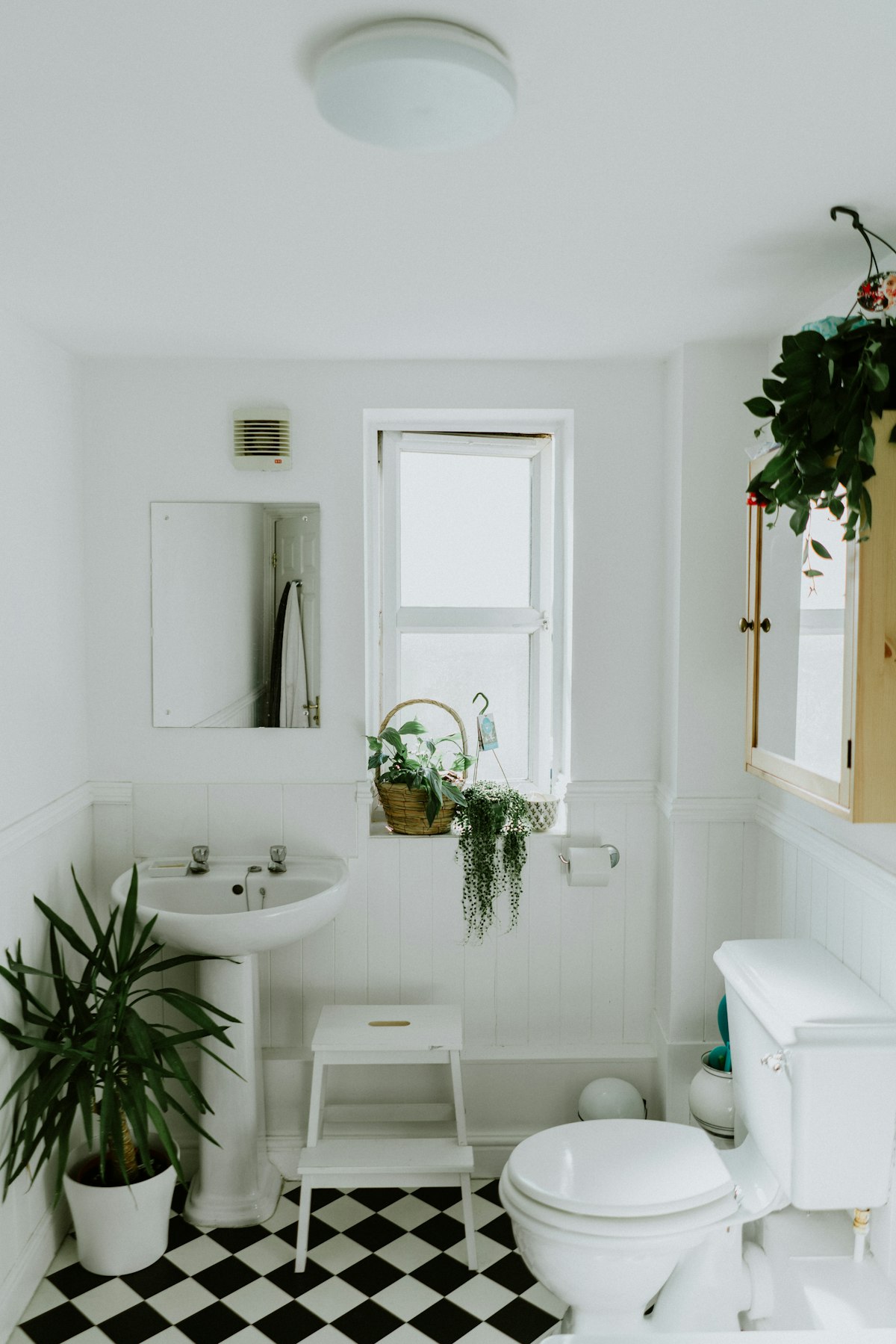
Three conditions combine uniquely: wet surfaces, transitions in and out of the shower or tub, and sitting down and standing up from the toilet. Add nighttime visits in low light and you have the highest-risk room in the home. Almost all of these risks have elegant design solutions.
Grab Bars: The Single Highest-Impact Change
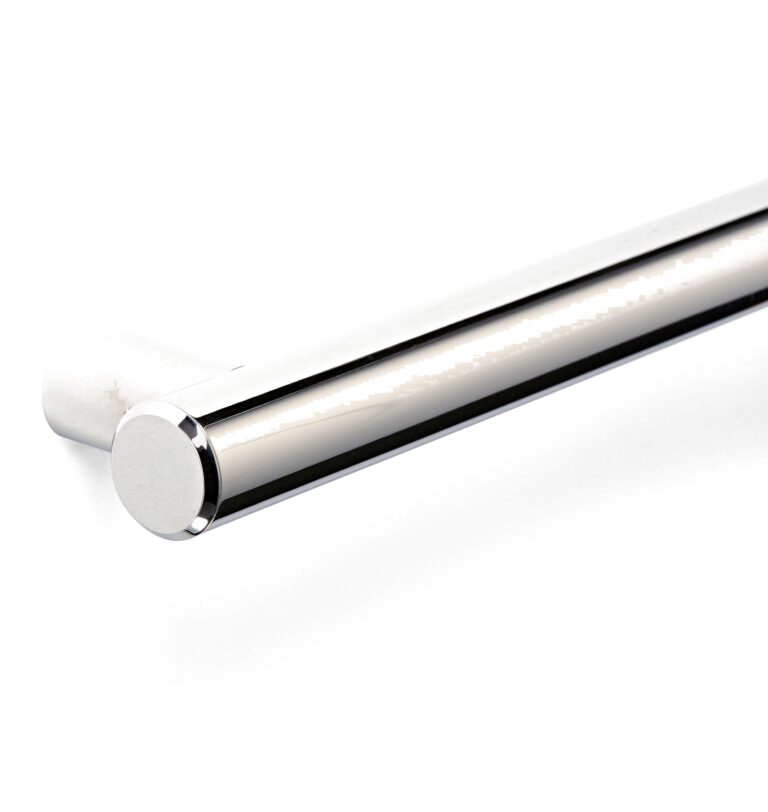
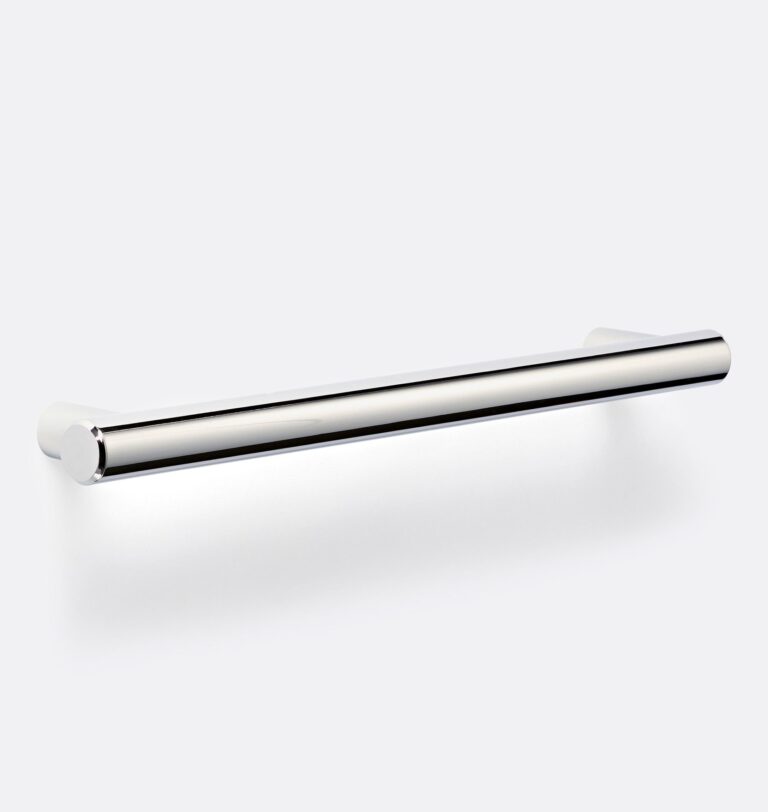
If you do one thing, install properly anchored grab bars. Not suction-cup bars. Not towel bars. Wall-anchored bars rated for at least 250 pounds, installed into studs or with proper toggle anchors.
Where to install them:
- Inside the shower on the entry wall — for stepping in and out
- On the back or side shower wall — for balance while bathing
- Beside the toilet — one on the side wall, one on the rear if space allows
- At the bathtub — on the adjacent wall at a height that supports standing up
Today’s grab bars are genuinely beautiful. Brands like Rejuvenation, Delta, and Moen make them in matte black, brushed nickel, and satin brass — intentional design choices, not medical equipment.
The Shower: Curbless Is the Gold Standard
If you’re renovating, the single best investment is a curbless shower. A zero-threshold entry eliminates the step that causes a disproportionate share of bathroom falls and accommodates wheelchairs and walkers seamlessly. If a full renovation isn’t in the budget, a low-threshold walk-in shower (under 1/2 inch) is a significant improvement over a traditional tub-shower combo. The tub with a high step-over edge is the highest-risk configuration and should be replaced if possible.
Shower Seating
Showering while standing on a wet surface is one of the highest-risk daily activities for older adults. A shower seat — built-in teak bench, fold-down wall seat, or freestanding chair — dramatically reduces this risk. Built-in benches are the most elegant and add real resale value. Fold-down teak or bamboo seats are ideal for smaller showers. Freestanding chairs are the most accessible option without renovating.
Flooring: Matte Over Polished, Always
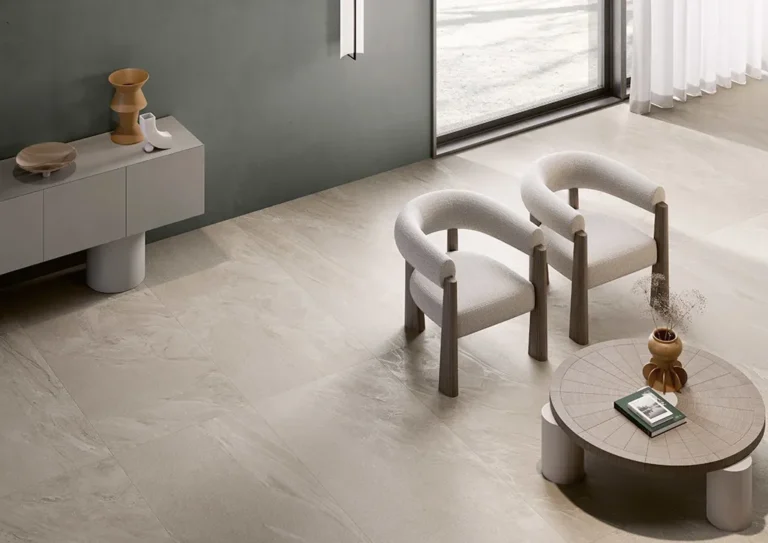
Slip resistance (measured by DCOF) drops significantly on polished tile when wet. For bathroom floors, choose matte or textured porcelain with a DCOF of 0.60 or above. Large-format tiles (12×24 or 24×24 inches) mean fewer grout lines — providing a smoother surface for walker and wheelchair wheels. Replace bath mats when the non-slip backing starts to deteriorate.
Toilet Height
Standard toilets are 15 inches floor to seat — too low for most older adults. A comfort-height toilet (17–19 inches, ADA height) makes sitting and standing dramatically easier. If replacing the toilet isn’t in the budget, a raised toilet seat adds 2–4 inches immediately and is now available in versions that look like a standard toilet seat.
Lighting
The bathroom needs strong, even lighting with no dark corners. Recessed lighting plus sconces at mirror height beats a single overhead fixture. Most importantly: a motion-activated night light that stays on for nighttime visits. Full brightness at 3am is disorienting — the night light should illuminate the toilet without triggering full overhead lights.
Storage and Layout
Store daily-use items at reachable heights — no bending to floor level, no stretching overhead. Built-in shower niches at shoulder height are both beautiful and functional. A wall-mounted medicine cabinet or open shelving keeps countertops clear. Clutter on the bathroom floor is a tripping hazard.
The Beautiful Safety Bathroom
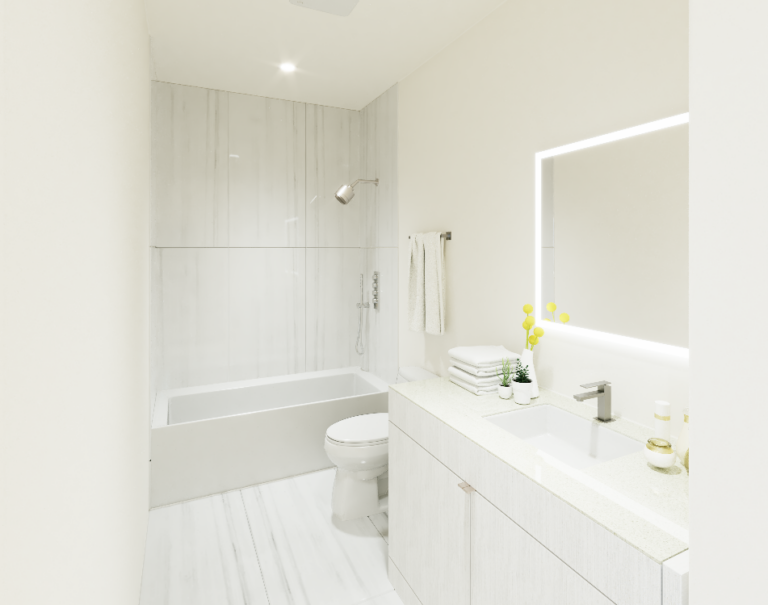
The features that make a bathroom safer also make it better. Curbless showers are architecturally more elegant than tub-shower combos. Beautiful grab bars look like intentional design accents. A walk-in shower with a teak bench and matte stone tile looks like a luxury spa. Comfort-height toilets feel better for everyone regardless of age. These are upgrades, not compromises.
Save this for later
Pin it to your Pinterest board so it’s there when you need it.