What I Wish I Knew Before Helping a Parent at Home

What actually matters, what surprises you—and how to make it easier for both of you

There’s a moment when “helping out” becomes something more.
A shift you don’t fully plan for.

Suddenly you’re noticing:

  • how they move
  • what feels harder
  • what they won’t say out loud

And you want to help—well, thoughtfully, without overstepping.

What most people don’t realize is this:

It’s not the big decisions that define this experience.
It’s the small, daily moments—and how your home supports them.


1) The Hardest Part Isn’t Physical—It’s Emotional

https://images.openai.com/static-rsc-4/ITbTUrZ9f44luuJQWGBZYIIaXbpnCA5UKU3ZcQurvW-beRKeKROXbSUGdZX4sb6PoBo4OuCBeowO6OJFkp7oR9pv-NqvWI1zYCXCvfh-Wo4ZdUcxGy7VJ_El9rk9I-VWJe8fDdKdDQLA6It8ItGxt-Kx6eey5HLmb3rf35rtnhfVk6ggcvUpy7r4WaCktJTN?purpose=fullsize
https://images.openai.com/static-rsc-4/D0lj6FQYSoH2A47qkVmno-oRCK606ZEu-pbA3KJErsH1gUn5X4eUYXfCT3dhIIcUZ8GmDg6PzpUwyizOyOuK4NlXtVxwjYdGbw4_9NZiKWsFhyGkx3xzlXYL6SSBINAJ0dEXvNo3vxYhrxDw-ydodQAxO3O4EQQm8u02l5MTqm7SZK6eiKCrgJEvZHslHaGe?purpose=fullsize
https://images.openai.com/static-rsc-4/A5oEUGCzLtHasbd8weO9xxpFkpWdGs3dxqfK7IXRxqYYElrPuah67YiktevejxmjG_nccRrRrEQ_AVAmUctnAVsBtrAcDUGP-v0NVMBG6VhlXAVti-qMmltD77pfTJyLpgATE-BlRNDTABhj9srA7-AFU5CpHlHNpzGWVdldr-mW0Nm8DVGoDa8l35tSLbQk?purpose=fullsize

9

You expect to manage logistics.
You don’t expect the emotional complexity.

  • Wanting to help without taking over
  • Noticing changes before they do
  • Balancing safety with dignity

What I wish I knew:
How you make changes matters as much as the changes themselves.


2) Small Frictions Become Big Over Time

https://images.openai.com/static-rsc-4/K9_CpQh6iIlBdJiV9z3S6JQOVS9mTR7Q8KfpiwXTFDglF9DljFVMhsN2r2TIjuACWv_ep0IoFzcgTk5UHEyhUaPwxFz9pSu7QerggUO-6aO3o05yqF5lNDisxDjQusIzh1sHw0GUTRU8qXbOsO4xha63iWzIrP3mBK0venJWKKNIS85kPguVfFPiLbhOsXa-?purpose=fullsize
https://images.openai.com/static-rsc-4/e96LYevTnWjhy5urOTUPtEqKn1Vxw0Xa0YWGEQSJHl0e5sUZGM9vLcQN74xnknZEiSQP16MtupzIIDRGUIFmV7y4gsoQNh6HmCIqVAWenPNY8dSr7AMI6jAhamjdXKUHP0iR42Ot05DyNc4n7YKafov3iYmXfSl-qjThfXA1zQ6vmVf-eYb6GL-y3PiLcZ6I?purpose=fullsize
https://images.openai.com/static-rsc-4/bX4hc-W63ooklDATtZDbxldT95gvMpspVjedY5OD_9OaC9MHXgVeYfCIg0efEtsIVaBsSsXPilT2HqTqYvezpZKbjiBwoo1dGnFyg1uxfvZEtXur5Anyz5smtmletwWgKKewKAG-DlnOQpXdMrfX_7edfzj8elZBe59XMWoWC8nbbYCbb7y3RAwoHDbky5pw?purpose=fullsize

6

It’s rarely one big issue.

It’s:

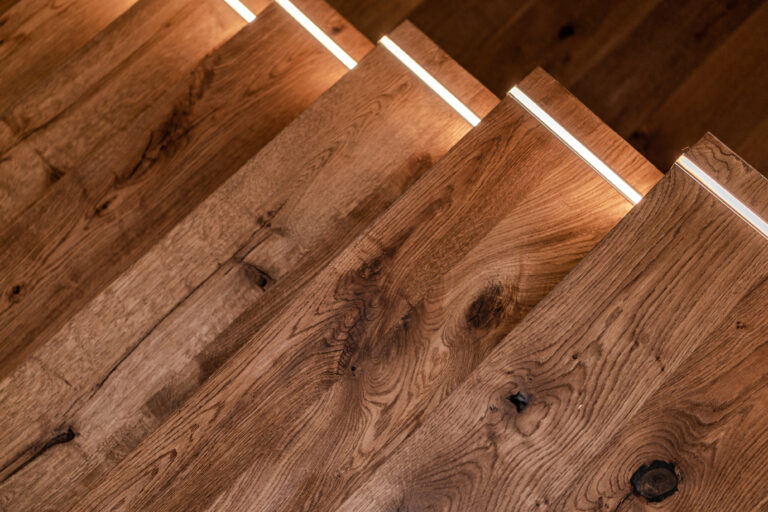
  • dim lighting at night
  • a rug that shifts slightly
  • reaching just a bit too far

Individually: manageable
Repeated daily: exhausting—and risky

What I wish I knew:
Fix the small things early. They matter most.


3) If It Looks “Medical,” It Probably Won’t Get Used

https://images.openai.com/static-rsc-4/6VeqwH8Wg5GWp1y5NEijD6CYYfUOjqDULb5It_Mwg56neBQxp9Bb9-Wpt1GWj2wo8-vFYT7pnJNAVbpEc-27Ce3Di1P1d2yd2qUyNTqmmecfZv1V1VF2uHGOzthGNjKIdQ8_QUicDmokX7oscjXgWss1ndBR7UgKb5xKBAs4HpxNDjRrXVuUzG2VYNdrXc_c?purpose=fullsize
https://images.openai.com/static-rsc-4/rJjd1yg7NGVf9jWXc7dFNVvvhzDOfVC8WbL9IUhkkQ9pTrtehrLKurHFcQr_74HTv8gEmTVjJDJfWQyR2lu-j73iSgzq6bR0oaZxvXY5Bu8Qy6GADDv6jc0mXHa4WNg1PZwbeGqZri-1diTS1LbsHEzyhB-gjCfaps6d8fxMNL_ZYPwXrVg3NBsgIA6yJZWY?purpose=fullsize
https://images.openai.com/static-rsc-4/KjKTpGDYgNapu0VKfK80JiBkXTIzVj6k_dtrdl2tMfABF4RTn9Iwba9or7DRspR_nqlFgJ2u2P6S9F0727y5W5nK-VZQsdITeApvr4cgYN5-v_Bdry0eNrbELKupFSJGmUeEer_CtMtFSoA9PXOYXBYhMIBO-zejRKgHdreqhm0lj5H4v0HhmFIRT44ckgYf?purpose=fullsize

6

This one surprised me.

Even helpful tools get resisted if they feel:

  • clinical
  • obvious
  • out of place

What I wish I knew:
Design matters. A lot.

When something blends in, it gets used.
When it stands out, it often doesn’t.


4) Lighting Changes Everything

https://images.openai.com/static-rsc-4/6h9p7tMpktwEcVwSYi4Vmc_VypkF2-2UhXhwWK5to7KtnqWjYwhCJ9aQz0cBXlXPZAEy_mFSi_5iV-OV9unAoTCdygyWFLtsIYZptkCyFBuQaEjmFkNtGaHH1NXA0CvGqY5NHro80oBBkISbQHTNqHUSDj40VZfPA5Wdv1gq-ayk569YeAfiHia7LYjGZhjI?purpose=fullsize
https://images.openai.com/static-rsc-4/s8EXs-cdJe3s_JToCi_nh9jITUN3LIXMLR8lmG09k8-U5xb4nMpjuCi2_IKYmJzxFYXwZUZSh0fIF9vC99lSDttPGJXz_YE1aO2d1sStBt0YTw0MmpwCUTIaiIUcUI169Z7VSoTddao6TJxihMa6C04poHj2UQ8MeY8RD7fSQOP-17Ed3Zc7_BlHXZN8mfrF?purpose=fullsize
https://images.openai.com/static-rsc-4/vfVD059IJMUnsOPIqntIxrF6sCG7y-0ODUyDgEz-kDI29ufKEqMJLBzNw5buBmiZTJtsDH_BP5jEq2sPsfqvdYz5WPgHerwsg9uDwJP9SNYi5iq7ZZ2bTQfGuSNy_NhWLV8bbSNK6qgT6_l322fXMpYKflkpdWEazFf-ACzLfpbsive-hy5TmVUt_F02zDwq?purpose=fullsize

4

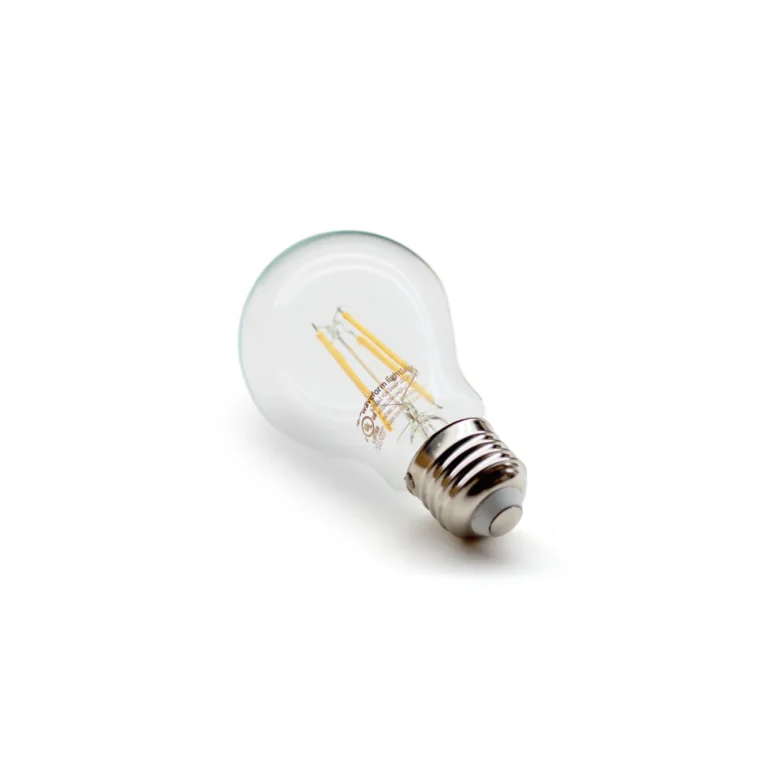
This is one of the highest-impact, lowest-effort upgrades.

What improves immediately:

  • Confidence moving at night
  • Ease in the kitchen and bathroom
  • Overall comfort

What I wish I knew:
Better lighting solves more than you expect.


5) Independence Comes From Environment, Not Willpower

https://images.openai.com/static-rsc-4/JNp2EFdnf9tcRFnvg0PTWJZuyCp_v-uCEMgZptnJVShrQSsK6W9puj7JkLixtuUSOiZyNI--0S2sz-_ZlJufNsNRA2OyDzTQXILRUIlwxypMnZx1M9UpV333zGgR5MnetC6mcT7Ebuq7hdxGHc6mn8z4rKeA0wy0CRqmJcfCoXflKfV7P9ZOfIt4cXNRX9J2?purpose=fullsize
https://images.openai.com/static-rsc-4/30-GpkE1j9Hx5TI6L2I-g_szDyQWg6F6mI72EDa0s-HjVh6w7OXGRbZNON8KsqRBWz-_8e5kNlqsx7nKRxOhrMdtJQpx2uhMo-ClypHWl3HDn3Xb1Vz_wU5hkC1M1gdfkQcrd0jLlaX82lfE1eZxE1L7ByRCOqlIjPsxHPTws7Fhqia_t8zMYxO4x9L8twH4?purpose=fullsize
https://images.openai.com/static-rsc-4/RCLg0aGwmDT-9QWCfRTTQ0U54qS9gZ-araRxuN19V9fmZpcfoGBIrEKEn734-bEIwXYMeNfxlybVSVoBQmG3ttt-PL7WRASNLpRWAHsTbAF2TDnTTaFzVna6Zfk0Oayg8SRp0KLqucIz1veZQ88HHlsn2xWWLVvD-yBukEuiLN-V_4p7q9LOHJ6YgO4V50Ux?purpose=fullsize

6

You can’t “encourage” independence if the environment makes things difficult.

What actually helps:

  • Items within easy reach
  • Clear pathways
  • Simple, predictable setups

What I wish I knew:
The home either supports independence—or quietly takes it away.


6) Nighttime Is Where Everything Changes

https://images.openai.com/static-rsc-4/7SSXZy66htUmdWoGYRVPWzhRdnsmsB7xhuR20Ua8myaabipNWGR6L4UmTXl1mgH59C6lzhCyCV6_92hp9sGO1emxuzQ-s1KB5C6PKOi9JDnQk1dsU8ETm-BJ7ley0KufS3FFRtNbLWxxGpnqfFoET-alUmMT0K0u4qoOiQzUgv554UMR3L5gvsfBeNS9MIAb?purpose=fullsize
https://images.openai.com/static-rsc-4/PgnwaX9q1pH3mGWYoupnHIHVhWp7vjrl0OMRsLKtzWR3uaE6wQC5B3zoJ2CyDcIlNuseCJWpsN_-jxjmWJaaNzgwc1ovknuVUEYSQcpCFpZo-YI_MCSfFtFHhEOehUG7KQ3RzKhFp3PYXMK3aXIZltLD7awIMhh6NNj1cOE872R4EuIoI3aaOQLCWqIPzhpm?purpose=fullsize
https://images.openai.com/static-rsc-4/dfzO_OXewJt1Il2spCz5rSGRorHsk-P2rSfkL3oXtv51sNTPEv7-z5jZNp-WJXYhUbKTPODqIZPLCNHPxXZRub1gqCG680jwnOmaT7fCt6SFGEQOoaYih4GqUJzt5TCHdz0P71SapzhR-o7dsriBkyyaAex0azWzPJtOs7Z3NP-O5P1ItWY0_pdIMO14tyZJ?purpose=fullsize

7

Daytime can feel manageable.

Night is different:

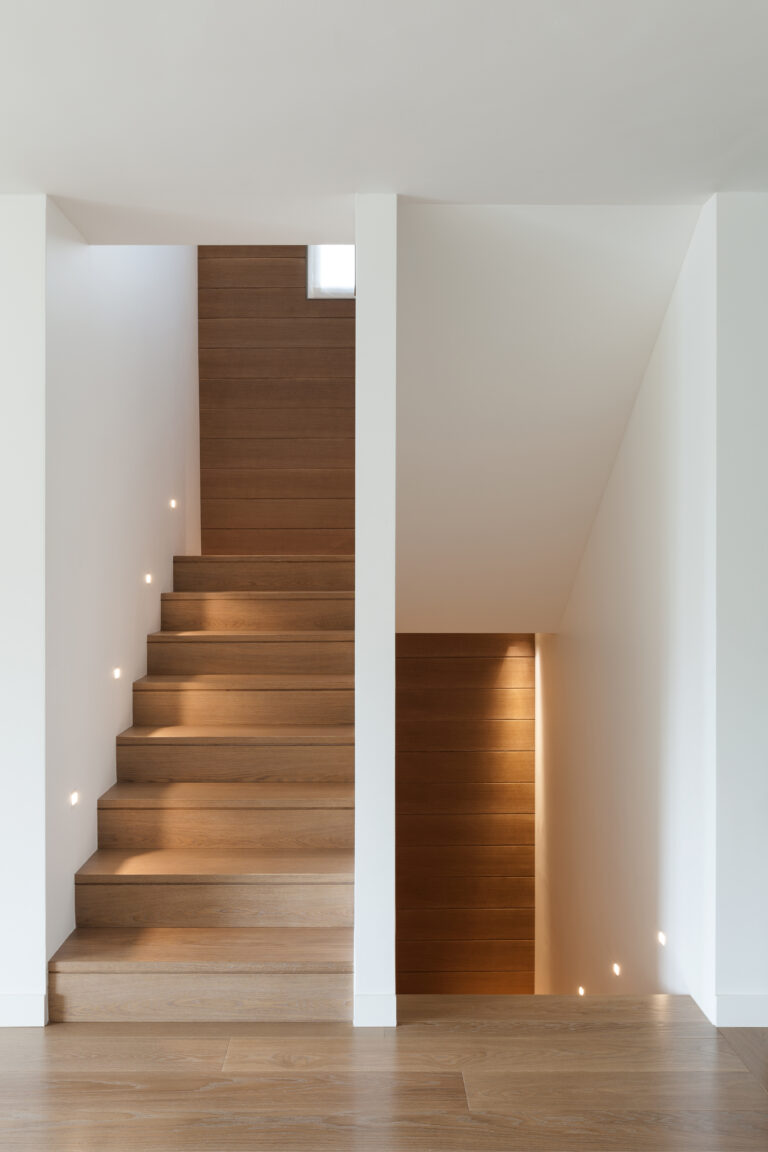
  • lower visibility
  • lower energy
  • higher risk

What I wish I knew:
If you fix nighttime movement, you prevent a large percentage of problems.


7) You Don’t Need a Renovation—You Need Awareness

https://images.openai.com/static-rsc-4/RSl6xzk6PPvJUZ_XfKgCn5qmIWasXSPjYnOn4zIZzF5mbd9U9Pvigqc44QN3SmbGnGDFRCQuOBodmT4C89n4ARirKCxDW2HH29_vY-q1BzBmR9iswBGib4EvFgrfygg7k0QwFTZxb-4TXuPdoJ8t_2M6gRDqMOXbds0fVBkj4gQQTfgPLEXMsUVfLgcE0NSt?purpose=fullsize
https://images.openai.com/static-rsc-4/MJ1_5MUPejM54DotyRCJZhVAyfh8hZcFVxafAcE2sveAntKHut4yYaHnKK0h0EvzgU45KxfiipOhVl5sVFwpOprY3nSTXERqIsU7GzMRCNvaeOeaboZ06Otmo1MHrR8Cf4cxl09O03ke-xYQ6s-l0FMhiTx9YRyXT32n51CSnZFXd-Dj6Vvbk3b4gvrK9VKf?purpose=fullsize
https://images.openai.com/static-rsc-4/zPlQrE599iSkcsCyVmWStYnUcOu1AvZQj7LAcqV96q2hM52ROFmr34tEhiBqL8i94jc9xspUm5szx7KbMHIfmKbUmmn1mX_QgYCs2VU2jZv0gXw-qO9IYU3EiwdK7QDd2YOF0RYbDpNPujJQrw_wcTezKP8EazkD94Rm73ZX3qYEvRHctAkc_TAMYkzQB3f3?purpose=fullsize

7

I thought helping meant big changes.

It doesn’t.

It means:

  • noticing patterns
  • removing friction
  • simplifying systems

What I wish I knew:
Most improvements are small—and immediately effective.


8) You’re Designing for Their Dignity, Not Just Their Safety

https://images.openai.com/static-rsc-4/XcDPjmdYPmLhvFlvzWuybQuEPygBin5LJ1_Z0WTPAIHnAh6ZISklesshSEanmqKHh_WOUOX6fQT_EyiuiOFVo4YFXj44_IjbHPS7pAaAvkDED9NUPLo-WljbExb2RzOnsfo_jWJnKXKoitLxSeTli6AFu2mRBBnOKzpHY6uMmGtW5XrJPGFYh7YqA0-CUp5r?purpose=fullsize
https://images.openai.com/static-rsc-4/vpE-moP3AXpFgPD3figJAw71ochc27xe3Ksl_jNccWDVo762EDT_Sw7eDQIWrR4ypvXDUJWVRpnWIXWfP8kOL_tKYhccXh9Hl_5FIG235vMQa-ADtp-CCBUsy770QbkHAK4Iy6oegcjSNsKRzH-itEz02gZPbaogSbHSlQTvTlkAhsBHsASpaoopaecFPNnV?purpose=fullsize
https://images.openai.com/static-rsc-4/dbaahDsxFlvG5ZgzxPnyZkPUlZNr-xJr5fShjtimZjIlLQ7wIdB2iy35a0hlNKZo4RDCd4d7U4R8IsYD_8hZwYwlOAMyXbHxOvWkqEGKWFw8kNYW7pQLPcJSgEwUQa-8_1T2Hb2Tgxp9jXO1lH3SymkT925mdPrg4tkqfXLy74to6-oIpHIbtDZoNYglEvu2?purpose=fullsize

7

This becomes the guiding principle.

Every decision asks:

Does this help…
without making them feel like they need help?

What I wish I knew:
Dignity is the real priority. Safety follows when dignity is respected.


The Quiet Realization

Helping a parent at home isn’t about taking over.

It’s about:

  • observing more closely
  • adjusting more thoughtfully
  • designing a space that supports both of you

The Well Aged Home Perspective

The best homes don’t make caregiving visible.

They make it almost unnecessary.

Because the environment itself:

  • reduces effort
  • supports movement
  • preserves independence

And that’s the shift:

From helping constantly…
to creating a home that quietly helps for you.

So both of you can simply live inside it—with more ease, and far less strain.

Related reading: 7 Tech Tools That Helped Me Keep My Aging Parents Safe at Home | Products Occupational Therapists Love | Under $50 Home Upgrades That Prevent Falls


Shop This

Things I wish someone had handed me at the start—products that quietly make a real difference.

Disclosure: Some links on this page are affiliate links. We may earn a small commission at no extra cost to you.

Similar Posts

Leave a Reply

Your email address will not be published. Required fields are marked *