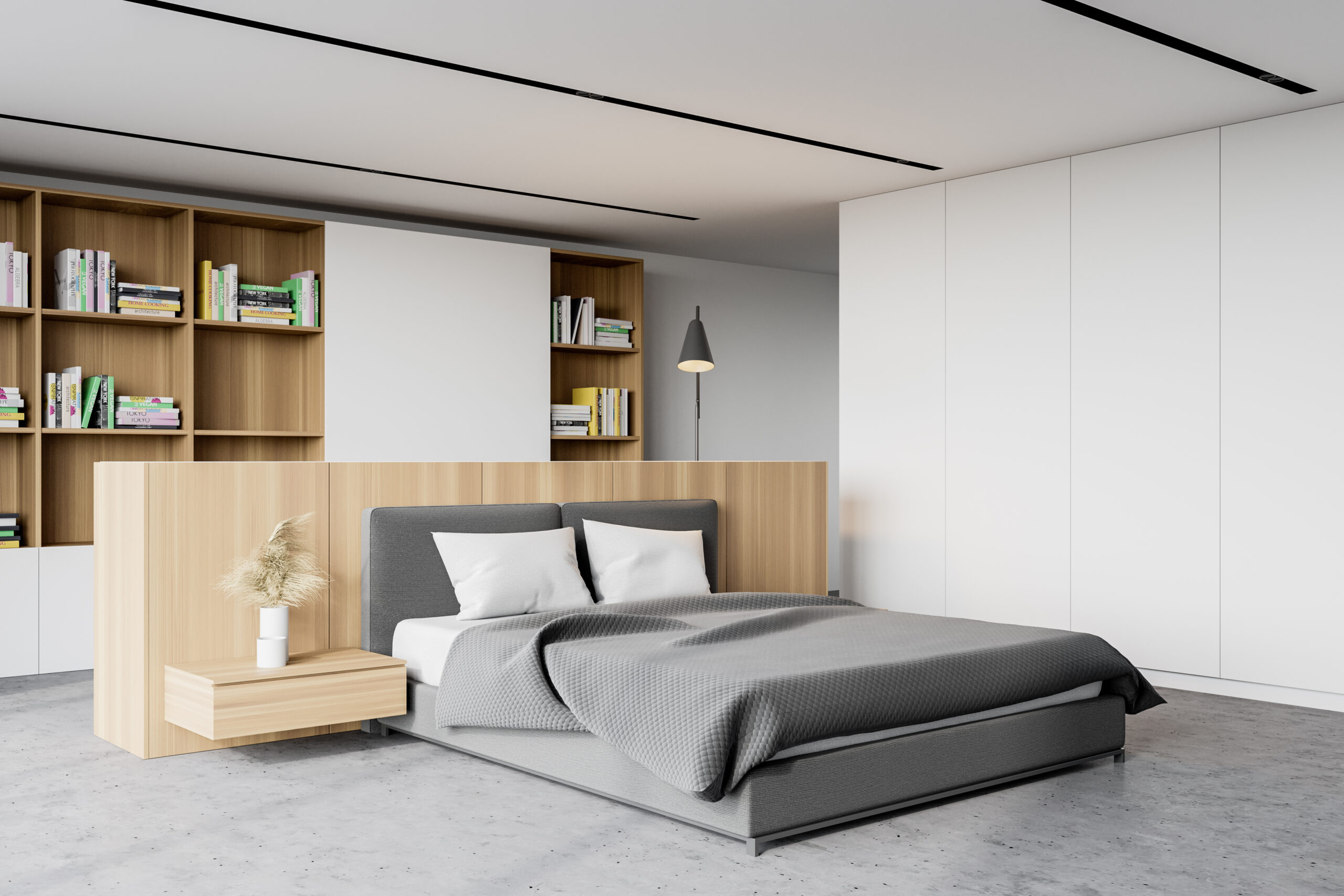
Bedroom Safety for Aging in Place: The Complete Guide
This post contains affiliate links. If you buy through them I may earn a small commission at no extra cost to you. How that works.
Disclosure: Well Aging Home participates in affiliate programs. If you buy through our links, we may earn a small commission at no extra cost to you.
The bedroom feels like the safest room in the house. But bedroom falls — particularly getting in and out of bed and nighttime trips to the bathroom — are among the most common and most serious home injuries. This guide covers what makes a bedroom genuinely safe for aging in place, without making it look or feel like anything other than a beautifully designed sanctuary.
Bed Height: The Foundation
A bed that’s too low requires significant knee and hip flexion to rise from. A bed that’s too high means feet dangle off the edge — unstable when stepping down. The ideal: feet flat on the floor when sitting on the edge, knees at approximately 90 degrees — roughly 20–23 inches from floor to top of mattress.
Bed risers add height easily. A lower-profile box spring or platform frame brings it down. Getting this right eliminates a dangerous transition that happens dozens of times a week.
Lighting: The Path to the Bathroom
Most bedroom falls happen at night. Motion-activated night lights are the single most effective intervention — positioned to illuminate the floor along the bed’s side before you step out, continuing through the hallway to the bathroom. Use amber or warm white LED rather than blue-white: easier on dark-adjusted eyes and doesn’t disrupt sleep hormones. The bedside lamp switch should be immediately reachable from bed, without leaning or stretching. A touch lamp, smart switch, or lamp with a remote solves this elegantly.
The Nightstand: Keep Everything Within Reach
Glasses, phone, water, and any medications taken at night or first thing in the morning — all on the nightstand, not across the room. A phone within reach is also critical if a fall occurs and standing isn’t possible. The nightstand itself should be stable enough to support weight if leaned on — not a lightweight accent table.
Flooring and Rugs
The area beside the bed — where both feet land first — is a high-risk zone. Any rug here needs a quality non-slip pad plus double-sided tape. If it slides, bunches, or has curling corners, remove it. Smooth hard flooring (LVP or wood) is actually easier for walkers and wheelchairs than carpet. If carpet matters for warmth and acoustics, low-pile or cut-loop is acceptable; thick plush creates instability and resists walker wheels.
Furniture Arrangement: Clear Pathways
There should be a clear, unobstructed path from bed to door and bed to bathroom. Walk the route in the dark with eyes half-closed to simulate nighttime conditions. If you stub your toe or change direction, the path needs to change. Sharp furniture corners at shin or hip height near the bed deserve particular attention — round-cornered alternatives or corner guards are worth considering.
Closet Organization
Reaching overhead, bending to low drawers, and stepping over floor-level clutter are all fall risk factors. Keep daily-use items between waist and shoulder level. A proper step stool with a handle (not a chair) for anything higher.
Temperature Regulation
Overheating during sleep causes night sweats and interrupted rest, which leads to grogginess and impaired balance on early morning bathroom trips. Temperature-regulating bedding and a bedroom kept at 65–68°F optimize sleep quality and morning steadiness.
The Bedroom as Sanctuary
A safe bedroom looks no different from a beautifully designed one. The right bed height, clear pathways, warm floor-level lighting, a stable nightstand — these are the same things that make any bedroom comfortable and well-designed. Start with bed height and the nighttime bathroom path. Those two changes alone eliminate the majority of bedroom fall risk.
Related Reading: Bedroom Safety Essentials
Explore the specific products and setups referenced above in more depth:
- The Best Air Purifiers for Better Sleep
- Bryte Balance Smart Mattress Review
- The Aging-in-Place Case for a Smart Mattress: Eight Sleep Pod Review
- The Best Adjustable Beds for Seniors
- Best Bed Rails (Minimal + Secure)
- Bedding That Regulates Temperature
- The Ideal Nightstand Setup for Safety + Ease
- Bedroom Layout for Better Mobility
- Best Mattresses for Back Pain + Aging Bodies



2 Comments
Comments are closed.