Complete Guide to Aging in Place: What to Do, In What Order

Quick Answer

Aging in place means making decisions about your home before you have to. The most important changes: bathroom safety first (grab bars, non-slip flooring, curbless shower), nighttime path lighting (bedroom to bathroom), flush floor transitions throughout the home, and lever hardware on doors and faucets. Most homes can be made significantly safer for under $500 and without looking clinical.

Read This in 10 Seconds

  • Aging in place is achievable for most people — but it requires intentional preparation
  • Start with safety modifications before mobility aids or medical equipment
  • The bathroom and bedroom are the two highest-priority rooms
  • Falls are the leading cause of injury-related death in adults over 65 — most are preventable
  • The best time to make these changes is before they’re urgently needed
  • This guide covers what to do, in what order, room by room

Most families think about aging in place too late — after a fall, a hospitalization, or a mobility shift that makes the conversation urgent. The decisions made under those conditions are rarely the best ones. This guide is for families who want to think clearly, plan ahead, and make changes that work for the next 20 years.

Everything here is filtered through one lens: what actually makes a home safer and more functional for aging, without making it look or feel like a care facility.

“The homes where people thrive into their 80s and 90s are almost never accidents. They were designed for it — usually by families who started thinking about it years before they had to. This guide is everything I would tell those families at the beginning.”

— Rachel

The Rachel Method: How to Think About This

The Well Home Method asks four questions, in order: What is the highest fall-risk moment in this home? What modification costs the least and reduces that risk the most? What will this home need to do differently in 10 years? And what changes can be made now that cost almost nothing to reverse if they turn out to be wrong? Answering these four questions produces a better modification plan than any checklist.

Start Here: The Rooms That Matter Most

Room Priority Order

  1. 01
    Bathroom — always first.The bathroom causes more fall-related hospitalizations than any other room. Grab bars, non-slip flooring, a handheld showerhead, and a shower seat are the four changes that address the majority of bathroom fall risk. Total cost: under $300 in most homes.
  2. 02
    The bedroom-to-bathroom night path — second.The most dangerous moment in home life for adults over 65 is the middle-of-the-night trip to the bathroom. Clear path, correct bed height, and motion-activated lighting along the full route. This takes one afternoon to address completely.
  3. 03
    Stairs and thresholds — third.Non-slip treads, secure handrails, contrast on step edges, and flush transitions between floor surfaces. Stair falls are catastrophic. Most are preventable with changes that cost under $100.
  4. 04
    Kitchen and daily function — fourth.Lever faucets, pull-out shelving, appliances at accessible heights, and adequate task lighting. These changes preserve the ability to cook independently, which is one of the strongest predictors of continued at-home independence.

Bathroom Safety: The Complete Picture

The bathroom is where to start, always. The changes here have the highest safety return on investment of anything in the home, and most of them cost under $50 each.

Bathroom Aging-in-Place Checklist

Complete Bathroom Assessment

  • Grab bar at toilet — into studs, rated 250 lbs minimum, 33—36 inches from floor
  • Grab bar at shower entry — vertical bar for stepping in and out
  • Grab bar inside shower — horizontal or angled, for balance while bathing
  • Non-slip shower floor — textured tile, adhesive strips, or secured bath mat
  • Handheld showerhead — 60-inch minimum hose, ideally on a slide bar
  • Shower seat or bench — fold-down or built-in, stable enough to push up from
  • Curbless shower entry — no step-over threshold (ideal; retrofit where possible)
  • Lever faucet handles — no round knobs
  • Night light — motion-activated, low placement
  • Contrasting toilet seat — if floor and toilet are the same color

Flooring: The Surface Everything Happens On

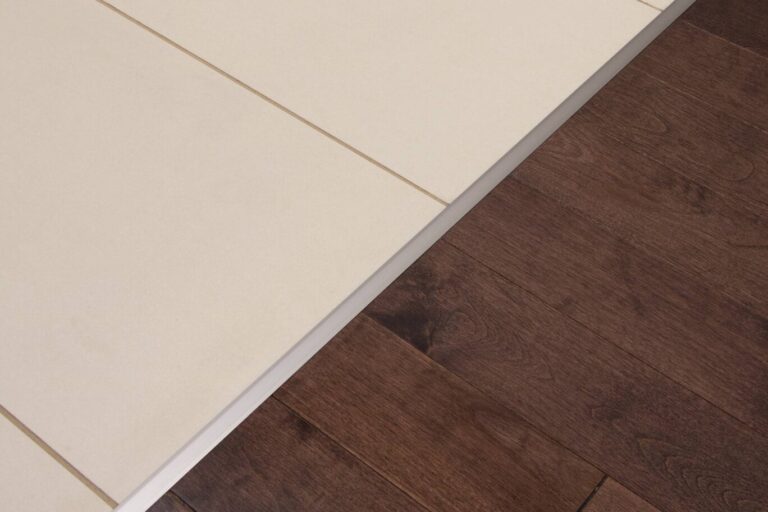
Most flooring decisions are made without aging in mind. The criteria that matter: slip resistance when wet, flush transitions at thresholds, and a surface that doesn’t catch on shuffling steps or mobility aids.

Rachel’s Verdict on Flooring

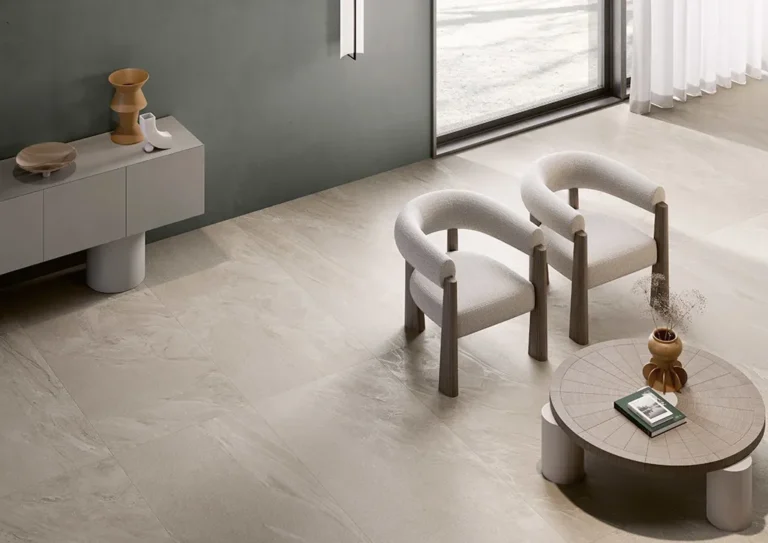
Luxury vinyl plank for most of the home. Textured porcelain tile in wet areas. Low-pile carpet in bedrooms only. LVP is the single best all-around choice: slip-resistant, cushioned, easy to clean, and available in beautiful designs. Avoid polished stone, high-gloss tile, and deep-pile carpet in any high-traffic area. The transition between floors matters as much as the surface itself.

Lighting: The Most Underestimated Safety System

Lighting changes are almost always the lowest-cost, highest-impact safety investments in a home. Most homes are dramatically under-lit in exactly the places it matters.

Worth paying more for

High-CRI (90+) LED bulbs throughout the home. Standard LEDs often have CRI ratings of 70—80, which makes color and depth perception harder. The difference is visible to anyone over 60 and significant for safety.

Smart Home Technology That Actually Helps

The best smart home technology for aging is the kind that works passively — without requiring someone to remember to use it.

Skip this if

You’re considering any smart home system that requires daily interaction to confirm safety (pressing a check-in button, opening an app). These systems have high dropout rates. Passive detection systems that alert only when something unusual happens are far more reliable long-term.

The Right Order for All of It

Implementation Sequence

  1. 01
    This week: grab bar at toilet, night lights on bedroom path.These two changes cost under $60 total and address the two highest-risk moments in home life. Do these before anything else.
  2. 02
    This month: complete bathroom assessment, lever hardware, stair treads.Complete the bathroom checklist above. Replace round door and faucet knobs with levers. Add non-slip treads to stairs. Total cost: $150—$400.
  3. 03
    This year: flooring upgrades, kitchen modifications, bed height correction.These are the changes that benefit from more planning and potentially professional installation. Start with the rooms that see the most daily use.
  4. 04
    Long-term: bathroom renovation, entry modification, single-floor living.These are the structural changes that require significant investment but have the longest return. A curbless shower remodel done now is worth far more than the same remodel done after a fall.
Total Home Modification Budget Guide

Under $500
Essential Safety Layer

  • Grab bars throughout bathroom
  • Non-slip mats + rug pads everywhere
  • Night lights: bedroom, hall, bathroom
  • Raised toilet seat
  • Handheld showerhead
  • Lever handles (doors + faucets)

Prevents the majority of common household falls.

$500—$3,000
Solid Foundation

  • Comfort-height toilet replacement
  • Stair handrail reinforcement
  • Flooring transitions smoothed/flush
  • Smart doorbell + video monitoring
  • Medical alert system setup
  • Bedroom adjustable bed base

Locks in long-term livability with durable improvements.

$3,000+
Full Aging-in-Place Renovation

  • Curbless shower conversion
  • Widened doorways (36″ for wheelchair)
  • Roll-in shower or walk-in tub
  • Main-floor bedroom/bathroom if needed
  • Stair lift or elevator
  • Full kitchen accessibility remodel

Structural changes supporting decades of independence.

Frequently Asked Questions

What does aging in place mean?

Aging in place means choosing to remain in your own home as you grow older, rather than moving to assisted living or a care facility. It involves making intentional modifications to the home and building habits and support systems that allow independent living to continue safely for as long as possible.

How much does it cost to make a home age-in-place ready?

The most impactful changes cost very little: grab bars ($25—$80 each), night lights ($10—$15 each), stair treads ($20—$30), and lever handles ($15—$30 each). A comprehensive safety upgrade covering bathroom, stair, and lighting improvements can usually be done for under $500. A full bathroom renovation for aging in place runs $8,000—$25,000 depending on scope.

When should you start planning for aging in place?

Now — regardless of age. The families who navigate aging in place best are the ones who start planning before anything feels urgent. Changes made proactively are cheaper, less disruptive, and made under better conditions. The average cost of a home modification doubles when made reactively after a health event.

What is the most important aging-in-place modification?

A grab bar at the toilet. It costs under $50, takes under an hour to install, and addresses the single most dangerous daily bathroom moment for most aging adults. It’s the first change I recommend to every family I work with, regardless of the person’s current age or mobility level.

Start With the Most Important Room

Similar Posts

Leave a Reply

Your email address will not be published. Required fields are marked *