How to Design a Home You’ll Never Have to Leave
Disclosure: Well Aging Home participates in affiliate programs. If you buy through our links, we may earn a small commission at no extra cost to you.
There’s a question worth sitting with before you renovate, before you research grab bars and walk-in showers and stair lifts: do you actually want to stay in this home for the long term? And if so, what does that require? The honest answer shapes every subsequent decision. This guide is for people who have answered yes — who want to design a home they’ll never have to leave — and want to know what that actually takes.
Start With the Floor Plan
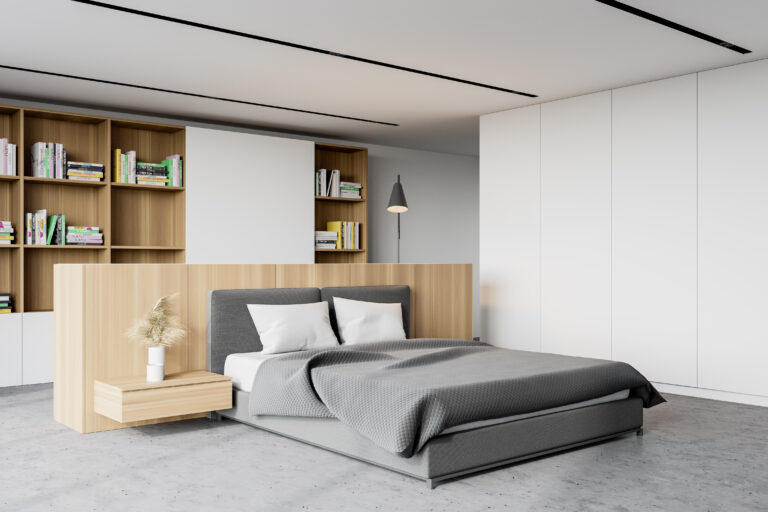
The single most important factor in whether a home can support aging in place is whether it has — or can be configured to have — a full bedroom and bathroom on the first floor. If the primary sleeping and bathing happens on the first floor, most of the significant mobility challenges of aging can be managed without major structural modification. If the home is multi-story and the main bedroom is on the second floor, the question of a stair lift or elevator becomes central to the long-term plan.
Evaluate your floor plan now. If there isn’t a first-floor bedroom option, is there a room that could become one? A formal dining room, a den, a study? The earlier this is identified and addressed, the more elegant the solution can be.
The Bathroom Is the Long-Term Bottleneck
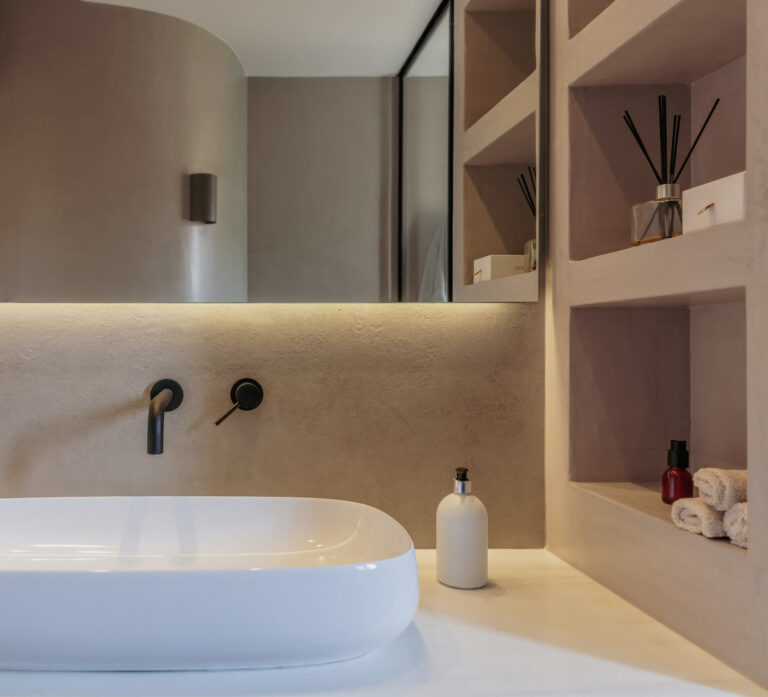
The bathroom needs the most modification to serve aging in place well, and those modifications (curbless shower, grab bars, comfort-height toilet, appropriate tile) are best done as a planned renovation rather than a reactive one. If you’re planning any bathroom renovation in the next decade, design it with aging in place in mind. The cost difference between a standard renovation and an aging-in-place renovation is small when done proactively. The result lasts forever.
Widening Doorways Is Easier Than It Looks
The minimum clear width for wheelchair access is 32 inches; 36 inches is much more comfortable. Most interior door openings can be widened to 36 inches without structural work — just framing and trim adjustments. If you’re doing any renovation that touches walls, this is a good time to address doorway width in the rooms that matter most: bedroom, bathroom, kitchen.
Design for a Range of Abilities, Not a Fixed Scenario
The goal of a home designed for life isn’t to design for maximum disability — it’s to design for a range. A curbless shower is better for a healthy 40-year-old than a tub-shower combo. Lever door handles are easier for everyone. Good lighting benefits everyone. The same changes that support aging in place make a home better for guests, for recovery from injury, for parents visiting with young children. Design for the full range of human life and you design a home that serves everyone in it, better, for longer.
Build in Smart Systems Early
Smart home infrastructure — wiring for automated lighting, conduit for future technology, a hub system that can expand — is far cheaper to build in during a renovation than to add later. If you’re doing any significant renovation, run the conduit, add the switches, install the outlets. The specific devices will change, but the infrastructure lasts.
The Financial Case for Planning Early
The average cost of nursing home care in the United States is over $90,000 per year. The average cost of a comprehensive aging-in-place renovation — bathroom, grab bars, smart home basics, accessible kitchen storage — is $10,000–$50,000. For most people, thoughtful aging-in-place design is not just the preferable option. It’s the financially rational one. Start now, do it right, and build a home you won’t have to leave.