What I Wish I Knew Before Helping a Parent at Home
I designed homes professionally for years before my mother’s mobility changed. The physical work turned out to be the easy part. Here’s what I wish someone had told me first.
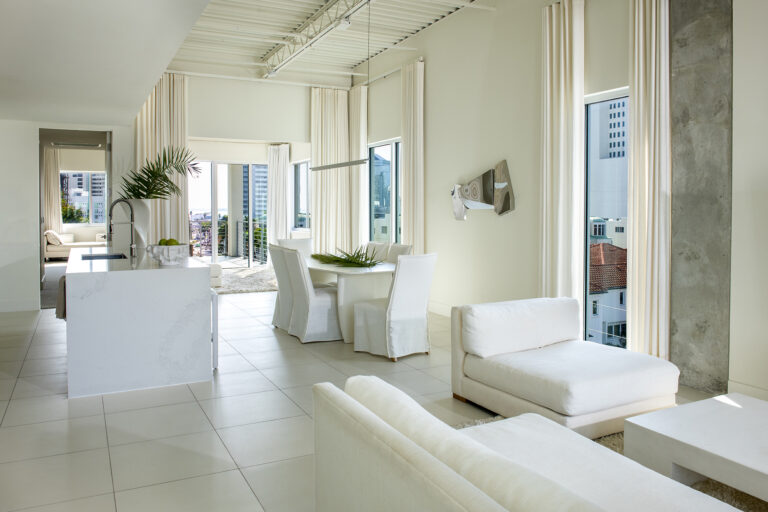
I designed homes professionally for years before my mother’s mobility changed. The physical work turned out to be the easy part. Here’s what I wish someone had told me first.
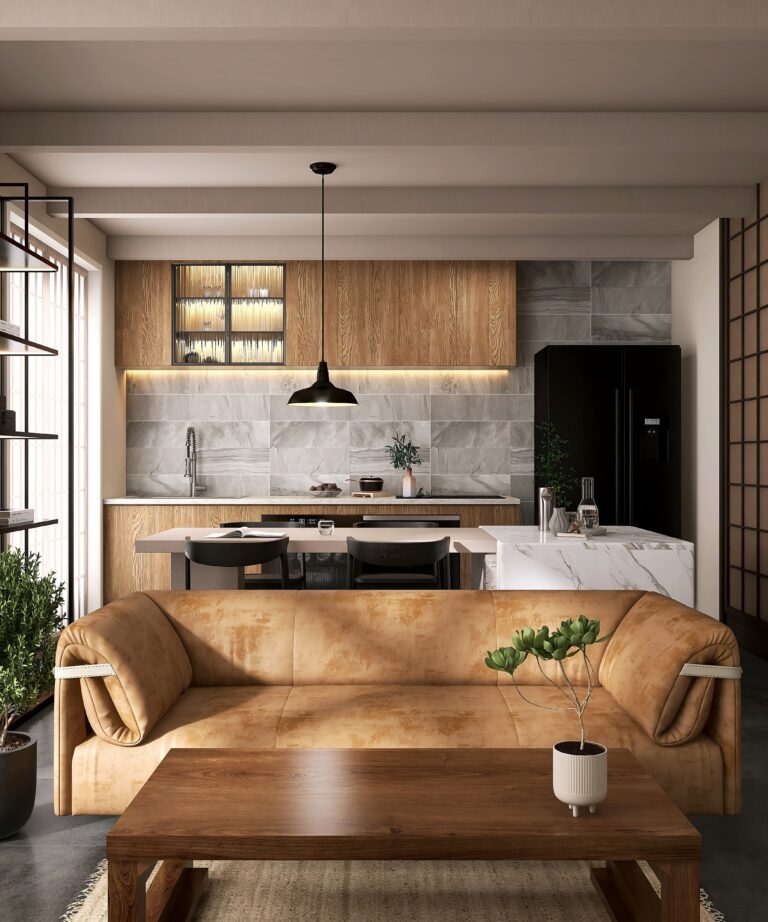
Lever handles, motion night lights, and a handful of other swaps that take an afternoon and $20–$50 each — the low-effort changes with the highest return on daily independence.
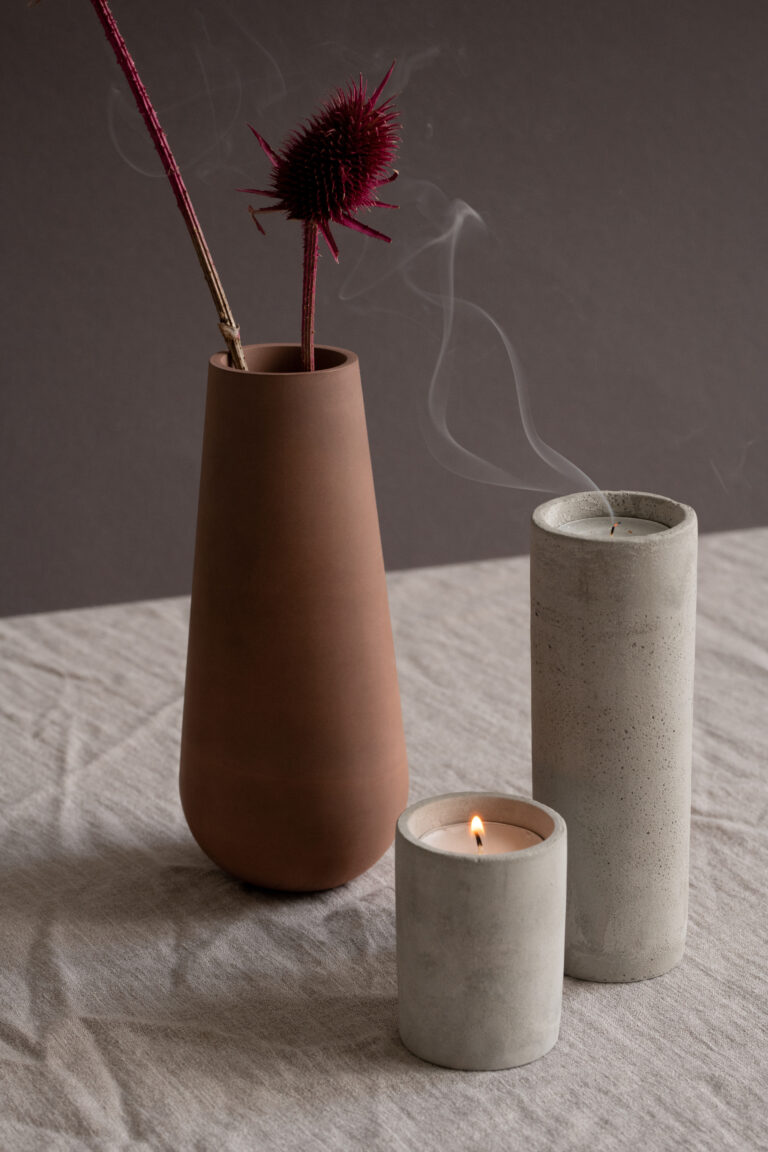
Safety usually gets discussed as grab bars and lighting. But how a space feels affects how well it functions — and familiarity turns out to be its own form of safety.

Aging gracefully is a design problem, not a wellness slogan. It looks like layered light, reachable storage, and a home that quietly stops asking so much of you.
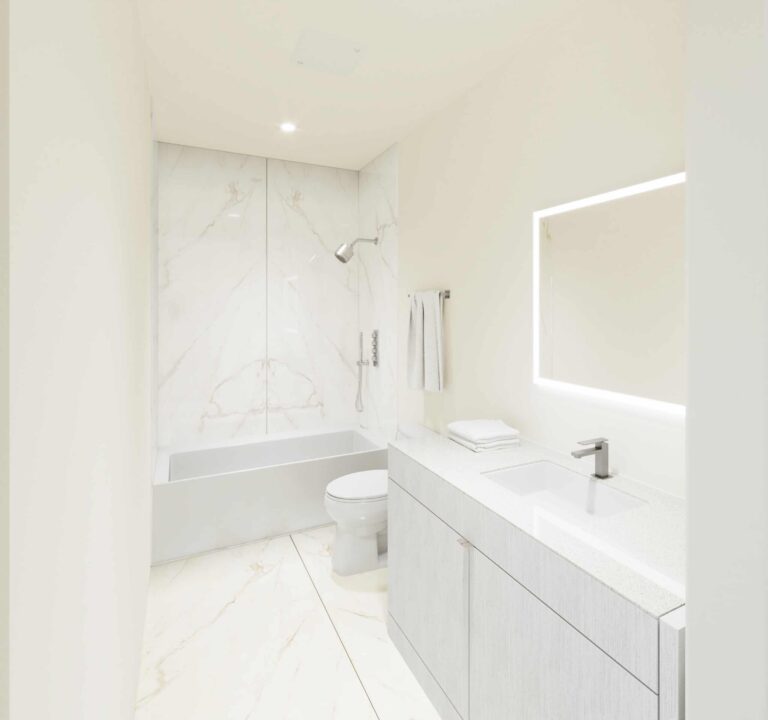
The features that prevent falls are usually the same ones that define high-end design. How to build a bathroom that is thoroughly safe and never reads as accessible.
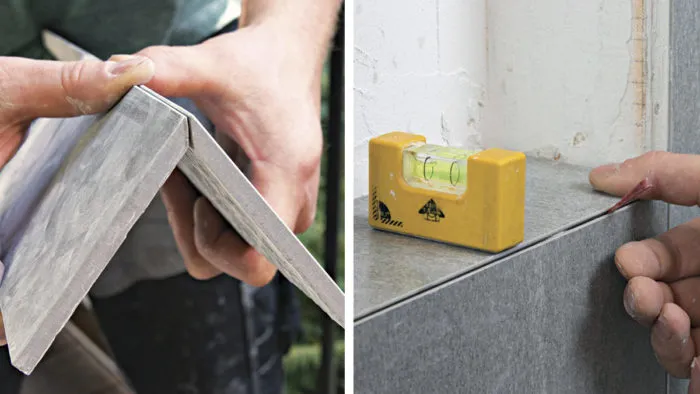
The goal isn’t a home that looks safe. It’s a home that is safe without announcing it — where every safety feature is indistinguishable from a design decision.
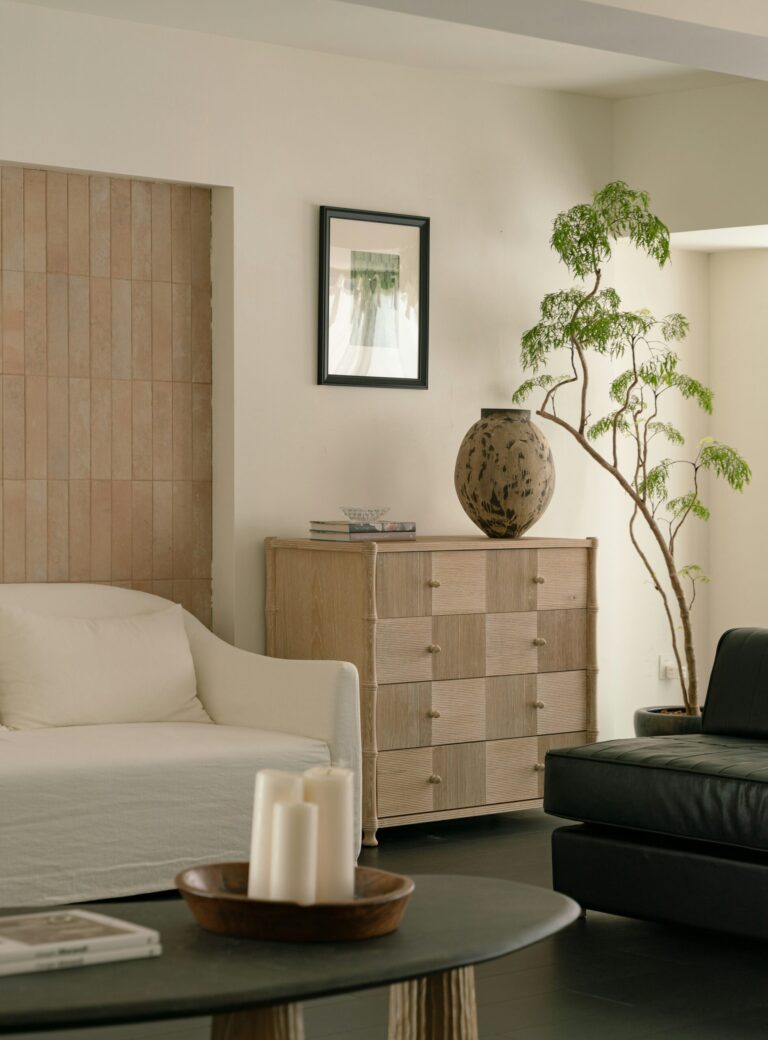
Beige risers, white plastic bars, hospital-grade shower chairs. These products do their job — and they quietly tell the person using them exactly what the world thinks of them.
The difference between a modification that looks clinical and one that simply looks well-designed is smaller than you’d think. It usually comes down to the grab bar.
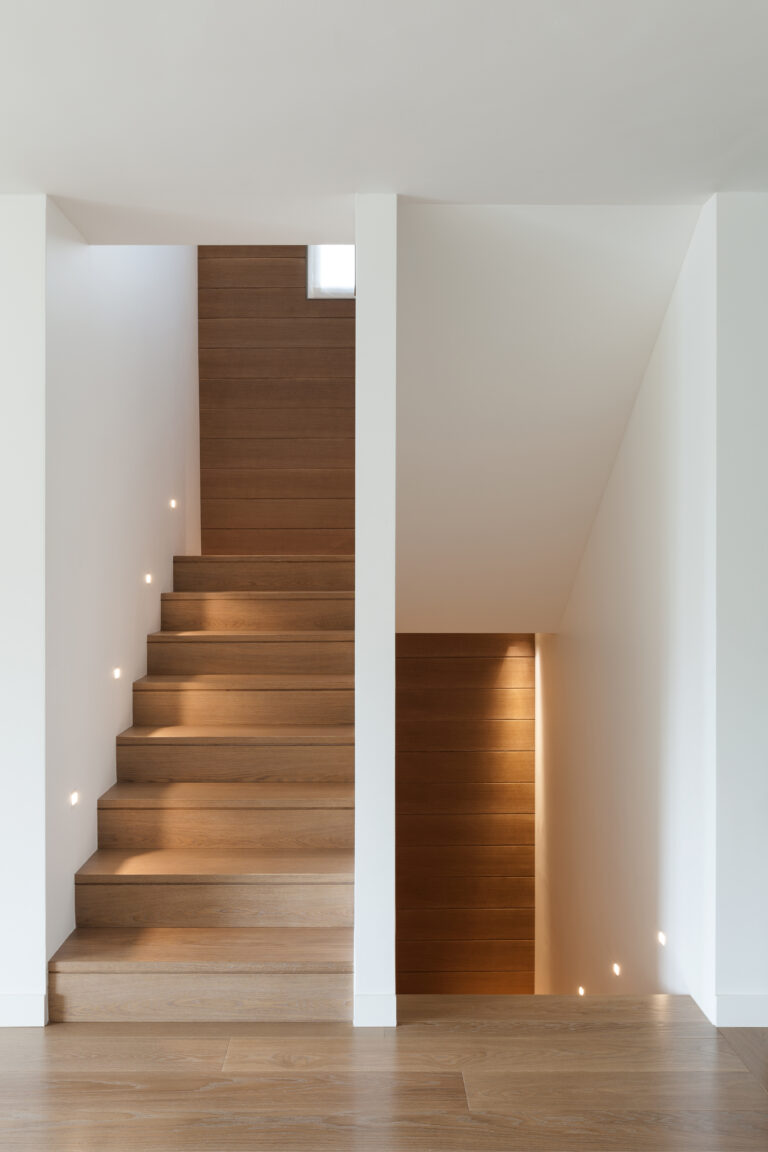
The fall-prevention changes that make the biggest difference aren’t renovations — they’re the subtle ones. Rugs, thresholds, contrast, and lighting fixes you can make in a weekend, from a designer and family caregiver.

Occupational therapists see the same preventable falls over and over. Their consistent verdict: almost every one was predictable from the room it happened in.
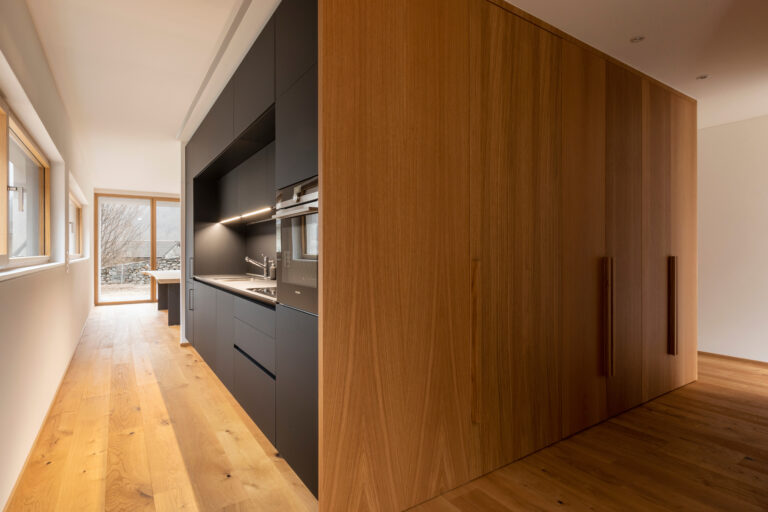
The highest-impact fall prevention available costs under $50 a piece and installs in an afternoon — the interventions OTs and aging-in-place designers name first.
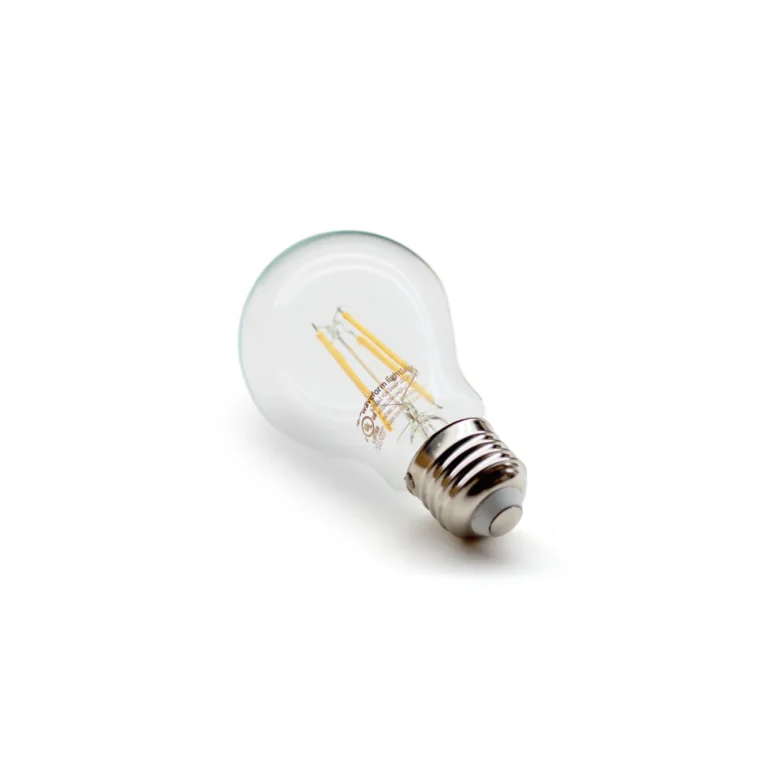
A 65-year-old needs roughly twice the ambient light of a 30-year-old. Most homes are lit for the 30-year-old. How to fix that, starting with lumens instead of watts.
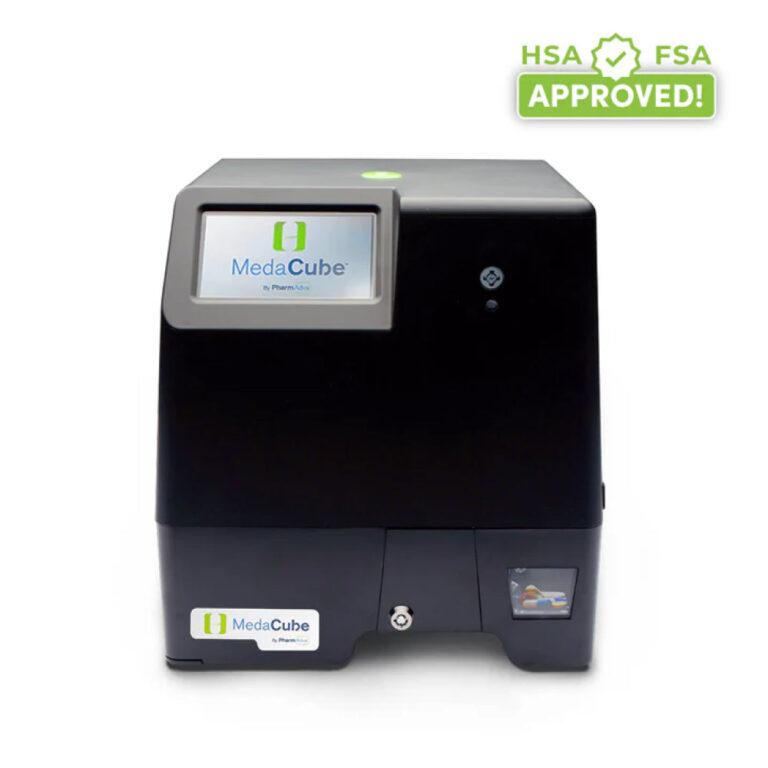
A pill organizer lives on the counter or the nightstand every single day, so it should not look like a medical supply. The best options — plus smart dispensers for complex regimens.
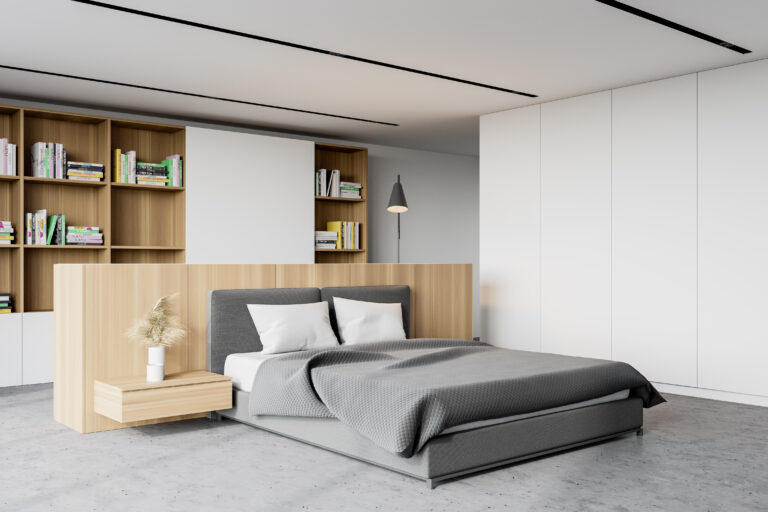
Sitting up, turning over, getting out of bed — moments of real fall risk that happen every single night. Rails rated past 300 lbs that still disappear into a well-designed bedroom.
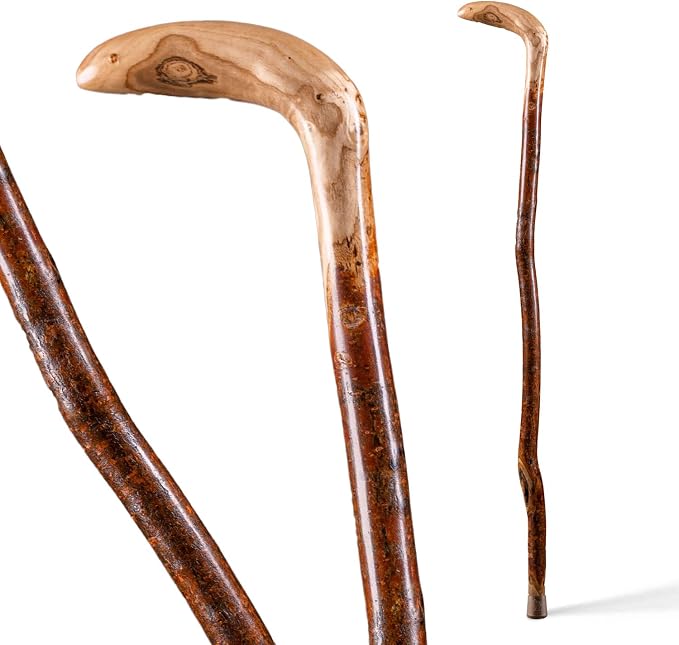
The hospital-issue aluminum tube still works — it just isn’t the only option anymore. Canes with real stability and furniture-quality design, for anyone who’d rather not carry obvious medical equipment.

Support and comfort are not the same thing, and optimizing for comfort alone is how people end up in pain. What to look for by mattress category, and what the evidence actually says.

Firm midsole, wide toe box, low heel-to-toe drop, non-slip outsole — real structural support with none of the thick-soled Velcro. Where to look and what to look for.
The reliable safety and accessibility products hiding in Amazon’s noise — including the no-drill tension poles that work for renters who can’t install a permanent grab bar.
12 beautiful safety changes for aging parents.
Get the Free Guide →No spam. Unsubscribe anytime.