The Problem With Most “Senior Products”
Disclosure: Well Aging Home participates in affiliate programs. If you buy through our links, we may earn a small commission at no extra cost to you.
Walk into any “senior safety” section of a home improvement store or scroll through the category on a major retailer’s website and you’ll find the same products: white plastic grab bars, raised toilet seats in beige and cream, shower chairs that look like they belong in a hospital room, and rubber bath mats in clinical neutrals. These products do the job they were designed to do. They also communicate something very specific about the person using them — and that communication, over time, has a real effect on how those people feel about themselves and their homes.
The Clinical Aesthetic Is a Design Choice, Not a Necessity
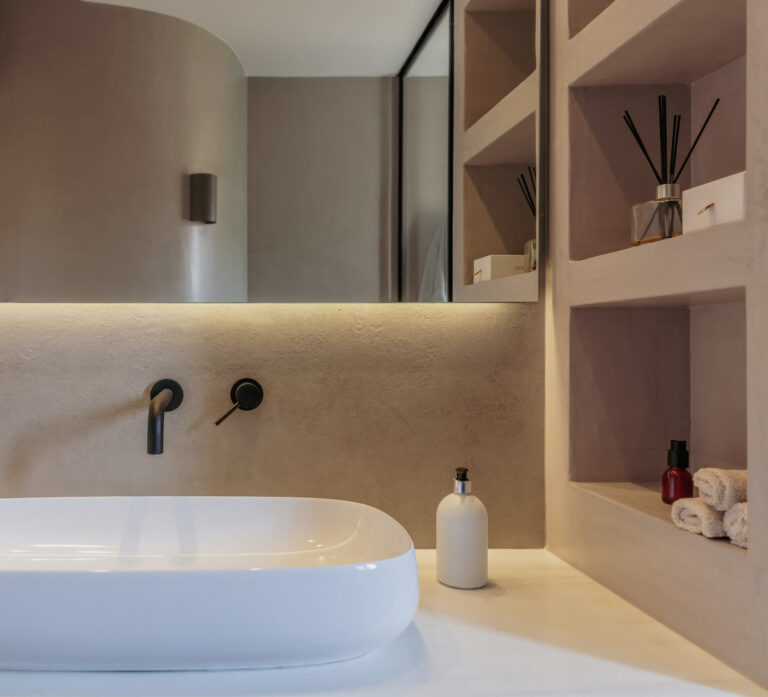
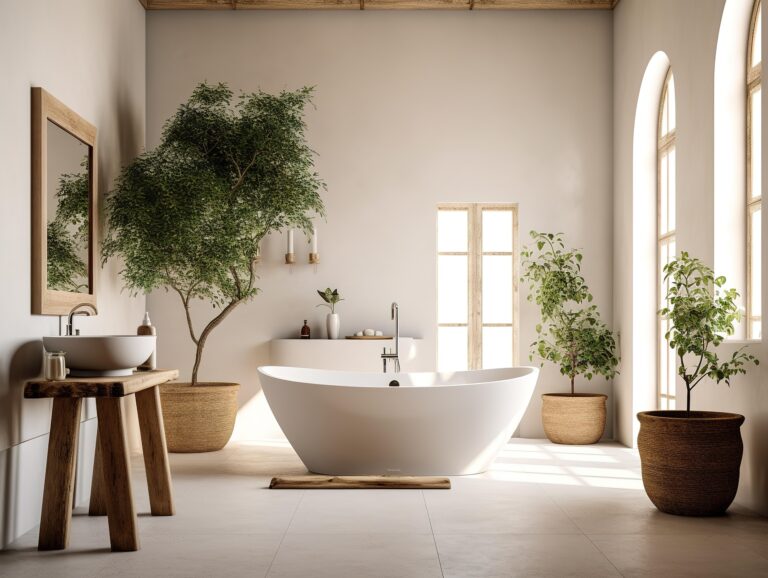
The institutional look of most “senior products” isn’t inevitable. It’s a design choice made by manufacturers who decided their target market didn’t care about aesthetics — or who priced better design out of the category by targeting lowest-cost production. The same grab bar function that a white plastic pipe serves can be served by a brushed brass or matte black bar in the same shape. The same raised toilet seat function can be achieved by a comfort-height toilet that looks exactly like a standard toilet. The same shower safety achieved by a plastic stool can be achieved by a teak bench that looks like spa furniture.
The Identity Problem
When we surround ourselves with products that signal “I need help” or “I am old and fragile,” those signals accumulate. The home begins to feel clinical. Daily life becomes marked by visible accommodations. The space that used to feel like an expression of identity starts to feel like a medical environment. This isn’t a trivial concern — the psychology of one’s living environment has documented effects on wellbeing, mood, and even cognitive function.
What the Market Misses
Most “senior products” are designed to be sold to families purchasing them for parents, rather than to the older adults who will use them. This creates a disconnect: the buyer optimizes for safety and low cost, without full consideration of how the product will feel to use daily, how it will fit the aesthetic of the home, or how the person using it will feel about its presence. The result is products that solve the technical problem while creating a different, more insidious one.
The Products That Get It Right
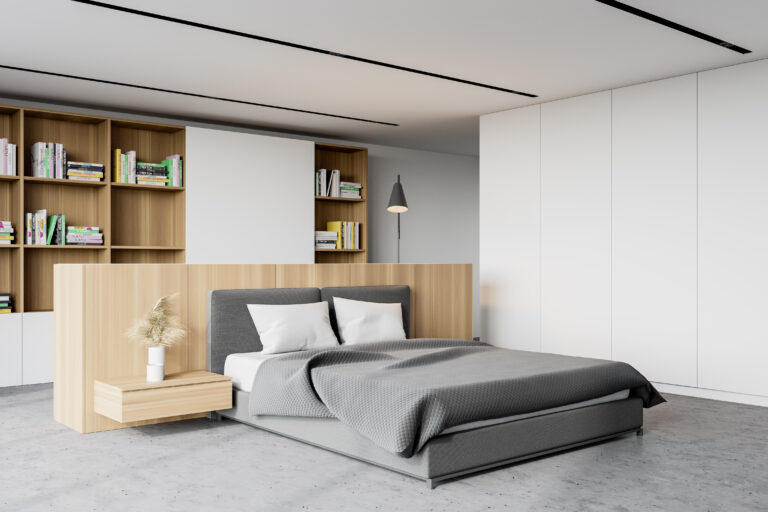
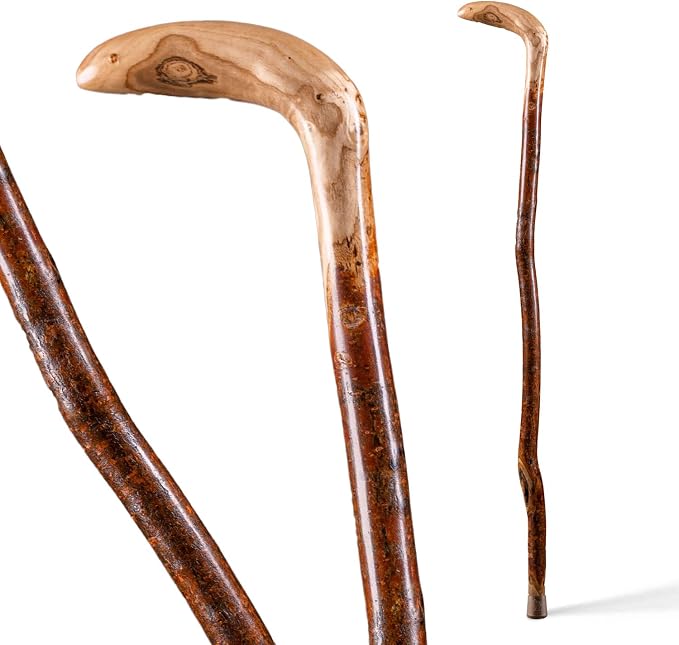
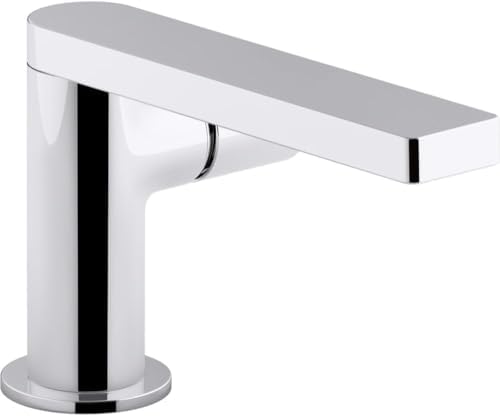
They exist. Grab bars from Rejuvenation, Moen, and Delta in hardware finishes that match bathroom fixtures. Shower benches in teak, bamboo, and stainless steel that look like spa furniture. Canes designed by fashion brands that look like walking accessories rather than medical devices. Non-slip rugs from Nordic Knots and similar brands that are genuinely beautiful and certifiably slip-resistant. Pill organizers designed in clean, minimal aesthetics. Night lights designed as small decorative objects rather than medical equipment.
The market for beautifully designed aging-in-place products is growing, because the demographic demanding it is growing and increasingly unwilling to accept the clinical default. The search takes more effort than going to the hospital supply section of a big-box store. It’s worth it.