The Best Adjustable Beds for Seniors (2026)
This post contains affiliate links. If you buy through them I may earn a small commission at no extra cost to you. How that works.
Part of our complete guide: Bedroom Safety for Aging in Place: The Complete Guide
Disclosure: Well Aging Home participates in affiliate programs. If you buy through our links, we may earn a small commission at no extra cost to you.
The Best Adjustable Beds for Seniors (2026)
What an adjustable base actually solves, the three systems I specify, and the bedroom that makes them disappear.
Part of our complete guide: Bedroom Safety for Aging in Place. I’m a residential interior designer and a full-time caregiver for my parents, not a clinician — for a specific mobility or medical need, ask an occupational or physical therapist before buying. Over 15+ years designing homes, I’ve learned that most safety problems are solved by better design long before medical equipment enters the room. Well Aging Home participates in affiliate programs; if you buy through a link, I may earn a small commission at no extra cost to you.
Best adjustable beds for seniors: quick answer
For sitting up, reflux, snoring and getting out of bed more easily, a mid-range adjustable base such as the Tempur-Pedic Ergo under a mattress you already like solves most of it, hidden inside an upholstered frame. For temperature problems, the Eight Sleep Pod; for chronic pain, the Bryte Balance. If anyone is helping with transfers, buy a hi-lo bed instead; if there’s a diagnosis, a Medicare-covered hospital bed may cost nothing.
What I tell clients before buying an adjustable bed
Most “adjustable beds for seniors” pages are written by mattress retailers, so they sell you a bed. I design bedrooms, so here’s what I’d actually tell a client:
Don’t buy the bed that looks like a hospital bed. Buy the bedroom. Real estate agents will tell you that a home with visible medical equipment — the hospital bed in the primary suite, the lift in the stairwell — loses buyers the moment they walk in. So the mechanism should disappear inside a real upholstered bed frame with a real headboard — every base I specify slides into a frame the client already loves or one we choose together. Nobody walking into the room should be able to tell it adjusts. Four Seasons, not hospital: the function is there, and the room still looks like a place you’d want to sleep.
Second: design the room around the raised position, because that’s how it gets used at 3 a.m. A nightstand at seated-elbow height rather than the standard 24–26 inches, a lamp you can reach without twisting, a motion light along the path to the bathroom, a clear 36-inch route to the door with no rug edges, and a chair with arms for sitting to dress. The layout is in bedroom layout for better mobility and the nightstand specifics in the ideal nightstand setup.
Third: a plain adjustable base solves more than most people expect, and a smart mattress solves something different. If you’re buying for reflux, snoring, back pain or getting up more easily, a base under a mattress you already like does the job. Temperature and firmness systems are wonderful — I’ve lived with and reviewed both below — but they’re sleep-quality tools, not mobility tools. And if anyone is helping with transfers, neither is the right product; a hi-lo bed is.
Think Four Seasons, not hospital
The picture to hold in your head is the accessible suite at a Four Seasons: a bed that works for a body that doesn’t move easily, in a room you’d happily photograph. The problem this page is about has already been solved there, beautifully. What that room gets right, and what I bring home:
- The bed is lower than you’d expect, and the frame is upholstered. Accessible rooms typically land the mattress top around 20–23 inches so a guest can sit with feet flat and transfer from a chair. The frame is a fully upholstered platform with a tall headboard — so even where the base adjusts, nothing mechanical shows.
- Clear space on both sides. A 36-inch path to each side of the bed, with nothing on the floor. If the room is small, they’d rather lose a chair than lose the path.
- Everything you need is reachable from lying down. A master bedside panel controls every light in the room plus the shades; the sconce is at reading height with a switch on the fixture; there’s a charging point on the nightstand surface, not behind it. This is why I talk about wall-hugger bases — that nightstand stays within reach because the bed doesn’t move away from it.
- A light path to the bathroom that turns itself on. Low-level lighting under the vanity or along the baseboard, on a motion sensor, so a guest never has to find a switch in the dark. (That’s the Vansky strip and Lutron sensor below.)
- A chair with arms, near the bed. Not decorative — it’s for sitting to dress, and for a caregiver or companion.
- Blackout, quiet, clean air. Motorized blackout shades, a silent HVAC, and increasingly a purifier in the room. Sleep quality is treated as part of the room’s job, which is exactly how I’d have you think about it at home.
The takeaway: that room doesn’t feature a visible adjustable bed. They feature a beautifully made bed that happens to be the right height, in a room designed around getting in and out of it.
First, what “adjustable bed” means (three different things)
- Adjustable base — the motorized platform that replaces the box spring and tilts the head and foot. Works with most foam, latex and hybrid mattresses (not a traditional innerspring with a rigid border). This is what most people should buy.
- Smart mattress or sleep system — changes temperature or firmness. Eight Sleep and Bryte live here. They solve sleep-quality problems, not mobility problems, and they sit on top of (or instead of) a base.
- Hi-lo or hospital bed — also raises and lowers the whole bed height, usually with rail options. This is what you want if someone is helping a person in and out of bed or a wheelchair transfer is part of the day.
Decide which problem you’re solving before you shop.
What I specify
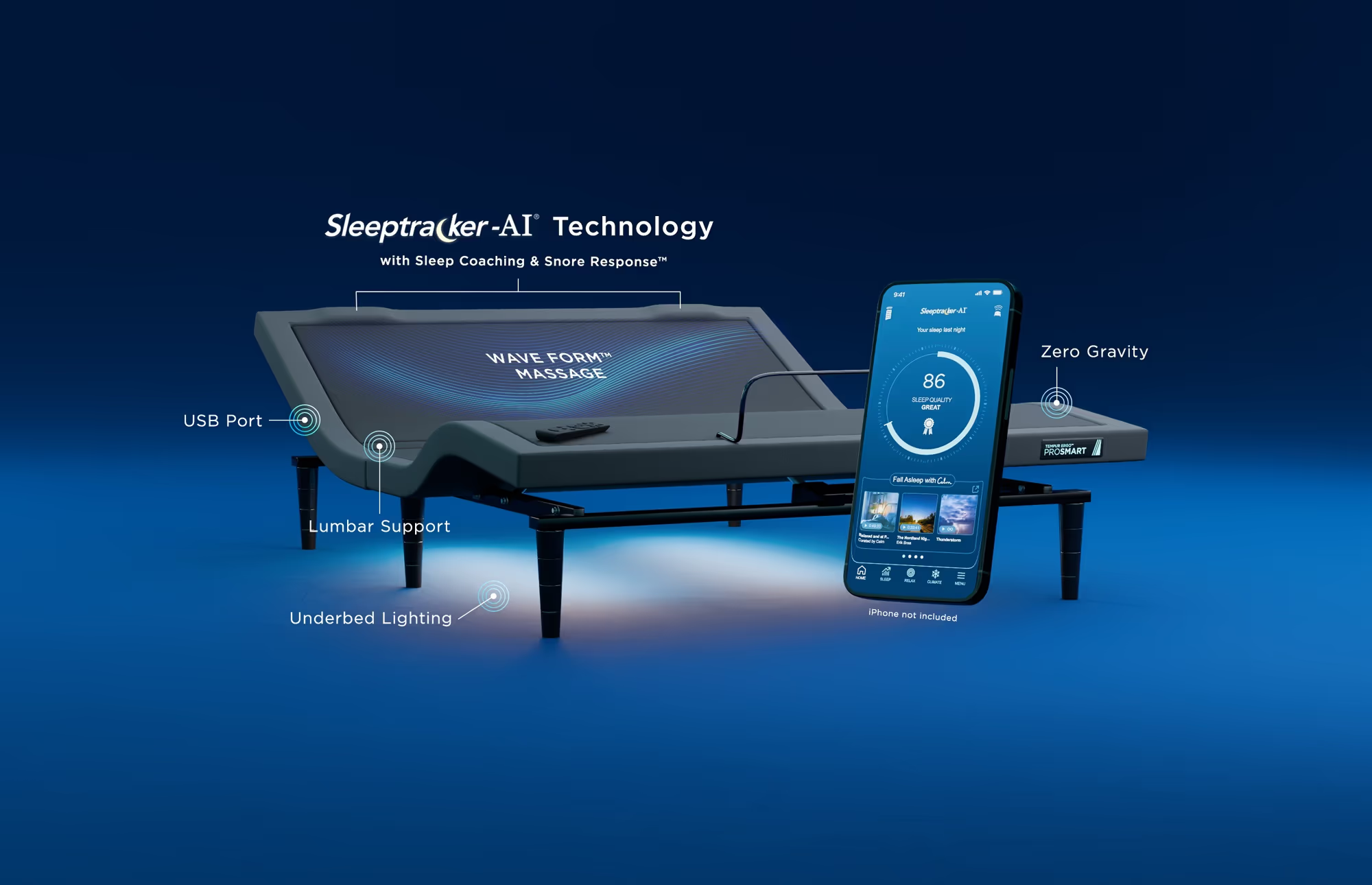
Tempur-Pedic Ergo Smart Power Base
Head and foot adjustment, snore response, zero-gravity preset, under-bed lighting, physical remote plus app. Works with most foam and hybrid mattresses, not only Tempur-Pedic.
Rachel’s top adjustable base pick
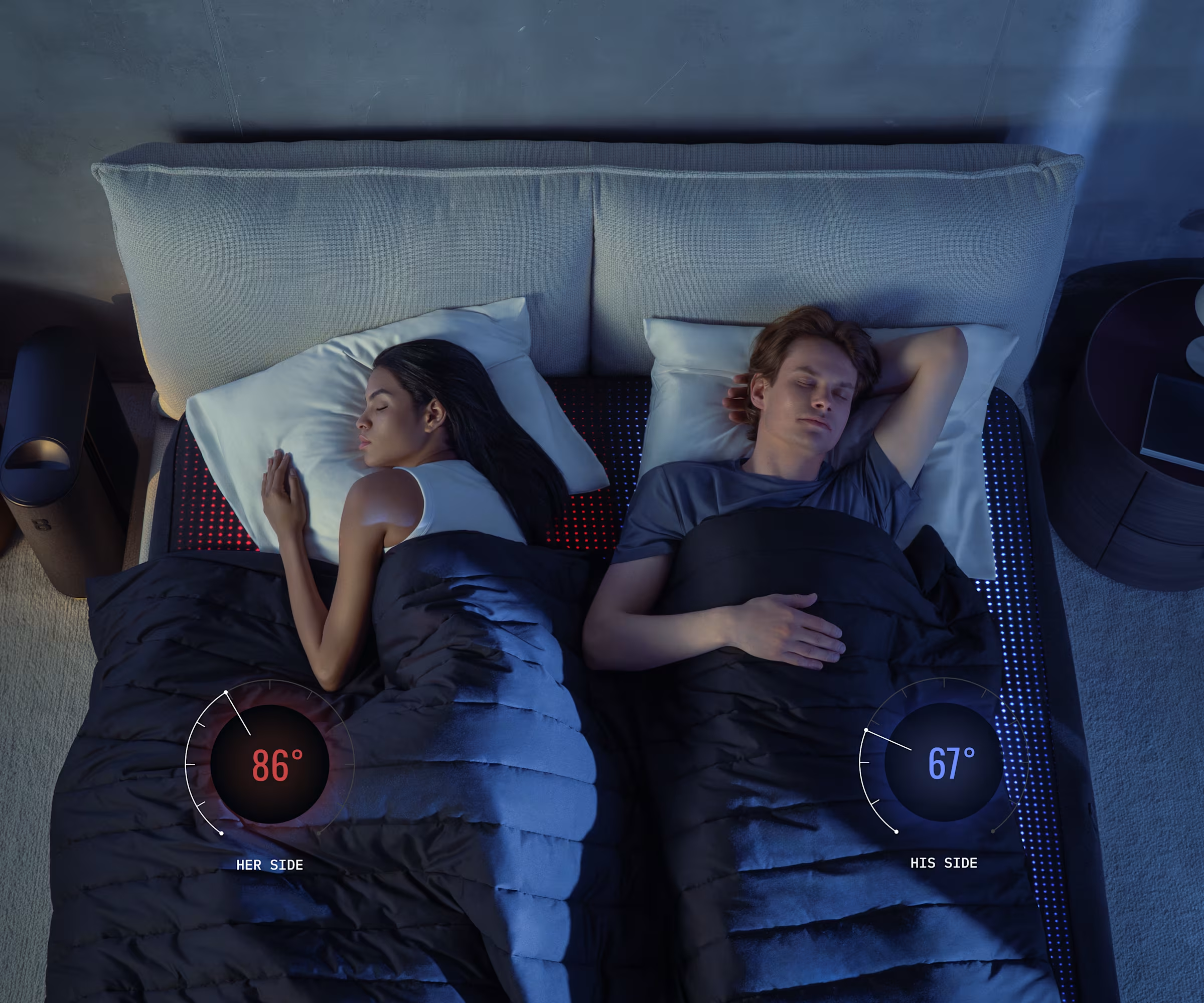
Eight Sleep Pod
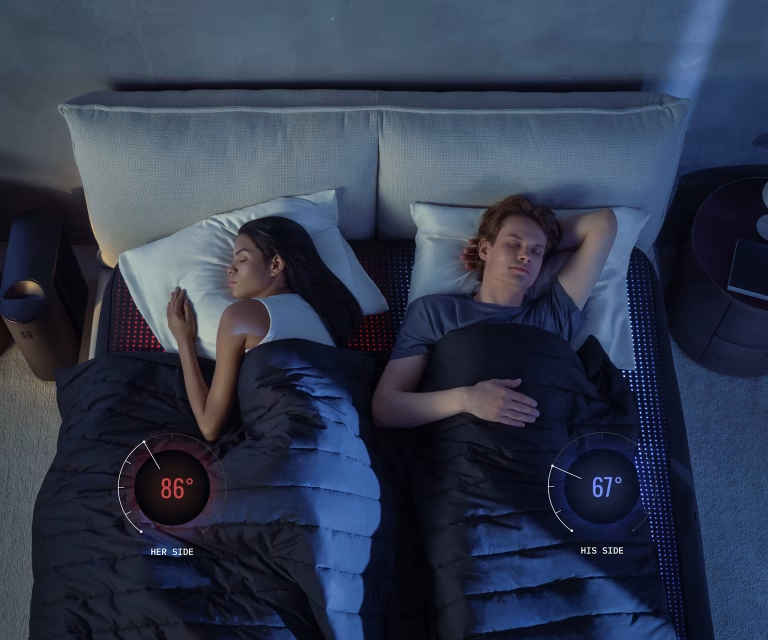
Dual-zone heating and cooling cover that layers onto the mattress you already own. My spec for night sweats, perimenopause, and partners who run at different temperatures.
Best for temperature
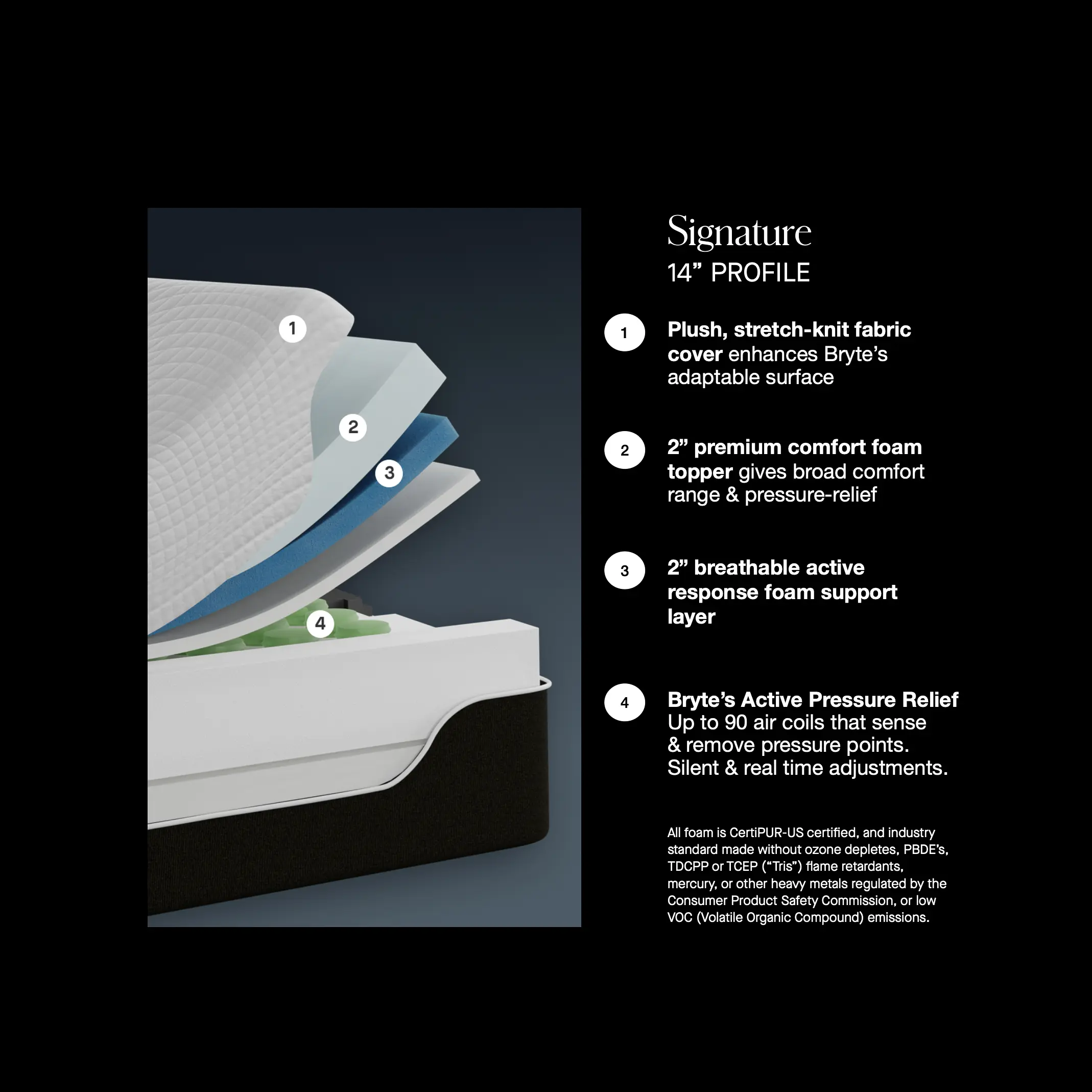
Bryte Balance Smart Mattress
Actively adjusts firmness through the night in response to movement and pressure. The only mattress I’ve used that behaves like a recovery tool rather than a passive surface.
Best for chronic pain and restlessness
Value and budget alternatives I’m comfortable with: the Saatva Adjustable Base Plus is a wall-hugger with in-room delivery and setup, well under Tempur-Pedic pricing (saatva.com). For a guest room or a first trial, the Lucid L300 or Sven & Son Classic — roughly $400–$700 on Amazon — do the core head-and-foot job, without a wall-hugger mechanism, quiet motors or battery backup.
For caregivers and transfers: a hi-lo bed raises to a working height for the caregiver and lowers to seat height for a safe transfer. Transfer Master and Flexabed make residential versions that look like furniture and accept a normal headboard; expect $1,500–$4,000. Pair with a minimal assist rail — see best bed rails: minimal and secure.
Realistic prices in 2026
- Basic adjustable base (head/foot, wireless remote, zero-gravity preset): $400–$900 per queen or twin XL.
- Midrange base (massage, under-bed lighting, wall-hugger, quieter motors): $600–$2,000. Tempur-Pedic Ergo starts at $599.
- Premium / smart base (app control, sleep tracking, anti-snore automation): $2,000–$3,500.
- Smart sleep systems: Eight Sleep Pod from $2,295; Bryte Balance from $3,495.
- Hi-lo bed (residential): $1,500–$4,000.
- Full-electric hospital bed: $1,000–$3,000 retail, or a small monthly rental through Medicare with a prescription.
Two split-king bases cost roughly double a queen, but they’re the right answer for couples with different needs — one side sits up while the other sleeps flat.
The specs that actually matter for an older adult
Wall-hugger design. When a standard base raises the head, the sleeping surface slides away from the nightstand — water, glasses and phone drift out of reach. A wall-hugger keeps the head near the wall as it rises. For anyone who reads or takes medication in bed, this is the most important feature, and it’s the one budget bases skip.
Remote design. A backlit remote with large physical buttons and one-touch “flat” and “sit up” presets. Touchscreen and app-only controls are a real problem at 3 a.m. with arthritic hands and no glasses.
Presets. Zero gravity (head and knees slightly raised) unloads the lower back; anti-snore lifts the head a few degrees; a one-touch flat is essential if anyone may need emergency help in bed.
Emergency power-down. If the power fails with the bed raised, can it lower? Better bases include a battery backup. Cheap ones don’t.
Finished height. Aim for 22–24 inches to the top of the mattress so feet sit flat on the floor. Most bases have adjustable legs — use them.
Weight capacity, noise, and headboard compatibility. Standard bases carry 650–850 lb including the mattress; budget motors can wake a partner; and if the bedroom’s design matters to you (it matters to me), confirm the base accepts headboard brackets or slides inside an existing frame.
When a hospital bed is the right answer — and free
If there’s a diagnosis in the picture — stroke or surgical recovery, heart failure, severe COPD, advanced arthritis, or anything that makes lying flat unsafe — a full-electric hospital bed may be covered by Medicare Part B as durable medical equipment with a doctor’s order. You’ll typically pay 20% coinsurance on a rental, and many supplemental plans cover the rest. Modern home hospital beds (Invacare, Drive Medical, Med-Mizer) are far less institutional than they were, and an upholstered headboard, good bedding and a coordinated nightstand go a long way. See making a home safer after a stroke.
Finishing the room
The bed is half of it. These are the pieces from my full collection that make the raised-bed bedroom actually work at night.
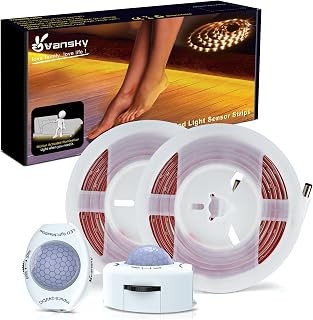
Vansky Motion-Activated Under-Bed Night Light
Strip lights under the base that switch on when feet hit the floor. Lights the path, not the room, so it doesn’t wake a partner.
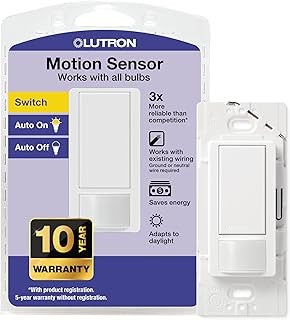
Lutron Maestro Occupancy Sensor
Auto-on, auto-off for the bathroom and hallway. No fumbling for a switch on the 3 a.m. trip.
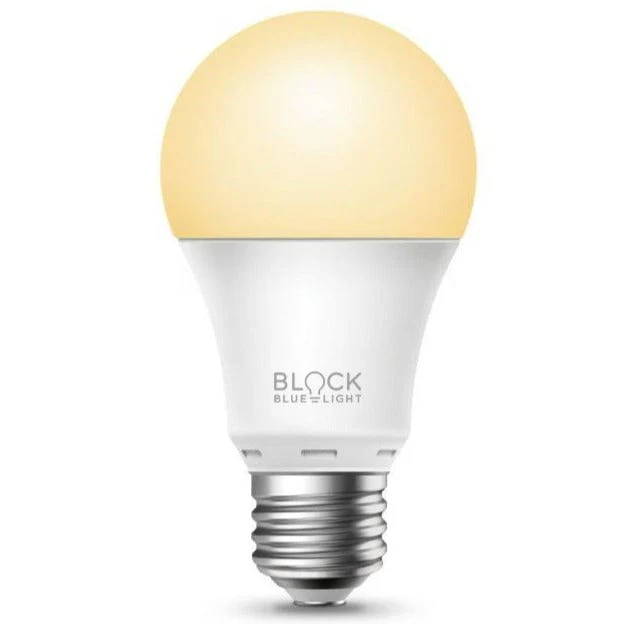
BioLight by BlockBlueLight
Three-mode circadian bulb for the bedside lamp: daytime, evening, and a no-blue 1800K night mode. Toggle from the existing switch.

Alen BreatheSmart 45i
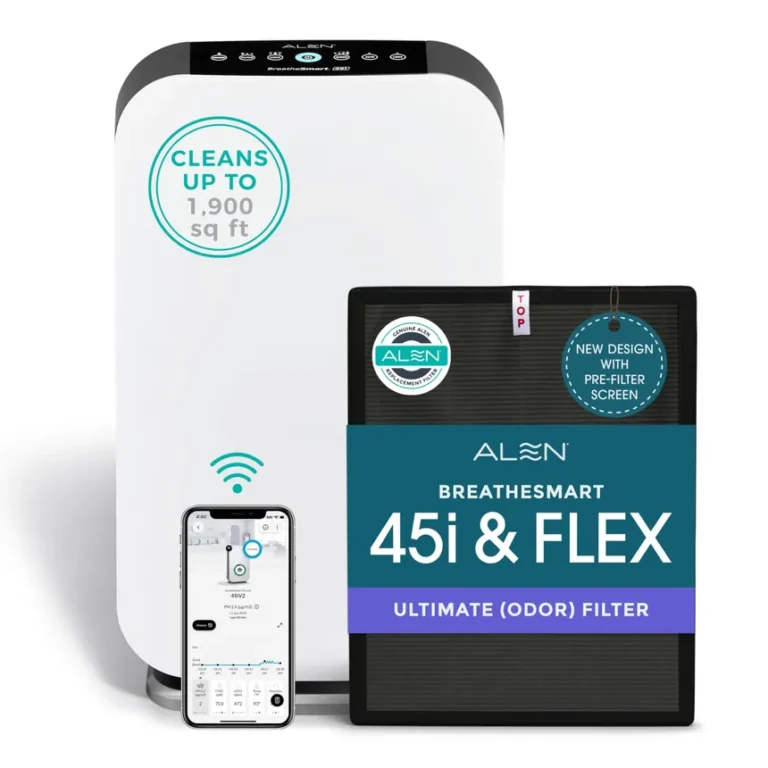
HEPA, near-silent, sized for a bedroom. Clean air is part of sleep quality, and this one disappears into the room.
Rachel’s bedroom air purifier pick

Mohawk Home Felt + Rubber Rug Pad
If there’s a rug beside the bed, it needs to be anchored. This pad keeps edges flat and the rug from sliding on hardwood.

Apple Watch
Fall detection and emergency SOS on the wrist, which matters most in the bedroom and bathroom at night.
A few design notes: slide the base inside the existing frame or use headboard brackets; use a deep-profile mattress (10–12″) so the base isn’t visible when raised; route the cord and remote holder on the wall side; and if there’s a rug beside the bed, anchor it or lose it.
For fall-risk assessment and the evidence behind bed height and lighting, the CDC’s STEADI program is what clinicians use. Related guides on this site: best mattresses for aging bodies, bedroom safety for aging in place, universal design ideas that add home value.
Who should not buy an adjustable base
- Anyone on a traditional innerspring mattress with a rigid perimeter — it won’t bend and may void the warranty.
- Anyone who needs help getting in and out of bed — buy hi-lo instead.
- Anyone at risk of rolling or becoming trapped when the head is raised — talk to a clinician about rails and positioning first.
Frequently asked questions
Do adjustable beds help with acid reflux and snoring? Raising the head 6–8 inches (about 20–30 degrees) is the standard non-drug recommendation for nighttime reflux and reduces positional snoring for many people. It won’t fix sleep apnea — that needs a sleep study.
Can I use my current mattress? Memory foam, latex, or a flexible hybrid, usually yes. Check the mattress warranty.
Does Medicare cover an adjustable bed? Not a consumer adjustable base. It covers a hospital bed as durable medical equipment when a physician documents medical need.
Split king or regular king? Split king if the two sleepers have different needs or one has mobility limitations; the seam is barely noticeable with a split-king sheet set.
How long do the motors last? Quality bases carry 10–25 year frame warranties and 1–5 years on motors and electronics; budget bases typically 1–3 years total.
Why you can trust this guide
I’m an interior designer with 15+ years of residential work, and a full-time caregiver for my own parents. I’ve spent years evaluating products that improve safety without making a home feel institutional, and I’ve lived with most of what’s on this page. This guide puts design-forward solutions first and equipment second, and I’ll tell you when a product isn’t the answer. Where a decision depends on a specific body or diagnosis, I say so and point you to an OT or PT.
The design comes first
The safest bedroom rarely looks like a medical environment. In my experience, the best aging-in-place bedrooms rely on design first: the right bed height, a head that raises, good lighting, a chair with arms, and a room laid out around getting up at night. The mechanism should be the last thing anyone notices.
Free resource: 12 Changes That Make a Home Safer Without Looking Clinical.
Similar Posts
Universal Design Ideas That Increase Home Value
The most sought-after homes today are easier to live in by design. Interior designer Rachel Blindauer explains how universal design principles quietly increase home value — through wider circulation, curbless showers, layered lighting, and hardware that performs as beautifully as it looks.
The Best Stove Safety Devices for Seniors (2026): A Designer’s Guide
Kitchen safety almost never comes up in the first conversation — everyone wants to talk about grab bars. But cooking fires are the leading cause of home fires in the U.S., and the risk rises with age. The devices that actually prevent them are inexpensive and nearly invisible.
What Aging Gracefully Actually Looks Like at Home
Aging gracefully is a design problem, not a wellness slogan. It looks like layered light, reachable storage, and a home that quietly stops asking so much of you.
The Aging-in-Place Case for a Smart Mattress: An Eight Sleep Pod Review
I check threshold heights and grab bar blocking first; I rarely start with the mattress. Then I paid attention to what was actually happening in my parents’ bedroom at 2 a.m.
The Best Air Purifiers for Better Sleep (2026)
Indoor air can be 2–5x more polluted than outdoor air, and modern homes are sealed too tightly for it to clear on its own. These are the purifiers that make a measurable difference in sleep quality, respiratory health, and cognitive clarity.
Best Walk-In Tubs for Aging in Place (2026) — And Why a Designer Would Steer You to a Wet Room Instead
Interior designer Rachel Blindauer reviews the best walk-in tubs for aging in place in 2026, covering entry width, drain speed, hydrotherapy systems, and how to make them look like a luxury upgrade.