How to Make a Home Safer After a Stroke
How to Make a Home Safer After a Stroke
Practical, beautiful changes that support recovery, rebuild confidence, and preserve the feeling of home.
A stroke changes everything — not just for the person who experienced it, but for everyone who loves them and everyone who shares their home. In the days and weeks that follow, families often face an overwhelming question: how do we make this house safe without making it feel like a facility?
That question matters more than most people realize. Because how a home feels during recovery affects the recovery itself. Spaces that feel institutional create psychological distance from normal life. Spaces that feel warm, considered, and personal create the emotional foundation that healing requires.
I’ve designed homes for aging-in-place for over fifteen years, and I’ve worked alongside families navigating exactly this transition. The changes that matter most are not the most obvious ones. And many of the best adaptations are indistinguishable from good design.
Start With the Bathroom
The bathroom is statistically the most dangerous room in the home for someone in stroke recovery — and it’s where most families focus first, and rightly so. Wet surfaces, limited space, the requirement to transition from standing to sitting and back: every element creates fall risk.
The good news is that the modifications that matter most here are also the ones that happen to elevate a bathroom’s aesthetic significantly.
Grab Bars
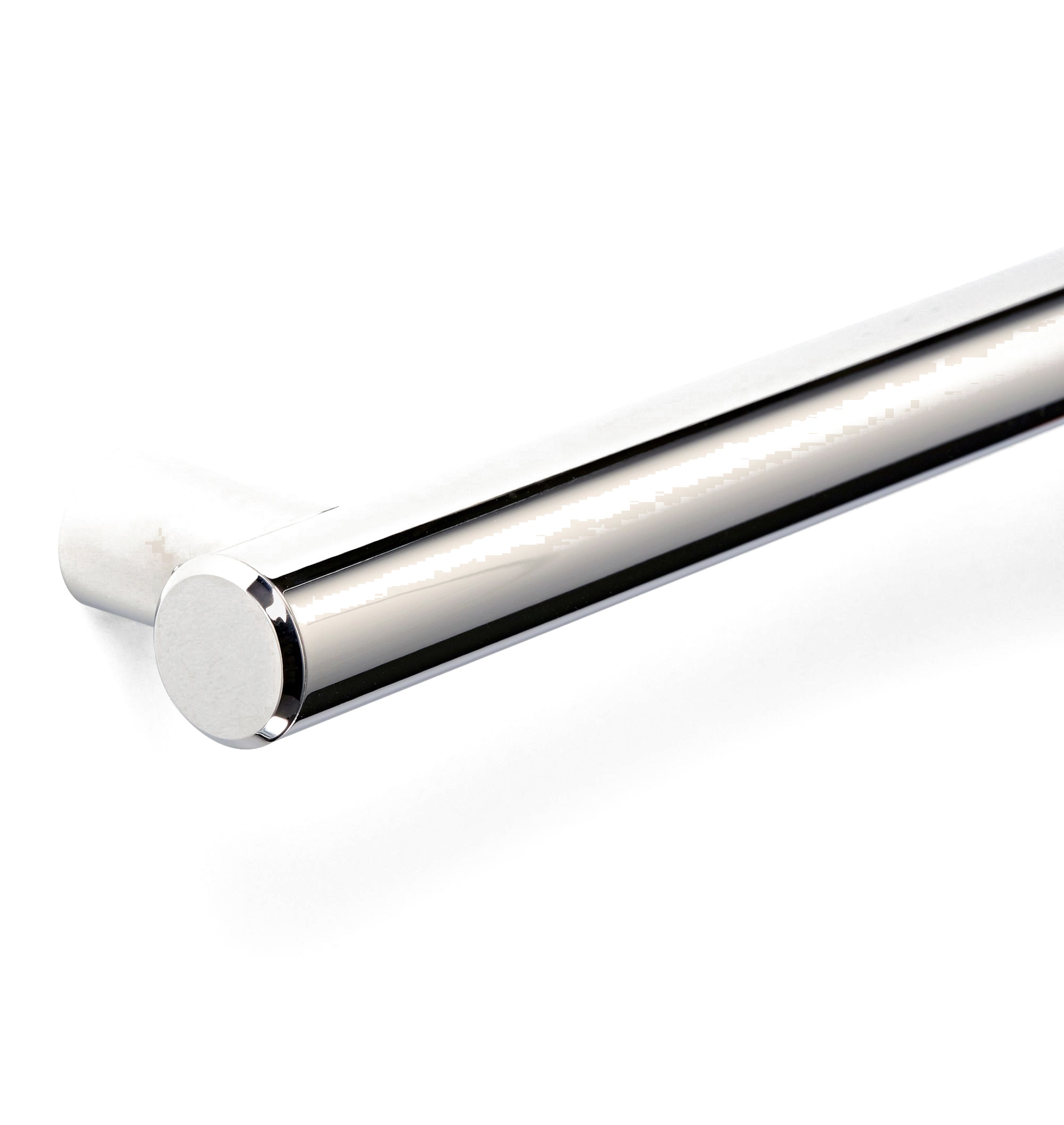
This is non-negotiable. A grab bar at the shower entry, along the shower wall at elbow height, and beside the toilet creates a continuous system of support that allows someone with one-sided weakness to move with confidence rather than fear. Modern grab bars from manufacturers like Rejuvenation, Delta, and Seachrome are genuinely beautiful — finished in brushed nickel, matte black, unlacquered brass, or polished chrome. When installed properly, they read as intentional hardware, not medical equipment. You can read my full guide on bathroom safety for aging in place for a deeper look at placement and finish options.
Curbless Shower or Roll-In Access
If a renovation is possible, removing the shower threshold is one of the highest-value modifications you can make. A curbless shower eliminates a tripping hazard entirely, allows a shower wheelchair or transfer bench to be used easily, and visually expands the bathroom. For someone working with a physical therapist to rebuild their gait, there is a genuine difference between stepping over a four-inch curb and walking onto a flush floor plane.
A Shower Bench or Seat
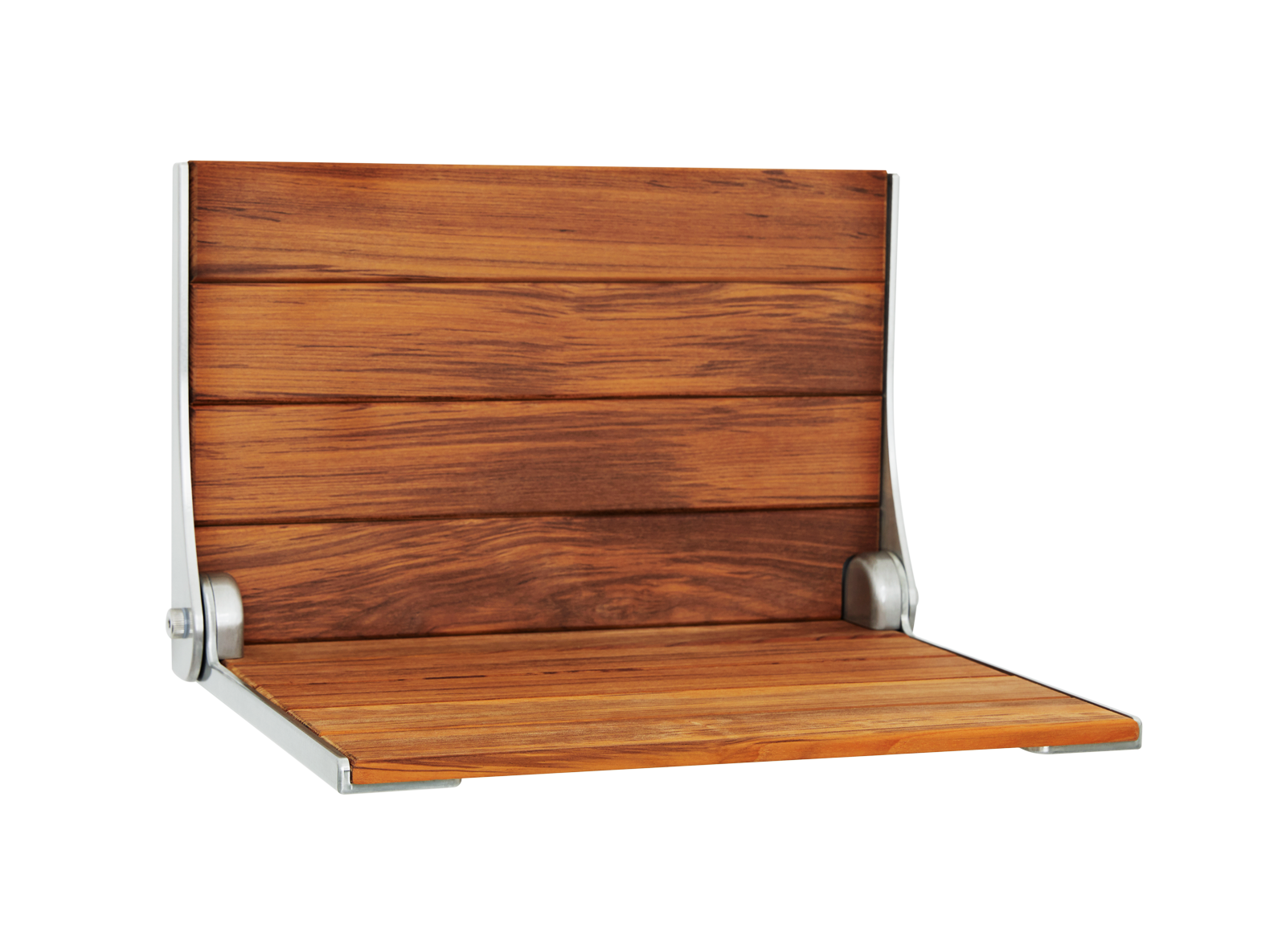
Fatigue is one of the most underestimated challenges after stroke. Having a teak shower bench or a fold-down seat built into the shower wall allows for rest without compromise — and removes the pressure to rush through a task that can feel physically demanding during early recovery. A well-designed teak bench reads as spa-like rather than clinical. It belongs in the shower.
Handheld Showerhead
A handheld showerhead on a sliding bar allows someone to bathe seated or standing, and gives a caregiver the ability to assist without awkwardness. It’s a fifteen-minute installation with a significant impact on independence and dignity. I recommend a thermostatic valve alongside it — consistent temperature means one fewer variable to manage when balance and attention are already taxed.
Rethink the Bedroom
The bedroom is where recovery begins and ends each day, and the layout decisions you make here will affect your loved one’s ability to move independently, sleep well, and start each morning with confidence rather than anxiety.
Bed Height and Transfer Side
Bed height matters enormously. A bed that is too low requires significant effort to rise from — hip flexors, quadriceps, and core strength that may be compromised. A bed that is too high creates fear of the distance to the floor. Aim for a seat height of 17–19 inches (roughly knee height), which allows someone to push up to standing with control.
Just as importantly: position the bed so that the stronger side faces the pathway to the bathroom. If someone has left-side weakness, the right side of the bed should face the door. This sounds like a small thing. It is not.
Nighttime Lighting
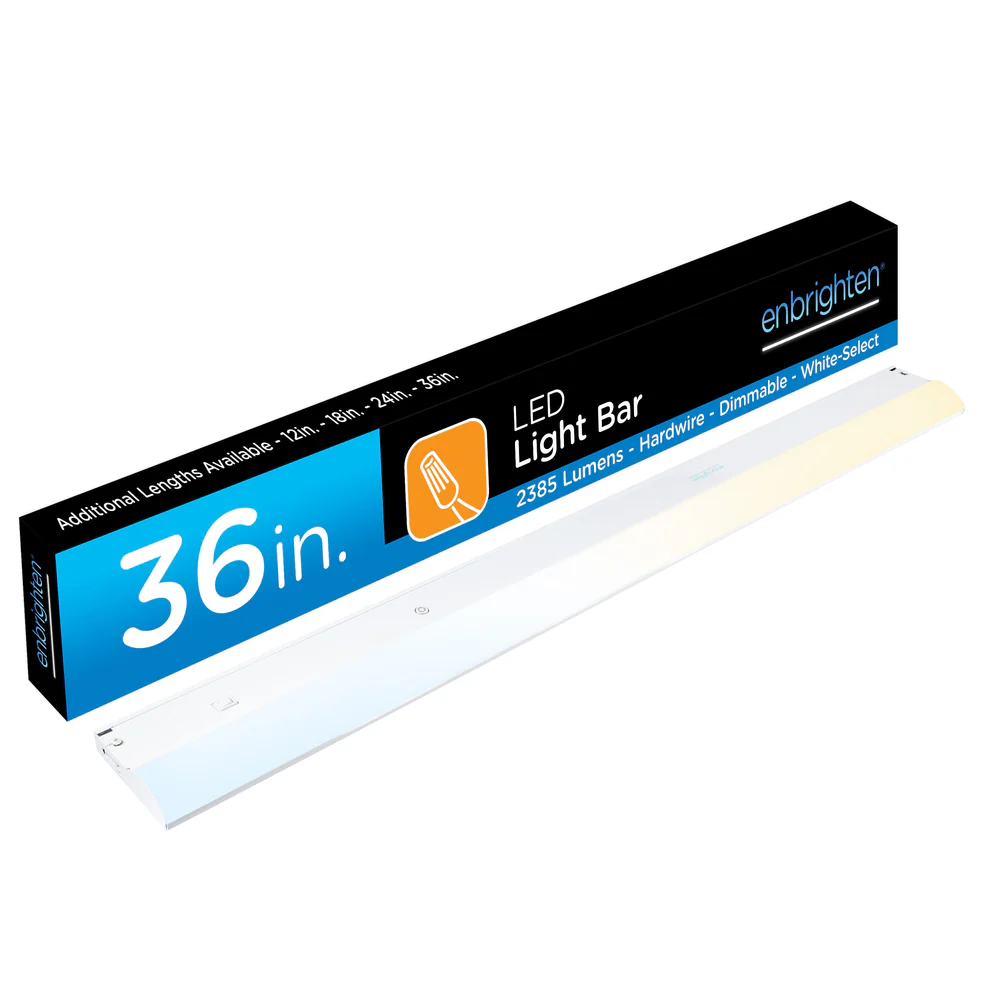
Strokes frequently affect vision and spatial perception. Navigating to the bathroom at 2am in complete darkness creates real fall risk. Soft, motion-activated pathway lighting — at floor level rather than overhead — provides orientation without disrupting sleep. Warm, low-intensity LED strip lighting along the floor between the bed and bathroom is both effective and unobtrusive. During the day it’s invisible; at night it does exactly what it needs to do.
Clear the Living Areas
Living rooms and hallways present a different kind of challenge: clutter, furniture placement, and rugs that move. Someone relearning to walk — often with a cane, walker, or ankle brace — needs clear, predictable pathways. The standard I use for walker-friendly living room layouts is 36 inches of clear circulation width as a minimum, with 42 inches preferred wherever the layout allows.
Rugs are among the most common causes of falls for people in stroke recovery. This doesn’t mean removing all rugs — it means choosing them correctly. A rug with a non-slip backing, secured edges, and a low-pile surface can stay in the room and stay beautiful. I wrote an entire guide on rugs that don’t slip and still look designer; this is exactly the situation it was written for.
Furniture arrangement matters too. Seating should have arms — full arms that extend to the front of the seat, allowing someone to push up to standing without relying on a side table that may shift. Coffee tables with sharp corners should be removed or replaced. Surfaces should be at a consistent height to create predictable visual anchors for someone whose spatial perception may have changed.
The Kitchen: Dignity and Safety Together
For many people, being able to prepare their own food — even something as simple as making coffee — is a significant milestone in recovery. The kitchen modifications that support this independence don’t have to look like modifications at all.
- Relocate everyday items to counter height — nothing should require reaching overhead or crouching low during early recovery
- A stove safety device that automatically shuts off burners after inactivity provides genuine peace of mind without restricting use
- A touchless faucet eliminates the grip and wrist rotation required to turn a handle
- A sturdy stool at counter height allows seated prep work — which is safer, less fatiguing, and more sustainable during recovery
- Pull-out shelving in lower cabinets means items are always visible and reachable without bending deep into a cabinet
Smart Home Technology as a Safety Layer
Technology can reduce friction in ways that feel invisible during daily life. Voice-controlled lighting means lights don’t require finding a switch in the dark. Smart locks allow a caregiver to unlock the door remotely. Motion-sensor lighting activates automatically in bathrooms and hallways. Video doorbells allow someone to see and speak with visitors without crossing the house to the door.
None of these require a significant renovation. Most require an afternoon of installation and a modest investment. And collectively, they create a layer of safety that operates quietly in the background — without making the home look or feel different.
The Emotional Architecture of Recovery
There’s something I want to say that occupational therapists don’t always address, because it falls outside their clinical scope: how a home feels emotionally matters to recovery.
A person returning home after a stroke needs to feel that they are returning to their home — not arriving at a care facility. Every modification that can be made beautifully should be made beautifully. Grab bars in a finish that matches the other hardware. A shower bench that belongs in a spa. Lighting that is warm and flattering rather than clinical and bright.
These are not superficial concerns. The psychological experience of living in a space that feels like home — that reflects your taste and your identity — supports the emotional resilience that recovery demands. Design is not decoration. It is the quality of daily experience. And right now, daily experience is everything.
If you’re beginning this process and feeling overwhelmed, start with the bathroom and the pathway to it. Everything else can follow. The goal is a home that is safe enough to move through confidently and beautiful enough to want to come back to.
12 Changes That Make a Home Safer
Without Looking Clinical
Designer-approved upgrades, lighting ideas, and layout shifts that improve safety and support recovery — while preserving the warmth and beauty of a real home.