Universal Design Ideas That Increase Home Value
Universal Design Ideas That Increase Home Value
The homes buyers are falling in love with today aren’t just beautiful. They’re easier to live in — by design.
I’ve been an interior designer for over fifteen years. I’ve worked in luxury residential spaces, been featured in House Beautiful and Martha Stewart Living, and I can tell you something that took me years to fully articulate: the most beautiful homes I’ve ever designed are also the easiest to live in.
That used to feel like a happy accident. I now know it’s intentional.
The design world has a name for this philosophy: universal design. And while the term once conjured images of institutional handrails and beige grab bars, the reality has become something else entirely. The most sought-after luxury homes today — the ones that sell fastest, photograph most beautifully, and hold value longest — are built on universal design principles.
This is not about designing for limitation. It’s about designing for life.
What Universal Design Actually Means
Universal design refers to spaces built to work beautifully for a wide range of people, ages, abilities, and life stages — without requiring major adaptation later. But the best universal design never announces itself. It simply feels effortless.
A kitchen that’s genuinely comfortable to cook in. A bathroom that feels like a boutique hotel suite instead of a medical facility. Hallways that breathe. Lighting that flatters. Doors that open with a single finger.
Good universal design quietly eliminates friction throughout daily life. And that quality — that sense of ease — is exactly what buyers are paying more for right now.
“The most timeless homes are not the ones chasing trends. They’re the ones that continue functioning beautifully through different stages of life.” — Rachel Blindauer
Why These Homes Are Selling for More
Homebuyers today are thinking differently than they were even a decade ago. Wellness, longevity, flexibility, and emotional comfort have moved to the top of the priority list. According to AARP, most adults want to remain in their homes as they age — and buyers are now factoring that into purchase decisions years before it becomes relevant.
Combine that with the fact that people are spending more time at home than any previous generation, and the calculus changes completely. People are paying closer attention to how spaces actually function, physically and emotionally, day after day.
The future buyer is not just purchasing square footage. They’re purchasing ease.
Wider Doorways and Hallways: The Quiet Luxury Upgrade
One of the simplest universal design improvements is also one of the most architecturally luxurious: generous circulation space. Wider hallways and doorways instantly make homes feel more custom, more expensive, and more intentional. There’s a reason luxury hotels feel so physically relaxing — you can actually move through them.
Narrow circulation creates subtle tension in the body. Spacious circulation creates ease. And practically speaking, wider pathways benefit parents carrying children, anyone moving furniture, hosts entertaining guests, and people recovering from injury — right now, today, not twenty years from now.
For anyone doing a renovation, I strongly recommend aiming for 36-inch doorways minimum and 42-inch hallways wherever the layout allows. The investment is modest; the payoff in everyday livability is significant.
Curbless Showers: Where Accessibility Became Aspiration
No single feature illustrates the evolution of universal design more clearly than the curbless shower. Originally associated almost exclusively with accessibility, it now appears in virtually every luxury home, boutique hotel, and high-end renovation I see. Not because designers are thinking about accessibility — but because it looks incredible.
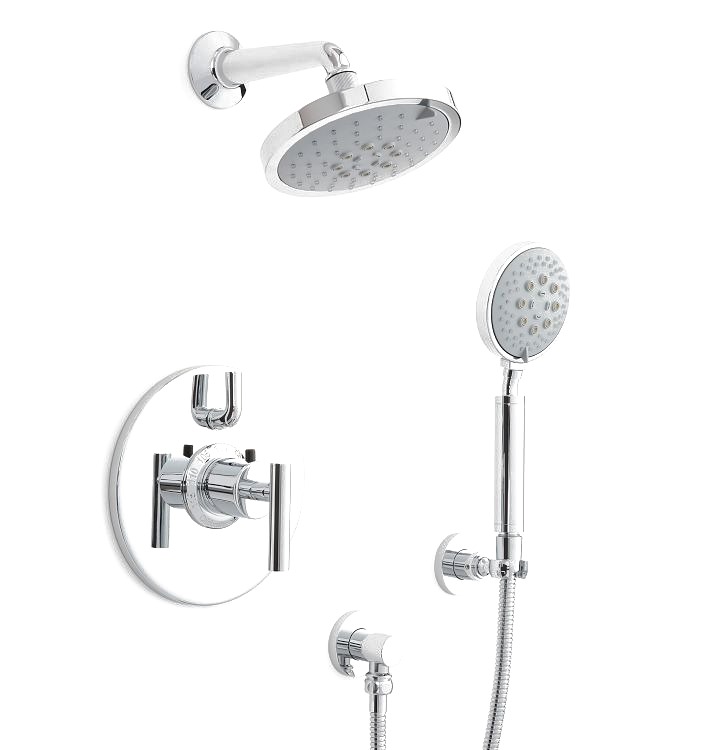
A well-designed curbless shower visually enlarges the bathroom, creates an uninterrupted floor plane, reduces visual clutter, and eliminates a genuine tripping hazard. Pair it with large-format tile, a linear drain, an integrated teak bench, and a thermostatic valve system, and you have a bathroom that belongs in a five-star resort.
If you’re renovating a bathroom and wondering where to put your investment, this is often my first recommendation. The functional benefit is enormous, and the visual result is transformative. I’ve written more about this in my guide to aging-in-place bathroom design.
Lighting Is the Most Underestimated Design Investment
I say this to every client I work with: lighting changes everything. It changes how a space photographs. It changes how it feels to your nervous system. It affects your mood, your ability to navigate safely at night, and how expensive your home feels to anyone who walks through it.
Poor lighting creates eye strain, harsh shadows, visual fatigue, and navigational uncertainty. Good lighting — layered, warm, and thoughtful — transforms a space in ways that no furniture purchase ever will.
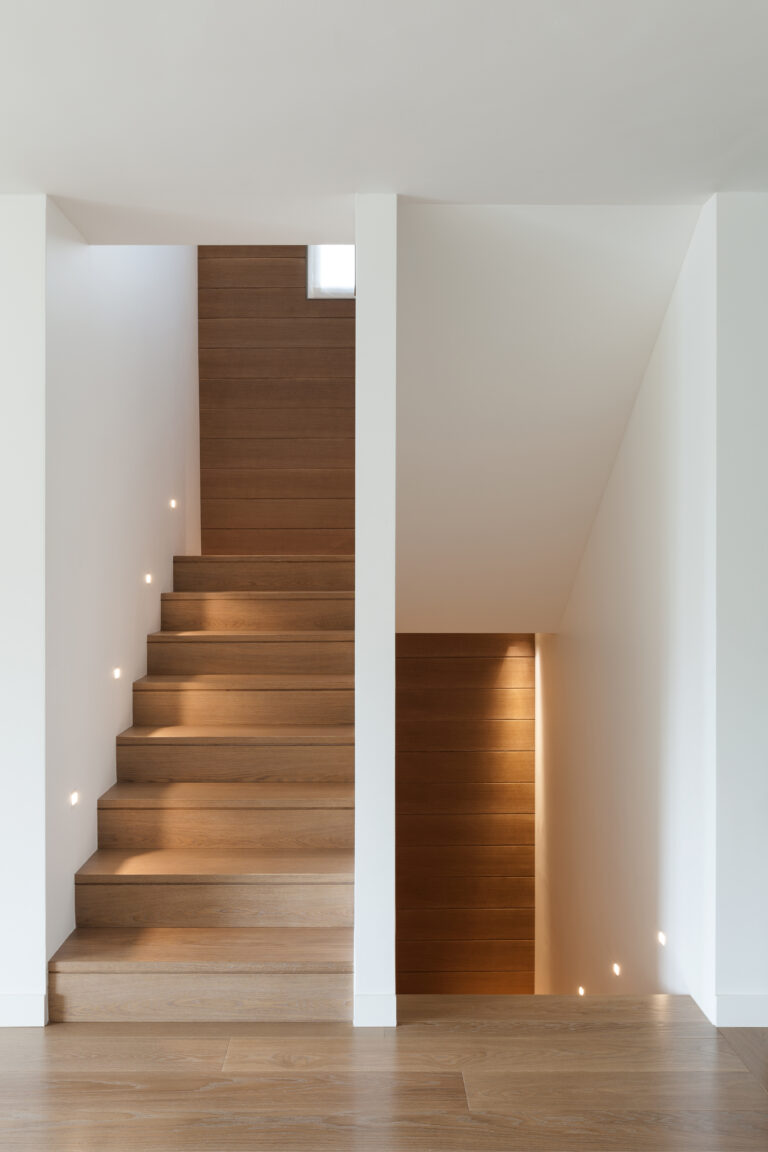
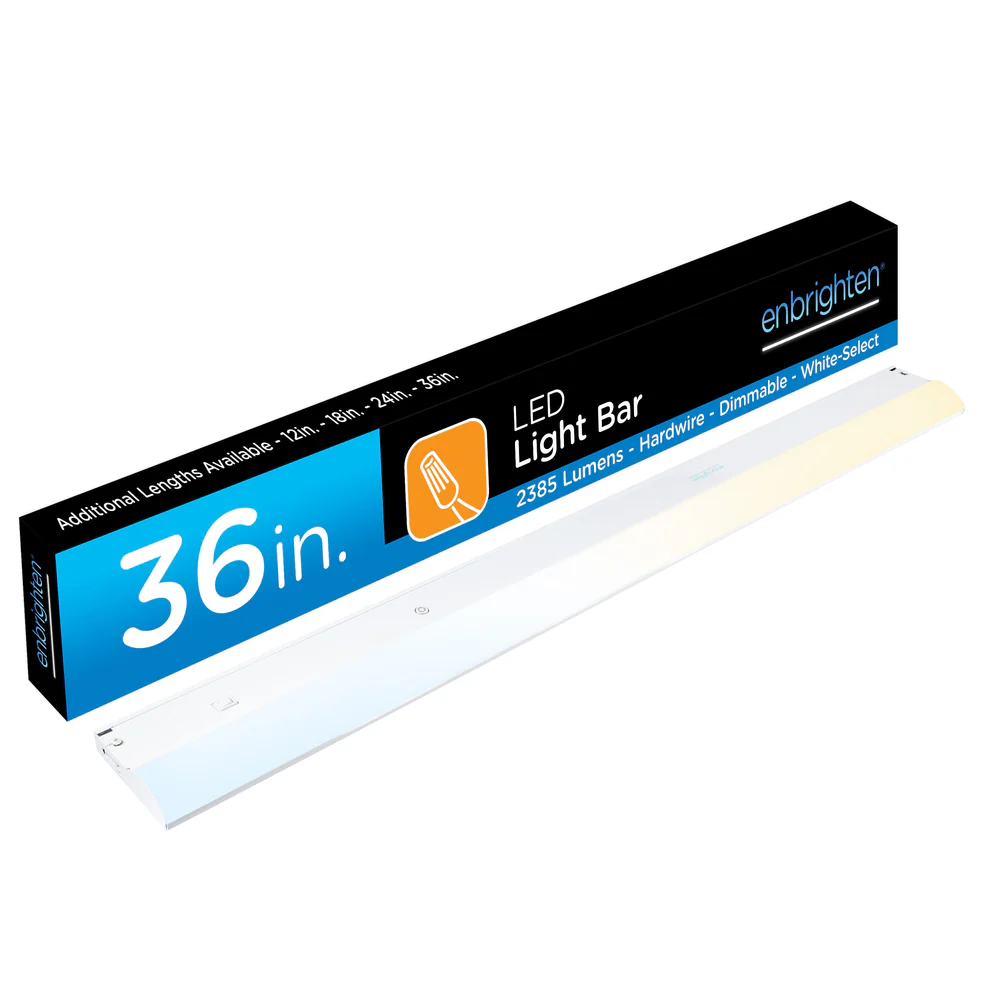
In practical terms, layered lighting means: sconces at eye level, under-cabinet lighting in kitchens, tunable LED sources that adjust from warm evening light to clear daytime light, dimmers on virtually everything, and pathway lighting at floor level for safe nighttime navigation. These aren’t luxury features. They’re foundational.
Lever Handles: The Detail That Signals Thoughtfulness
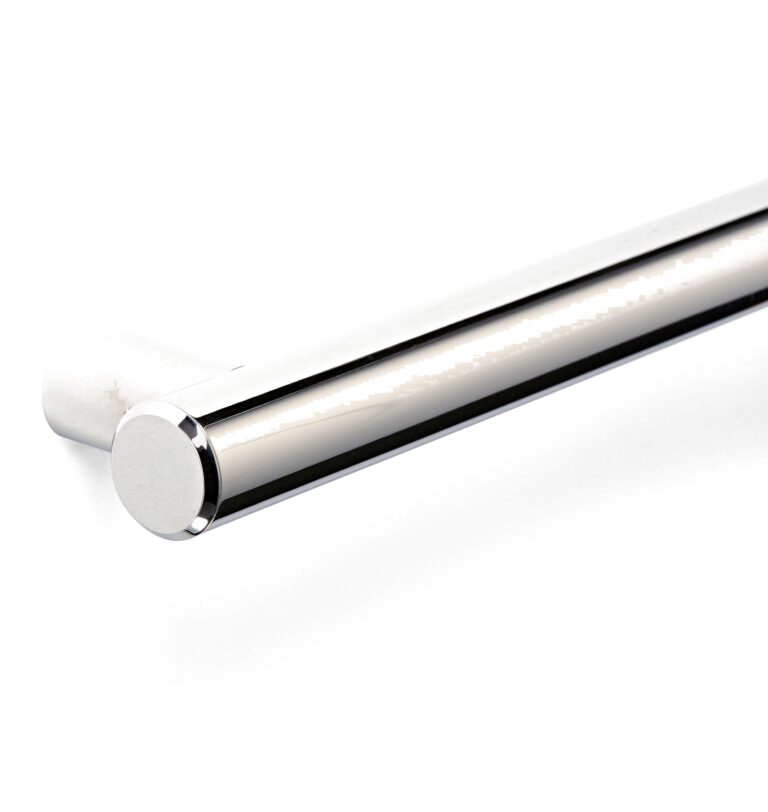
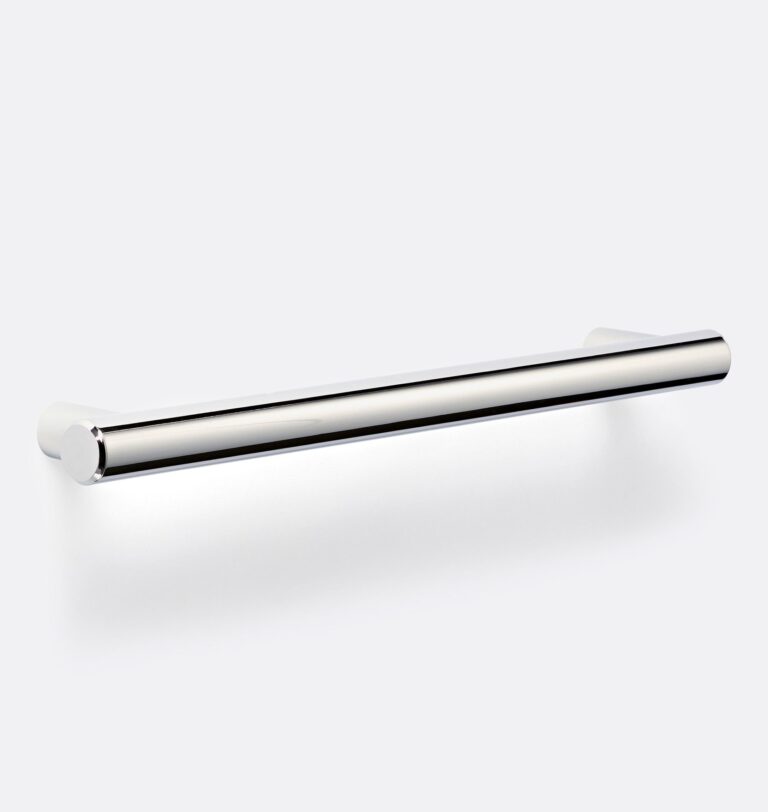
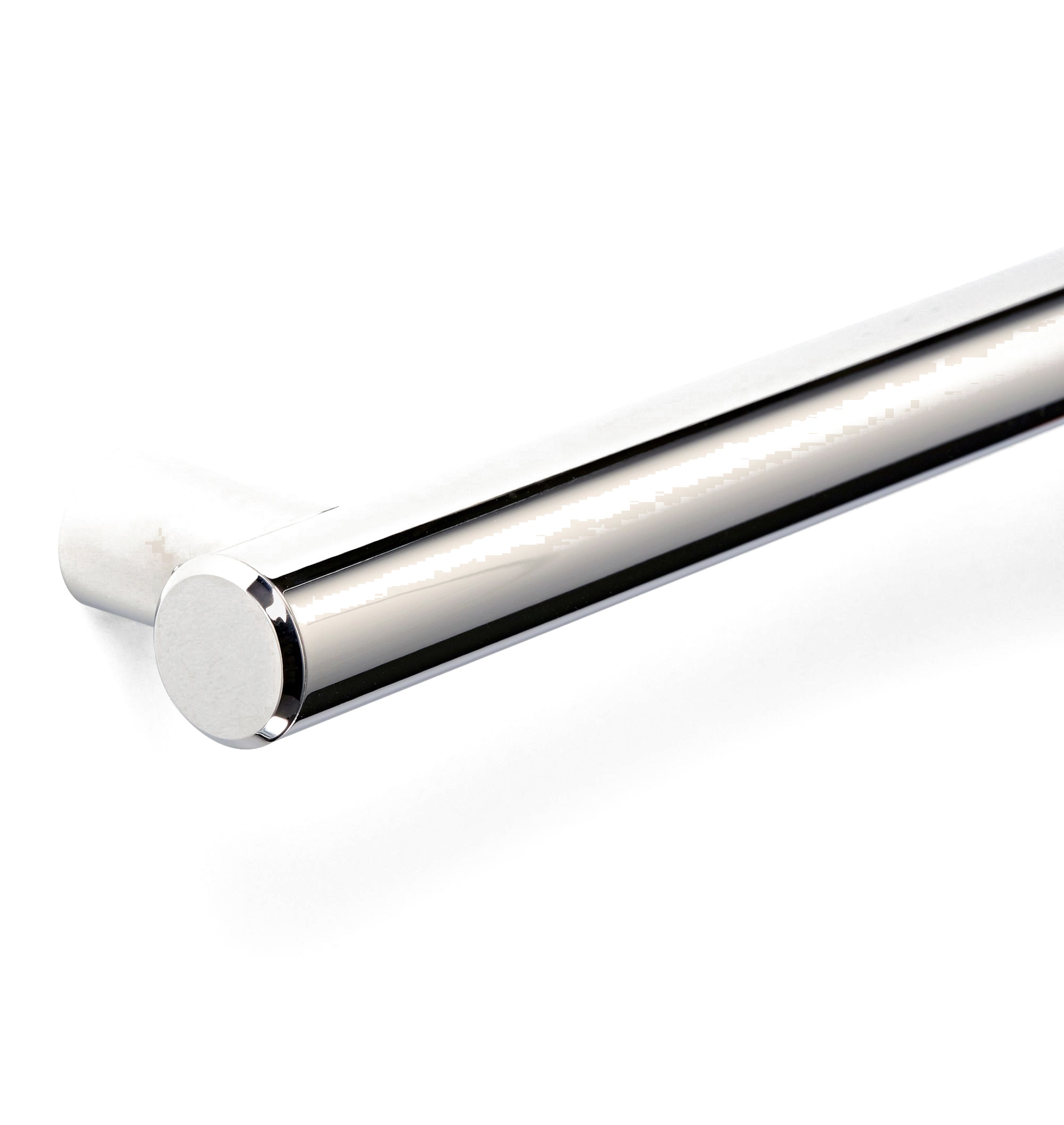
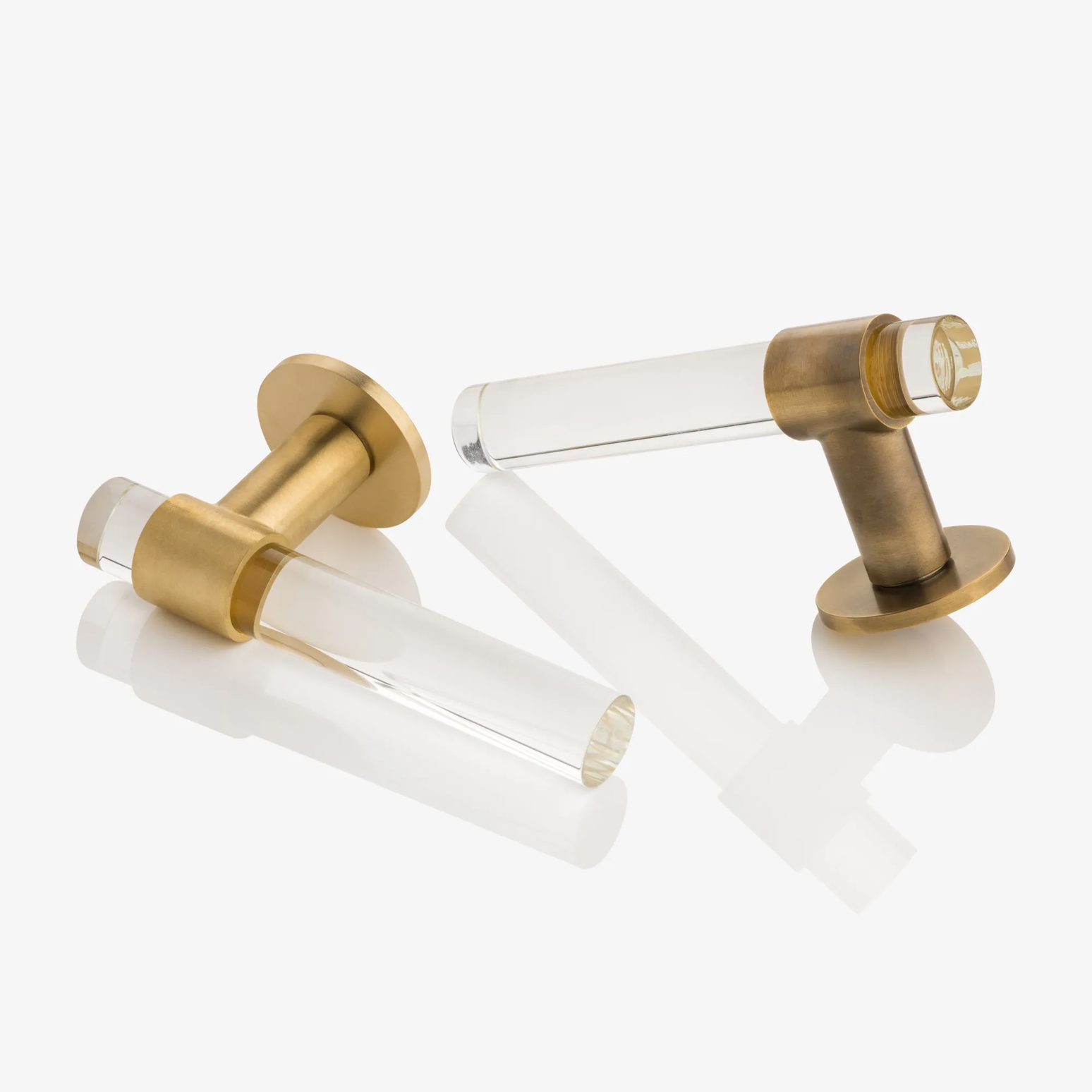
Universal design often succeeds through tiny repeated moments — small decisions that compound throughout daily life. Lever handles are a perfect example. They require zero grip strength. A child can open them. A person carrying groceries can open them with an elbow. Someone with arthritis can open them without pain.
And the hardware available today is stunning. Aged brass, matte black, unlacquered bronze, polished nickel — the aesthetic range is extraordinary. I recently worked with the Collett and Ashworth lever handle collections on a project, and clients immediately noticed the difference in feel. It’s the kind of detail that makes a home feel considered rather than assembled.
Flooring That Supports Instead of Challenges
Flooring affects how a home feels in your body — not just visually. Slippery surfaces create subtle tension with every step. High-gloss finishes that show every footprint require constant maintenance and create visual noise. Hard, unforgiving surfaces amplify sound and create acoustic fatigue.
The most livable homes I’ve designed prioritize matte finishes, textured tile in wet zones, warm wood tones with appropriate finish, and area rugs that are beautiful and non-slip. This isn’t a compromise — it’s what the best interior photography looks like anyway. Softness reads as luxury. Warmth reads as intentionality.
Smart Home Features Are Universal Design
Voice-controlled lighting, app-managed thermostats, automated blinds, motion-activated lighting, and smart locks are not gadget upgrades. They are universal design features that reduce physical friction for everyone who uses them — right now, not years from now.
A lock you can open from the car when your hands are full. Lights that come on automatically when you walk to the kitchen at night. A thermostat that learns your preferences without requiring you to fumble with a touchscreen. These features reduce cognitive and physical load throughout daily life, and buyers increasingly expect them in homes at this price point.
Universal Design Is Not Preparing for Old Age
This is the most important reframe I can offer: universal design is not primarily about aging. It’s about creating homes that support real life more beautifully — right now. Recovering from surgery. Carrying a sleeping child. Hosting an elderly parent for the holidays. Having a bad knee for six weeks. Living with chronic fatigue. Navigating your home at 3am without turning on a harsh overhead light.
A curbless shower feels luxurious today. Better lighting makes you feel better today. Lever handles reduce friction today. The future-proofing is a benefit, not the point.
The best homes are designed for how life actually unfolds — generously, unpredictably, across many different stages and circumstances. You can read more about designing for the full arc of life in my home safety design guide.
What This Means for Home Value
Luxury is evolving. The most desirable homes today are not defined by excess — they’re defined by ease, wellness, emotional calm, and long-term livability. Buyers who walk through a home with wide circulation, a curbless shower, layered lighting, and beautiful hardware don’t need to understand universal design principles to respond to them. They simply say: this house feels right.
That feeling is worth more every year.
12 Changes That Make a Home Safer
Without Looking Clinical
Designer-approved upgrades, lighting strategies, and subtle layout shifts that improve livability while preserving warmth, sophistication, and real beauty.
Download the Free Guide