Rugs That Won’t Slip (and Still Look Designer)
This post contains affiliate links. If you buy through them I may earn a small commission at no extra cost to you. How that works.
A rug that slides, buckles, or catches a toe is not a design element. It is a hazard. But the solution is not to remove rugs from the home — it is to choose them correctly and anchor them properly. Beautiful rugs and safe rugs are not competing categories. They are the same category, chosen thoughtfully.
The Non-Slip Foundation: Every Rug Needs One
No rug is safe without proper anchoring, regardless of its weight or size. A quality rug pad — not the thin foam sheets sold at discount stores, but a dense, rubber-gripped pad cut to size — prevents sliding, adds cushioning, and protects both the rug and the floor underneath. Rug Pad USA and Mohawk Home make reliably effective pads in multiple thicknesses. The pad should be 2 inches smaller than the rug on all sides to prevent it from being visible at the edges.
Low Pile: The Design-Safe Intersection
High-pile and shag rugs catch toes, compress unevenly underfoot, and are genuinely hazardous for anyone with reduced foot clearance. Low-pile rugs — flatweaves, kilims, dhurries, tightly woven wool, and natural fiber options — offer full underfoot clarity, are easier to vacuum, and read as more sophisticated in most interior design contexts anyway. The choice of a low-pile rug is simultaneously the safer and the more design-forward decision.
Fiber and Weight
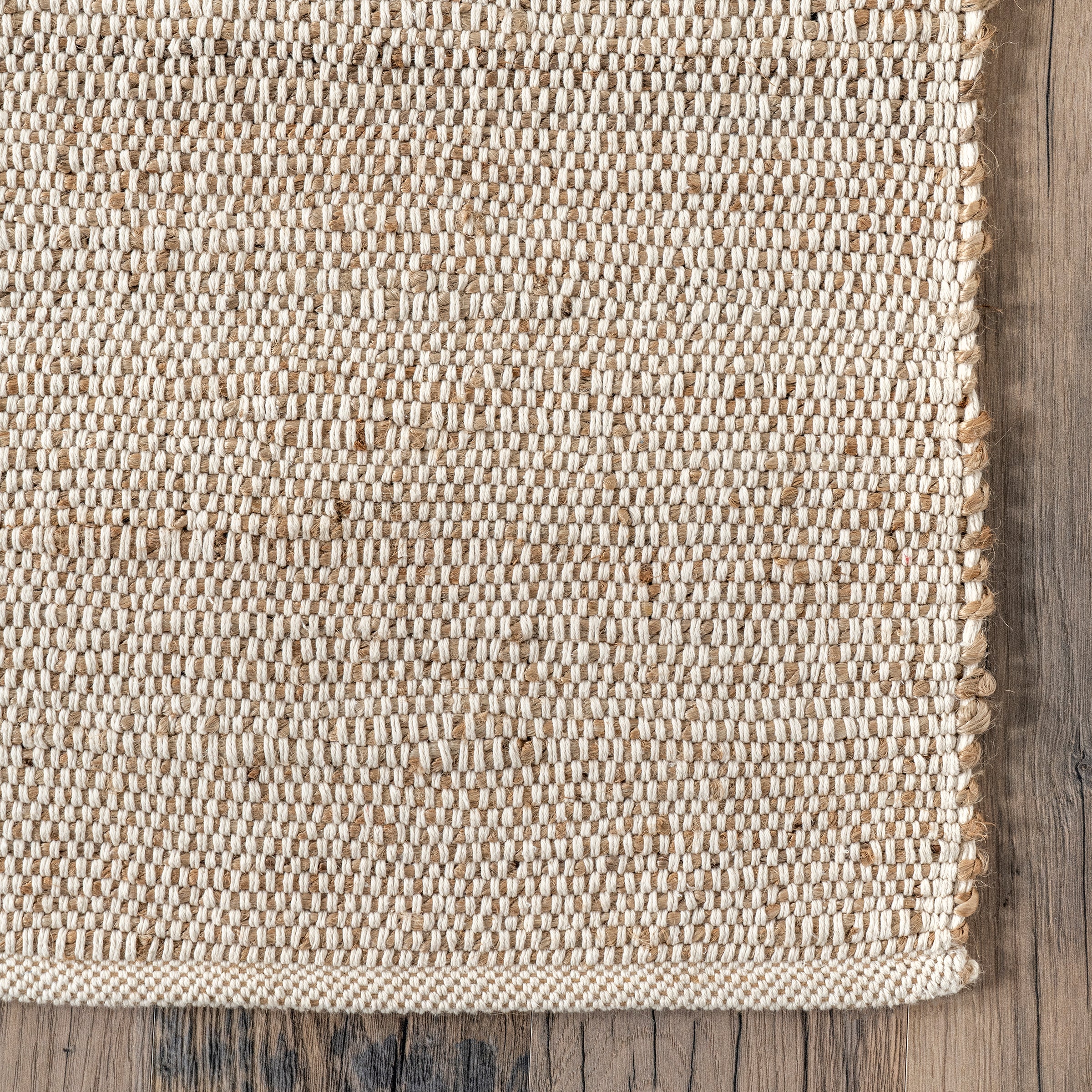
Heavier rugs stay in place more reliably than lighter ones, assuming the same pad quality. Wool, jute, and cotton flatweaves have natural weight; synthetics at the same thickness tend to be lighter. A rug that weighs more is not inherently better, but combined with a quality pad, weight adds an extra layer of security on high-traffic transitions.
Where Rugs Belong — and Where They Don’t
Living room and bedroom area rugs add warmth, define space, and absorb sound. Bathroom rugs add comfort at the vanity and shower exit. Entryway rugs catch debris. These are all appropriate locations when properly anchored. Kitchen rugs in front of the sink and stove are also reasonable with a non-slip pad and a flat, low-pile construction.
Where rugs do not belong: across a doorway threshold where they can buckle, at the top or bottom of stairs where they can cause a missed step, or over existing carpet where the unstable double-layer creates rolling and slipping risk. Remove rugs in these locations regardless of their design contribution.
Rachel’s 6 Picks: Designer Rugs That Are Also Safe
These are the specific rugs Rachel recommends on rachelblindauer.com — the ones where beauty and safety genuinely overlap. Each has a low pile profile, substantial weight, and either built-in non-slip properties or pairs with the Mohawk pad at the bottom of this list.
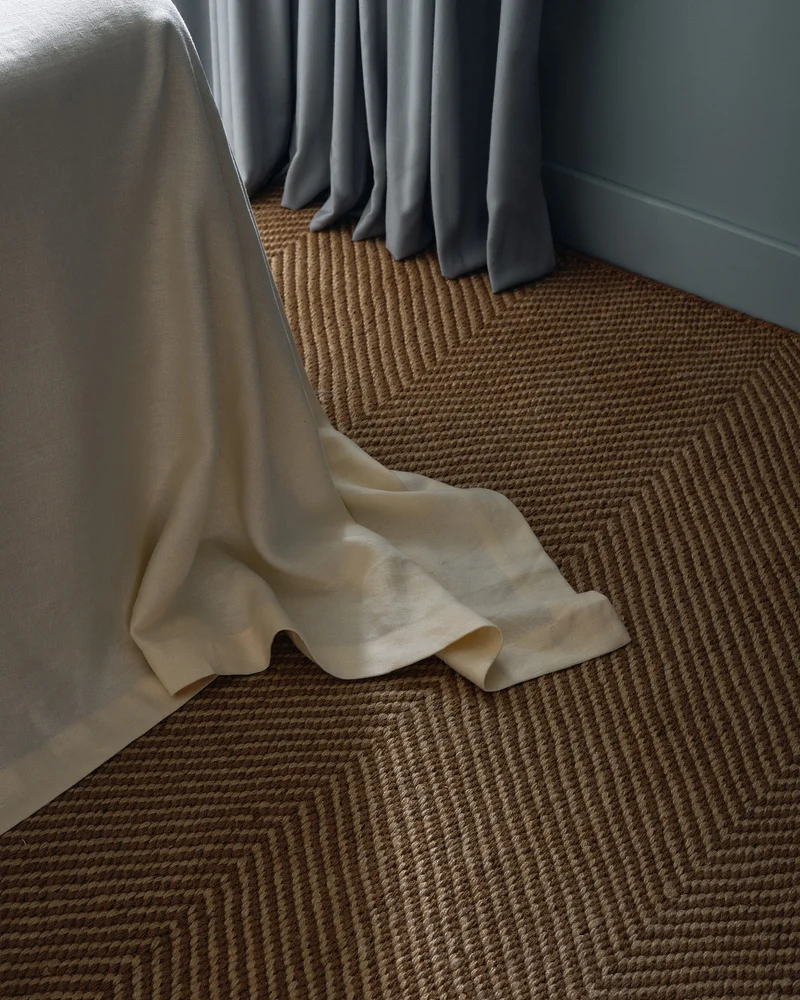
Nordic Knots Jute Herringbone — ~$350. Hand-knotted flatweave jute with a herringbone pattern. Heavy enough to stay put on a quality pad. Photographs beautifully and performs safely.

Ruggable Cyrus Rose Gold Tufted — ~$139. Washable flatweave with Ruggable’s integrated non-slip backing — no separate pad needed on hard floors. Machine washable, consistently beautiful.
nuLOOM Elfriede Jute Blend — ~$120. Natural fiber farmhouse flatweave. Low pile, heavier than it looks, and very approachable in price for a large area rug.
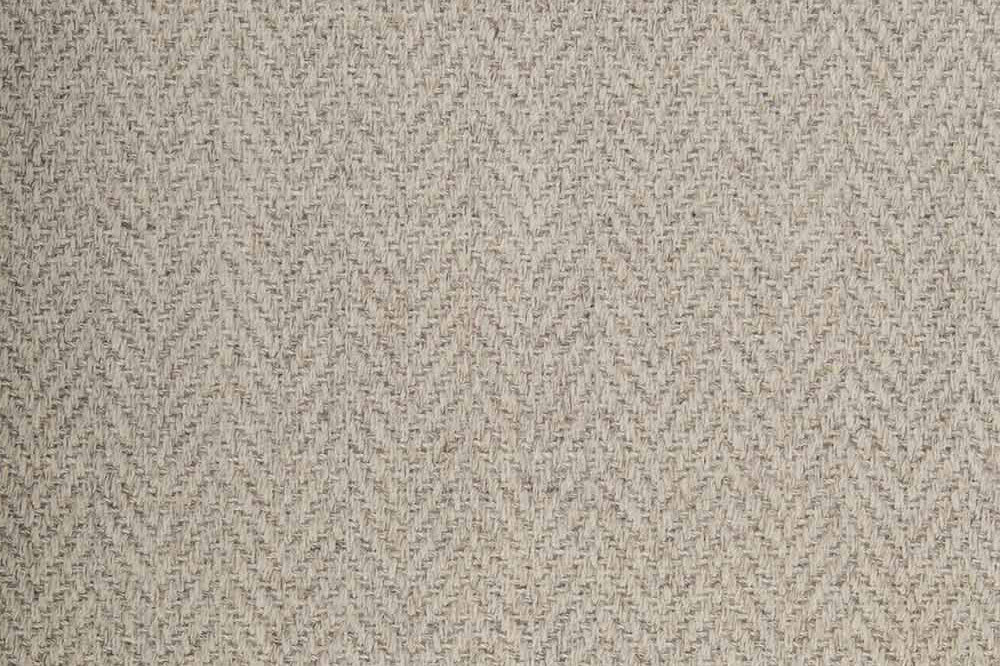
Momeni Heatherly HEA-B Cashmere — Cashmere-blend area rug with a refined low profile. Luxurious underfoot without the trip risk of a thick pile. An investment piece that earns its place on both aesthetics and safety.
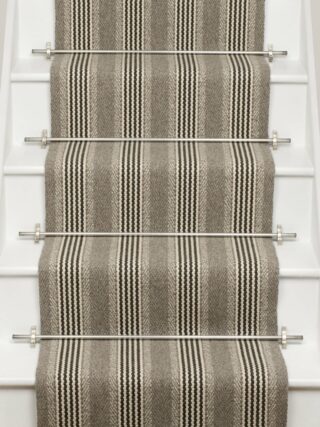
Roger Oates Sudbury Light Grey Stair Runner — The stair safety pick. Flatweave wool, installed with gripper rods for zero movement on stairs — the highest-risk surface in any home.

Mohawk Home Dual Surface Felt + Rubber Rug Pad — ~$35. The foundation every rug above needs (Ruggable excepted on hard floors). Felt top protects the rug; rubber bottom grips the floor. Cut to fit any size.
The Simplest Rule
If a rug moves when you walk on it, it is not safe. Test every rug in your home by walking across it normally. Any movement, any lifting of the edge, any toe-catching at a corner is a problem to solve with a better pad, double-sided rug tape at the corners, or replacement with a heavier option.