Small Changes That Help Aging Parents Stay Independent
Disclosure: Well Aging Home participates in affiliate programs. If you buy through our links, we may earn a small commission at no extra cost to you.
Most aging-in-place guides focus on major renovations. But the changes that make the biggest difference in daily independence are often the ones that cost the least and take the least time. This list covers the high-impact, low-effort changes that can be made today — in any home, by anyone.
Lever Door Handles
Round doorknobs require grip strength and wrist rotation that diminishes with arthritis and age. Lever handles work with a closed fist, an elbow, or almost any part of the hand. The swap takes about 20 minutes per door and costs $20–$50 per handle. Do the front door first, then bedroom and bathroom doors.
Motion-Activated Night Lights
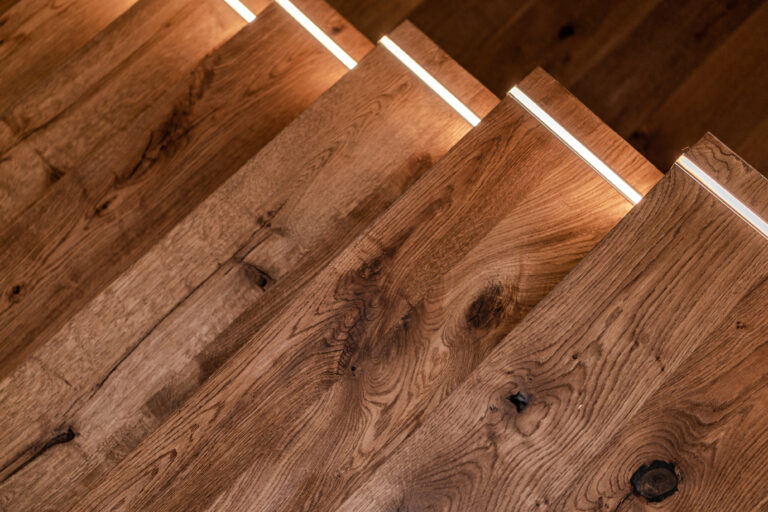
The path from bedroom to bathroom in the dark is one of the highest-risk journeys in daily life for older adults. Motion-activated lights that turn on before you step out of bed and guide the path to the bathroom eliminate this risk with zero ongoing effort. Look for warm white or amber LED — easier on dark-adjusted eyes and better for sleep quality.
Non-Slip Mats and Secured Rugs
Loose rugs are the leading cause of home falls. Every rug should have a non-slip pad underneath and be secured at the edges with double-sided carpet tape. Area rugs on hardwood or tile in high-traffic paths — hallways, beside the bed, kitchen — should be evaluated honestly. If they can’t be fully secured, remove them.
Raised Toilet Seat
Sitting down and standing up from a low toilet is one of the most physically demanding transitions in daily life for someone with weak knees, hips, or reduced leg strength. A raised toilet seat adds 2–4 inches of height and makes this transition immediately easier. Modern versions look like standard toilet seats — no clinical appearance.
Grab Bar at the Front Door
The entry is where people are most often off-balance — managing bags, keys, shoes, and the transition from outdoor to indoor surfaces. A grab bar or sturdy wall-mounted hook near the front door gives something to hold while putting on shoes and stepping in or out. Takes an hour to install and is used multiple times a day.
Reorganized Storage
Move most-used items — dishes, pantry staples, medications, clothing — to heights between waist and shoulder level. Eliminate the need to bend to floor-level cabinets or reach overhead for daily-use items. This is a free change that reduces physical strain dozens of times a day.
Better Seating
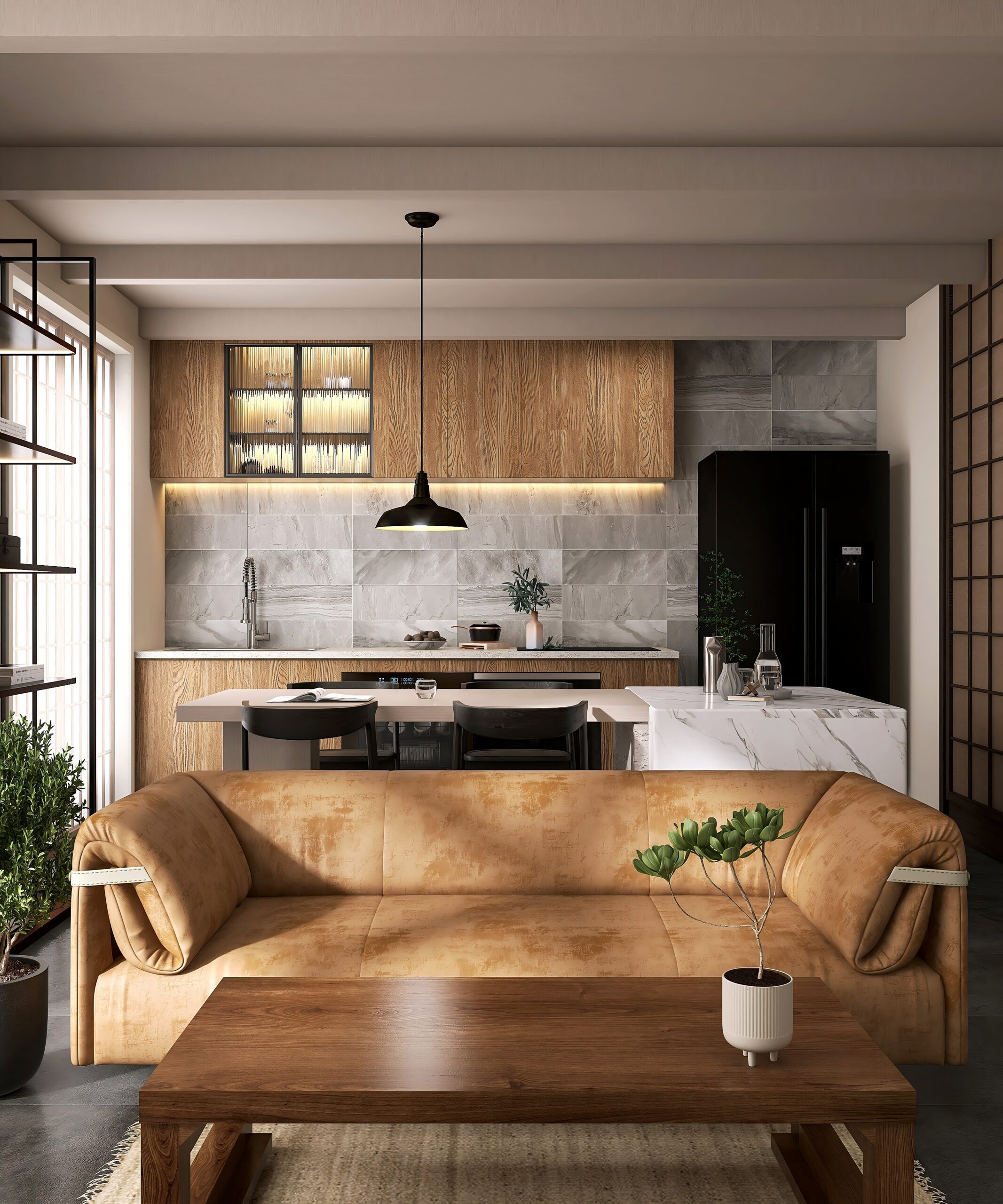
Deep, low sofas and chairs that require significant effort to rise from create daily fall risk. Seating with armrests, firm cushions, and a seat height of 17–19 inches makes standing up safer and less fatiguing. A seat riser for existing furniture can bridge the gap without replacing anything.
Contrasting Colors at Transitions
For anyone with low vision or depth perception changes, clearly visible transitions between surfaces — the edge of a step, the threshold between rooms, the entry to the shower — dramatically reduce fall risk. A contrasting threshold strip, a darker bath mat, colored stair nosings. Simple visual cues that make edges legible.