What to Add Now So You Don’t Have to Renovate Later
The most expensive home modifications are the ones made after a fall. What to install now — calmly, at $100–$300 a grab bar — so you never have to renovate under pressure.
The most expensive home modifications are the ones made after a fall. What to install now — calmly, at $100–$300 a grab bar — so you never have to renovate under pressure.
Before you research showers and stair lifts, answer one question about the floor plan. Whether there’s a full bed and bath on the first floor decides whether staying is even possible.
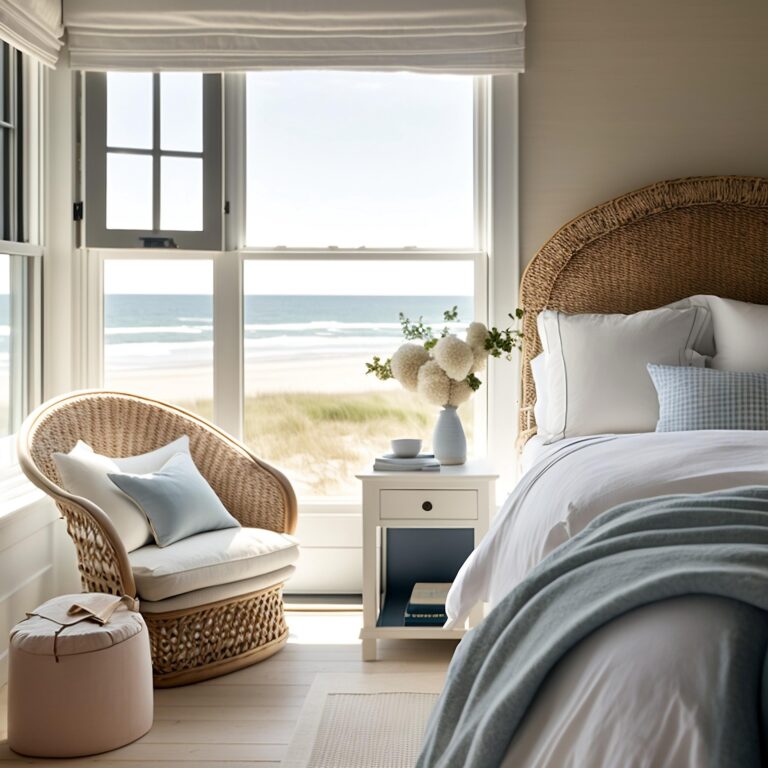
The goal isn’t a home that looks safe. It’s a home that is safe without announcing it — where every safety feature is indistinguishable from a design decision.
The fall-prevention changes that make the biggest difference aren’t renovations — they’re the subtle ones. Rugs, thresholds, contrast, and lighting fixes you can make in a weekend, from a designer and family caregiver.

Occupational therapists see the same preventable falls over and over. Their consistent verdict: almost every one was predictable from the room it happened in.
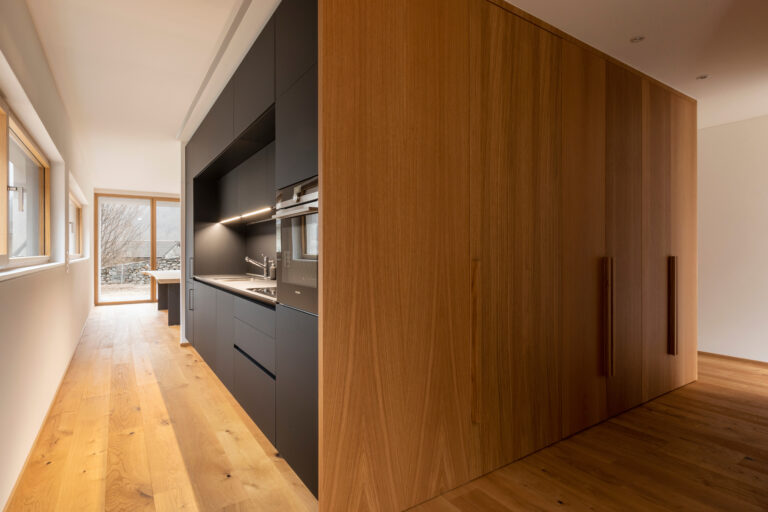
The highest-impact fall prevention available costs under $50 a piece and installs in an afternoon — the interventions OTs and aging-in-place designers name first.
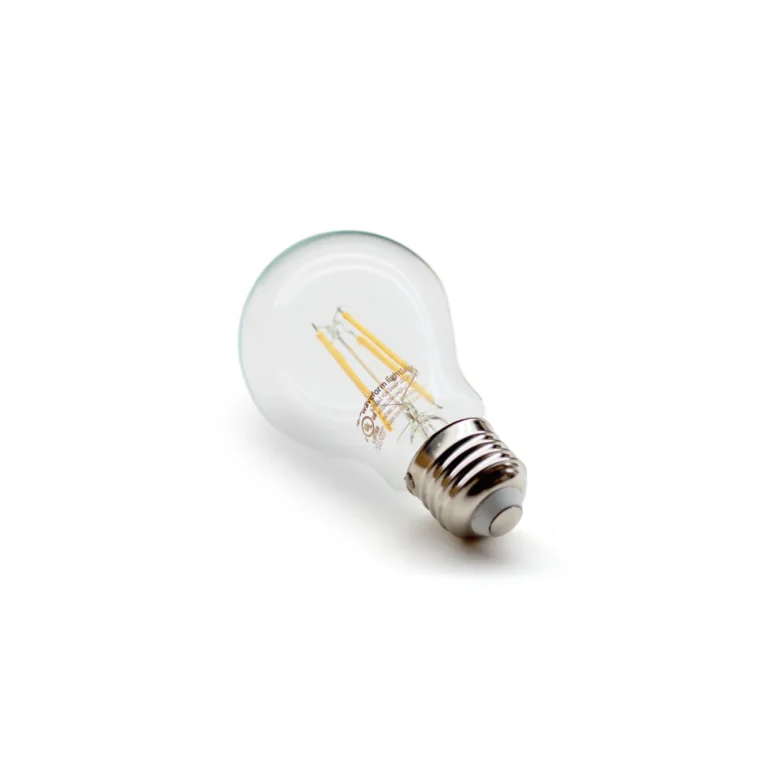
A 65-year-old needs roughly twice the ambient light of a 30-year-old. Most homes are lit for the 30-year-old. How to fix that, starting with lumens instead of watts.
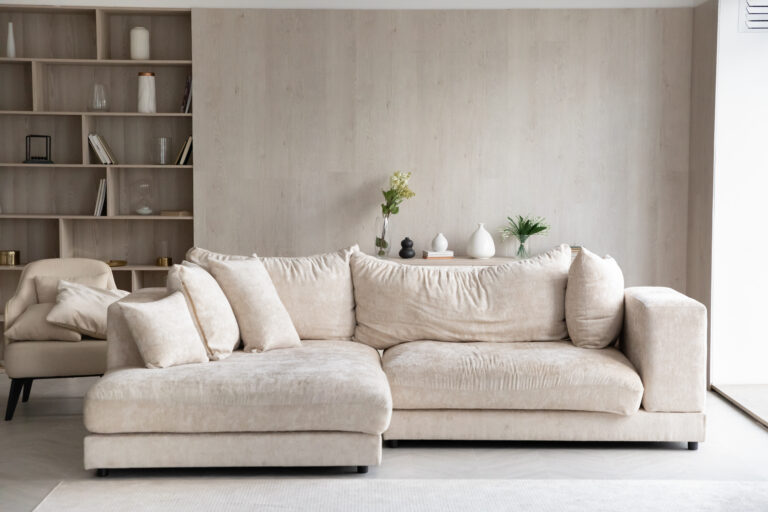
The reliable safety and accessibility products hiding in Amazon’s noise — including the no-drill tension poles that work for renters who can’t install a permanent grab bar.
Occupational therapists recommend a product because they’ve watched it change someone’s daily function, not because it appeared in a catalog. What comes up most in home assessments.
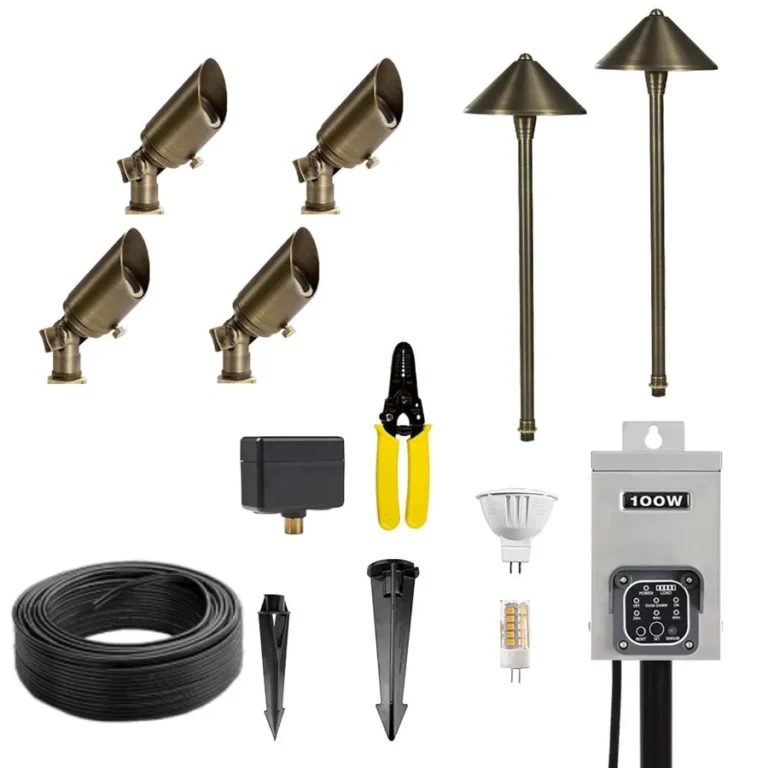
Falls cluster at night, in the disoriented walk from bed to bathroom. A well-placed night light changes the risk profile of every one of those moments.
A real caregiver shares the 7 technology tools that transformed how she keeps her aging parents safe — honest reviews, what worked, what didn’t.
12 beautiful safety changes for aging parents.
Get the Free Guide →No spam. Unsubscribe anytime.