7 Tech Tools That Helped Me Keep My Aging Parents Safe at Home
This post contains affiliate links. If you buy through them I may earn a small commission at no extra cost to you. How that works.
Disclosure: Well Aging Home participates in affiliate programs. If you buy through our links, we may earn a small commission at no extra cost to you.
I came to the subject of aging-in-place technology the way most people do: suddenly, under pressure, after something happened that could not be ignored. My mother’s fall in the hallway at night was not severe. But it was serious enough to rearrange how I thought about her home, and about the gap between the safety measures I assumed were in place and the reality of a house that had not been designed with any of this in mind.
Over the following year, I researched, tested, and implemented a set of technology tools that changed the situation meaningfully. These are the seven that made the most difference.
1. Smart Lighting System (Lutron Caseta)
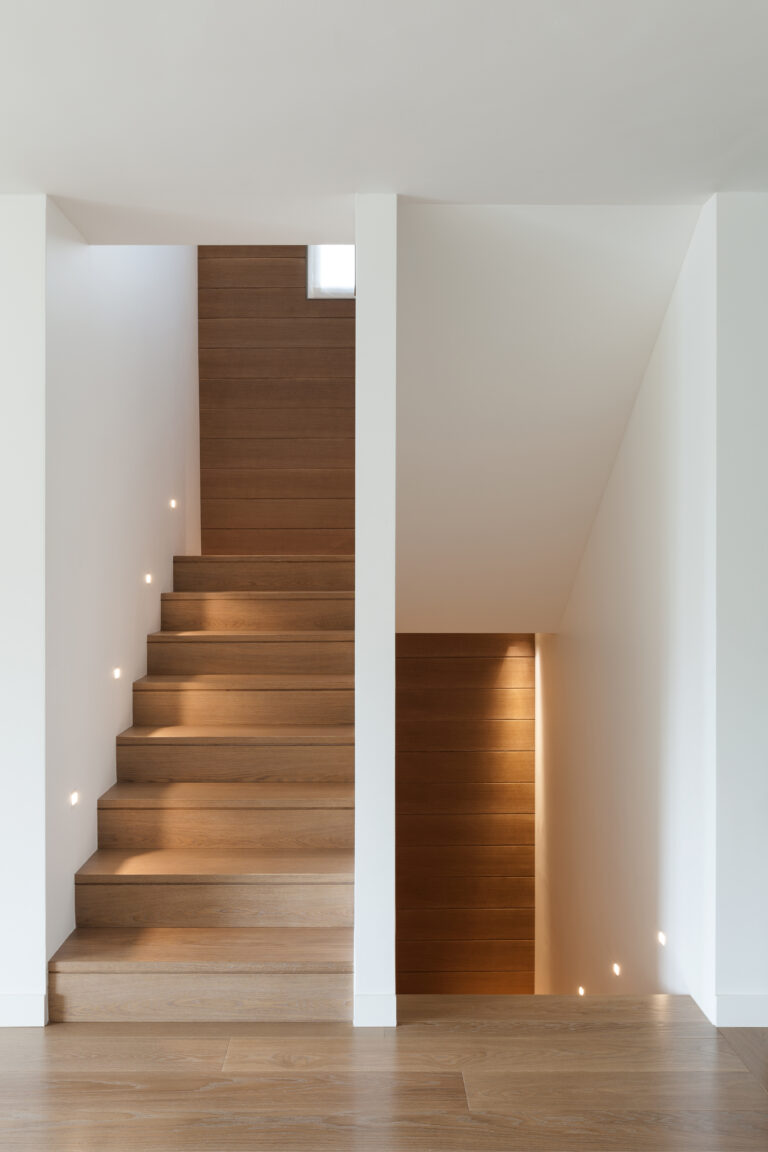
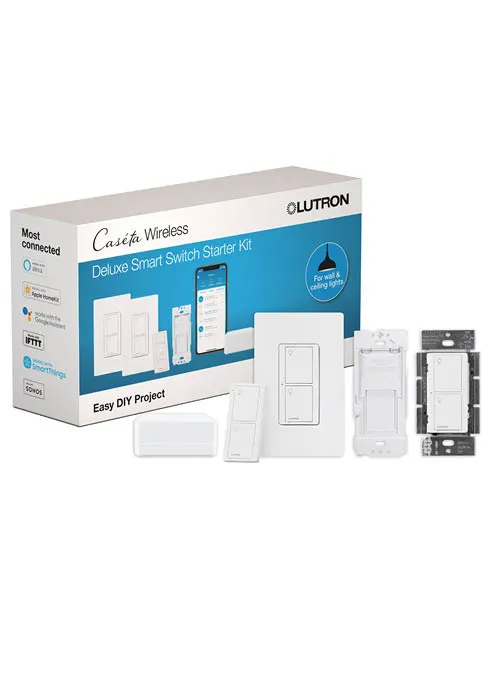
Automatic lighting along the nighttime path — from bedroom to bathroom and back — is the single highest-impact technology change available. The Lutron Caseta system lets you program lights to activate by motion, by time of day, or by voice command. I installed it in my mother’s bedroom, hallway, and bathroom. The middle-of-the-night bathroom trips became fully lit, automatically, without any action required on her part. This was the change that addressed the specific scenario of her fall.
2. Smart Doorbell (Ring or Nest)
A video doorbell provides a camera feed accessible by phone, so a caregiver can see who is at the door without their parent needing to navigate to the entrance. It also creates a record of who has entered and exited, which is useful for tracking routine and catching deviations from it. The Ring Video Doorbell Pro 2 and Google Nest Doorbell are the two dominant options, both well-supported and widely compatible.
3. Medical Alert Device (Lively/GreatCall)
A wearable medical alert device — worn as a pendant or wristband — allows the user to summon help with one button press in the event of a fall or medical emergency. The newer generation of these devices, from Lively and Medical Guardian, includes automatic fall detection that does not require the user to press anything. The Lively Mobile Plus works outside the home on cellular, not just within range of a base station, which is a meaningful functional expansion over earlier generations.
4. Medication Management (Hero or MedMinder)
I mentioned medication management in the context of pill organizers (see also the no-subscription MedaCube). The technology version — an automatic dispenser connected to a caregiver app — adds a layer of monitoring that the physical organizer cannot provide. When a dose is missed, I get a text. When the dispenser is running low, I get a notification. The Hero system handled this for my mother’s situation; MedMinder is the alternative designed specifically for supervised management.
5. Smart Water Sensor (Flo by Moen)
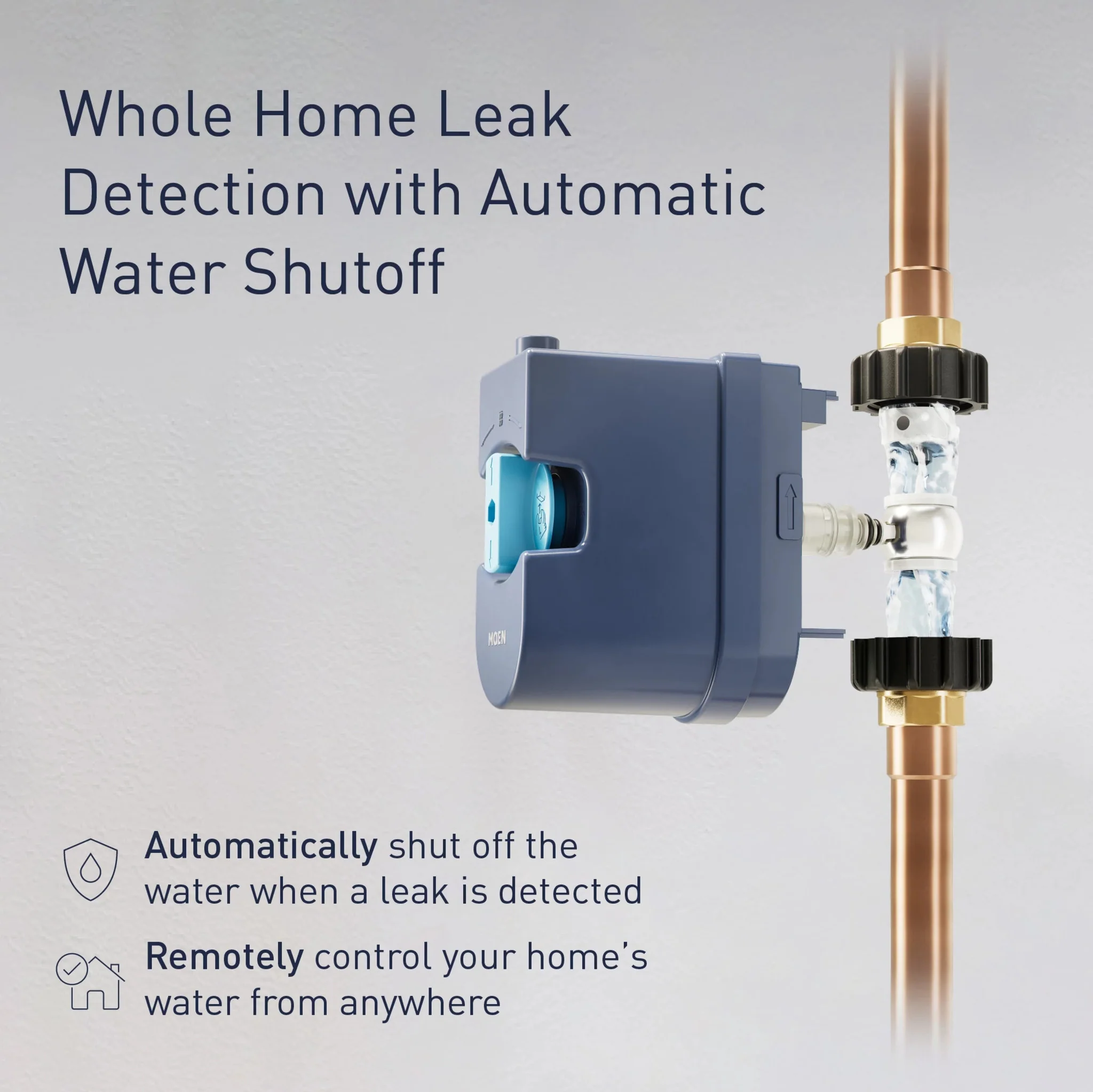
A left-running tap or an undetected slow leak causes problems that compound quietly. The Flo by Moen system monitors the home’s water lines, detects abnormal flow patterns, and alerts the homeowner or caregiver by phone. It can also automatically shut off the water supply if a significant leak is detected. For a parent living alone, this is the category of problem that can go unnoticed for weeks without a monitoring system.
6. Smart Smoke and CO Detectors (Nest Protect)
The Nest Protect speaks aloud to identify which detector triggered and where the hazard is — not just a beep that requires the occupant to investigate. It tests itself automatically. And it alerts you by phone simultaneously. For an older adult living alone, the Nest Protect reduces the response time and cognitive complexity of a smoke event in a way that a traditional detector cannot.
7. Door and Window Sensors
A door or window sensor that alerts a caregiver when a door opens at an unusual hour — 3am, repeatedly — provides pattern monitoring that is genuinely useful for early detection of wandering behavior or unusual activity. SimpliSafe and Ring both offer door sensor systems that integrate with broader smart home setups and send smartphone alerts.
These seven tools did not replace the human presence and care that my mother needs. But they created a layer of awareness and automation that reduced the risk from the gaps between visits, and that reduced the anxiety of not knowing what was happening in the hours I was not there. That is what technology can do at its best.