The Best Wheelchairs for Home Use (2026): A Designer’s Guide — and the House That Makes One Work
This post contains affiliate links. If you buy through them I may earn a small commission at no extra cost to you. How that works.
The Best Wheelchairs for Home Use (2026): A Designer’s Guide — and the House That Makes One Work
The chair is the easy part. Doorways, thresholds, turning space and reach are what make it work.
Part of our complete guide: Aging in Place: The Complete Guide. I’m a residential interior designer and my mother uses a wheelchair, so I live with everything on this page. Over 15+ years designing homes, I’ve learned that most safety problems are solved by better design long before medical equipment enters the room. I’m not an OT or a seating specialist — chair selection should be done with one. Well Aging Home participates in affiliate programs; if you buy through a link, I may earn a small commission at no extra cost to you.
Best wheelchairs for home use: quick answer
For the chair, Drive Medical across every category — a transport chair if someone pushes, a standard self-propelling chair if the user can, and seat height matched to the bed, toilet and car seat. But the chair works only as well as the house: 32-inch clear door openings, flush thresholds, hard smooth flooring, a 60-inch turning circle beside the bed and in the bathroom, and daily items within 15–48 inches of the floor.
What I tell clients before buying a wheelchair
The wheelchair is the easy part. Every “best wheelchairs” list will tell you about wheel size and folding frames, and I’ll cover that below. But after living with my mother’s chair, here’s what nobody says: the wheelchair works exactly as well as the house lets it. A $3,000 chair in a house with 28-inch doorways, a half-inch threshold at every room, a rug that bunches under the front casters and a bathroom it can’t turn around in is a worse product than a $250 chair in a house designed for it.
So my specification is in two parts. First, the chair — and I’ll give you my brand standard. Second, and more important, the house: flush thresholds, a 32-inch clear opening at every door the chair uses, a 60-inch turning circle where it matters, flooring the casters roll on, and the handful of hardware changes that turn “accessible” into “independent.”
One more thing, because real estate agents say it to me: none of this should be visible. A house that announces its adaptations — the aluminum ramp, the widened doors with the old trim still showing, the rubber threshold wedges — is a house a young couple won’t buy to start their family in. Every change below can be done so it reads as good design. Think Four Seasons, not hospital.
Think Four Seasons, not hospital
The accessible suite at a Four Seasons is built for a wheelchair and you would never guess. That’s the picture to work from. What that room gets right:
- The floor is one continuous surface. Hard flooring runs from the corridor through the door, across the room and into the bathroom with no threshold and no change in level — the wet-room floor is the bedroom floor, just sloped to a drain.
- Doors are wide and the hardware is a lever. A 36-inch door with a lever handle and a lowered closet rod. Nothing is labeled accessible; it just is.
- Everything sits at seated height. Switches at 42 inches, outlets at 18, the safe and the coffee tray at desk height, a second peephole and robe hook lower on the door, the vanity wall-hung with open space beneath.
- Turning space is designed in. A clear 60-inch circle beside the bed and in the bathroom — furniture placed to protect it, not to fill the room.
- Controls come to you. Lighting, shades and temperature from a bedside panel, a remote in the bathroom. A guest who can’t reach the wall doesn’t have to.
Every item below is one of those decisions translated to a house.
The chair

Drive Medical Wheelchairs
Transport, standard self-propel, lightweight and power — one brand whose build quality is consistent across the range: frames don’t flex, footrests don’t loosen, and the weight is manageable for a caregiver lifting into a car. I specify the model per person, but always from this range.
Rachel’s brand standard across every category
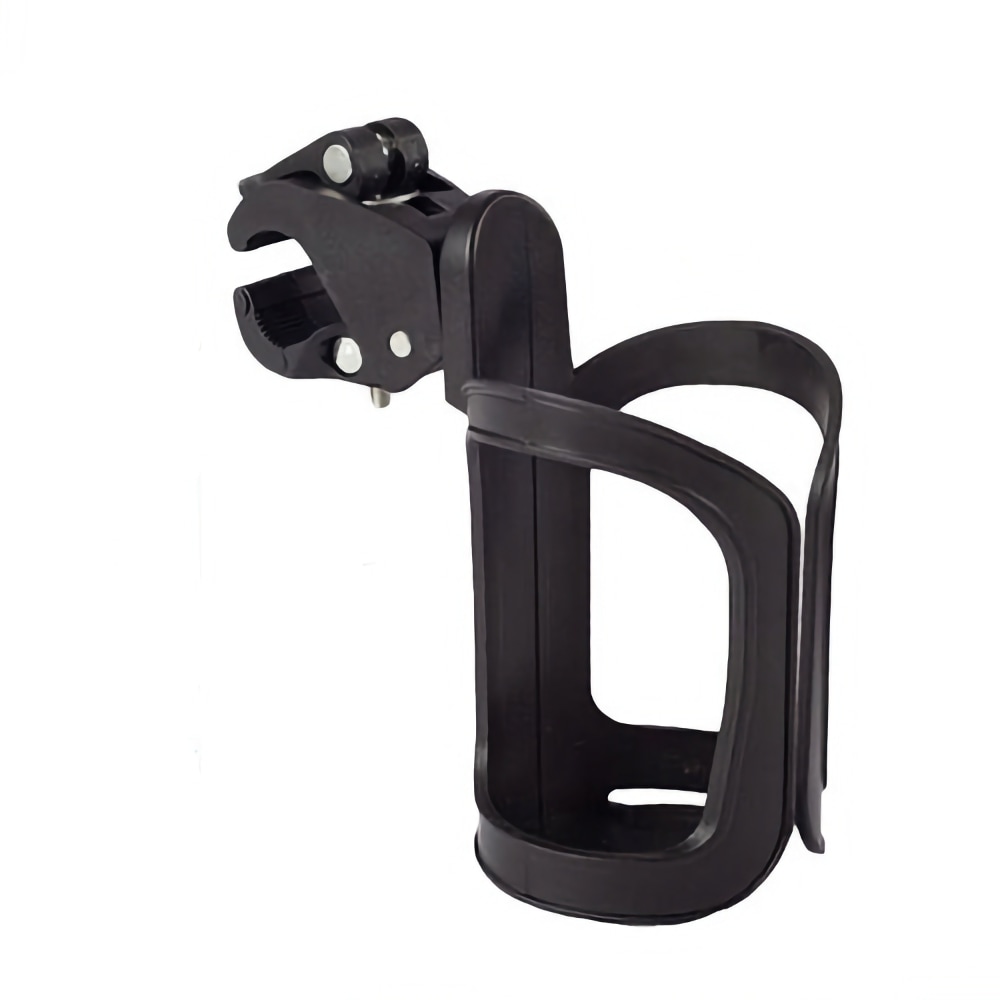
Active Hands Wheelchair Drinks Holder
Attaches to any wheelchair frame and holds bottles, cups, or thermoses securely within easy reach. Keeps hydration accessible without caregiver assistance — pairs perfectly with the copper water bottle.
Small thing, daily difference
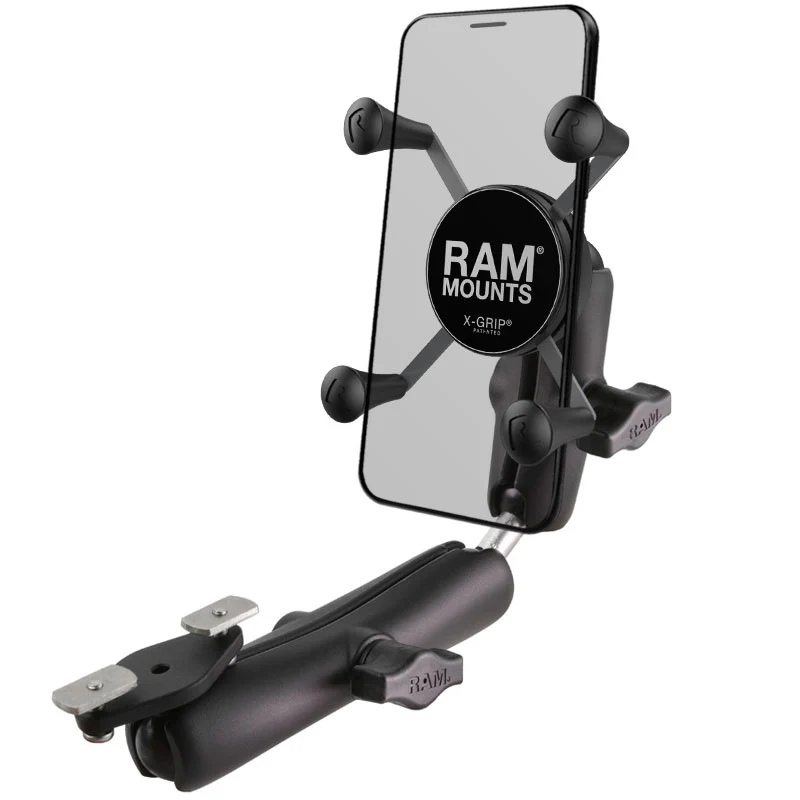
RAM X-Grip® Wheelchair Phone Mount
Complete kit — spring-loaded X-Grip holder plus a ball base that attaches directly to most wheelchair armrests. Ball-and-socket design lets you position the phone exactly where it’s easiest to see and reach, one-handed. Vibration-resistant, works indoors and out. Lifetime warranty.
Phone within reach, hands free
Three questions before you choose a model
- Self-propelling or caregiver-pushed? If the user can push, a standard self-propelling chair with 24-inch rear wheels. If not, a transport chair — lighter, small wheels, built for the person pushing. A power chair is for someone who can’t self-propel and spends much of the day in the chair.
- What’s the narrowest door the chair has to pass? Standard chairs are 24–27 inches wide; older homes often have 28–30 inch doors, which leaves no room for knuckles. Measure the clear opening with the door open, not the frame. Then read the next section.
- Will it go in a car? Most caregivers can’t safely lift a standard chair into a trunk alone. If the chair travels, weight and folding matter more than features — a lightweight transport chair or an ultra-lightweight standard chair.
Two more that experience taught me: seat height should let the user’s feet reach the floor for foot-propelling and sit level with the bed, toilet and car seat for transfers — measure those three surfaces before ordering. And armrests should be removable or flip-back so a side transfer is possible without lifting the person over them.
What a wheelchair costs in 2026
- Transport chair: $100–$300.
- Standard self-propelling: $150–$500; ultra-lightweight (under 30 lb) $400–$1,500.
- Power chair: $1,500–$5,000 for consumer models; complex rehab chairs are far more and are prescribed.
- Medicare: Part B covers a manual wheelchair as durable medical equipment with a doctor’s order when it’s needed inside the home; power chairs require a face-to-face exam and more documentation. Expect 20% coinsurance. A transport chair is generally not covered. See does Medicare cover home modifications.
The house: what actually makes a wheelchair work
Doorways
A wheelchair needs a 32-inch clear opening — the space between the door face and the stop with the door open 90 degrees, not the size of the door. A 32-inch door gives you about 30 inches clear; a 34- or 36-inch door is what you want. Two cheaper fixes before you reframe a wall: offset (swing-clear) hinges gain about two inches by swinging the door out of the opening, and removing the door from a closet or a bathroom that has a second door gains the full width. When you do widen a door, replace the casing on both sides so it looks like the house was built that way.
Thresholds and flooring
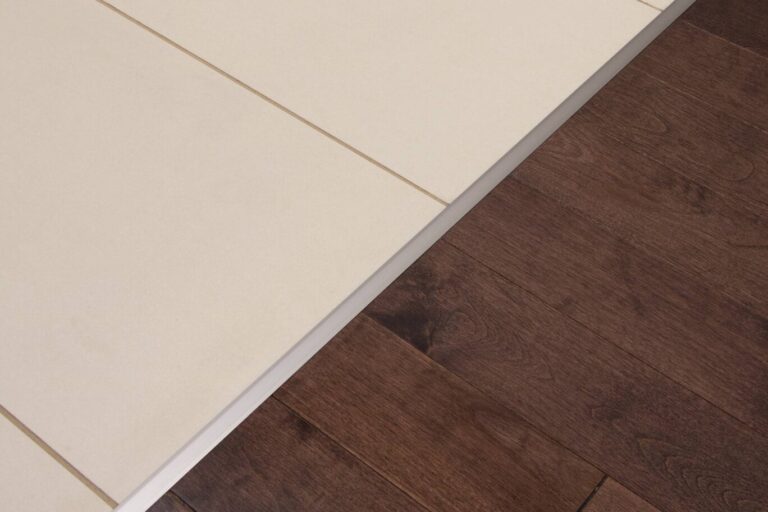
Every quarter inch matters. Front casters catch on anything over ¼ inch, and the rubber wedge ramps sold for thresholds are the single most “medical-looking” thing in a house. The design answer is to eliminate the change in level: run one flooring through, or set the two floors flush and bridge them with a flat T-profile or a stone threshold cut level. In the bathroom that means a curbless shower — see why I specify a wet room. Casters want a hard, smooth surface: luxury vinyl plank, tile, sealed wood. No carpet over ¼-inch pile, and if there’s a rug, it’s low-pile, thin, and anchored on a pad at every edge. My full flooring guide is here.
Turning space
A standard chair needs a 60-inch circle to turn around (a T-turn works in a 36-inch hallway with 60-inch legs). You need that circle beside the bed, in the bathroom, and at the kitchen sink. In practice: fewer, larger pieces of furniture, nothing on the floor, and the bed moved off-center if that’s what it takes — see walker-friendly living room ideas and bedroom layout for better mobility.
Reach
From a chair, comfortable reach is roughly 15 to 48 inches off the floor. Move what’s used daily into that band: a wall-hung vanity with knee space, lever or touch faucets, switches lowered to 42 inches, outlets raised to 18, a lowered or pull-down closet rod, the microwave on the counter not over the range, and dishes in drawers, not upper cabinets. See how to design a kitchen you can use at 80.
Entry
One step is enough to trap someone at home. A ramp needs 12 inches of run for every inch of rise — a 24-inch step means a 24-foot ramp, which is why I’d rather regrade the walk, add a landscaped sloped path, or build the deck out to meet the door than bolt on an aluminum ramp. A keyless lock the user can operate from seated height finishes it. See what to add now so you don’t have to renovate later.
What I specify for the house
These are the pieces from my full collection that do the work above.
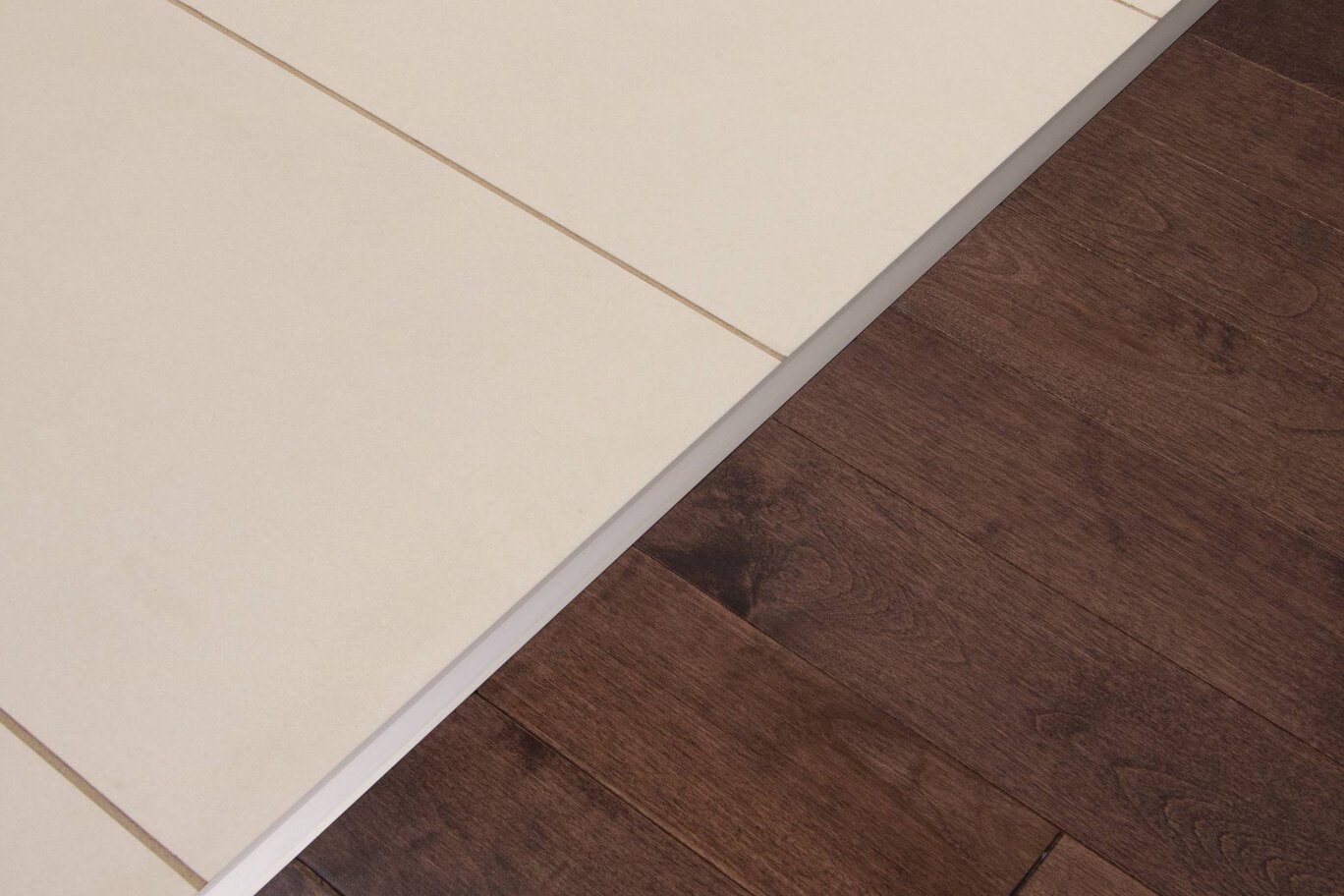
Schluter RENO-T — Floor & Decor
17/32 in. wide transition, aluminum satin finish. Floor & Decor carries a wide selection of Schluter profiles and is an excellent resource for contractors specifying whole-floor transitions.
Thresholds are the enemy — this is how you erase them

Shaw Contract Coretec Branching Out Plains Oak — Living Areas
100% waterproof LVP, floating install, textured traction. Eliminates transition strips between rooms.
What my wheelchair-friendly living rooms are floored in

Daltile Haddonstone — Wet Zones
High-traction tile with natural stone aesthetic. Rachel’s go-to for spa-style shower floors.
Wet-zone floor a chair can roll on

Wyze Palm Lock
Palm recognition. No keys, no codes. Works in complete darkness. Transformative for limited dexterity.
No keys, no fumbling, from a seated height
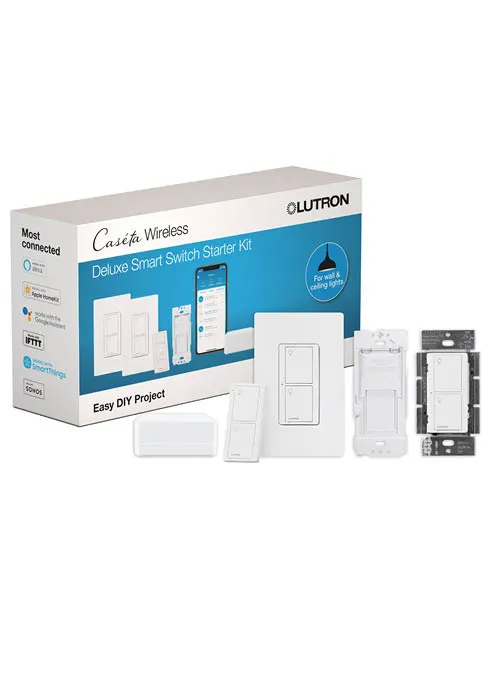
Lutron Caseta Wireless
The most reliable smart lighting foundation. Integrates with every major ecosystem. Rachel installs this first.
Lights and shades from the phone or a bedside remote
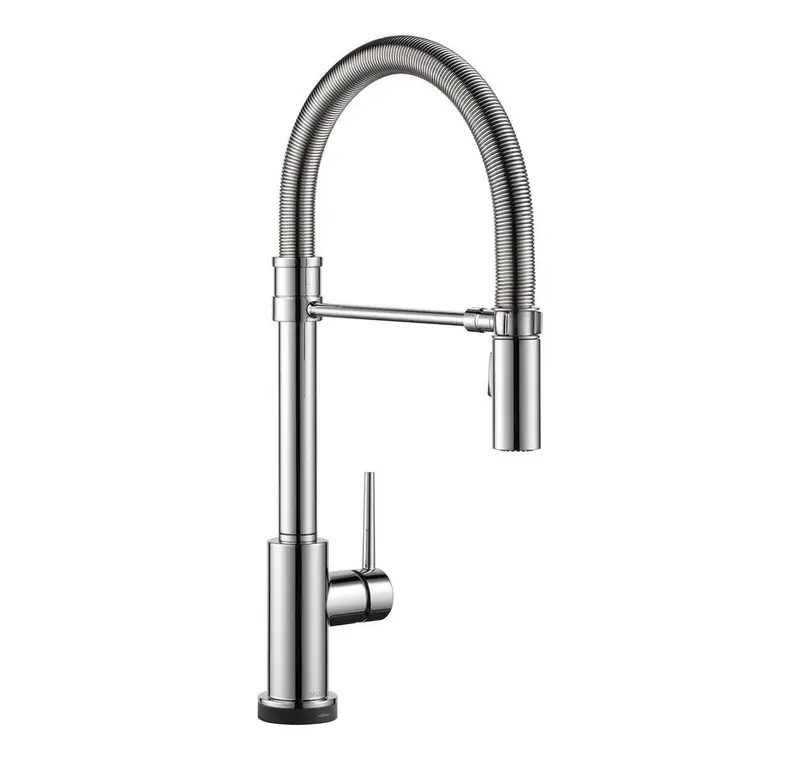
Delta Trinsic Touch2O Pull-Down Faucet
Touch anywhere to activate. Magnetic docking. Available in multiple finishes.
Tap the faucet with a wrist from a chair
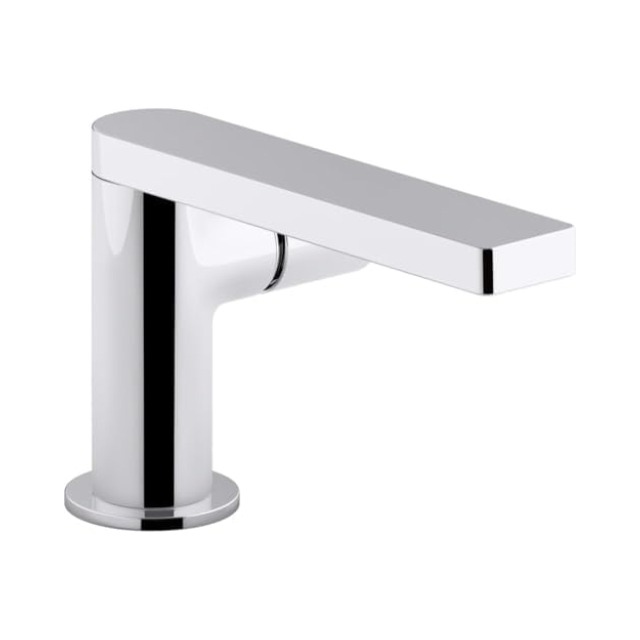
Kohler Composed Single-Handle Bathroom Sink Faucet
Manual single-handle version of the Composed series. Architectural cylinder profile, 1.2 GPM low-flow (meets California codes), ceramic disc valves. Single-handle means one-handed operation — no separate temperature dial.
Lever, not knob — reachable from seated
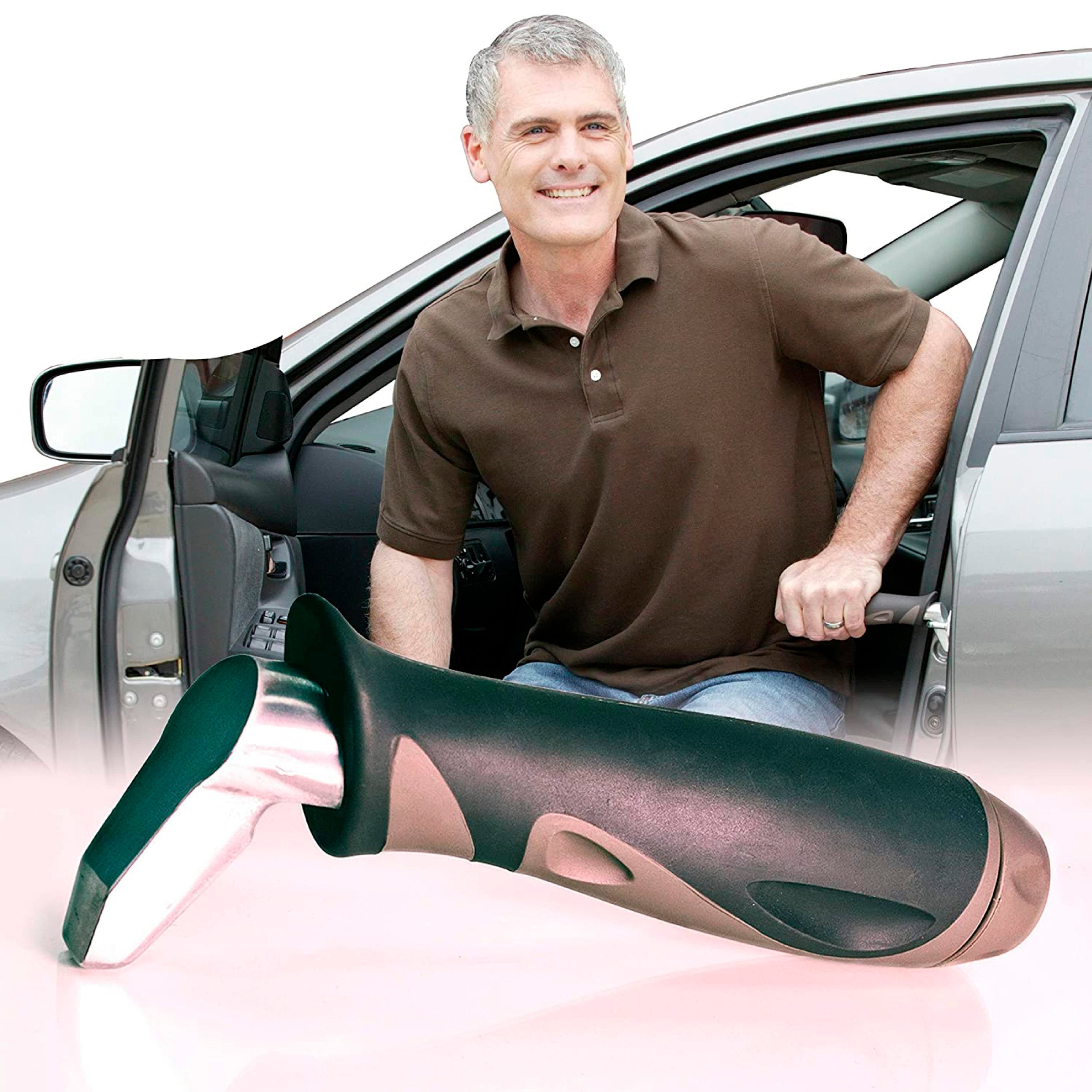
Stander Metro Car Handle Plus
Ergonomic grip + built-in flashlight for car transfers. No vehicle modifications required.
The transfer into the car is the hard part
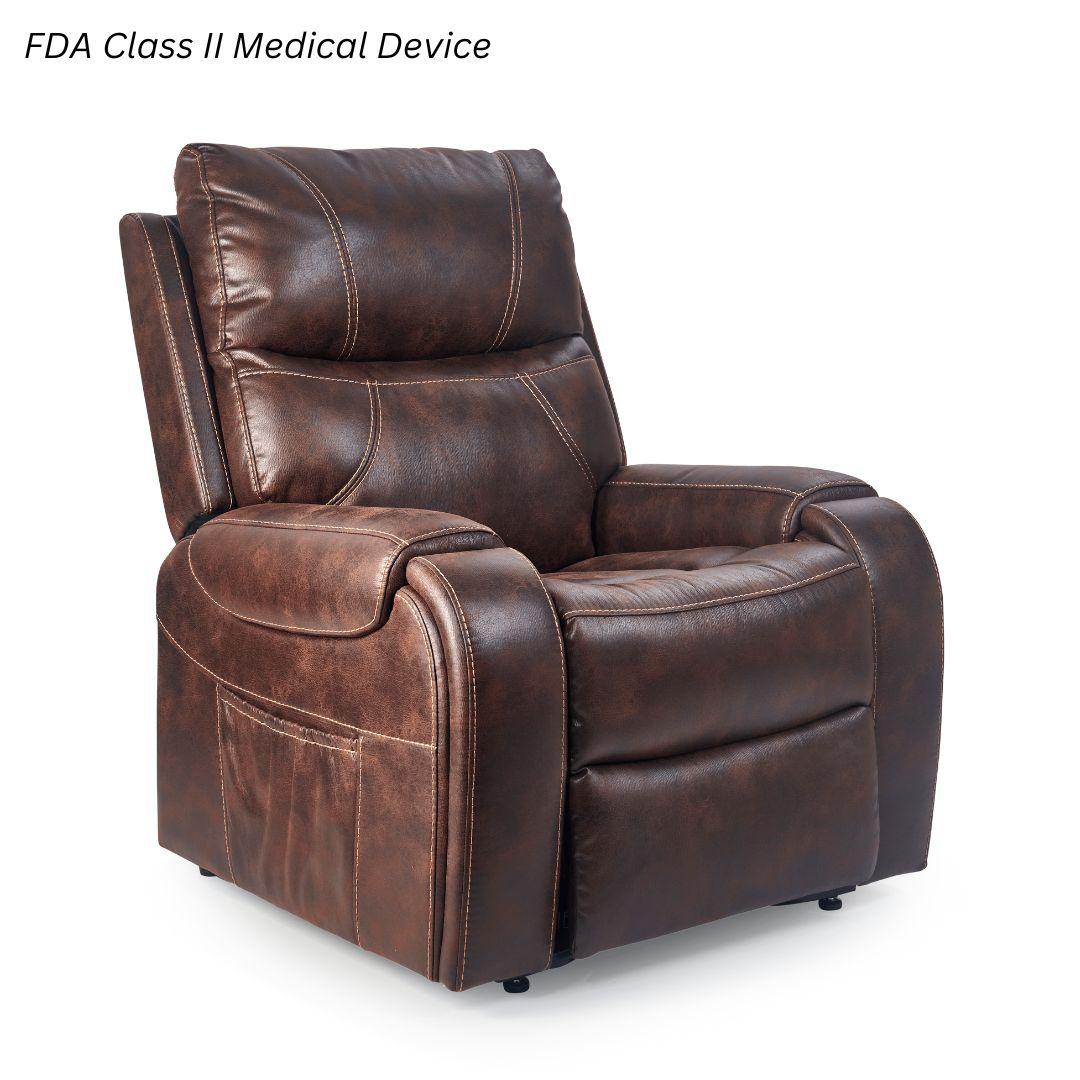
Golden Technologies Titan Lift Recliner
Medium-sized, stylish overstuffed seamed back, plush chaise pad. The least institutional lift chair on the market.
A lift recliner that looks like a recliner
For fall-risk assessment, the CDC’s STEADI program. Related guides: universal design ideas that add home value, what to add now so you don’t have to renovate later, lift chairs that look like recliners.
Who this is not for
- Anyone who needs pressure-relief seating, tilt-in-space, or a custom-fit chair — that’s a seating specialist and a prescribed chair, not a catalog purchase.
- Anyone choosing a chair for a person who hasn’t been assessed — a chair that’s the wrong width or seat height causes pressure injuries and falls. Get an OT or PT involved first.
Frequently asked questions
How wide does a doorway need to be for a wheelchair? 32 inches of clear opening minimum; 36 is comfortable. Measure with the door open, from the door face to the stop.
What’s the difference between a transport chair and a wheelchair? A transport chair has small wheels and is pushed by someone else; it’s lighter and folds smaller. A standard wheelchair has large rear wheels the user can push.
Does Medicare pay for a wheelchair? Part B covers a manual wheelchair as DME with a doctor’s order when it’s medically necessary in the home; power chairs need more documentation. Transport chairs generally aren’t covered.
Can a wheelchair go on carpet? Low-pile (¼ inch or less), firmly stretched, yes — but it roughly doubles the effort to push. Hard flooring is better; a thin, anchored rug is fine.
How much space does a wheelchair need to turn? A 60-inch circle, or a T-shaped space in a 36-inch hallway.
Why you can trust this guide
I’m an interior designer with 15+ years of residential work, and a full-time caregiver for my own parents. I’ve spent years evaluating products that improve safety without making a home feel institutional, and I’ve lived with most of what’s on this page. This guide puts design-forward solutions first and equipment second, and I’ll tell you when a product isn’t the answer. Where a decision depends on a specific body or diagnosis, I say so and point you to an OT or PT.
The design comes first
The most wheelchair-friendly homes I’ve designed don’t look adapted. They look like houses with wide doors, one continuous floor, good light and beautiful hardware — because that’s what they are. The chair is a tool; the house is the design.
Free resource: 12 Changes That Make a Home Safer Without Looking Clinical.