Walker-Friendly Living Room Ideas: How to Create a Safer, More Beautiful Space
This post contains affiliate links. If you buy through them I may earn a small commission at no extra cost to you. How that works.
When a client first mentioned she was getting a rollator walker, her next sentence stopped me cold: “I guess I’ll have to get rid of my beautiful living room furniture.” I hear this more than I should. The assumption that safety means surrender — that you have to choose between a home that works and a home that feels like you. After 15+ years designing spaces for clients at every stage of life, I can tell you: that’s simply not true.
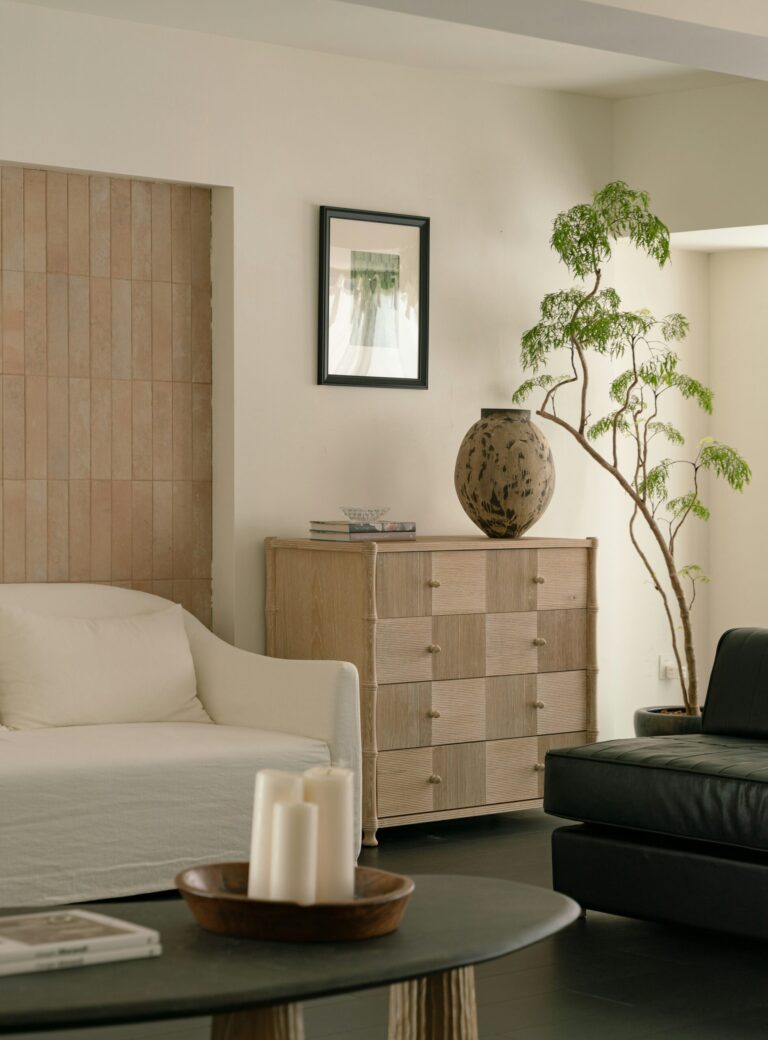
A walker-friendly living room isn’t a medical room. It’s a thoughtfully arranged, beautifully edited space that happens to work extraordinarily well for everyone who moves through it — with or without a mobility aid. Here’s how to design one.
Start Here: The Pathway Rule
Before you touch a single piece of furniture, understand the one measurement that changes everything: pathway width. A standard walker is about 24 inches wide when in use. But the walker is rarely moving in a perfectly straight line — the person using it is shifting weight, correcting balance, turning slightly. That’s why the real numbers matter:
- 36 inches minimum — the absolute floor for any primary path through the room
- 42 inches ideal — enough to absorb natural sway, make a comfortable turn, and let someone walk alongside
- 60 inches for turning radius — if a wheelchair may ever be part of the picture, or if your walker user needs to turn around frequently
Measure your main traffic paths right now — from the door to the sofa, from the sofa to the TV, from the sitting area to the kitchen. If any of them are under 36 inches, something has to move. This is where most of my clients resist, and where I push hardest. A slightly smaller rug, pulling the sofa two feet forward, removing the oversized ottoman — small changes that make the room dramatically more livable.
Flooring: What Walker Glides Over and What It Catches On
Flooring is the foundation of a walker-friendly room — literally. The wrong surface creates drag, resistance, and real fall risk. Here’s how the main options compare:
Luxury Vinyl Plank (LVP): The Clear Winner
LVP is smooth, walker wheels glide easily, it’s 100% waterproof, and it holds up to daily cleaning. Crucially, choose a matte or satin finish — high-gloss floors reflect light in ways that distort depth perception and can look wet when they’re dry. The visual confusion is a real hazard.
Hardwood: Beautiful With Caveats
Hardwood works well for walker users as long as the finish is matte and the boards are well-sealed with no raised edges or warped planks. It’s harder than vinyl — falls on hardwood hurt more — but it’s not disqualifying for most people. Again: matte finish, always.
Low-Pile Carpet: Acceptable, With the Right Pad
Low-pile carpet (under ½ inch pile height) with a firm, thin pad gives the walker enough purchase without causing resistance or tipping. The pad matters enormously — memory foam or thick plush pads make the surface feel spongy, which destabilizes the walker. If you have existing carpet, test it: set the walker down and push. If it sinks or resists, the pad is too soft.
What to Avoid Completely
High-pile carpet, shag rugs, and thick area rugs in primary pathways. The walker legs catch, the user pitches forward, and a fall happens fast. If you love a rug in the sitting area, I’ll show you how to handle it below.
Choosing the Right Seating
This is where design and function intersect most visibly, and where most furniture stores will let you down. The pretty sofa with the low, deep cushions? Gorgeous. Also almost impossible to get up from with a walker. Here’s what to look for instead:
Seat Height: The Single Most Important Spec
The sweet spot is 17–20 inches from floor to seat surface. At this height, feet rest flat on the floor, knees stay at or below hip level, and the person can stand without having to haul themselves up from a pit. Most “stylish” sofas sit at 15–16 inches. That inch or two is the difference between independence and needing help every time.
Armrests That Actually Support Body Weight
Armrests need to extend to the front edge of the seat — not stop short — and they need to be firm enough to push off from. Test this: put your full weight through your hand on the armrest and push up. If it wobbles, compresses, or tips, it won’t support a person standing from it. The armrest height should be roughly 25–27 inches from the floor so the elbow is at a comfortable angle when bearing weight.
Cushion Firmness
Firm is functional. Medium-firm cushions that hold their shape under body weight are what you want. Sink-in cushions feel luxurious in a furniture showroom and are exhausting in real daily use when you need to stand up multiple times a day. Down-blend cushions, in particular, become nearly impossible for walker users over time as the fill compresses.
Recliner vs. Standard Chair vs. Sofa
In my experience, the most practical choice for a primary seating position is a high-back upholstered chair or power lift recliner rather than a full sofa. Chairs are easier to get out of than sofas — you’re pushing up from one seat position rather than having to shift to the edge of a wide sofa first. If you want a sofa in the room for guests and family, keep it, but make your primary seat a chair with the right specs.
Power lift recliners deserve a special mention: they tilt forward at the push of a button, dramatically reducing the effort required to stand. Modern ones come in beautiful fabrics and stylish profiles that don’t look clinical at all. If getting up from seated is a daily struggle, this is a life-quality upgrade worth prioritizing.
Coffee Table Strategy: Rethink the Classic Layout
The traditional sofa-and-coffee-table arrangement places a large, solid object directly in front of the main seat — which is exactly where a walker needs to go when you’re getting up. I ask every aging-in-place client to reconsider the coffee table entirely. Options that work better:
- Two small C-tables or nesting tables that slide out of the way when not needed — the walker passes right through the gap
- An ottoman that sits to the side rather than directly center — useful as a footrest and surface without blocking the rise path
- A very small, lightweight coffee table placed at least 24 inches from the sofa edge — far enough that the walker can maneuver in the space between
- No coffee table at all — controversial for some clients, but a fully open space in front of the primary seat is genuinely the safest option
If you keep a coffee table, make sure it has rounded corners (no sharp edges at shin height) and is stable enough that someone could briefly put a hand on it without it sliding or tipping.
Side Tables and Stable Surfaces
Walker users often reach for surfaces to steady themselves when moving through a room — a habit that’s neither unusual nor wrong. This means every side table, console, and shelf in the primary walking area needs to be anchored or heavy enough to be grabbed without tipping. Lightweight occasional tables with narrow bases are a fall risk when someone instinctively puts a hand on them.
The best side tables for walker-friendly rooms are low-center-of-gravity pieces — weighted bases, wide footprints, or wall-anchored floating shelves. Adjustable-height tables are worth considering if the person will be alternating between a standard chair and a lift recliner, which can affect how high a surface they need to reach comfortably.
Rugs in a Walker-Friendly Living Room
I get asked about this constantly, and my answer is nuanced: rugs are not automatically off the table, but they require discipline. Here’s my framework:
- Never in primary pathways. The main travel lines through the room should be rug-free. A walker catching a rug edge mid-stride is one of the most common causes of living room falls.
- Low pile only, maximum ½ inch. If you use a rug in the seating area, it must be flat and firm underfoot.
- Anchor it completely. Every single edge needs to be held down — a double-sided rug tape plus a non-slip pad underneath. Not one or the other. Both. Walker wheels catch on any edge that lifts even slightly.
- Contrasting color at edges. If the rug blends into the floor color, the edge becomes invisible — especially in lower light. A rug with a distinct border or a color that clearly reads against the floor is safer.
Lighting: The Overlooked Safety Factor
Shadows create ambiguity about where surfaces and edges are. Ambiguity causes hesitation. Hesitation mid-stride is when falls happen. The living room needs to be bright enough that the floor, furniture edges, and pathway are all clearly visible — without glare, which has its own problems for people with low vision or light sensitivity.
The fix is layered lighting: an overhead source for ambient fill, lamps at seated eye level for task and mood, and ideally a plug-in night light or sensor light near the entry to the room for evening navigation. Motion-sensor night lights that activate automatically when someone enters the room are one of the highest-value, lowest-cost safety upgrades in any living space.
Bulb color temperature matters too. Warm white (2700–3000K) is the most comfortable for aging eyes and feels inviting, while the cool blue-white (5000K+) “daylight” bulbs can cause glare and eye strain. Aim for warm, even, shadow-free light.
Color Contrast: Your Eyes Are Part of the Safety System
Low contrast environments — where the floor, furniture, and walls are all similar neutral tones — reduce depth perception and make it harder to distinguish edges. This is a common issue in beautiful, monochromatic interiors. You can absolutely maintain a sophisticated, neutral palette; you just need to introduce contrast at key transition points:
- A chair or sofa in a slightly different tone than the floor so its base is visually distinct
- A rug that reads clearly against the hard floor around it
- A side table in a contrasting material (dark wood against a light floor, light metal against dark hardwood)
- Darker leg color on furniture when possible — legs that disappear against the floor are the most dangerous
Room Arrangement: The Walk-Through Test
Before finalizing any arrangement, do this: stand at the room entrance with your arms held out roughly 24 inches apart (the width of a standard walker), and walk every path you normally take through the room. Kitchen. TV. Window. That chair in the corner. Note every spot where you’d have to turn sideways, step over something, or navigate around a tight gap. Those are the problem spots. Move furniture until every path feels generous and natural.
Then do it again in the dark. The paths that feel obvious in bright light often become uncertain at night. That’s the test that matters.
Products I Recommend for a Walker-Friendly Living Room
These are the specific pieces and product categories I return to repeatedly with clients. Function-first, but selected with design quality in mind.
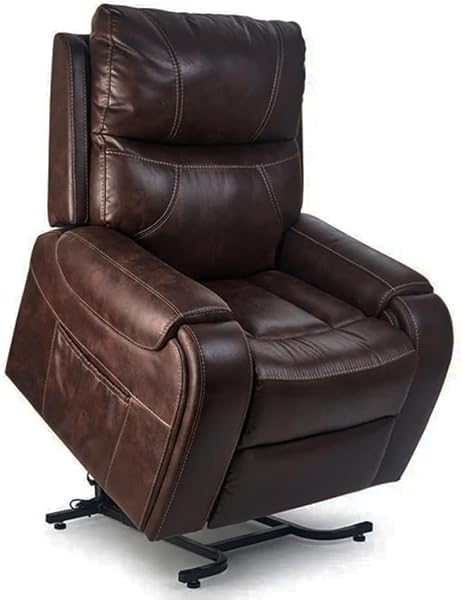
Power Lift Recliner Chair
Gently tilts forward to help you stand with minimal effort. Look for models with side-mounted controls, heat and massage options, and a seat height of at least 19 inches in the lifted position. This is the single highest-impact furniture upgrade for walker users.
Shop Power Lift ReclinersC-Table Side Table (Set of 2)
Slides over the arm of a chair or sofa so your drink and phone are within reach without a coffee table in the walker’s path. The C-shape base tucks under furniture and gets out of the way. One of the easiest living room wins for walker users.
Shop C-Tables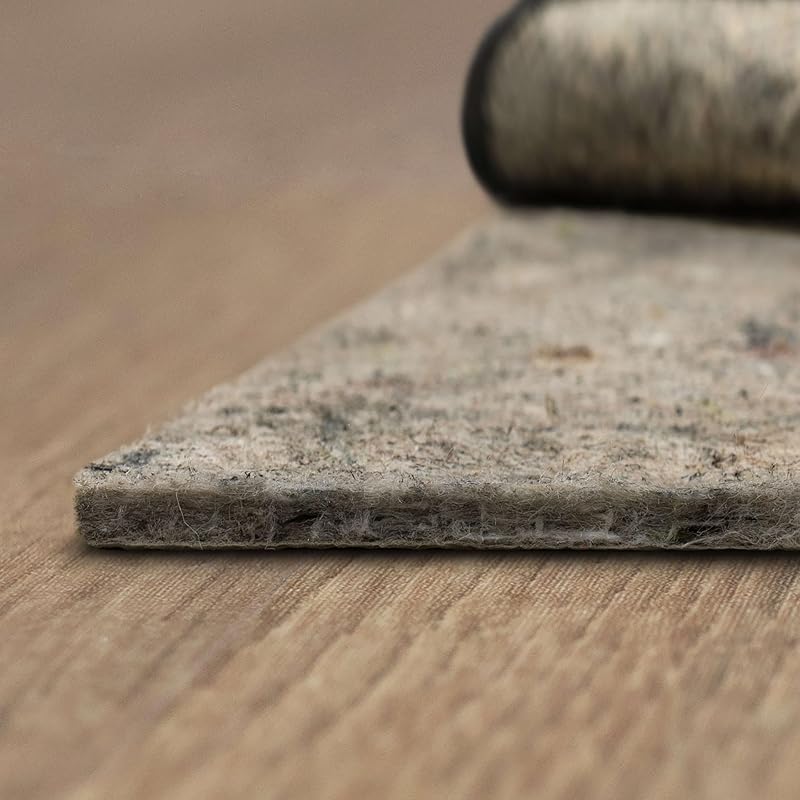
Ultra-Grip Non-Slip Rug Pad
A quality rug pad plus double-sided rug tape at every edge is non-negotiable if you use any area rug. Look for thin, firm pads — not cushioned foam — that hold the rug flat without adding height or softness that could affect walker stability.
Shop Non-Slip Rug Pads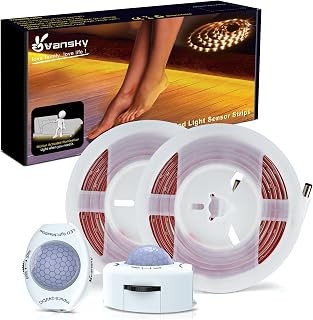
Motion Sensor Plug-In Night Light
Auto-activates when someone enters the room and turns off when they leave. Warm white light, no fumbling for switches. Plug one in near the room entrance and another near the primary seating area for full-path coverage at night.
Shop Motion Sensor Night LightsFurniture Leg Risers
If your existing sofa or chairs are 1–3 inches too low, risers can raise the seat height without replacing the furniture. Available in 2, 3, and 5 inch heights. Make sure the base matches your furniture legs and that the riser has a grippy base so the furniture doesn’t slide.
Shop Furniture Leg Risers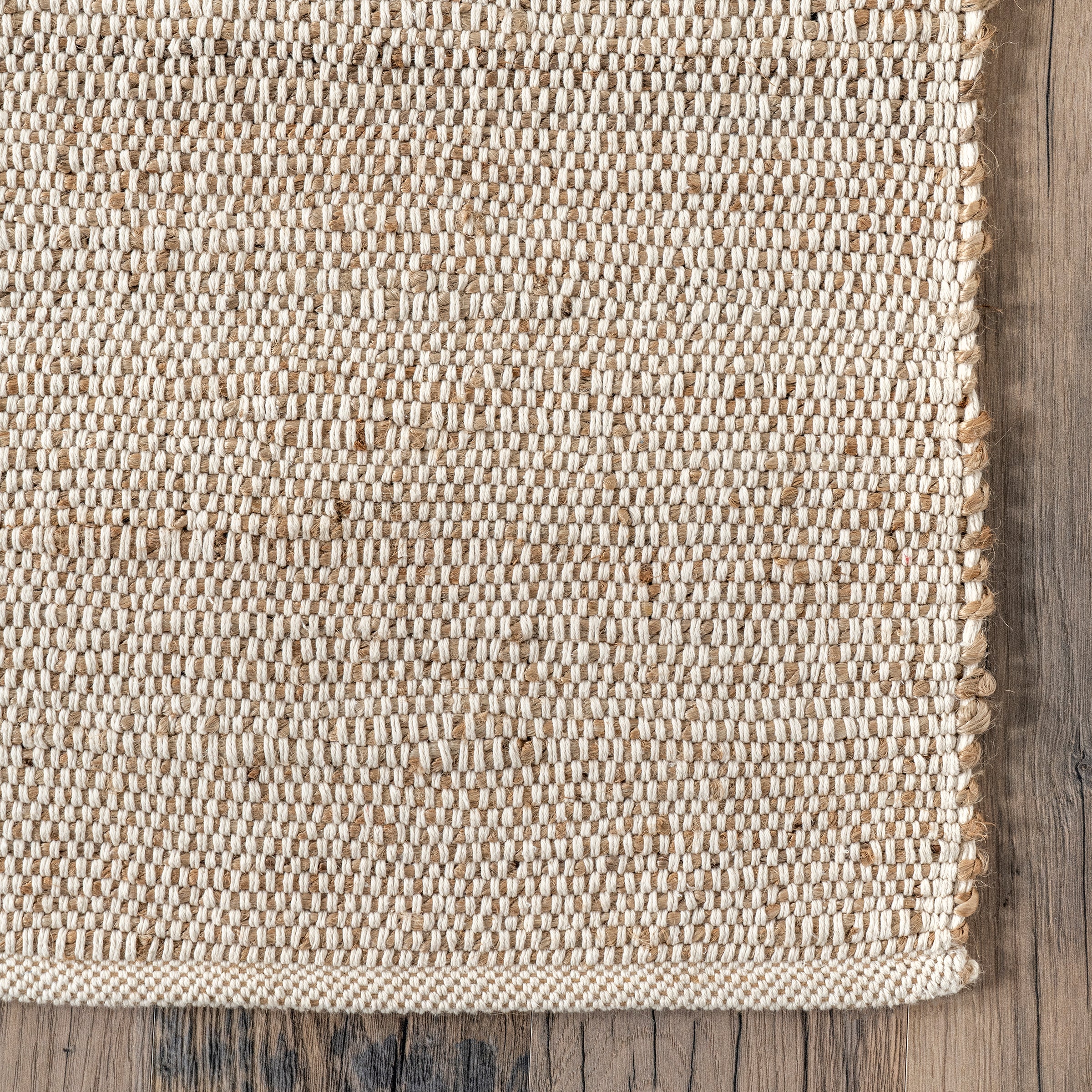
Low-Pile Area Rug (Walker-Safe)
If you use a rug in the seating area, look for pile height under ½ inch, a distinct border color that reads clearly against your floor, and a woven or flatweave construction. Avoid shag, high-loop, or cut pile that’s thick enough to catch a walker tip.
Shop Low-Pile Area RugsThe Designer’s Bottom Line
The most important thing I tell every client navigating this transition: you are not making your home less beautiful. You are making it more honest. A room that works for the life you’re actually living — that lets you move through it freely, sit and stand with confidence, and feel at home in your own space — is more beautiful than any showroom setup that holds you hostage to it.
Clear pathways. The right seat height. Stable surfaces. Good light. These are not compromises. They are good design.
Start with the pathway measurement. Move one piece of furniture. See how the room breathes. Then build from there.
Rachel Blindauer is an interior designer with 15+ years of experience whose work now focuses on aging-in-place design. She writes for wellaginghome.com about creating homes that are safe, beautiful, and built for real life at every age.