The Best Motion Sensor Lighting for Seniors (2026): A Designer’s Guide
This post contains affiliate links. If you buy through them I may earn a small commission at no extra cost to you. How that works.
The Best Motion Sensor Lighting for Seniors (2026): A Designer’s Guide
Three products under $150 that light the path before a hand finds a switch — and the light they should turn on.
Part of our complete guide: Best Lighting for Aging Eyes. I’m a residential interior designer and a full-time caregiver for my parents, not an electrician or an OT. Over 15+ years designing homes, I’ve learned that most safety problems are solved by better design long before medical equipment enters the room. Well Aging Home participates in affiliate programs; if you buy through a link, I may earn a small commission at no extra cost to you.
Best motion-sensor lighting for seniors: quick answer
Three products, under $150 total: a Vansky under-bed motion strip that lights the floor when feet swing out, a Lutron Maestro occupancy switch in the bathroom and hall (vacancy mode in the bedroom), and a Lutron Caseta dimmer with a bedside remote and a dim “night” scene. Then make sure what they switch on is warm, glare-free, high-CRI light, because older eyes need about three times as much.
What I tell clients before buying motion-sensor lighting
Most nighttime falls don’t happen because someone tripped over something they could see. They happen in the dark — in the twelve feet between the bed and the bathroom, in the second before a hand finds a switch. Motion-sensor lighting removes that second. It’s the cheapest, fastest, least visible safety upgrade in the house, and I put it in every project.
But “motion sensor lighting” as a product category is mostly plastic pucks stuck to walls with adhesive strips, and that’s not what I mean. What I specify is lighting that turns itself on, designed so you never see the sensor: a strip under the bed that lights the floor when feet swing out, an occupancy switch in the bathroom that looks like every other switch, a low path light along the hall, and scenes on a bedside remote so the whole route lights at one press. Three of those four are under $50.
The second half of this — the part the puck lights skip — is that older eyes need more light, better light, and less glare all at once. A 70-year-old retina needs roughly three times the light a 20-year-old’s does, adapts to darkness more slowly, and is far more bothered by a bare bulb. So the sensor is only useful if what it switches on is the right light. That’s the second set of products below.
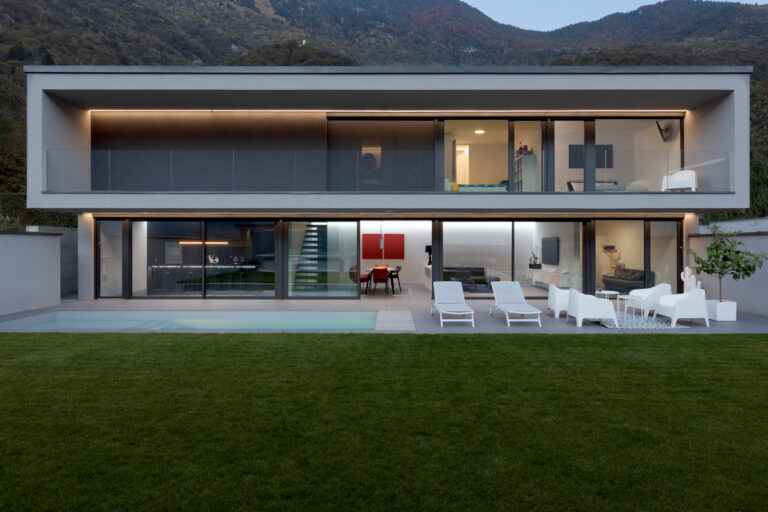
And it should all look intentional. A hallway lined with plug-in nightlights reads as a care facility. A hallway with a low linear light along the baseboard on a sensor reads as a hotel corridor. Think Four Seasons, not hospital.
Think Four Seasons, not hospital
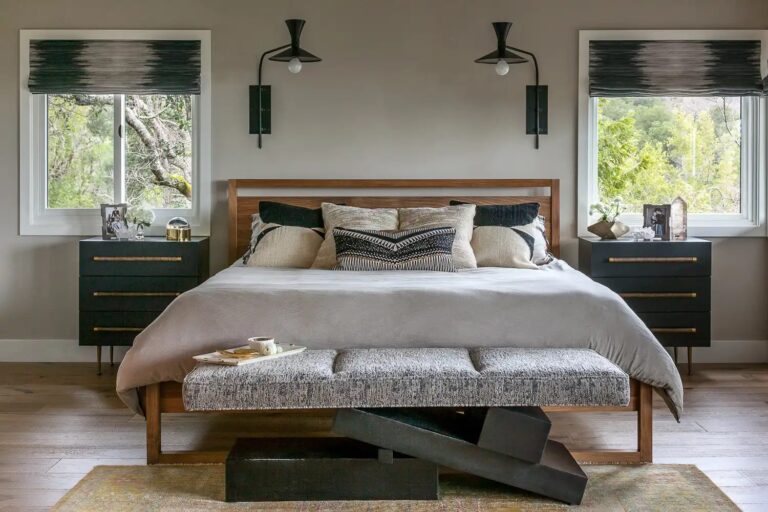
The accessible suite at a Four Seasons is lit for exactly this problem — a guest who wakes at 3 a.m. in an unfamiliar room — and it’s beautiful. What that room gets right:
- The path lights itself. A low strip under the bed or along the baseboard comes on when you sit up. It lights the floor, not the ceiling, so it doesn’t wake a partner and doesn’t blind eyes that were just asleep.
- The bathroom is on when you get there. An occupancy sensor brings the bathroom light up — often to a dim night level, not full brightness — before your hand is anywhere near a wall.
- Everything is reachable from the pillow. A bedside panel or remote with scenes: “night” for the dim path, “all off,” “morning.” Nobody crosses a dark room to a switch.
- No visible fixtures doing the work. Recessed trimless downlights, cove lighting, a sconce at face height in the bathroom. The light is there; the hardware isn’t.
- Warm at night, bright by day. Evening light is 2700K and low; task light at the vanity and desk is brighter and cooler. The color of the light changes with the hour.
- The switch plates match the wall. Or vanish into the tile. Small thing; it’s why the room looks finished.
The three things I specify in every project
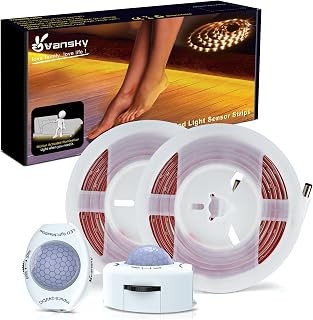
Vansky Motion-Activated Under-Bed Night Light
Soft floor path light for safe nighttime bathroom trips. No installation needed.
Rachel’s most-recommended $20 safety product
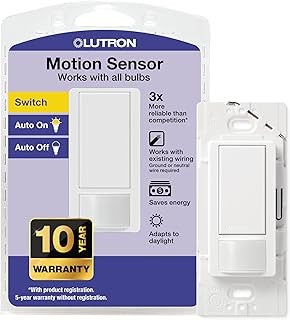
Lutron Maestro Occupancy Sensor
Auto-on, auto-off. Eliminates fumbling for switches in the dark. Non-negotiable for bathrooms and hallways.
First thing I specify in a bathroom
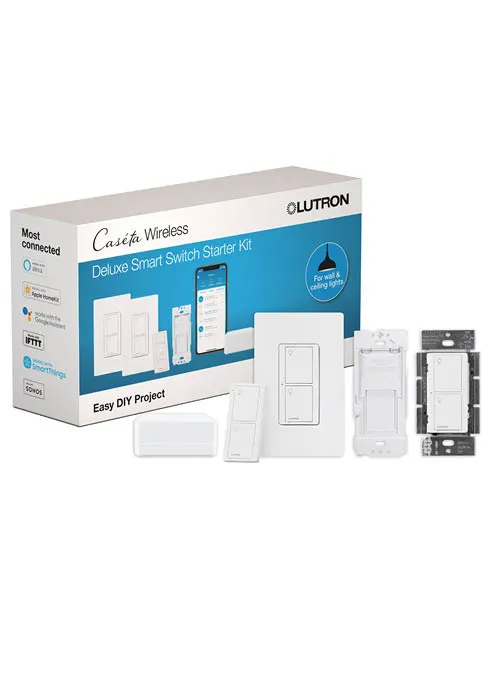
Lutron Caseta Wireless
The most reliable smart lighting foundation. Integrates with every major ecosystem. Rachel installs this first.
Scenes, schedules and a bedside remote — no rewiring
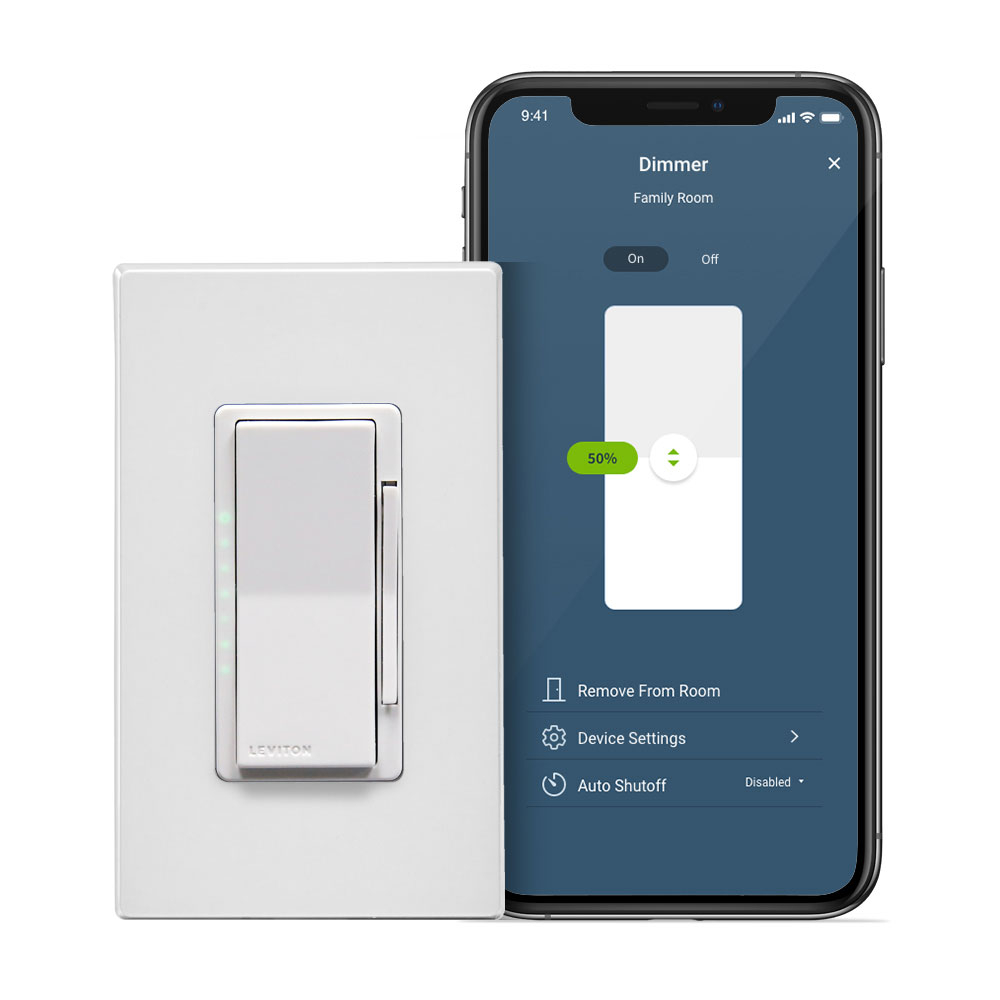
Leviton Decora Smart WiFi Dimmer
No hub required. Budget-friendly smart dimmer with app control and scheduling. Works with Alexa and Google. For clients who want smart lighting without the Lutron ecosystem investment.
Value smart dimmer
How they work together
The Vansky strip goes under the bed frame on the side the person gets out. When feet hit the floor, a warm strip of light appears along the bed and across the floor — enough to see the path, not enough to wake anyone. Auto-off after a minute or two. USB powered, $20, ten minutes to install, and my clients say they can’t imagine sleeping without it.
The Lutron Maestro replaces the bathroom switch. Walk in, the light comes on; leave, it goes off. It’s built better than generic sensor switches and installs without a neutral wire, so it works in most older homes. Set it to “vacancy” mode in the bedroom (manual on, auto off) so it never switches on when someone rolls over. Put a second one in the hallway and a third at the top of the stairs.
The Lutron Caseta (or the Leviton dimmer as the value version) is the layer above: a smart dimmer on the fixtures that matter, a small remote on the nightstand, and two scenes — “night,” which brings the hall and bathroom to 20%, and “all off.” No hub wiring, no app required once it’s set up, and the remote works for someone who will never use a phone.
Where to put a sensor — and where not to
| Location | What | Setting |
|---|---|---|
| Under the bed | Motion strip (Vansky) | Warm, low; 60–90 second timeout |
| Bathroom | Occupancy switch (Maestro) | Auto on/off; if the fixture dims, night level 20–30% |
| Hallway to bathroom | Occupancy switch or low baseboard/toe-kick strip on a sensor | Auto on; 2–3 minute timeout |
| Top and bottom of stairs | Occupancy switch on the stair light | Auto on; 5-minute timeout; both ends |
| Closet, pantry, garage entry | Occupancy switch | Auto on/off |
| Bedroom overhead | Vacancy switch | Manual on, auto off — never auto-on in a bedroom |
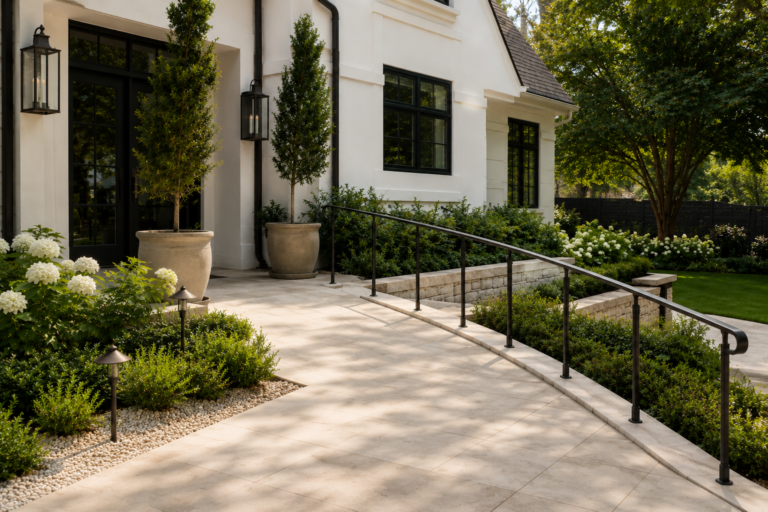
| Front entry / path | Low-voltage path lights (Volt) on a dusk sensor, plus a motion floodlight aimed down | Dusk-to-dawn path; motion for the door |
The light the sensor switches on
Older eyes need about three times the light, hate glare, and see color less accurately — which matters when the task is reading a pill bottle. So the fixtures and bulbs the sensors control have to be right. Three rules: layer it (overhead for general, task where work happens, low for night), hide the source (recessed trimless, under-cabinet, cove, shaded lamps — never a bare bulb in the line of sight), and get the color right (high-CRI bulbs, 2700K in living and sleeping spaces, cooler and brighter for tasks). My full guide is best lighting for aging eyes.
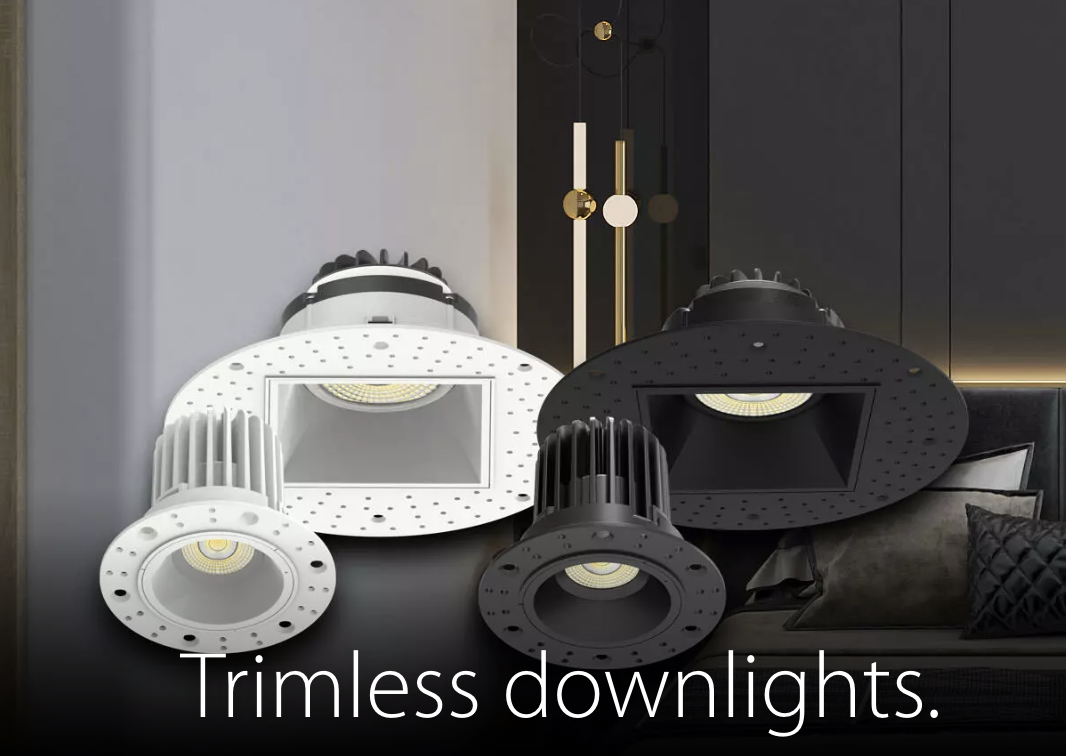
RAB Lighting Trimless Downlights
Professional-grade trimless recessed lighting — the ceiling disappears completely. Not on Amazon. Specify 90+ CRI and 2700K–3000K warm dimmable for bedrooms and baths.
The overhead layer that disappears into the ceiling
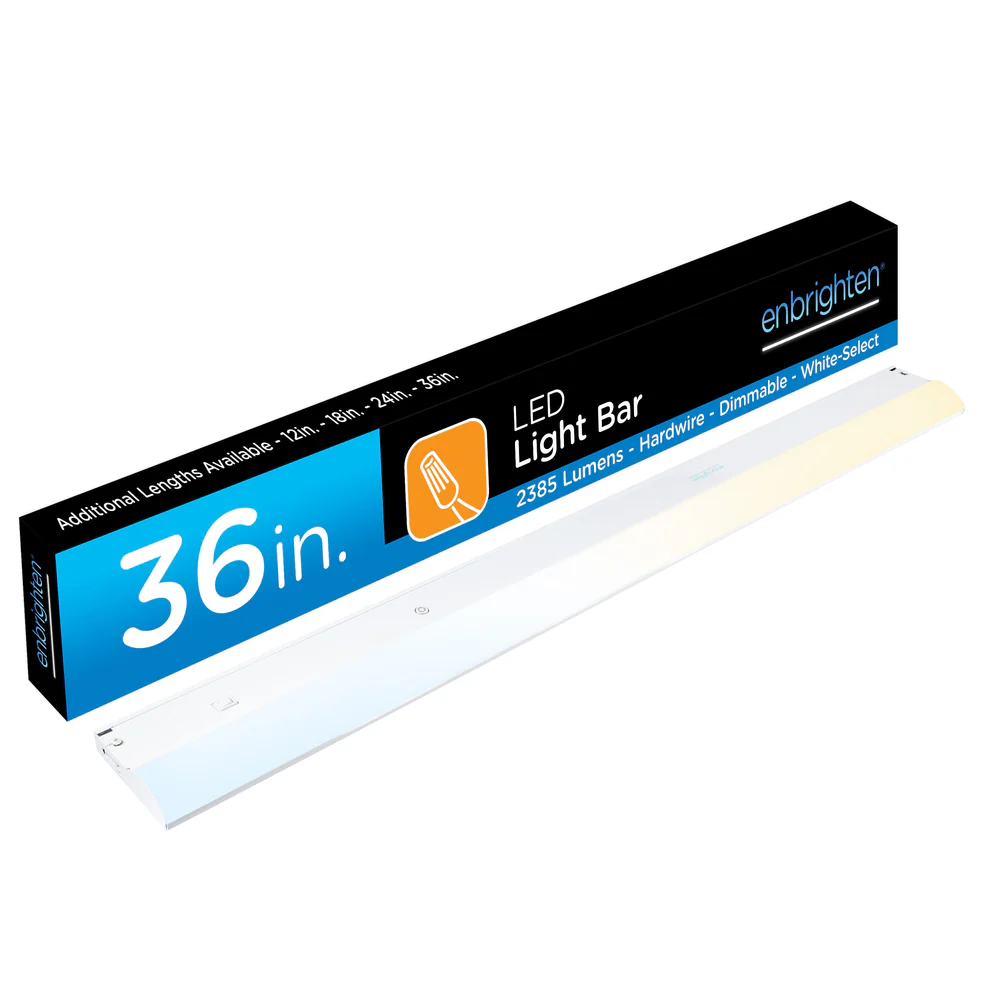
Enbrighten Tunable CCT Direct Wire LED
2700K–6500K adjustable. Circadian rhythm lighting for better sleep and wakefulness.
Kitchen task light, tunable warm to daylight
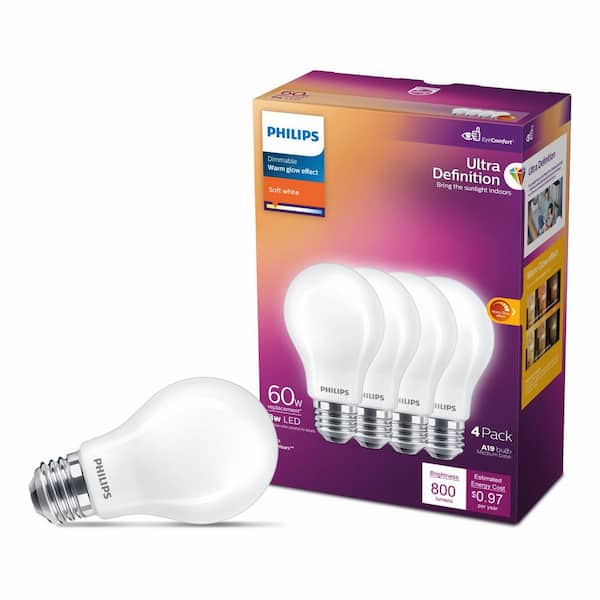
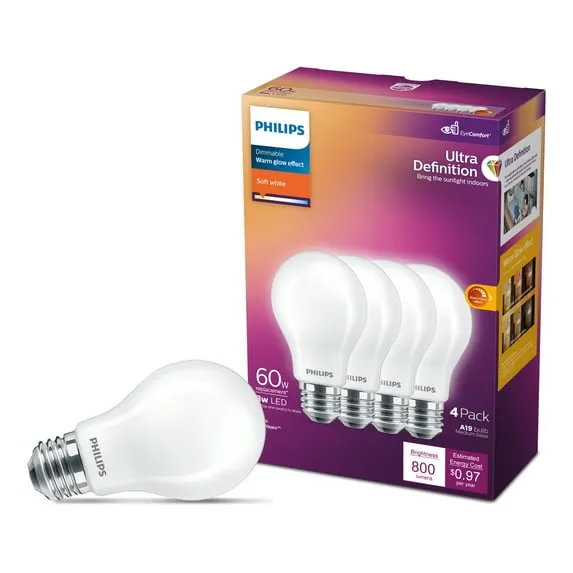
Philips Ultra Definition LED
Lab-tested ~96 CRI, excellent R9 red rendering, low flicker, dimmable, glass construction. The best all-around wellness bulb widely available so clients can always find replacements. Available in 2700K soft white and 5000K daylight.
High-CRI bulbs for every existing fixture
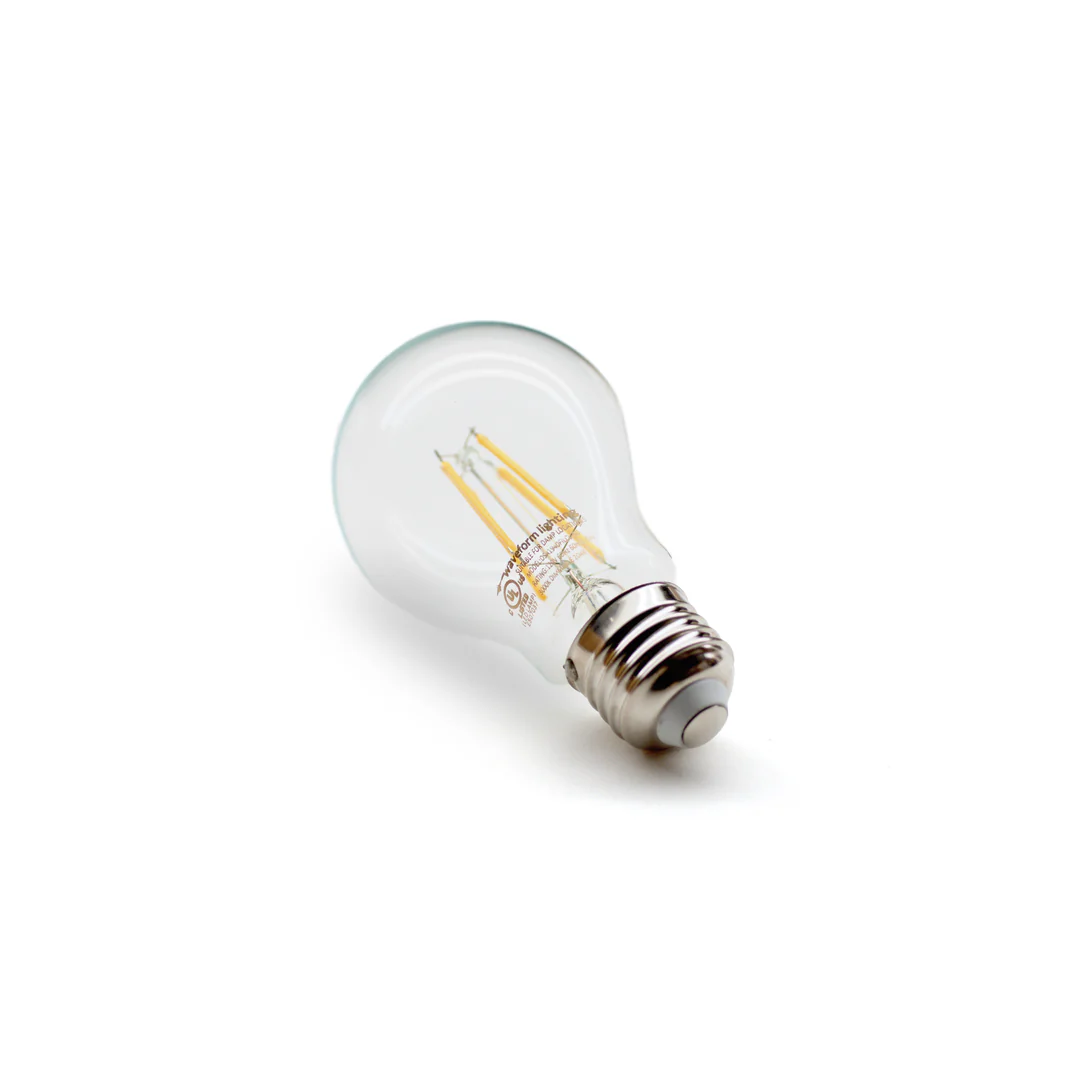
Waveform Lighting Centric Daylight
95 CRI, R9 80+, truly flicker-free at 48 kHz, slightly rosy spectrum that makes paint and textiles look alive. Premium direct-buy — not on Amazon. The specification for clients who want the absolute best color rendering.
True-color bulbs for reading and medications
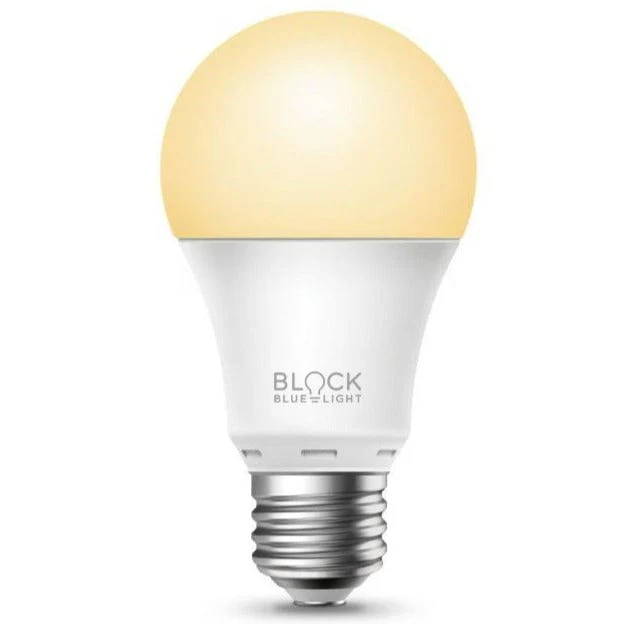
BioLight by BlockBlueLight
CRI 97.7, 3-mode circadian bulb: 4000K daytime / 2100K mixed / 1800K no-blue night mode. Toggle with existing wall switch. For clients with sleep issues, migraines, or light sensitivity — the most targeted well-aging lighting upgrade available.
Circadian bulb for the bedside lamp
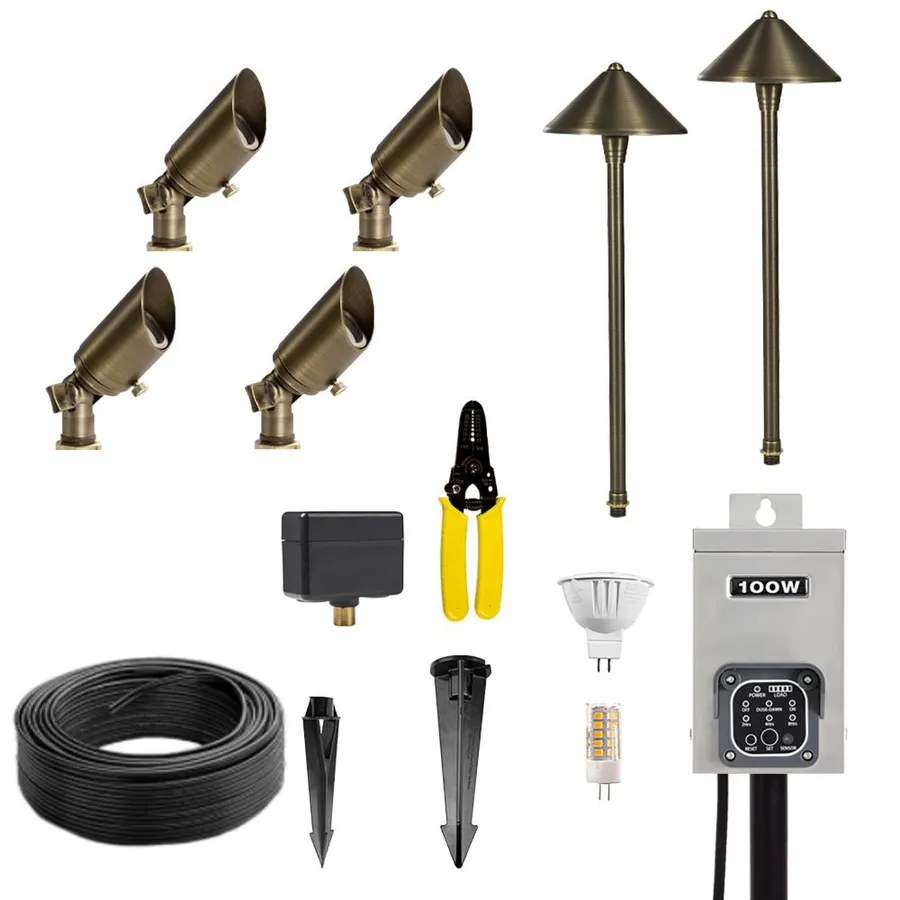
Volt Lighting
Professional-grade landscape lighting configurable for motion activation. Residential-focused, high quality.
Path and step lighting outside

Hide A Trim Tile Switch
1-gang adjustable tile switch — installs flush with tile for a completely invisible wall. The most dramatic “invisible wall” look available. Requires professional installation.
A switch that vanishes into the tile
What it costs
- The three core products for a bedroom, bathroom and hall: under $150 and an afternoon, no electrician for the Vansky, one switch swap each for the Maestros.
- Caseta dimmers, remote and scenes on four fixtures: roughly $300–$450.
- Recessed trimless downlights in a bedroom or bathroom: $1,000–$3,000 installed depending on ceiling access.
- Exterior path lighting: $300–$1,500 for a low-voltage kit and fixtures; more for a landscape installer.
For the evidence on nighttime falls and lighting, the CDC’s STEADI program. Related: best lighting for aging eyes, bedroom safety for aging in place, universal design ideas that add home value.
Who this is not for
- A bedroom with a partner who’s a light sleeper — keep the sensor under the bed and the bathroom, and use vacancy mode (manual on) on the bedroom fixtures.
- Anyone with a pet that sets off floor sensors all night — mount the under-bed strip higher on the frame, aim the sensor down, and shorten the timeout.
- Anyone relying on plug-in pucks as the whole plan — they help, but a switch that turns the real light on is safer and looks like nothing at all.
Frequently asked questions
What’s the best motion sensor light for a bedroom? An under-bed motion strip that lights the floor when you sit up. It doesn’t wake a partner and it lights the path before you stand.
Occupancy or vacancy sensor? Occupancy turns on automatically when you enter (bathroom, hall, stairs). Vacancy needs a press to turn on but turns off automatically (bedroom, living room).
Do sensor switches need a neutral wire? Many do; the Lutron Maestro doesn’t, which is why it works in older homes.
How bright should a nightlight be? Dim and warm — enough to see the floor, not enough to trigger full waking. Amber or 2200–2700K, aimed low.
Can I do this without an electrician? The under-bed strip, yes. A switch swap is within reach of a confident DIYer with the breaker off; otherwise it’s a quick job for an electrician.
Why you can trust this guide
I’m an interior designer with 15+ years of residential work, and a full-time caregiver for my own parents. I’ve spent years evaluating products that improve safety without making a home feel institutional, and I’ve lived with most of what’s on this page. This guide puts design-forward solutions first and equipment second, and I’ll tell you when a product isn’t the answer. Where a decision depends on a specific body or diagnosis, I say so and point you to an OT or PT.
The design comes first
The safest home rarely looks like a medical environment. In my experience, the best aging-in-place lighting is the lighting you never notice turning on — a lit floor, a lit path, a bathroom that’s ready when you get there. Sensors are the cheapest design decision in the house, and they should be invisible.
Free resource: 12 Changes That Make a Home Safer Without Looking Clinical.