How to Talk to Parents About Home Safety
The conversation about home safety is never really about grab bars or lighting. It’s about identity, independence, and dignity. Here’s how to begin it — gently, honestly, and without fear.
Good design for aging in place doesn’t look clinical — it looks considered. These articles explore the principles behind spaces that support independence: how light, layout, contrast, and material choices quietly shape safety and dignity at home.
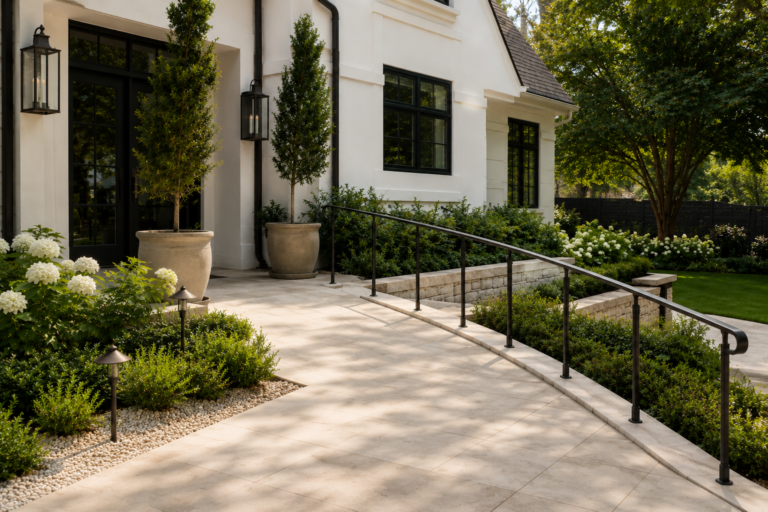
The conversation about home safety is never really about grab bars or lighting. It’s about identity, independence, and dignity. Here’s how to begin it — gently, honestly, and without fear.

I test my biomarkers twice a year, feed the results into AI, get a personalized protocol, and repeat. Here is exactly how the system works — and why it changed how I think about designing homes for longevity.

Nine years ago I became my own guinea pig, testing every wellness protocol I could find after my mother’s brain bleed. NMN was one of them. Here’s why I stopped — and what the current research actually says.
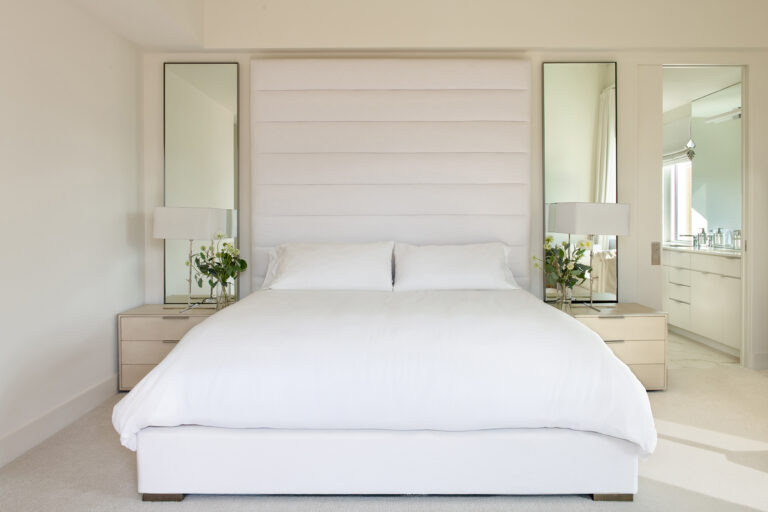
The complete aging-in-place guide for families who want to plan ahead. Covers bathroom safety, flooring, lighting, and the right order to make every change.
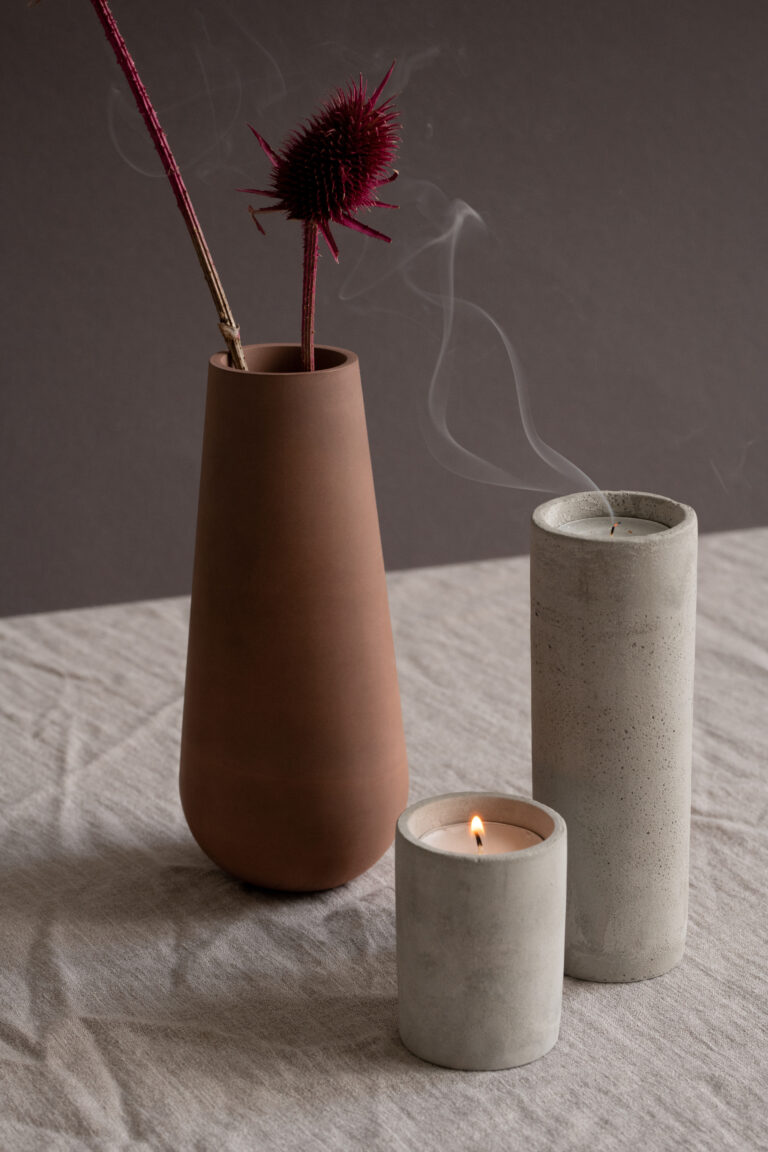
Safety usually gets discussed as grab bars and lighting. But how a space feels affects how well it functions — and familiarity turns out to be its own form of safety.
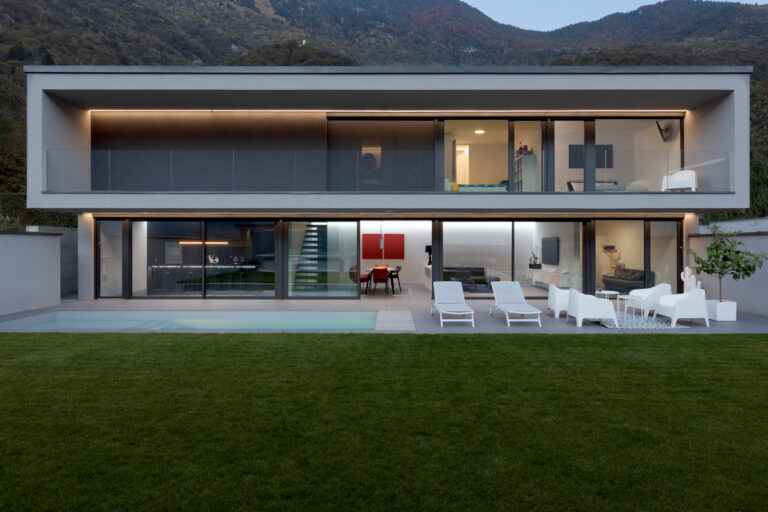
The standard doorway is 32 inches. The standard toilet is 15. Most homes are built for an adult at peak physical capacity, and then never change when the body does.

Aging gracefully is a design problem, not a wellness slogan. It looks like layered light, reachable storage, and a home that quietly stops asking so much of you.
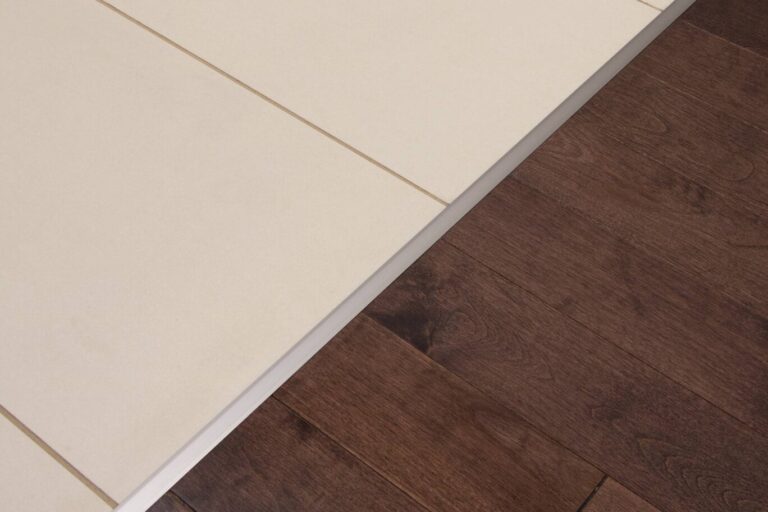
The most expensive home modifications are the ones made after a fall. What to install now — calmly, at $100–$300 a grab bar — so you never have to renovate under pressure.
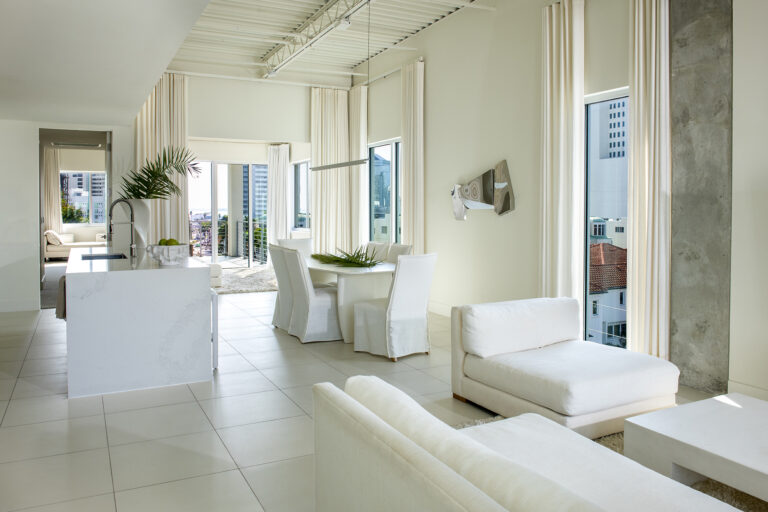
Before you research showers and stair lifts, answer one question about the floor plan. Whether there’s a full bed and bath on the first floor decides whether staying is even possible.
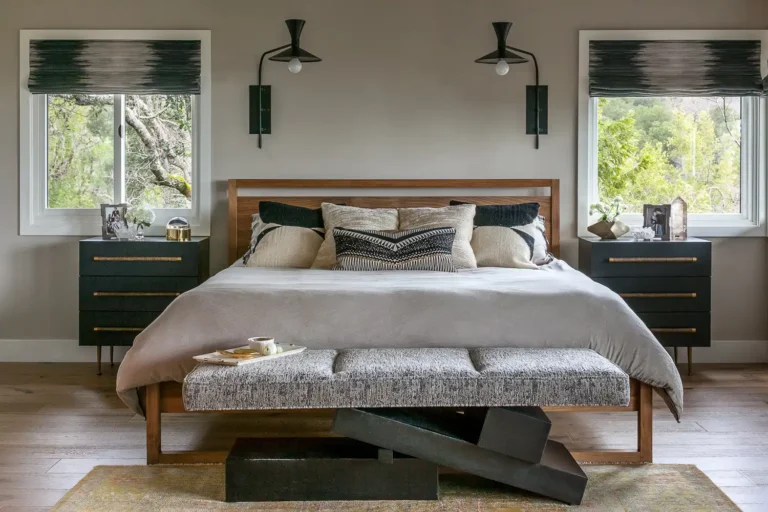
The best aging-in-place upgrades are never labeled as such. They’re design investments that happen to make the next 40 years easier — with no white plastic anywhere in sight.
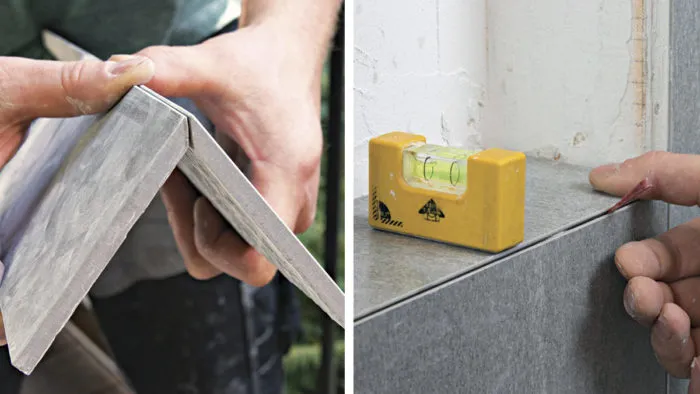
The goal isn’t a home that looks safe. It’s a home that is safe without announcing it — where every safety feature is indistinguishable from a design decision.
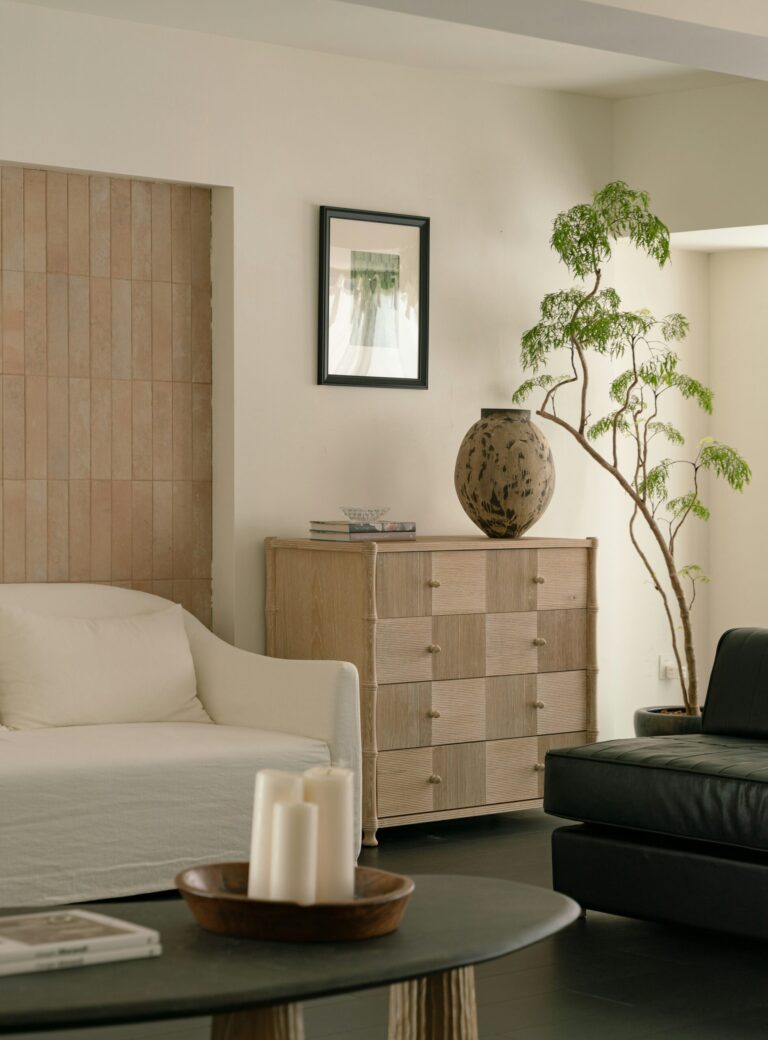
Beige risers, white plastic bars, hospital-grade shower chairs. These products do their job — and they quietly tell the person using them exactly what the world thinks of them.
The difference between a modification that looks clinical and one that simply looks well-designed is smaller than you’d think. It usually comes down to the grab bar.
12 beautiful safety changes for aging parents.
Get the Free Guide →No spam. Unsubscribe anytime.