The Best Keyless Entry for Seniors (2026): A Designer’s Guide — and the Entry That Makes It Work
This post contains affiliate links. If you buy through them I may earn a small commission at no extra cost to you. How that works.
The Best Keyless Entry for Seniors (2026): A Designer’s Guide — and the Entry That Makes It Work
Palm recognition over fingerprints and keypads, a lever on every door, and the entry that makes the lock work.
Part of our complete guide: Aging in Place: The Complete Guide. I’m a residential interior designer and a full-time caregiver for my parents. Over 15+ years designing homes, I’ve learned that most safety problems are solved by better design long before medical equipment enters the room. Well Aging Home participates in affiliate programs; if you buy through a link, I may earn a small commission at no extra cost to you.
Best keyless entry for seniors: quick answer
A palm-recognition lock — my pick is the Wyze Palm Lock — removes keys, codes and phones from the front door entirely, works in the dark and with dry or arthritic hands, and reads as a premium handle rather than a gadget. Pair it with a lever on every other door, a lit path to the entry, a camera doorbell so nobody opens the door blind, and a bench inside the door. A keypad lock is the value option; skip fingerprint readers for older hands.
What I tell clients before buying a keyless lock
Keys are a deceptively hard interface. They need a precise pinch grip, alignment into a small hole, rotational force, and enough light to see the keyhole — four things that get progressively harder with arthritis, tremor, cataracts and reduced hand strength. They get lost. And for anyone with early memory concerns, the daily small panic of “where are my keys” is a real drain. So yes, replace the key. But I’d tell a client two things first.
The lock is the last twelve inches of a much longer path. Getting into a house safely means the walk from the car is lit and level, there’s a place to set the bag down, the door is light enough to open with one hand, and there’s somewhere to sit once you’re in. A $250 lock on a dark path with a step at the door hasn’t solved the problem. The house has.
The wrong keyless lock is worse than a key. Fingerprint readers fail on dry, thin, aged skin. Keypads need a code remembered and pressed accurately, in the dark, in the cold. App-only locks need a charged phone and the patience to use it at the door. The right technology for an older hand is the one that asks the least of it — and that’s why I specify palm recognition.
And, as always: none of this should look like an accommodation. The best entry should look intentional to a 30-year-old buyer and effortless to an 80-year-old homeowner — at the same time. Think Four Seasons, not hospital.
Think Four Seasons, not hospital
A guest at a Four Seasons never uses a key, and never thinks about it. What that arrival does that a house should copy:
- The door opens without a hand full of things. A card, a tap, or a person — never a key in a lock. At home: a lock that recognises you.
- The approach is lit and level. No step at the threshold, path lights from dusk, the entry visible from the street.
- Someone sees you coming. A doorman is the original video doorbell. At home: a camera at the door so nobody opens to a stranger, and family can see a parent arrive.
- There’s a bench and a hook in the first ten feet. Sit, put the bag down, deal with shoes. The entry is designed for the transition, not just the door.
- Every door has a lever. Guest rooms, bathrooms, closets. A knob never appears.
- The hardware is beautiful and all one finish — the lock, the lever, the house numbers, the light.
Best smart lock for seniors: the one I specify
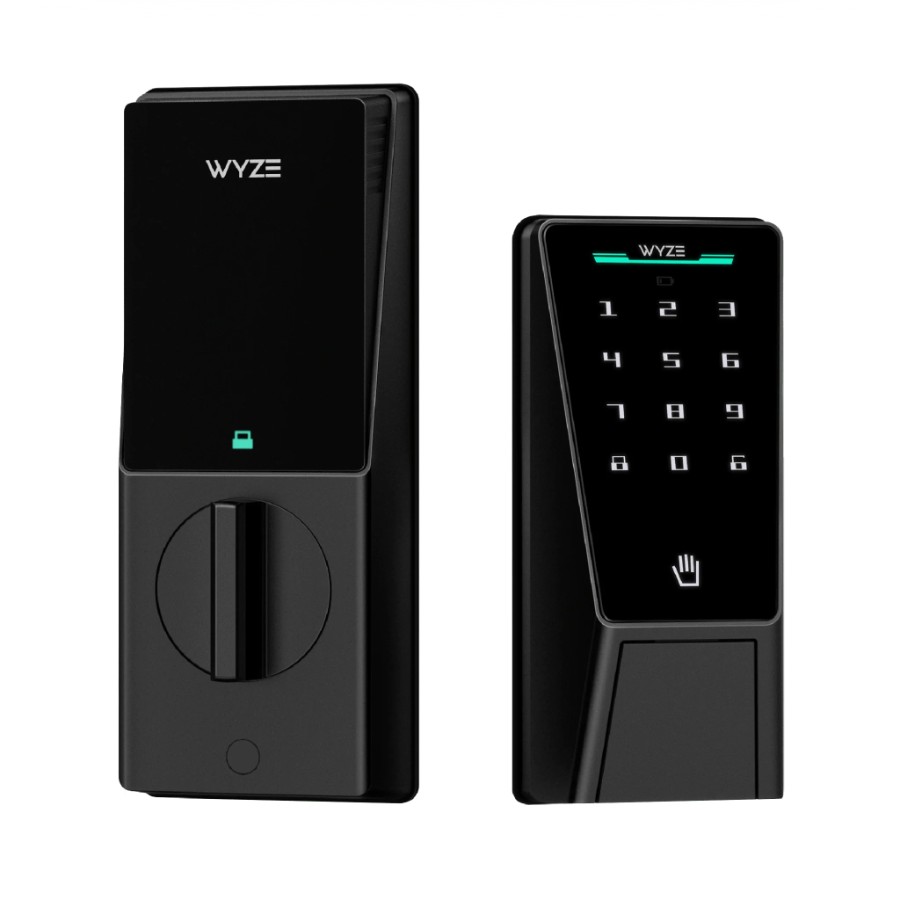
Wyze Palm Lock
Palm recognition. No keys, no codes. Works in complete darkness. Transformative for limited dexterity.
Rachel’s pick — palm recognition, no keys, no codes
Palm vs. fingerprint vs. keypad vs. app
| Technology | What it asks of the user | Older hands | My take |
|---|---|---|---|
| Palm recognition | Hold a hand near the reader | Works with dry, thin or scarred skin; no grip; any lighting | Best. This is why the Wyze is my pick. |
| Fingerprint | Press a specific finger, correctly, on a small sensor | Fails often on aged skin, cuts, cold hands | Skip for anyone over 70. |
| Keypad | Remember a code, press it accurately, in the dark | Fine for many; hard with tremor, memory loss, or gloves | Good value option with a large backlit keypad. |
| App / phone | Charged phone, unlocked, app opened, at the door | Too many steps | Only as a backup for family, never as the primary. |
| Auto-unlock (geofence) | Nothing — the phone in a pocket unlocks the door on approach | Good if the phone is always carried; dangerous if not | Nice with palm as the fallback. |
Which lock for which situation
| Situation | What I’d specify |
|---|---|
| Arthritis or weak grip | Palm lock |
| Mild memory concerns | Palm lock with auto-lock, family enrolled, lockbox key for emergencies |
| Budget upgrade | Large backlit keypad lock with auto-lock |
| Vacation or second home | Keypad lock with guest codes |
| Caring for a parent from another state | Palm lock + camera doorbell + low-battery alerts to your phone |
| Luxury custom home | Palm lock + architectural lever, house numbers and lighting in one finish |
What the Wyze Palm Lock does well, and what to know
Wyze’s term is palm vein recognition: an infrared scan of the vein pattern under the skin, which the company notes isn’t affected by aging, dry skin, or a scarred or slightly injured palm. You hold a hand 3–7 inches from the reader and the door opens — no code to remember, nothing to carry, and it works in the dark. Scans are stored and encrypted on the lock itself, not in the cloud. Family members can be enrolled; a keypad, the app, and two physical keys remain as backups; and it runs on a removable main battery (roughly six months) with a backup battery so it keeps working while the main one charges. The hardware reads as a premium handle. Two honest notes: put a battery reminder in the calendar and enroll both hands per person; and like any smart lock, it needs the door and strike aligned — a door that sticks will defeat the motor, so fix the door first.
Other locks I’d consider
If palm recognition isn’t available for your door, a keypad lock with a large backlit keypad and auto-lock — Schlage Encode Plus, Yale Assure Lock 2, or Kwikset Halo — is the value answer, and all three come in finishes that match good door hardware. Whatever you choose: auto-lock on a timer so the door is never left open by mistake, and a physical key override stored with a neighbour or in a weatherproof lockbox mounted somewhere unobtrusive — the side of the house, not beside the door — for emergencies and for the day the battery dies.

Master Lock 5401D Wall-Mount Lock Box
Set-your-own 4-digit combination, holds five keys, weather shutter over the dials, metal body. Mount it on the side of the house, not beside the door. The backup for the day the smart lock’s battery dies, and for the neighbor, the caregiver, and the paramedic.
The lockbox — every keyless entry needs one
The rest of the entry
Every door gets a lever
A lever opens with a forearm, an elbow, a wrist with a bag in the hand, or a hand that can’t close. A knob needs a grip and a twist. Replacing knobs with levers on every interior door is one of the cheapest, least visible, highest-impact changes in the house — and it’s a design upgrade, not a medical one. The knurled Joseph Giles is what I use when the client wants jewelry on the door; the Kwikset Halifax does the job on every closet for a fraction of it.
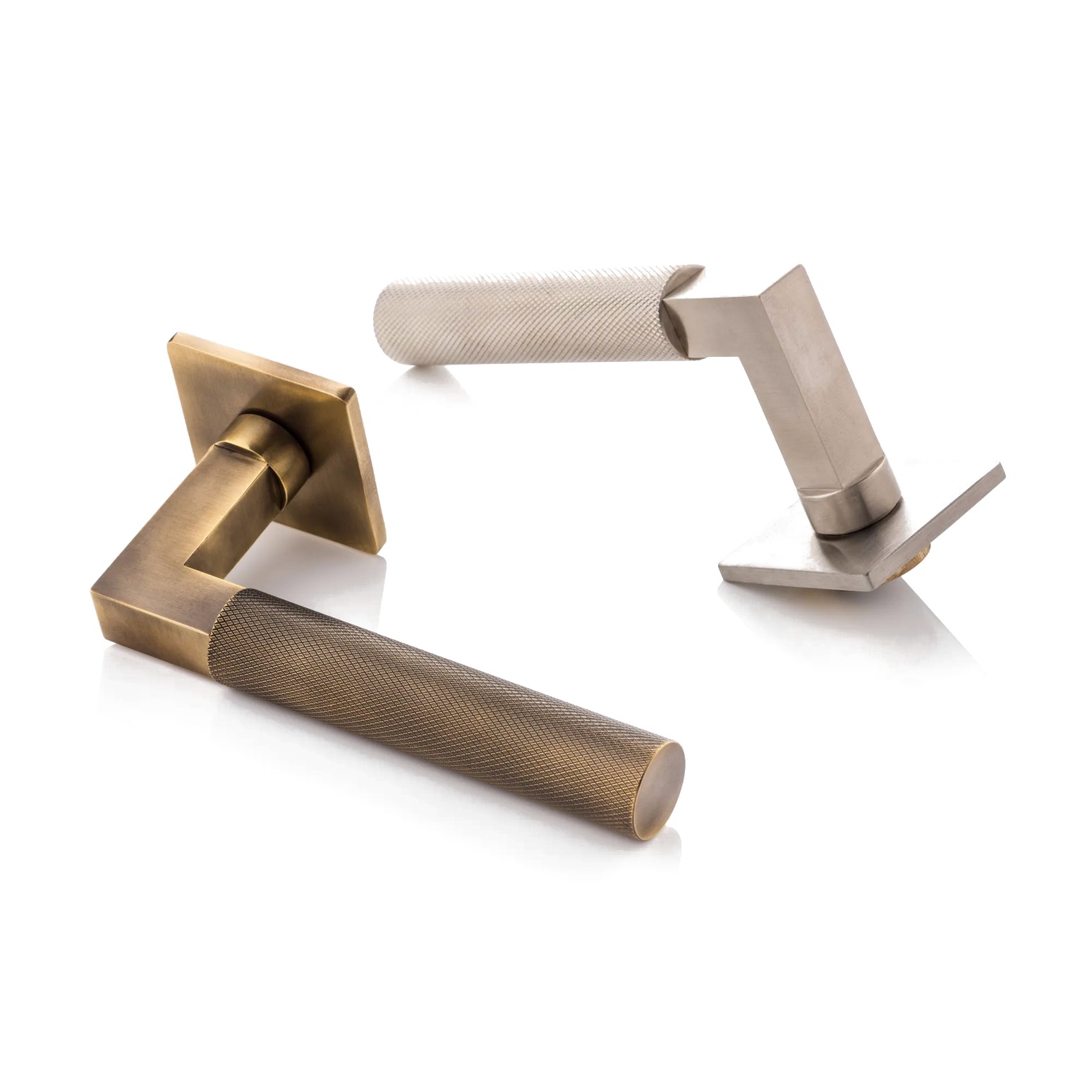
Joseph Giles Ashworth II Knurled Lever
Knurled grip for wet or arthritic hands. Solid brass, multiple hand-applied finishes.
Knurled brass — grips a wet or arthritic hand
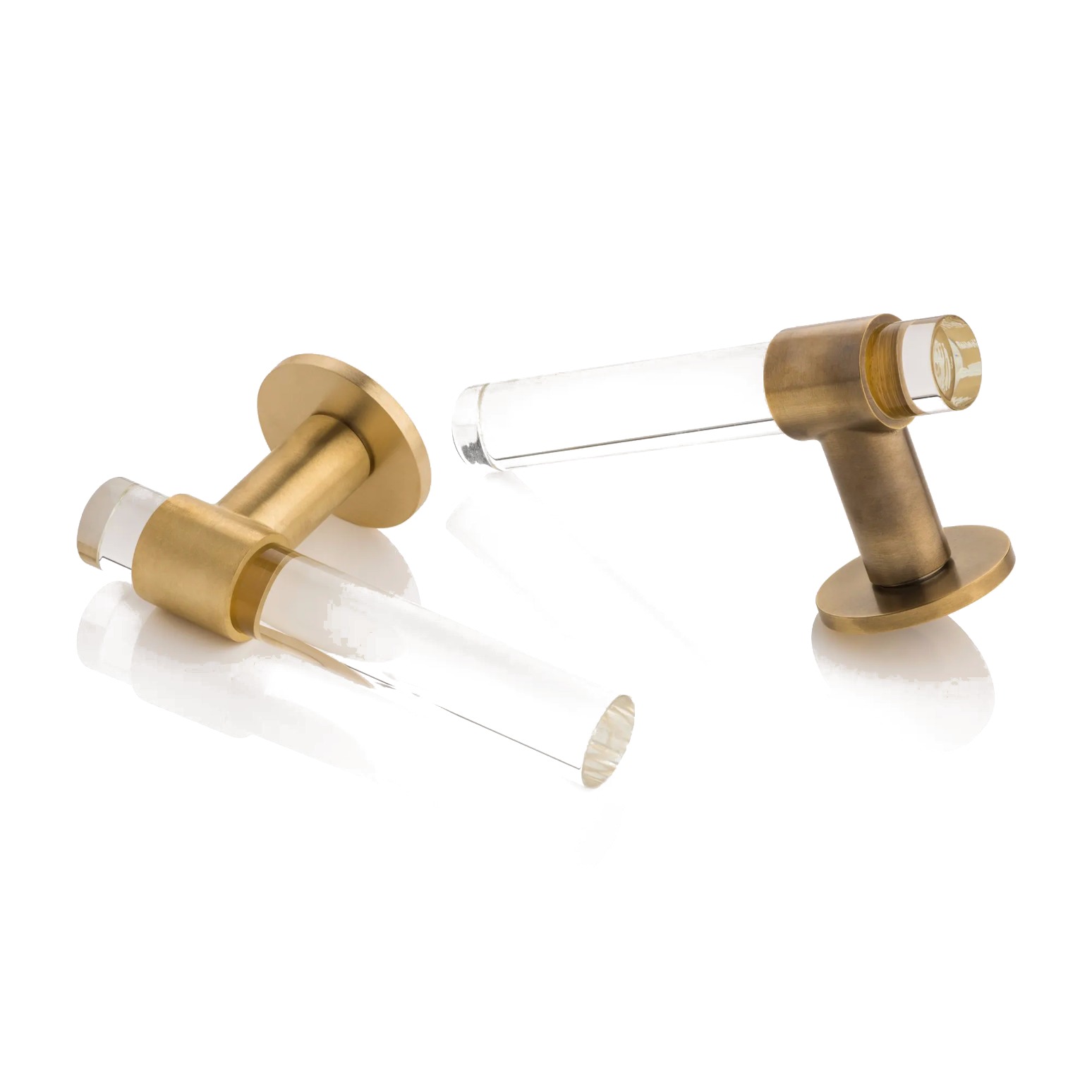
Joseph Giles Collett Round Brass/Glass Lever
Artisan quality, glass element, arthritis-friendly. Made in England.
Round glass lever — softer, still a lever
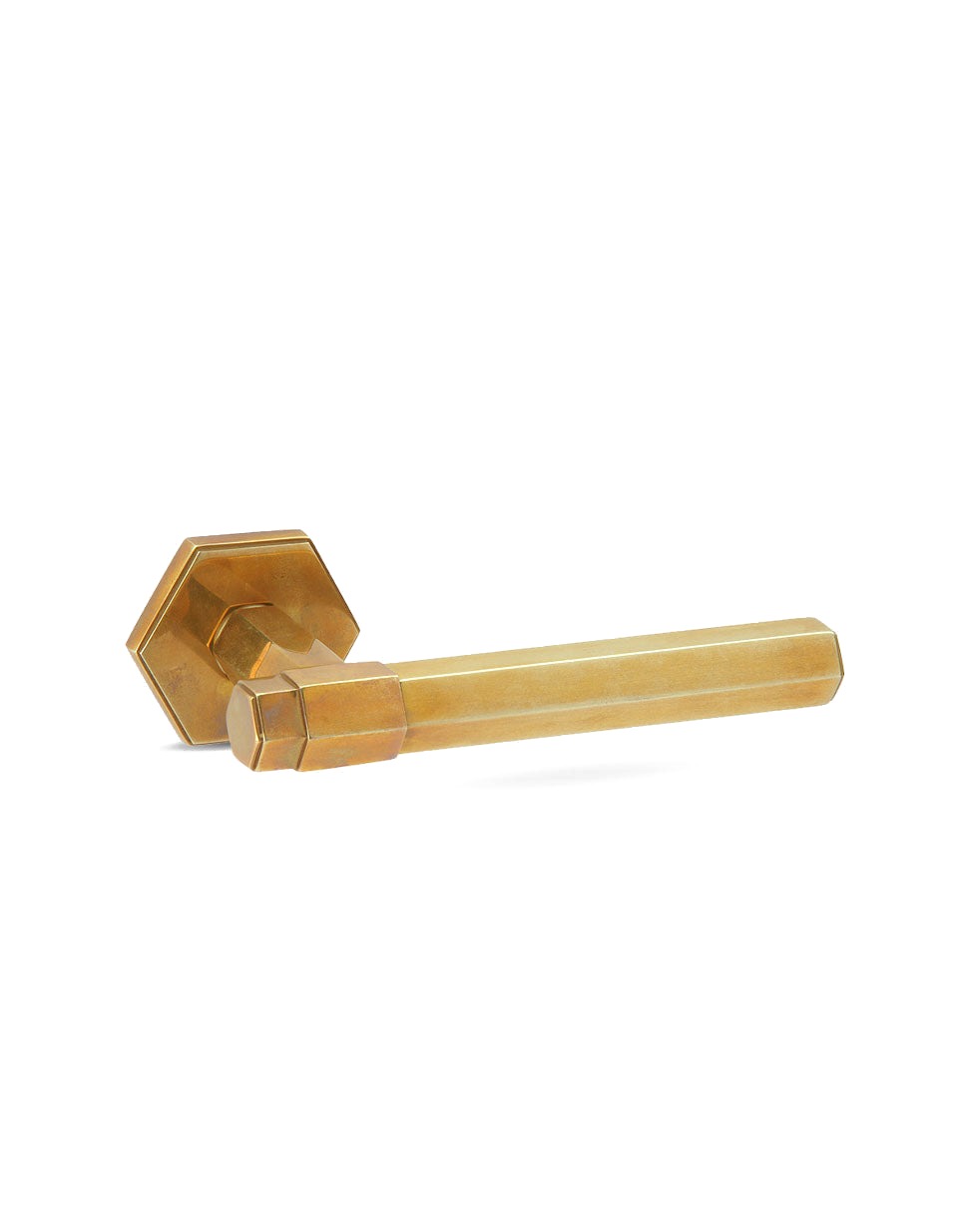
Groel Espuch Lever Set
Spanish-designed, clean architectural profile, weighted feel. Contemporary or transitional spaces.
Architectural lever set

Kwikset Halifax Matte Black Passage Lever
Accessible price, reversible, non-locking. Good for secondary rooms.
Value lever — every interior door
Light, sight, and a place to sit
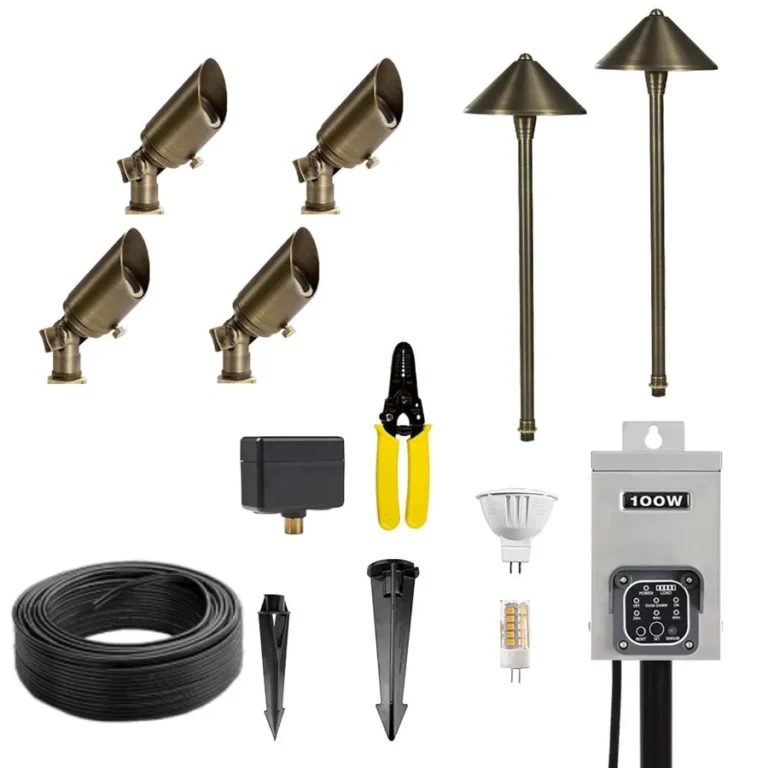
Path lights on a dusk-to-dawn sensor from the car to the door; a motion light aimed at the lock; a camera doorbell so a parent never opens the door without seeing who’s there (and so you can see them arrive home). Inside: a bench with arms, a hook at reachable height, and a flat, anchored rug — the curled corner of a doormat is a fall waiting to happen.
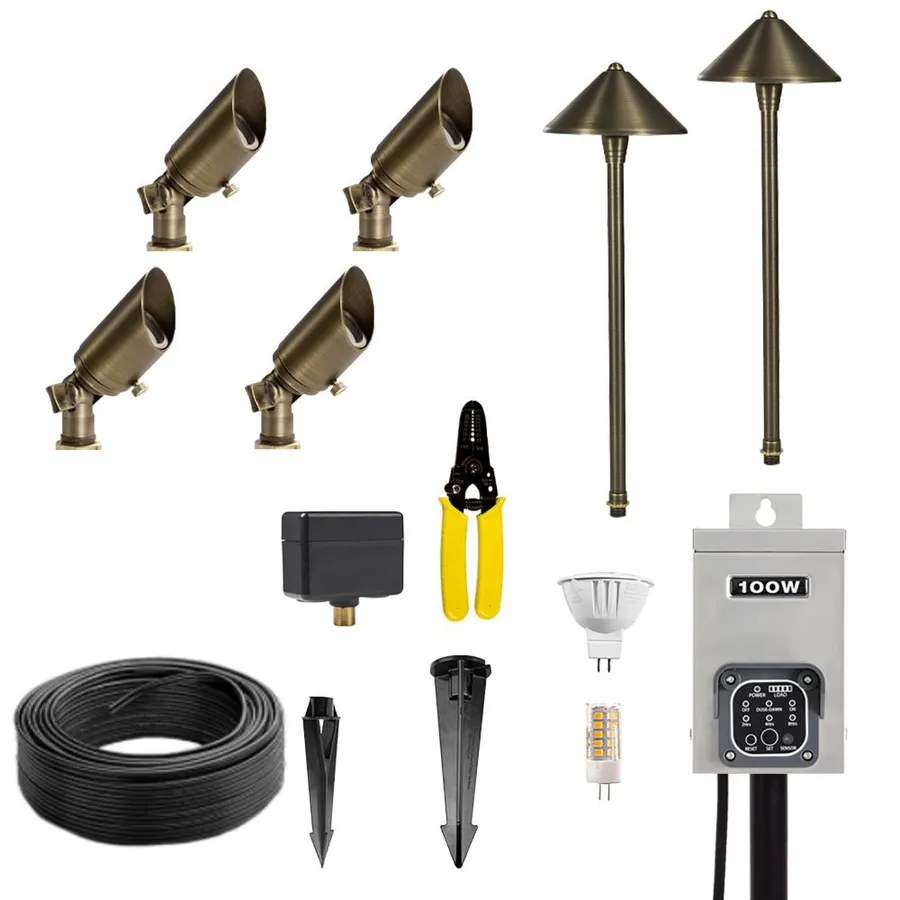
Volt Lighting
Professional-grade landscape lighting configurable for motion activation. Residential-focused, high quality.
Light the path, dusk to dawn

Ring Alarm Pro + Alexa/Google
Whole-home security with built-in WiFi router, voice arming, motion and door sensors.
See who is at the door before opening it
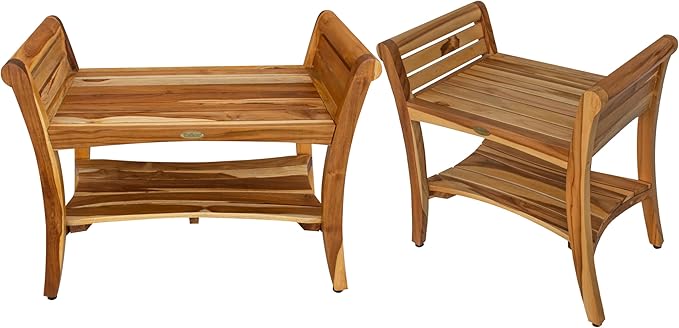
EcoDecors Teak Bench with Arms
Freestanding, slip-resistant feet, solid teak. Two sizes available.
Somewhere to sit while shoes and bags happen
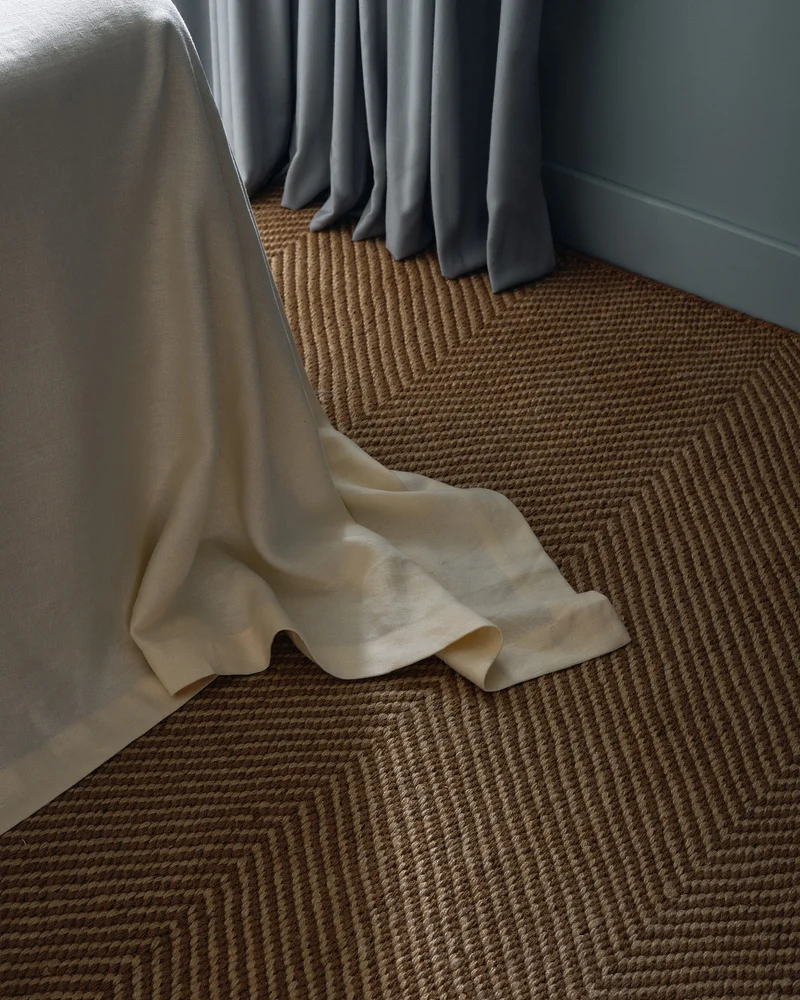
Nordic Knots Jute Herringbone
Natural texture, beautiful weave. Pair with proper non-slip pad.
A flat, anchored entry rug — not a curled mat
The step at the door
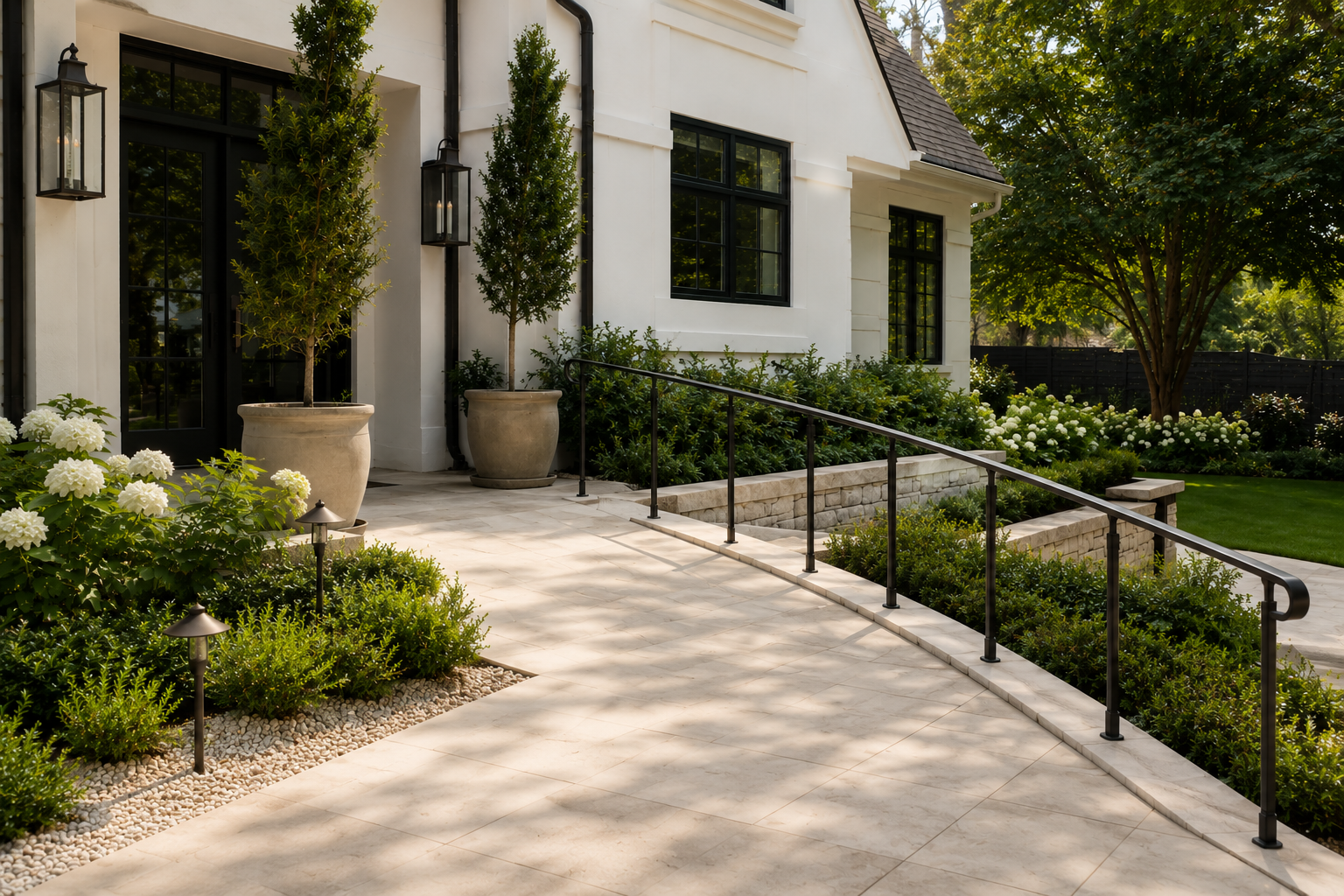
The biggest barrier at most entries isn’t the lock; it’s the single step at the threshold. A ramp needs 12 inches of run per inch of rise, which is why I’d rather regrade the walk or terrace the landscape so the path simply meets the door. That’s a design project, and it’s the one on this page most worth doing well. See what to add now so you don’t have to renovate later.
Upgrade the front door first if…
- keys are getting hard because of arthritis, tremor, or grip strength;
- groceries, a cane, a dog leash, or a grandchild come through the same door every day;
- keys are getting lost, or “did I lock the door?” is a nightly question;
- you’re caring for a parent from a distance and want to know they got home;
- you plan to stay in this house for the next ten years or more.
What it costs
- Palm or keypad smart lock: $150–$350, installed by a handy person in under an hour; a locksmith if the door needs adjusting.
- Levers on every interior door: $25–$60 each for good value hardware; $150–$400+ each for architectural brass.
- Camera doorbell: $100–$250 plus a small subscription.
- Path lighting: $300–$1,500 for a low-voltage kit; more with a landscape installer.
- Removing the entry step: $2,000–$15,000 depending on grade and materials.
Who this is not for
- Anyone with significant memory loss living alone — a lock that auto-locks behind them can lock them out; pair it with a family member enrolled, a lockbox, and a camera so someone knows they’re home.
- A door that sticks, sags, or needs a shoulder — fix the door before any smart lock; the motor won’t overcome it.
- A household with no one to change the batteries — choose a lock with a low-battery alert to a family phone and a physical key backup.
Frequently asked questions
What is the easiest door lock for elderly hands? A palm-recognition lock — no key, no code, no grip. A large-button backlit keypad is second.
Are fingerprint locks good for seniors? Usually not. Fingerprint definition fades with age and dry skin, so readers fail exactly when hands are cold or dry.
Can a keyless lock lock someone out? Yes, if it auto-locks and the person is outside without their phone or hand enrolled. Enroll both hands and a family member, keep a physical key with a neighbour, and set auto-lock to a comfortable delay.
Do smart locks work in a power outage? Battery-powered locks keep working; most keep a physical key override. Change batteries on a schedule.
What else makes a front door easier for an older person? A lever handle, a lit and level path, a video doorbell, a bench inside, and no step at the threshold.
For fall-risk assessment, the CDC’s STEADI program. Related: universal design ideas that add home value, motion-sensor lighting, smart home for aging in place.
The five changes I’d make tomorrow
- Replace the front-door lock with a palm or backlit-keypad lock, auto-lock on.
- Replace every knob in the house with a lever.
- Add a camera doorbell.
- Light the path from the car to the door, dusk to dawn.
- Put a bench with arms and a hook inside the entry.
Then plan the real project: the step at the door.
The design comes first
The safest front door rarely looks like a medical environment. In my experience, the best aging-in-place entries rely on design first: a lit, level path, a lever on every door, a bench inside, a beautiful handle that happens to open for you. The lock is the finishing touch — and it should be the one part nobody notices.
Free resource: 12 Changes That Make a Home Safer Without Looking Clinical.