The Best Shower Systems for Accessible Bathrooms (2026): A Designer’s Guide
This post contains affiliate links. If you buy through them I may earn a small commission at no extra cost to you. How that works.
The Best Shower Systems for Accessible Bathrooms (2026): A Designer’s Guide
The room, the seat, then the system — and the thermostatic valve that makes all of it safe.
Part of our complete guide: Bathroom Safety for Aging in Place. I’m a residential interior designer and a full-time caregiver for my parents, not an occupational therapist — for a specific mobility need, have an OT walk the bathroom with you. Over 15+ years designing homes, I’ve learned that most safety problems are solved by better design long before medical equipment enters the room. Well Aging Home participates in affiliate programs; if you buy through a link, I may earn a small commission at no extra cost to you.
Best shower systems for accessible bathrooms: quick answer
Any of the four systems here — Hansgrohe Pulsify (best overall), AXOR Starck (luxury), Kohler Awaken (no-demolition retrofit), Rejuvenation Tiburon (to match the grab bars) — gives you a thermostatic valve, a handheld on a slide bar and a rain head. Pair it with a fold-down teak seat under the handheld, and put it in a curbless shower with a textured floor. The valve is the safety feature; the room is the product.
What I tell clients before buying a shower system
The shower is the highest-risk room in the house, and the shower system is the product that defines the whole experience of using it. But here’s what I’ve learned specifying these for clients and living with one for my mother: the shower system is not the shower. A beautiful thermostatic column bolted to a shower with a six-inch curb, a slippery floor, and nowhere to sit is a beautiful product in a dangerous room.
So my specification is in three layers, and the hardware is the last one. First the room — curbless, waterproofed wall to wall, floor sloped to a linear drain, tile that grips. Second the seat — a built-in bench or a wall-mounted teak fold-down, at 17–19 inches, with the controls reachable from it. Third the system: a thermostatic valve so the temperature is set once and can’t scald, a handheld on a slide bar that adjusts from seated to standing, and a rain or wall head for the person who stands. If you can only afford one of the three today, do the room; the column can be upgraded later in an afternoon.
And because real estate agents say it to me: none of this should announce itself. A young couple won’t buy a house to start their family in if every adaptation is visible. Done right, this is simply the best shower in the house. Think Four Seasons, not hospital.
Think Four Seasons, not hospital
The accessible suite at a Four Seasons has exactly the shower this page is about, and you’d never call it medical. What that shower gets right:
- Rain head plus handheld, always both. The rain head is for the guest who stands. The handheld on a slide bar is for the guest who sits, and for anyone helping — it’s the single most useful piece of hardware in an accessible bathroom, and it doubles as the way you rinse the tile.
- Thermostatic control, set once. A dial for temperature and a separate control for volume and outlet, so the water comes out at the same temperature every time and nobody is testing it with a hand while standing on a wet floor.
- The controls are near the entry and reachable from the seat. You turn the water on before you step in, from outside the spray, and you can reach the handheld and the valve without standing up.
- A fold-down teak bench, not a chair. Wall-mounted beside the handheld, folded flat when not in use; a grab bar on the wall beside it, not above it.
- No curb, no door. The floor runs through; at most a single fixed panel of glass. The drain is a slot along the back wall.
- The mirror doesn’t fog. A heated, lit mirror or a defogging medicine cabinet, so the room is usable the moment you step out.
- One finish. The shower set, the bars, the towel bar and the door lever are a single collection. That’s the entire trick.
Every product below is one of those decisions.
The systems I specify
Four systems from a no-plumbing-change install to German-engineered forever fixture. Every one has an integrated thermostat and a height-adjustable hand shower, and every one belongs in a spa.
| Best for | My pick |
|---|---|
| Best overall | Hansgrohe Pulsify S Puro 260 |
| Luxury remodel, forever fixture | AXOR Starck Showerpipe 240 |
| Existing shower, no demolition | Kohler Awaken HydroRail-S (add a thermostatic valve if you don’t have one) |
| Matching the grab bars exactly | Rejuvenation Tiburon thermostatic set |
| Seat | Seachrome fold-down teak (renovation) · EcoDecors freestanding (renters) |
| The room | Curbless floor to a Schluter Kerdi-Line drain, textured porcelain, one finish throughout |
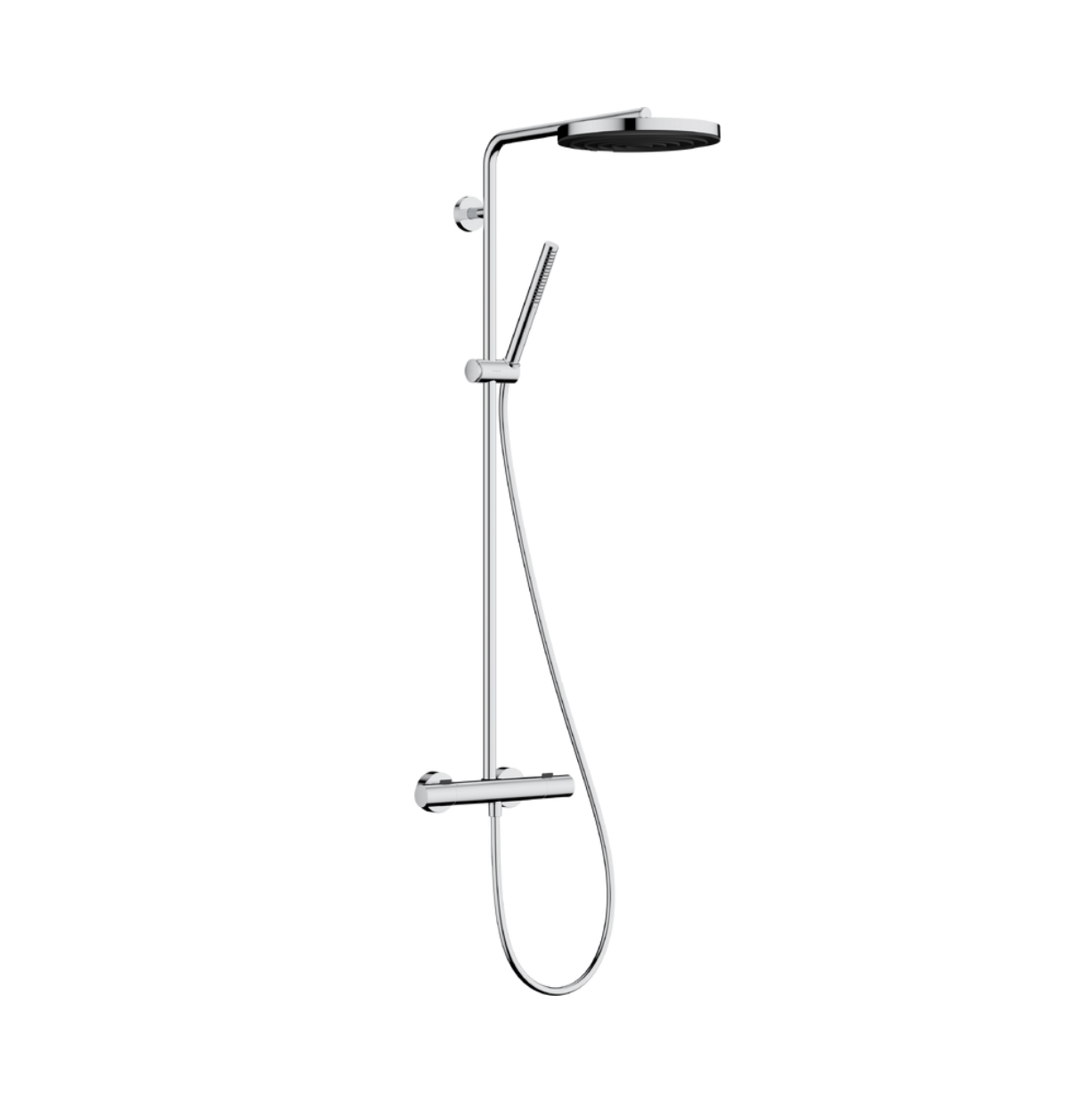
Hansgrohe Pulsify S Puro Showerpipe 260
Best overall balance. Height-adjustable, thermostat, PowderRain spray. Chrome, Matte Black, Matte White, Brushed Bronze.
Rachel’s pick — best overall luxury + practical balance

AXOR Starck Showerpipe 240
German engineering. PowderRain overhead, integrated thermostat, QuickClean nozzles. $6,079 MSRP. cUPC, 5-year warranty.
Ultimate luxury · forever fixture
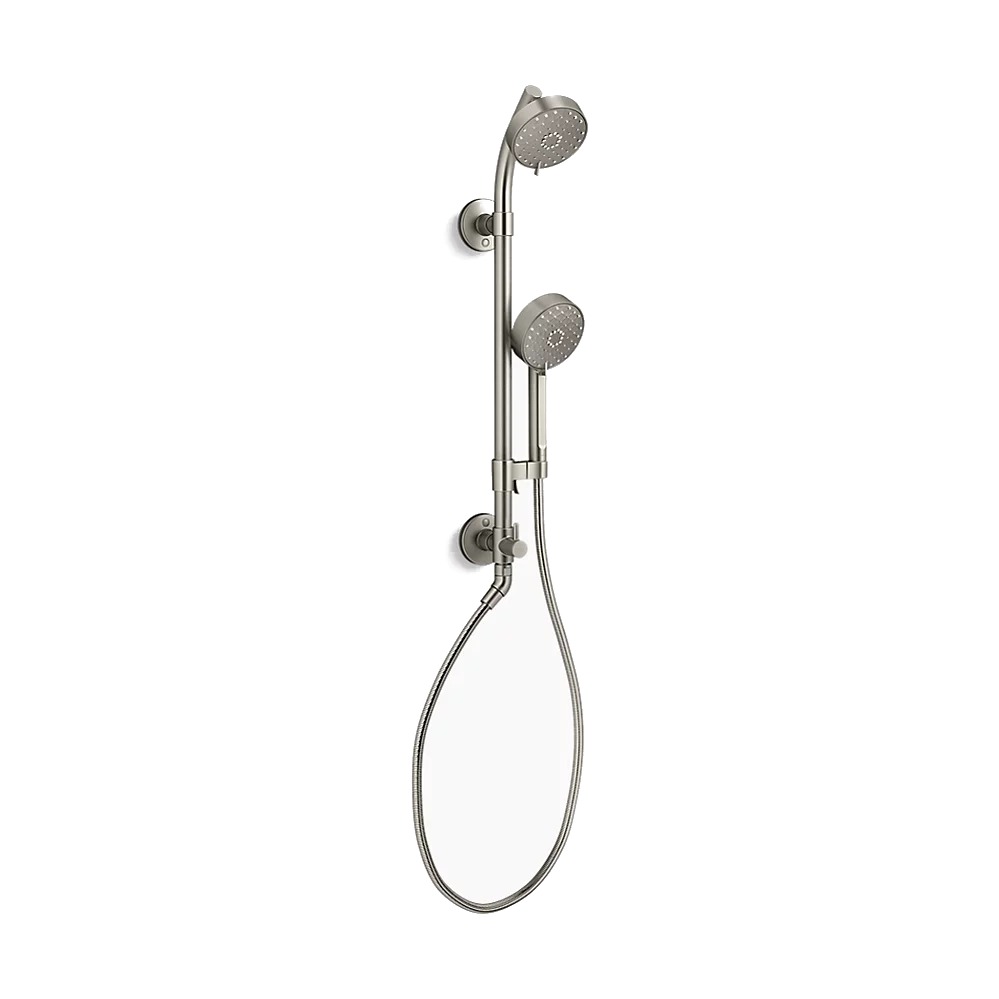
Kohler Awaken HydroRail-S Shower Column
60-minute install, no in-wall plumbing changes. ADA compliant, 3 spray modes, pause feature.
Best value · 60-minute install, no wall demolition
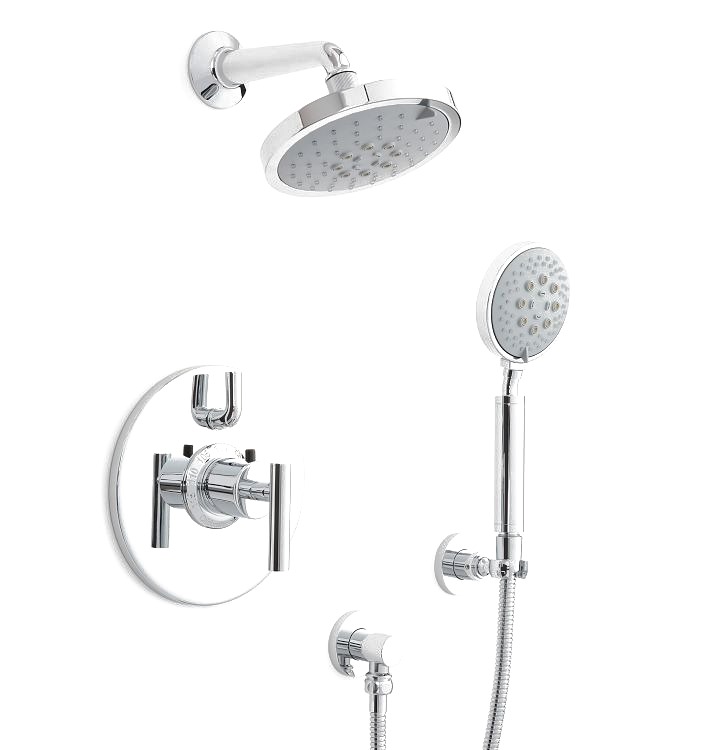
Rejuvenation Tiburon Thermostatic Shower Set
3-function showerhead, thermostatic control, 1.8 GPM. Coordinates with Tiburon grab bars.
Coordinates with the Tiburon grab bars
What separates them
| System | Install | Thermostat | Hand shower | Best for |
|---|---|---|---|---|
| Hansgrohe Pulsify S 260 | Exposed showerpipe; replaces an existing valve | EcoStat Fine, to ~1°F | Height-adjustable on the bar; three spray modes | The client who wants luxury and practicality in one buy |
| AXOR Starck 240 | Exposed showerpipe; professional install | Thermostatic, ~1°F | PowderRain — the softest spray for sensitive skin | Renovating once, never thinking about it again |
| Kohler Awaken HydroRail-S | ~60 minutes, no wall demolition, pairs with the existing valve | Uses your existing valve (add a thermostatic valve if you don’t have one) | 18 inches of slide-bar adjustment | Existing bathroom, no renovation budget, rental |
| Rejuvenation Tiburon | Exposed thermostatic set; professional install | Thermostatic | Handheld on slide bar | Matching the Tiburon grab bars exactly |
One thing to check on any system: the thermostatic valve is the safety feature, not the column. The Kohler Awaken is a superb retrofit, but it uses whatever valve is already in the wall. If that valve is a plain pressure-balance mixer, ask the plumber to add a thermostatic mixing valve or set the anti-scald limit stop at 120°F when it’s installed.
Why I specify thermostatic valves
A standard shower valve — the single lever most houses have — is a pressure-balance valve: it keeps the hot-cold ratio steady if someone flushes a toilet, but it doesn’t hold a temperature, and you set it by feel every time. A thermostatic valve holds the water at the temperature you dial in, and a separate control turns the water on and chooses the outlet. For an older person, that means:
- No scalding. Skin thins and reaction time slows with age; a thermostatic valve with a high-limit stop makes 120°F the ceiling.
- No testing the water on a wet floor. The temperature is right the moment it’s on — set once, correct forever.
- Easier for arthritic hands. Turning a volume dial takes far less strength and precision than finding the sweet spot on a lever.
- Better for caregivers. Whoever turns it on gets the same safe temperature, and the outlet can be switched to the handheld without changing anything else.
- It’s the hotel standard. Every accessible suite at a Four Seasons has one — that’s part of why those showers feel effortless.
If a retrofit column like the Kohler Awaken is going onto an existing pressure-balance valve, ask the plumber to add a thermostatic mixing valve behind the wall or, at minimum, set the valve’s anti-scald limit stop.
Seating: the piece most systems leave out
A shower system solves water and temperature. It doesn’t solve standing on a wet surface for ten minutes. Pair any of the systems above with real seating, positioned under the handheld with the controls reachable.
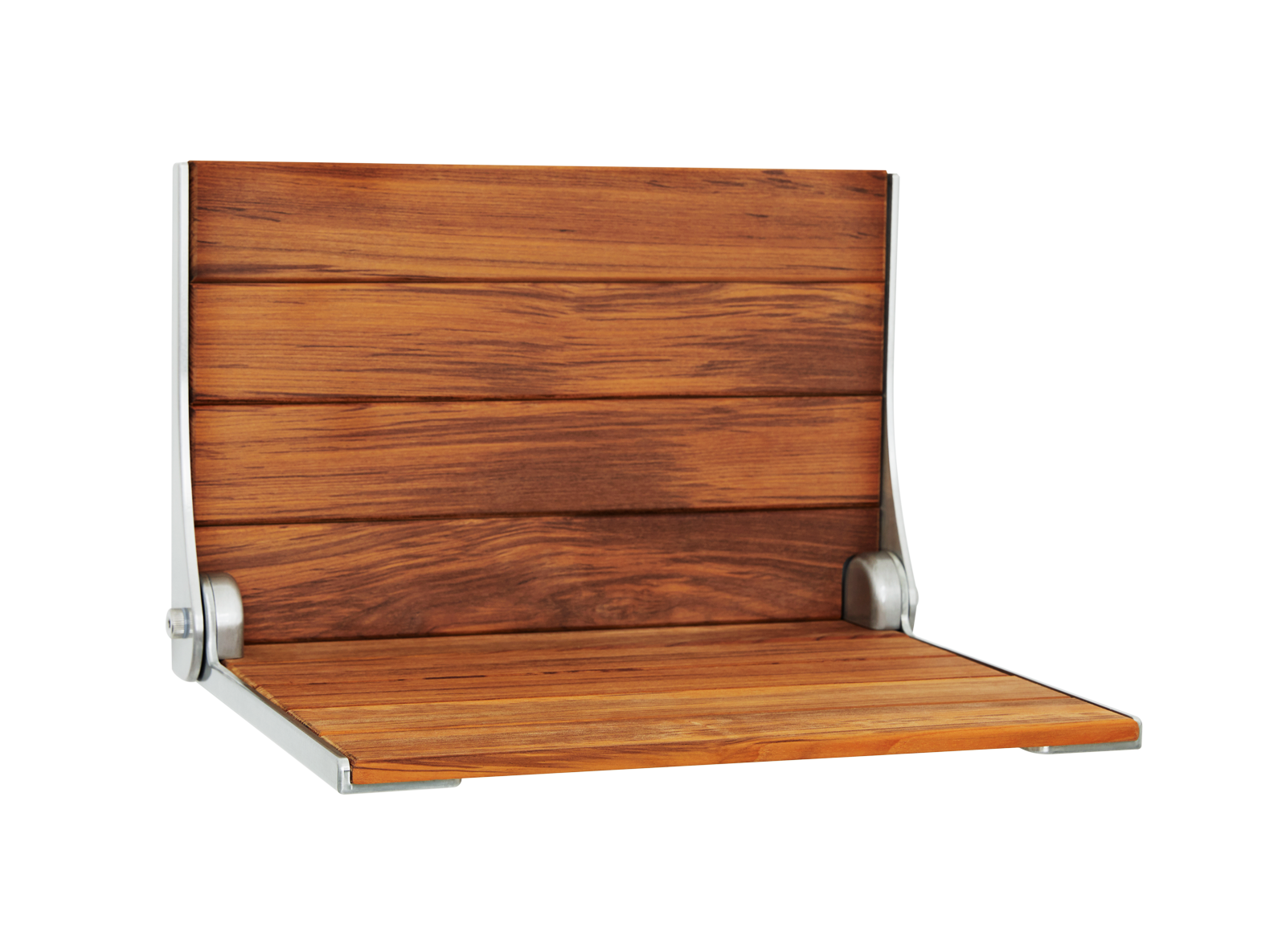
Seachrome Silhouette Teak Folding Shower Seat
Wall-mounted, folds flat. Commercial-grade hardware. Looks like a spa feature.
Wall-mounted, folds flat — my first choice
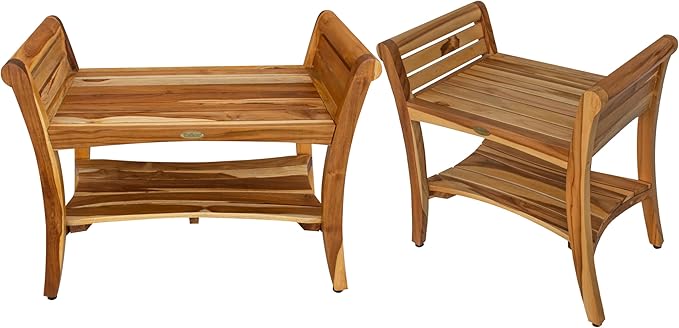
EcoDecors Teak Bench with Arms
Freestanding, slip-resistant feet, solid teak. Two sizes available.
Freestanding — renters, no drilling

Drive Medical PreserveTech AquaChair Bathing System
Built-in bidet and handheld sprayer, seat-side controls, supports 350 lbs. For clients who need more than a bench — full independent bathing without a caregiver in the room. Rachel uses this for her own mother.
For caregiver-assisted bathing — in my mother’s shower
If you’re renovating, a built-in tiled bench is the best answer — 17–19 inches high, 15–16 inches deep, sloped very slightly toward the drain, in the same tile as the walls so it disappears. For everyone else, the Seachrome fold-down is what I specify: it’s what’s in hotel accessible suites, it holds 350+ pounds, and it folds flat.
The room: what makes the system work
Curbless
The curb is the fall. Eliminating it means sloping the floor to a drain — ¼ inch per foot — which either means recessing the subfloor in that zone, using a pre-sloped foam base, or running a linear drain along the back wall so the slope is in one direction only and the floor tile can be large. If the whole bathroom floor is waterproofed (a true wet room), the “shower” is simply the end of the room with the drain in it. See my full guide: curbless shower design.
The floor
Wet tile is the second fall. For the wet zone I specify matte porcelain with a DCOF rating of 0.42 or higher in small formats (2×2 mosaic) or a textured finish, so it grips bare wet feet without looking like a locker room. Large-format on the walls, small-format on the floor, same color family, and it reads as one surface.
Glass, or none
A single fixed panel of glass keeps most of the water where you want it and never has to be opened. A full enclosure with a door is a thing to negotiate with a walker. No glass at all — a true open wet room — is what I do when the bathroom is small enough that the whole floor drains anyway.
Steam and light
A quiet, recessed fan on a humidity sensor keeps the grout dry, and an anti-fog mirror — a heated pad or a built-in defogger behind the glass — keeps the mirror clear the moment you step out, so nobody is wiping steam off with a towel while standing on a wet floor. Most lit medicine cabinets have this built in; a standalone LED mirror with a defogger is the answer over a vanity without one. A dimmable overhead, a face-height sconce and a motion night light mean nobody showers in the dark or the glare. And a recessed, lit medicine cabinet above the vanity — Robern’s M Series, or Kohler’s Verdera — is where the storage goes when the vanity is wall-hung with open space beneath, which it should be.
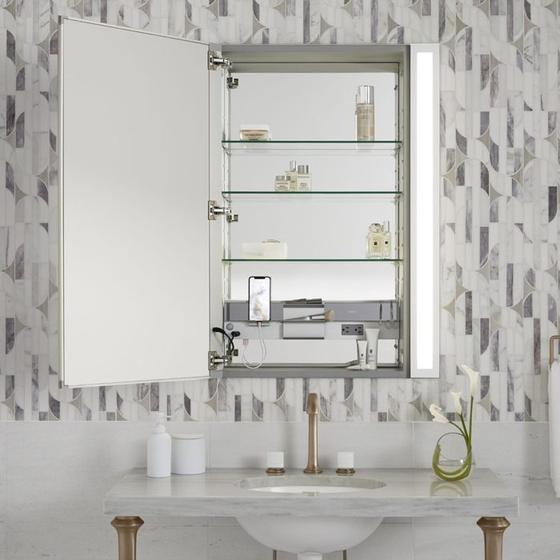
Robern M Series Medicine Cabinet
Recessed, mirrored inside, interior LED that comes on when the door opens, GFCI outlets and USB inside, optional defogger and programmable night light. Medications and glasses at eye level, lit, behind a mirror — and the storage a wall-hung vanity gives up. Made in the USA.
Rachel’s medicine cabinet — close to a must with an open-underneath vanity
What I specify for the room
From my full collection — the parts your contractor needs, plus the bar and fan that finish it.

Schluter Kerdi-Line Linear Drain
Enables zero-threshold wet room design. Eliminates the shower curb tripping hazard entirely.
The drain that makes curbless possible

Wedi Fundo Riolito Neo
Modular curbless shower system with integrated linear channel drain. Pre-sloped, fully waterproofed, and ready for tile. Rachel’s preferred zero-threshold substrate system — elevated with a sleek linear drain design.
Pre-sloped, pre-waterproofed base
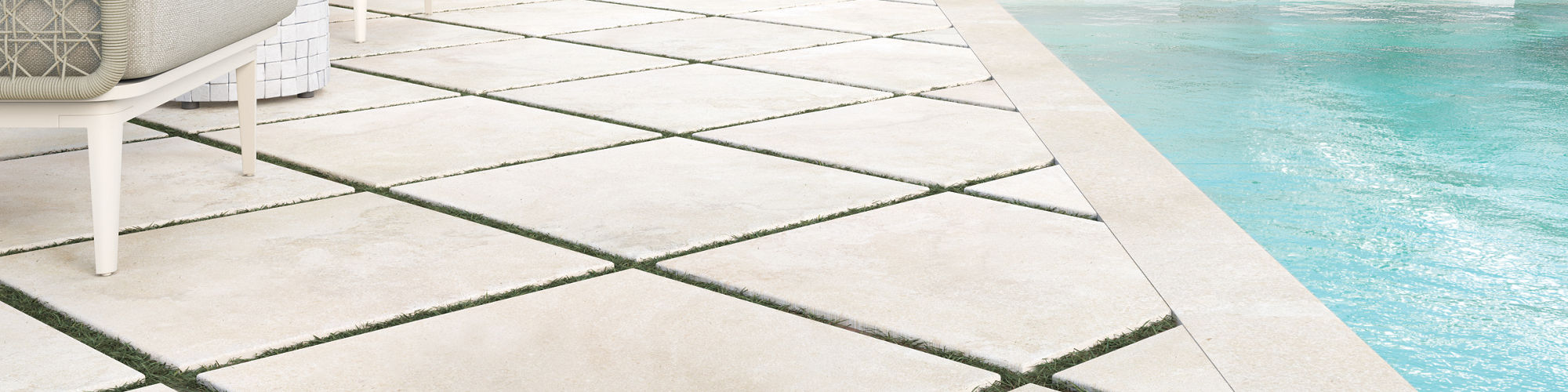
Daltile Haddonstone — Wet Zones
High-traction tile with natural stone aesthetic. Rachel’s go-to for spa-style shower floors.
Rachel’s go-to wet-zone floor
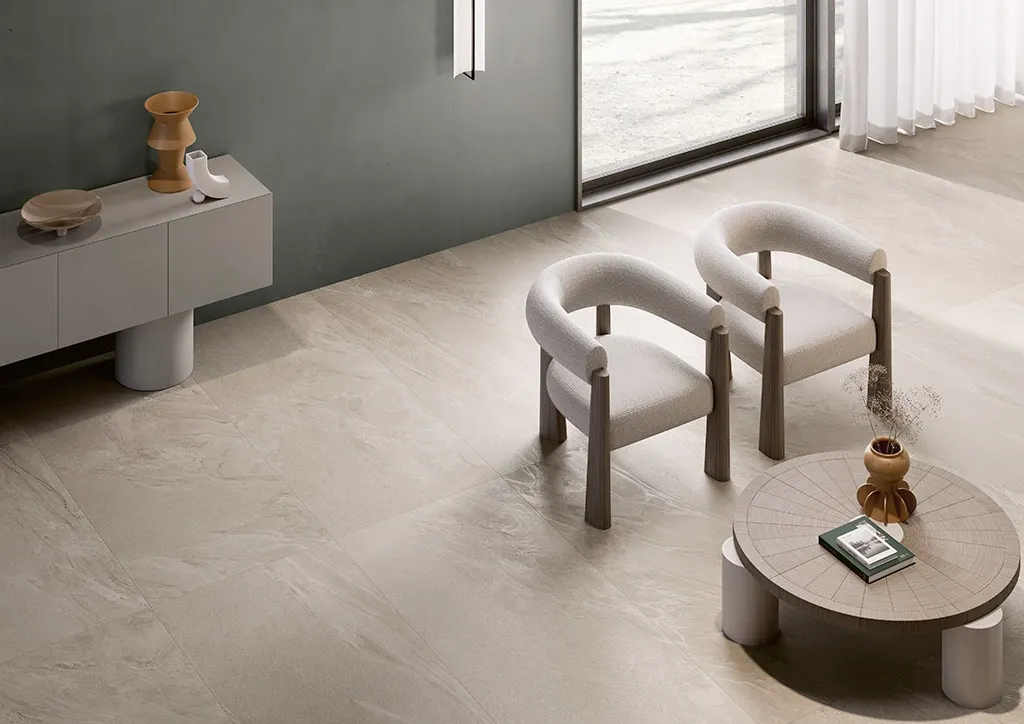
Arizona Tile Fluida — Wet Zones
Beautifully textured, appropriate slip coefficient. Works for floors and walls.
Wet-zone floor, warmer palette
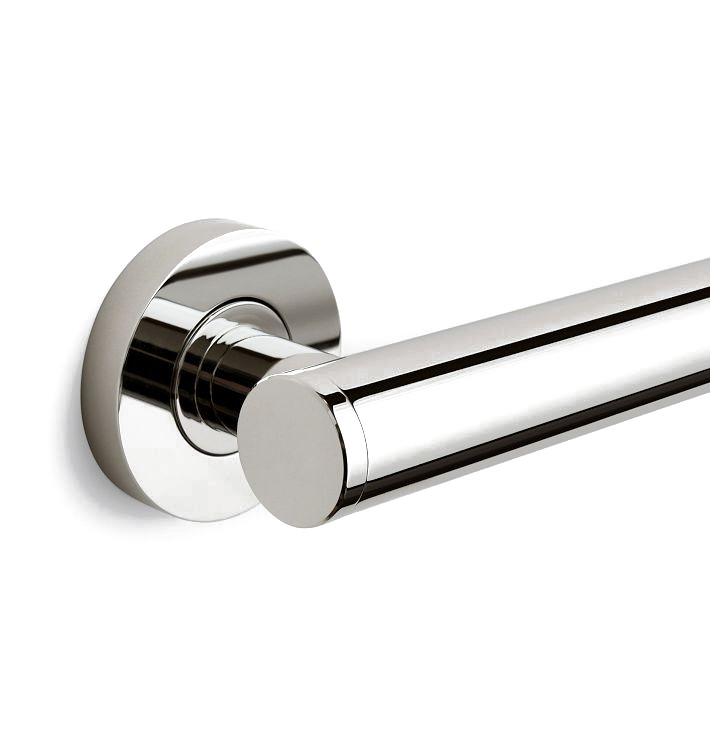
Rejuvenation Tiburon Round Grab Bar
Elegant, non-institutional. Exceeds ADA load ratings. Part of the full Tiburon collection.
Same finish as the shower set
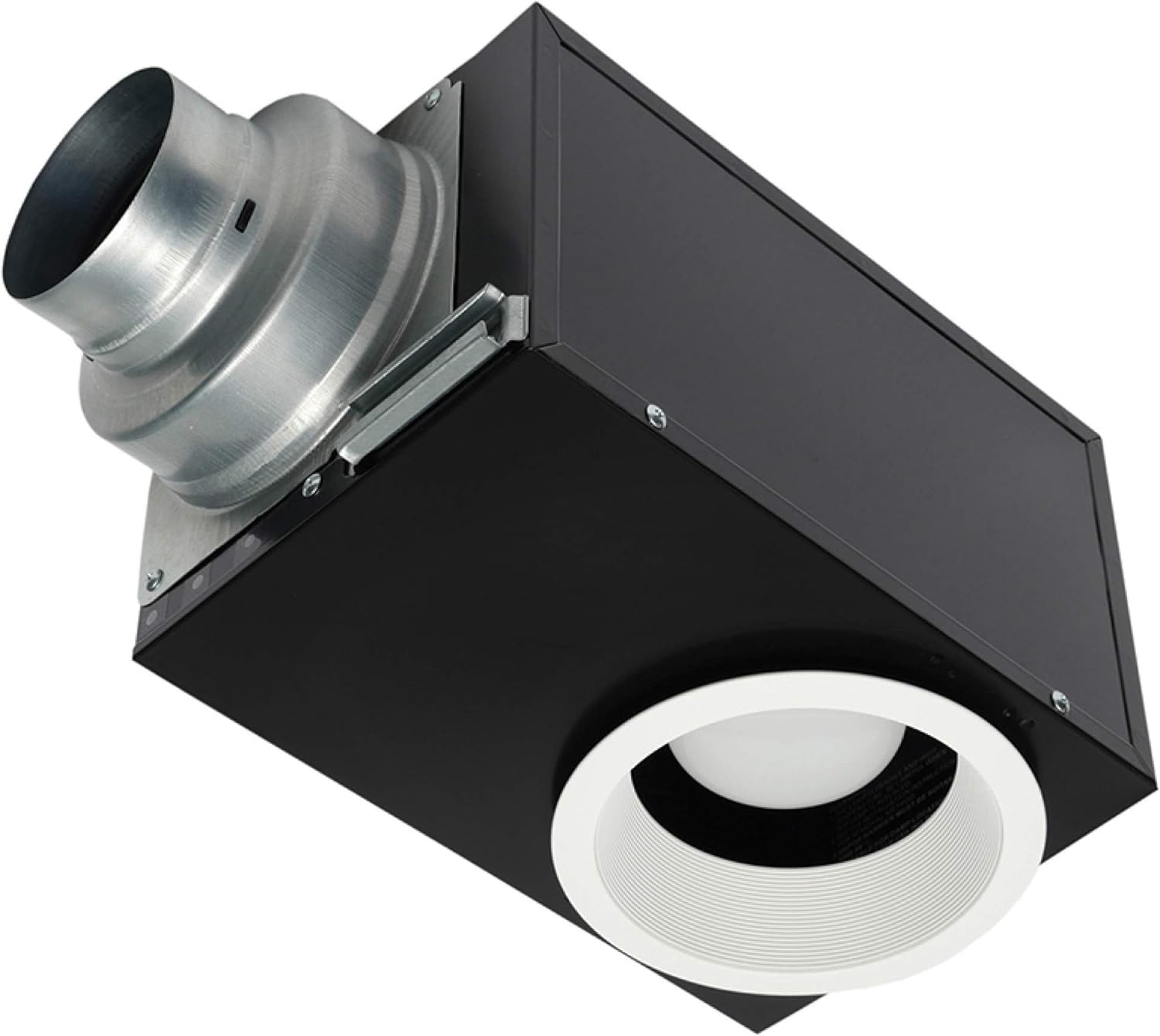
Panasonic WhisperRecessed Architectural Fan
One of the most elegant ventilation solutions available. Designed to resemble a recessed architectural light fixture, it conceals the ventilation system within a clean, minimalist ceiling element. The effect is subtle and sophisticated — reading as lighting first, ventilation second.
Quiet, recessed — steam control without a visible fan
Comparison at a glance
| Product | What it does | Price |
|---|---|---|
| Hansgrohe Pulsify S Puro 260 | Complete thermostatic system, rain + handheld | Check current pricing |
| AXOR Starck Showerpipe 240 | Complete thermostatic system, PowderRain | Premium |
| Kohler Awaken HydroRail-S | Retrofit column with 18″ slide bar, no demolition | Value |
| Rejuvenation Tiburon Thermostatic Set | Thermostatic exposed set matching the Tiburon bars | Premium |
| Seachrome Silhouette teak seat | Wall-mounted fold-down bench | Mid |
| Schluter Kerdi-Line | Linear drain for curbless | Mid |
The roll-in shower, seat and control dimensions above follow the 2010 ADA Standards; the U.S. Access Board’s guide to accessible bathing rooms is the readable version. Related: grab bars that don’t look institutional, bathroom safety for aging in place.
Who this is not for
- Anyone who can’t step over a curb and can’t renovate — the Kohler Awaken plus a freestanding bench and a handheld is the right interim; it doesn’t solve the curb, so add a vertical entry bar and an OT visit.
- Anyone who needs assisted bathing every time — the room and seat matter far more than the column; the AquaChair and a handheld on a long hose are the spec.
- Anyone buying a column to fix a scald problem — that’s the valve, not the column.
Frequently asked questions
What is the safest shower for seniors? A curbless shower with a textured floor, a bench under a handheld sprayer on a slide bar, a thermostatic valve, and grab bars at the entry and beside the seat.
Do I need a thermostatic valve? Yes. It holds the temperature you set and prevents scalding when someone flushes a toilet elsewhere. It’s the safety feature in the whole system.
Can I make my existing shower accessible without renovating? Partly — a retrofit column like the Kohler Awaken, a fold-down or freestanding bench, a handheld, and a vertical grab bar at the entry. The curb stays, which is why I’d plan the renovation for when you can.
How much does a curbless shower cost? $8,000–$25,000 depending on whether the floor needs to be recessed, plumbing moves, and tile. A full wet-room bathroom runs $12,000–$30,000.
Rain head or handheld? Both. The rain head for standing, the handheld for sitting and for anyone helping.
Why you can trust this guide
I’m an interior designer with 15+ years of residential work, and a full-time caregiver for my own parents. I’ve spent years evaluating products that improve safety without making a home feel institutional, and I’ve lived with most of what’s on this page. This guide puts design-forward solutions first and equipment second, and I’ll tell you when a product isn’t the answer. Where a decision depends on a specific body or diagnosis, I say so and point you to an OT or PT.
The design comes first
The safest shower rarely looks like a medical environment. In my experience, the best aging-in-place showers rely on design first: no curb, a seat, water that can’t scald, a handheld within reach. The column is the finishing touch, not the solution.
Free resource: 12 Changes That Make a Home Safer Without Looking Clinical.