Supportive Shoes for Seniors That Look Great
Disclosure: Well Aging Home participates in affiliate programs. If you buy through our links, we may earn a small commission at no extra cost to you.
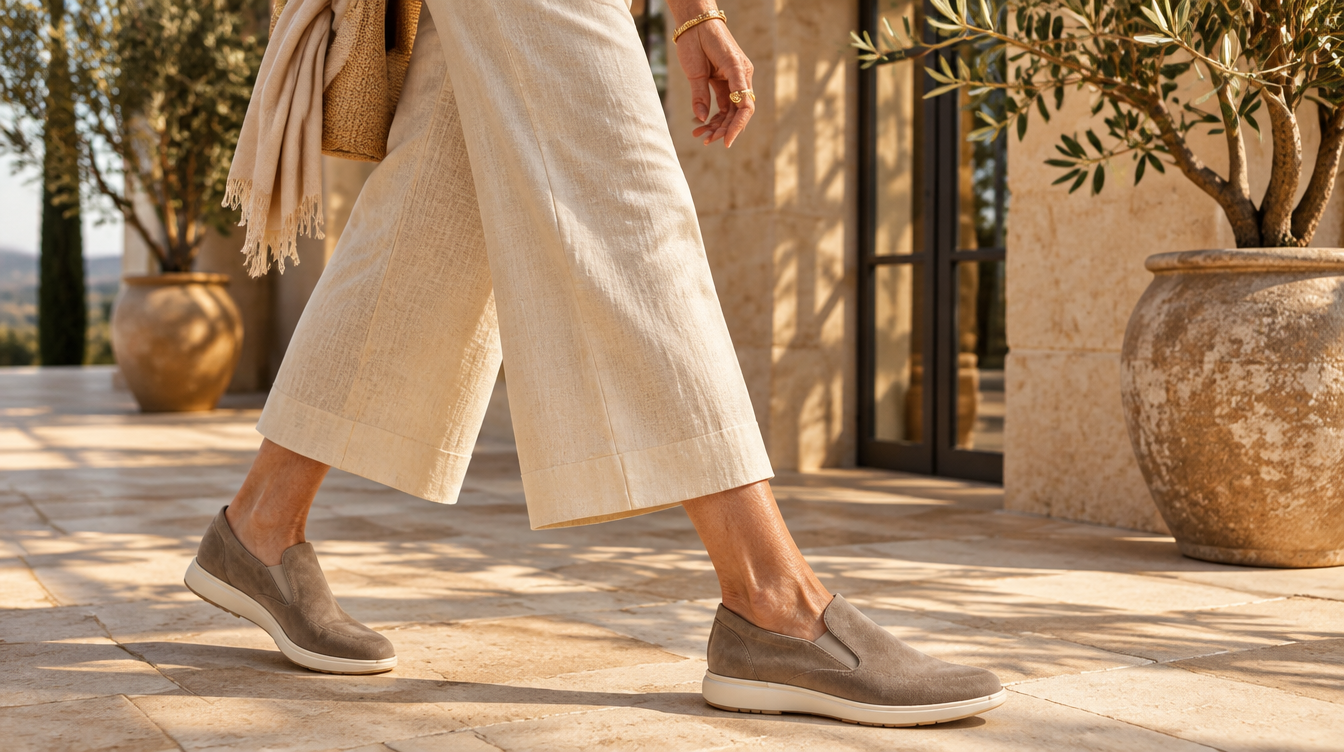
A supportive shoe no longer has to look like a medical device. As an interior designer for 15+ years, I spend my days on details people can feel before they can name, and shoes are the same: the right pair quietly keeps you steady, and the best ones now look like the sneakers everyone is already wearing.
What I tell clients before buying shoes
Buy the structure first and the style second, but don’t settle for ugly. Every shoe below meets the checklist that matters for balance, and every one looks like a regular good shoe.
| If you need… | Look for |
|---|---|
| Steadiness on your feet | A firm, wide sole and a low heel |
| Grip on wet or smooth floors | A rubber outsole with real tread, not smooth leather |
| Room for bunions, swelling or orthotics | Wide or extra-wide sizes and a roomy toe box |
| No bending or tying | Hands-free slip-ons or elastic laces |
| Comfort for long walks | A cushioned midsole with a rocker shape |
What support actually means
A supportive shoe has a firm midsole that doesn’t collapse under you, a heel counter (the back of the shoe) that holds your heel in place, a wide toe box so toes can spread, a low or moderate heel, and a rubber sole that grips. A simple test in the store: press the heel counter with your thumb. It should feel firm, not flimsy. Then try to twist the shoe like a towel. A supportive shoe resists.
Avoid backless slides, worn-out soles, high heels and anything loose enough that your heel lifts as you walk. Those are the shoes that cause trips.
My picks

Vionic Women’s Winny Sneaker
Built around a podiatrist-designed orthotic footbed. Reads as a clean, classic white sneaker.

New Balance Made in USA 990v6
Firm, stable midsole and wide widths that fit orthotics. The classic gray sneaker designers wear.

HOKA Women’s Clifton 10
Light, cushioned and stable, with a rocker sole that makes each step smoother.

Kizik Athens 2 Hands-Free Slip-On
Step in without bending or using your hands. The heel springs back into shape.
Why these four
Vionic builds every walking shoe around an orthotic footbed, so the arch support is built in rather than added. It is the closest thing to an orthopedic shoe that doesn’t look like one.
New Balance 990 is the gray sneaker you see on fashion editors, and it earns its reputation: a firm, stable midsole, a structured heel and wide widths that make room for custom orthotics.
HOKA Clifton has a thick, cushioned sole with a rocker shape that rolls you forward through each step. It is wide at the base, which adds stability, and very light for how much cushion it has. A good choice for long walks and sore feet.
Kizik solves a different problem: getting the shoe on. The heel is built to flex down and spring back, so you can step in standing up, with no bending and no shoehorn.
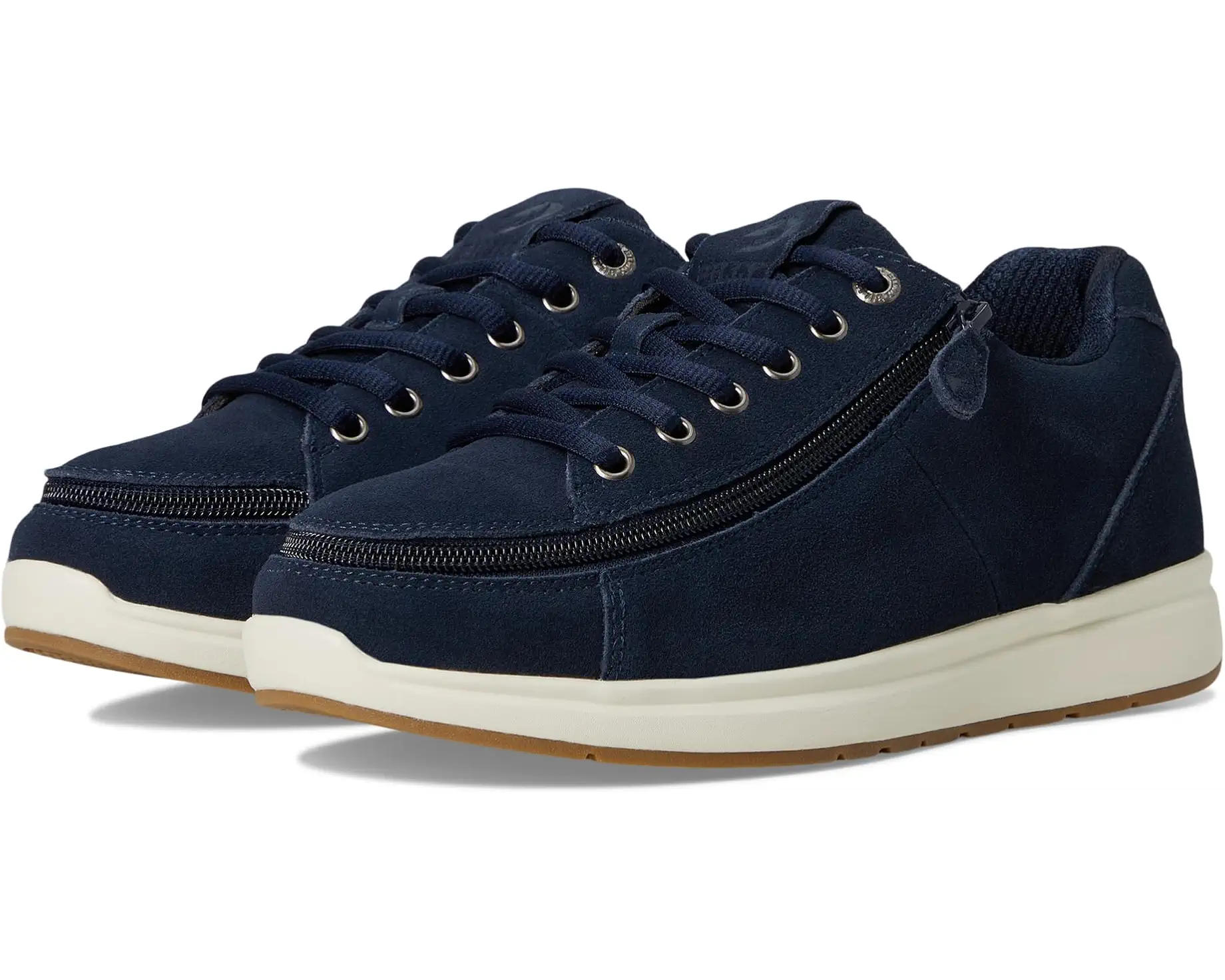
For more options, Zappos Adaptive is a dedicated section of Zappos with shoes that open wider, close with zippers or hook-and-loop, and fit over braces or swelling. It is worth bookmarking.
Hands-free shoes are worth it
Bending over to put on shoes is its own fall risk, especially first thing in the morning. Hands-free shoes like Kizik let you step in while standing. Elastic no-tie laces turn any favorite sneaker into a slip-on. Both are small changes that make getting out the door safer every day.
Fit matters more than the brand
Feet often get longer and wider over time, so many people are wearing a size that no longer fits. Get measured standing up, shop in the afternoon when feet are largest, and leave about a thumb’s width beyond your longest toe. If you wear orthotics, bring them and choose a shoe with a removable insole.
The design comes first
Shoes are part of how a home keeps you steady: the floor, the lighting and what’s on your feet work together. Inside, I prefer a supportive house shoe over socks or bare feet on smooth floors. My guide to non-slip slippers for hardwood floors covers the indoor side.
Shoe questions I hear most
What kind of shoes are best for seniors with balance problems?
Shoes with a firm, wide sole, a low heel, a firm heel counter, a roomy toe box and a rubber outsole with tread. Avoid backless slides and worn-out soles.
Are slip-on shoes safe for seniors?
Backless slip-ons are not. Hands-free shoes with a structured heel, like Kizik, stay on securely and remove the need to bend over to put them on.
How do I know if a shoe is supportive?
Press the back of the heel with your thumb; it should feel firm. Try to twist the shoe; a supportive shoe resists twisting and only bends at the ball of the foot.
Should seniors wear shoes inside the house?
A supportive house shoe with a grippy sole is safer than socks or bare feet on smooth floors like hardwood and tile.