Beautiful Pill Organizers That Look Like Decor
Disclosure: Well Aging Home participates in affiliate programs. If you buy through our links, we may earn a small commission at no extra cost to you.
Pill organizers have long been some of the most clinical-looking objects in a home: rainbow plastic boxes that sit on the kitchen counter or nightstand every single day. As an interior designer for 15+ years, I look at everything that lives out in a room, and this is one of the easiest things to upgrade. The right organizer makes every dose easy to see and looks like it belongs.
What I tell clients before buying a pill organizer
Match the organizer to the routine, not the other way around. Someone taking two pills a day needs something simple and pretty. Someone managing many medications at different times needs a system that reminds and locks. Then choose where it will live, because an organizer you can see is one you remember.
| If the routine is… | Choose |
|---|---|
| A few pills once or twice a day | A well-designed weekly case with large, labeled compartments |
| A dose away from home | A small keychain or handbag case |
| Many medications at several times | An automatic dispenser with reminders |
| A family member helping from afar | A connected dispenser that alerts them to missed doses |
For simple routines: a weekly case that looks like an accessory
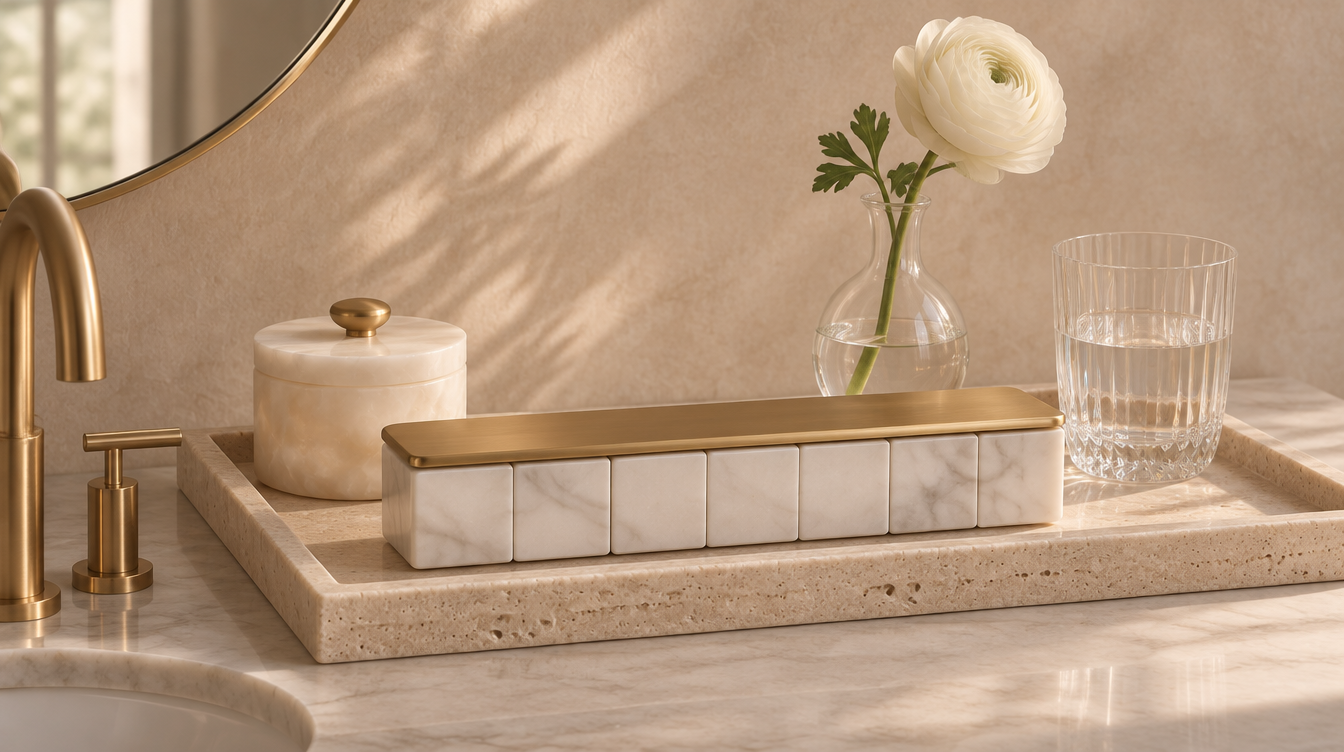
For a few medications at one or two times a day, a manual weekly organizer is all you need. Look for compartments large enough to open with one finger, clear day labels you can read without glasses, and a lid that snaps shut firmly. Then choose a material that belongs in your home: leather, stainless steel or brass instead of bright plastic.

Leather Zip Weekly Pill Case
A soft leather zip case with a labeled compartment for each day, plus an extra. Looks like a jewelry case on a nightstand or in a handbag.

Cielo Stainless Steel Pill Holder
A small, sleek stainless capsule that lives on your keys, so a midday dose always goes where you go.
For complex routines: automatic dispensers
When medications are taken at several times a day, mistakes become far more likely with a manual box. An automatic dispenser takes the sorting and remembering out of the equation. It holds the medications, releases the right dose at the right time, sounds a reminder, and stays locked the rest of the time so no one double-doses. Connected models also alert a family member if a dose is missed.
These are appliances, and none of them is beautiful. I place them inside a cabinet with a pull-out shelf or on a tray in a corner of the counter, so they are easy to reach and not the first thing you see. I wrote an honest review of the MedaCube if you are weighing one.
Hero Pill Management System
Best for: most families managing up to 10 medications
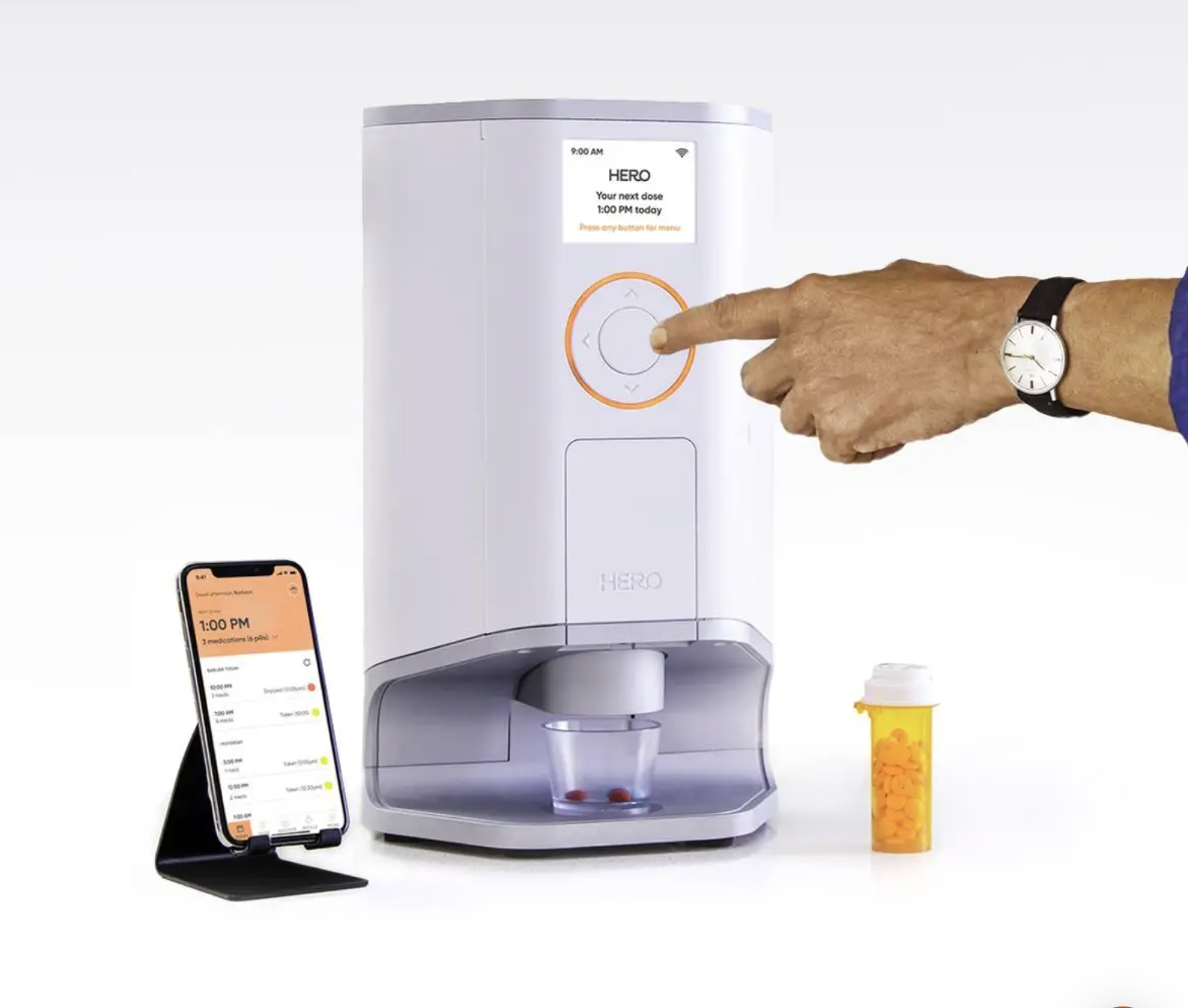
Automatic pill dispenser with app alerts, missed-dose notifications for caregivers and 24/7 support. My pick over MedaCube for most families: a simpler app and a monthly membership instead of a large upfront cost. The trade-off: it holds 10 medications, not 16.
MedaCube 2.0 Automatic Pill Dispenser
Best for: only if you take more than 10 medications
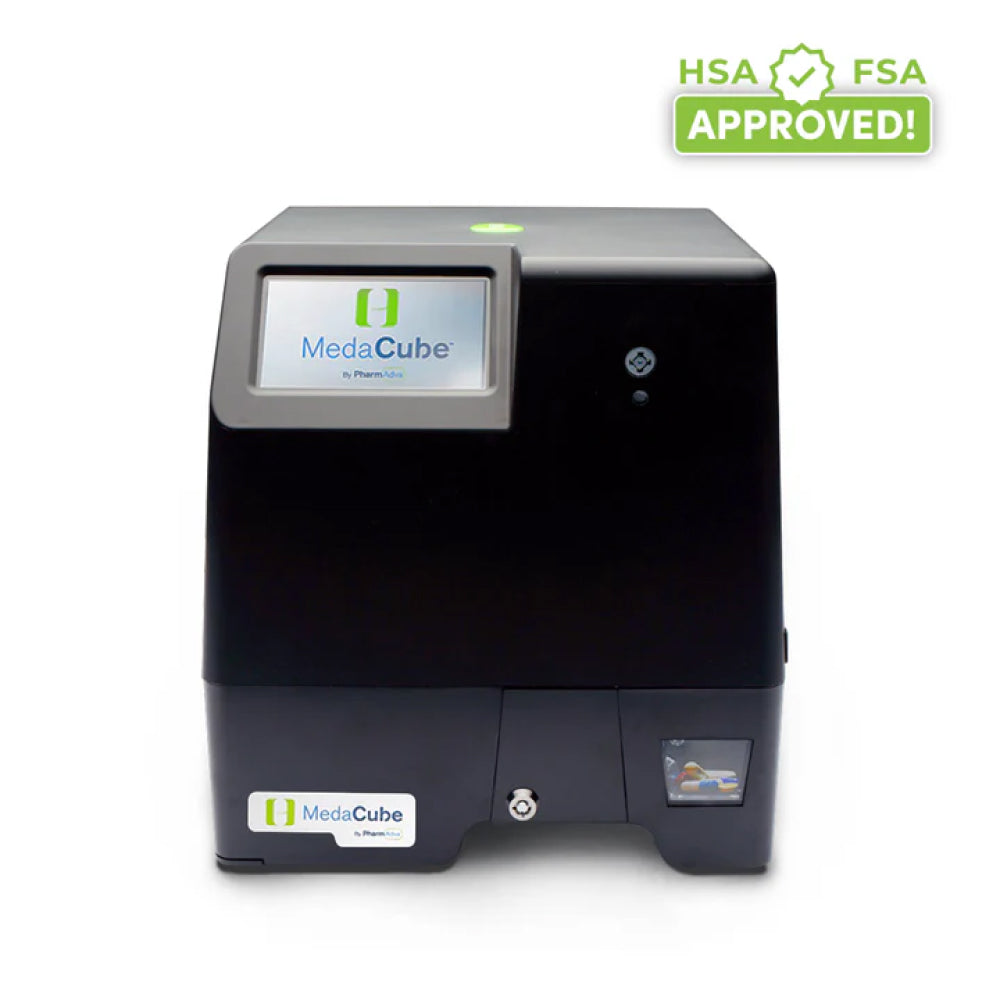
Holds a 90-day supply of up to 16 medications with true bulk loading: pour the bottle in and walk away. HSA/FSA eligible, and VA-approved (many veterans qualify at no out-of-pocket cost). I bought one for my family and returned it: it struggled with our very small pills, and the programming was more basic than I expected at this price. Customer service was iffy for us: the order did not ship until I followed up two weeks later, the return label only came after a second follow-up, and the refund arrived after a third. If your list is 10 medications or fewer, start with Hero instead.
Where to keep it
Store medications somewhere cool and dry. Despite the name, the bathroom medicine cabinet is a poor choice because of steam and humidity. A kitchen cabinet near where breakfast is made, or a nightstand drawer for evening doses, ties the dose to a habit you already have. If young grandchildren visit, choose a case that latches or keep it up high.
The setup that works
Fill the organizer on the same day each week, at the same spot, with the bottles lined up in order. Keep a printed medication list inside a cabinet door. It takes ten minutes, and it is the single best way to catch a missed refill before it becomes a problem.
The design comes first
A medication routine is something you see every day, so it should look like it belongs in a beautiful home: a leather case on a tray, a steel capsule on your keys, a dispenser tucked into a cabinet. Think Four Seasons, not hospital.
Pill organizer questions I hear most
What is the best pill organizer for seniors?
For simple routines, a weekly organizer with large, clearly labeled compartments that open easily. For many medications at several times a day, an automatic dispenser with reminders and locked compartments.
Should I keep pill organizers in the bathroom?
No. Steam and humidity can affect medications. A cool, dry kitchen cabinet or nightstand drawer is better.
What does an automatic pill dispenser do?
It holds medications, releases the right dose at the scheduled time with a reminder, and stays locked otherwise. Connected models alert a family member if a dose is missed.
How can I make a pill organizer look less clinical?
Choose a leather, stainless steel or brass case instead of bright plastic, set it on a small tray, and keep larger dispensers inside a cabinet.