Reducing Effort in the Kitchen
The kitchen is one of the most physically demanding rooms in the home. Standing for extended periods, reaching overhead, bending to low cabinets, carrying heavy pots, and navigating between work surfaces — each of these actions requires strength, balance, and stamina that changes with age. This guide covers the design and organizational changes that make kitchen work easier without sacrificing the pleasure of cooking.
Counter Height Is Everything
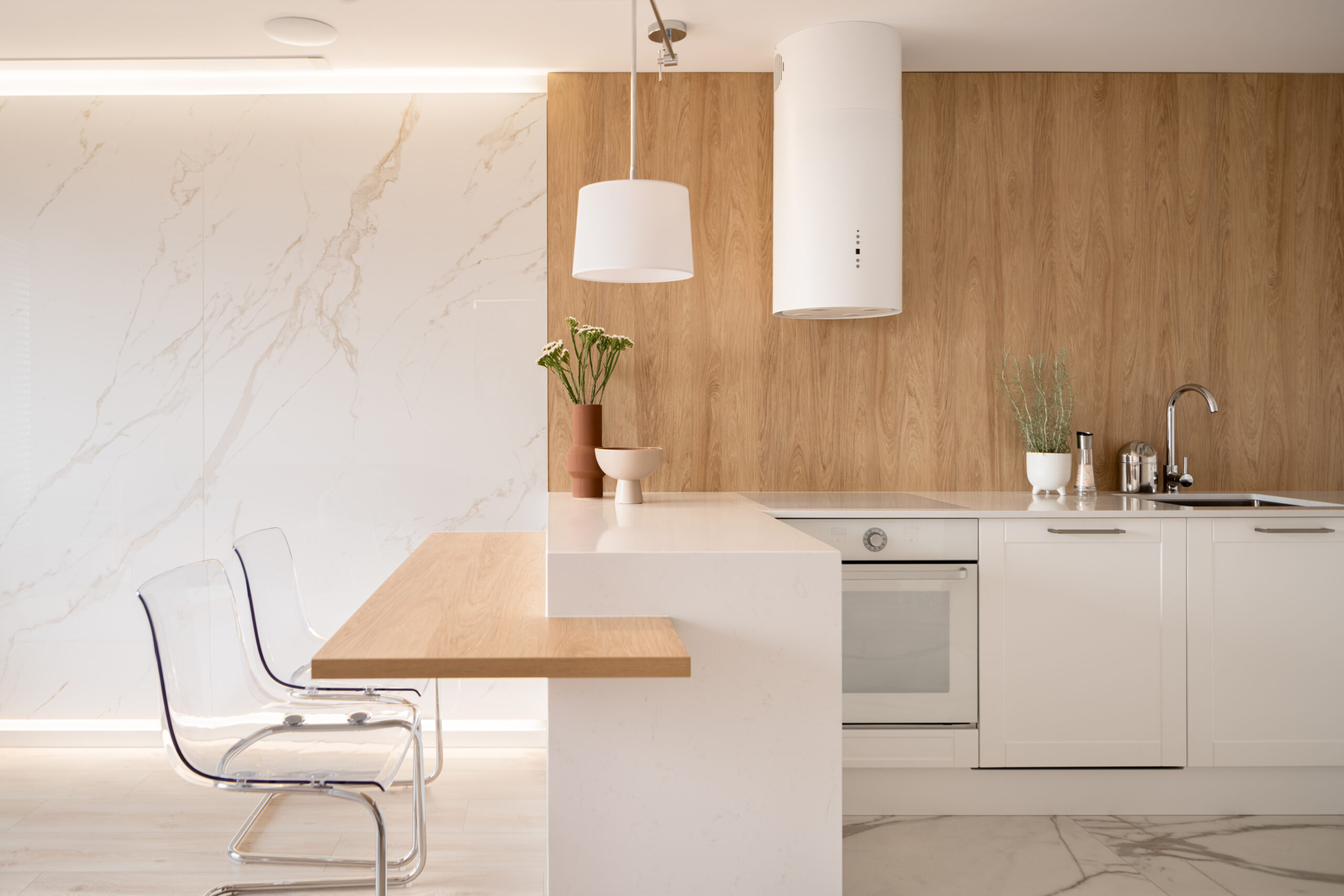
The standard kitchen counter height of 36 inches is calibrated for a standing adult of average height. It works well for most people most of the time. When it stops working — back pain from bending slightly forward during prep work, fatigue from reaching across a deep counter — the solution is usually a work surface at a slightly different height rather than the standard counter. A kitchen island at 34 inches, a preparation table at 32 inches for seated prep work, or simply a thick cutting board that raises the work surface are all options.
Storage: The Middle Zone
The most effort-reducing kitchen change is reorganizing storage so everything used daily lives between waist and shoulder height. This means moving frequently used dishes, glasses, staples, and utensils out of high cabinets (requiring overhead reaching) and low cabinets (requiring bending and squatting). Deep lower cabinets can be made accessible with pull-out shelving and drawer inserts — items slide to you rather than requiring you to reach into the back of a cabinet.
Reduce What’s in the Kitchen
The most effective kitchen efficiency upgrade isn’t an appliance — it’s editing the contents. A kitchen with only what’s regularly used is dramatically easier to navigate than one full of rarely-used equipment, duplicate items, and accumulated supplies. Annual kitchen editing — removing what hasn’t been used in a year — is a maintenance task worth doing.
Seating at the Work Surface
A stool at counter height that allows working seated — or a chair at a lower prep surface — reduces fatigue for anyone who cooks significant amounts. The option to sit while chopping, mixing, or waiting for something to finish cooking reduces the total standing time of a cooking session significantly.
Appliances That Do the Work
The right countertop appliances eliminate the most physically demanding kitchen tasks. A food processor eliminates chopping. An electric can opener eliminates a grip-intensive task. An induction cooktop at a comfortable height is safer and easier to use than a standard range. A kettle with a built-in pour limiter reduces the weight lifted during tea preparation. Each of these is a small change with repeating daily benefit.
The Single Most Important Safety Change
Non-slip flooring or non-slip mats in front of the sink and stove. Kitchen floors get wet regularly — from splashes, from spills, from washing hands and not fully drying them before stepping away from the sink. A wet kitchen floor on a smooth surface is a high-risk situation that repeats every single day. Non-slip mats or properly specified flooring resolves it.
Get the Beautiful Safety Starter Kit
12 changes that keep parents safe — without the clinical look