Smart Homes That Support Longevity
Disclosure: Well Aging Home participates in affiliate programs. If you buy through our links, we may earn a small commission at no extra cost to you.
The phrase “smart home” has become synonymous with tech toys — voice assistants playing music, lights that change color, refrigerators with screens. But when smart home technology is designed thoughtfully and deployed strategically, it becomes something quite different: infrastructure for independence. This guide focuses specifically on the smart home technologies that support longevity — the ones that reduce daily effort, increase safety, and allow older adults to live independently in their own homes longer.
Automated Lighting: The Foundation
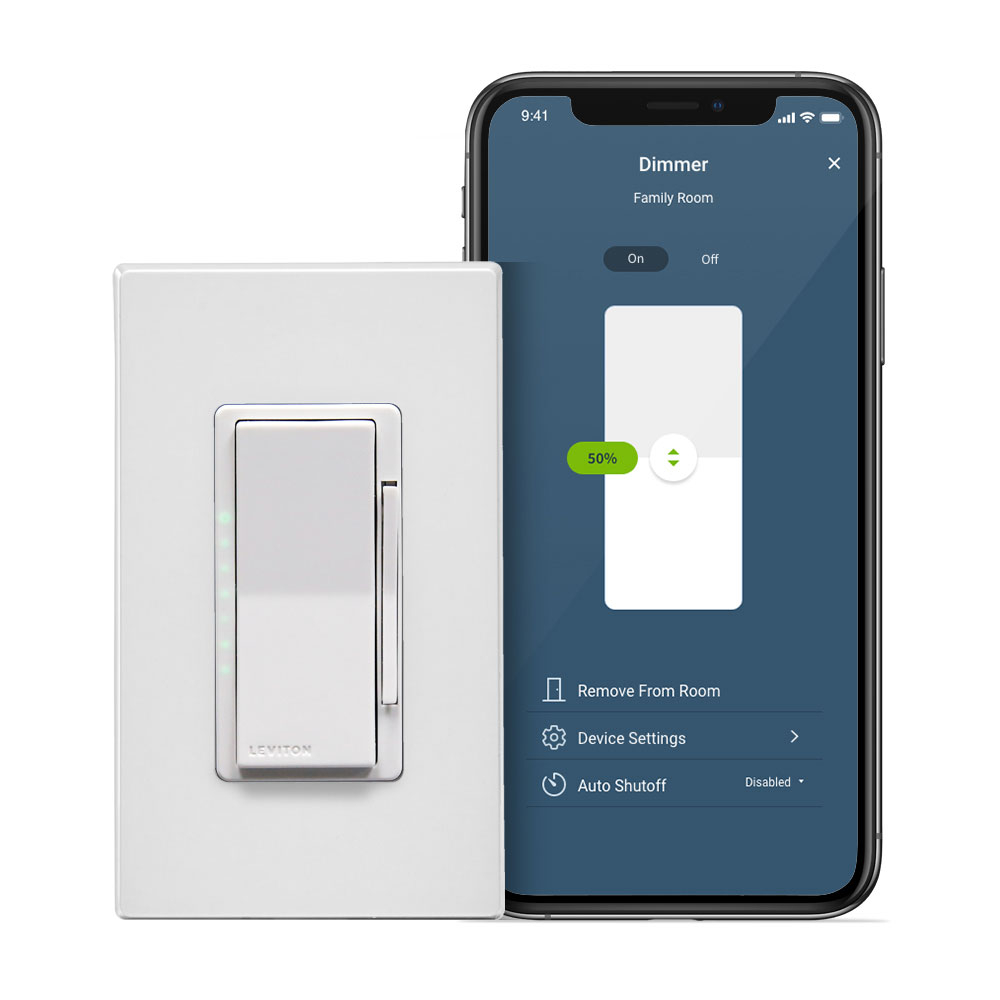
Motion-activated lighting throughout the home is the single most impactful smart home investment for aging in place. It eliminates the need to find and flip switches in unfamiliar darkness — a leading cause of falls. Lights that turn on when you enter a room and off when you leave run on their own, require no interaction, and never forget.
Lutron Caseta is the gold standard for residential automation: no hub required, works with standard switches (so family members or guests don’t need to learn a new system), and the components are reliable over years of use. Install motion sensors in hallways, bathrooms, the bedroom-to-bathroom path, and stairways as a baseline.
Environmental Monitoring: Knowing Without Being There
Smart sensors that alert family members to unusual patterns — no movement detected after a certain hour, unusual water flow, a door that hasn’t been opened — provide safety monitoring without surveillance. The Flo by Moen system monitors water usage and can detect a running toilet or a slow leak. Motion sensors on a daily schedule can flag when someone’s morning routine hasn’t started. These systems provide peace of mind for both the older adult and the family checking in, without the intrusion of cameras or constant check-in calls.
Voice Control for Daily Tasks
Voice-activated technology (Amazon Echo, Google Home) reduces the need for fine motor control and visual interface navigation for everyday tasks: setting a timer while cooking, playing music, calling a family member, adjusting the thermostat. For someone with tremor, arthritis, or low vision, the ability to accomplish these tasks with a spoken phrase is a genuine quality-of-life improvement.
Medication Management
Smart pill dispensers (see also the no-subscription MedaCube) automate the most error-prone daily task in medication management. The Hero system, the MedMinder, and similar devices dispense the correct medications at the correct times, alert the user when it’s time to take a dose, and notify family members if a dose is missed. For complex multi-medication regimens, these devices reduce the most common type of medication error — and provide family members with evidence-based reassurance.
Emergency Response Integration
Modern medical alert systems have evolved far beyond the classic pendant button. Today’s options include fall-detection wristbands that automatically call for help without the user pressing anything, GPS-enabled devices that work outside the home, and integrations with existing smartwatches. The best systems combine automatic fall detection, two-way voice communication, and GPS — and are worn consistently because they look like regular jewelry or watches, not medical devices.
The Design Principle
Smart home technology for longevity should be invisible in daily life. The lights come on. The temperature stays comfortable. Medications are dispensed. If something goes wrong, the right person is notified. The resident goes about their life without managing a system — they just live in a home that happens to be watching out for them. That’s the design goal worth working toward.