Aging-in-Place Bathroom Remodel Cost (2026): A Designer’s Line-by-Line Guide
This post contains affiliate links. If you buy through them I may earn a small commission at no extra cost to you. How that works.
Aging-in-Place Bathroom Remodel Cost (2026): A Designer’s Line-by-Line Guide
Safety upgrades to full wet rooms, priced line by line — national and St. Louis ranges, what drives the number, and how families pay for it.

Part of our complete guide: Bathroom Safety for Aging in Place. I’m a residential interior designer and a full-time caregiver for my parents. Over 15+ years designing homes, I’ve learned that most safety problems are solved by better design long before medical equipment enters the room. Costs below are 2026 national ranges from contractor and cost-survey data, adjusted where noted for the St. Louis area, where I’m based; your bids will vary. Well Aging Home participates in affiliate programs; if you buy through a link, I may earn a small commission at no extra cost to you.
Aging-in-place bathroom remodel cost: quick answer
In 2026, a targeted safety upgrade — grab bars into blocking, a comfort-height toilet, lever handles, a handheld sprayer, motion lighting — runs $2,000–$8,000. Converting a tub or curbed shower to a curbless shower runs $8,000–$18,000; a full wet-room bathroom with tile throughout, a built-in bench and a wall-hung vanity is $15,000–$35,000. A full accessible primary bath with doorway widening and moved plumbing runs $35,000–$75,000+. St. Louis bids typically land 8–15% under national. Skip the walk-in tub; put the money in the room.
What I tell clients before they budget a bathroom
Three things, before any number.
The bathroom is where the money should go first. Most home falls happen there — wet floors, stepping over a tub wall, lowering onto a low toilet. If you have one room’s worth of budget for the next ten years, this is the room. Everything else in the house can be adapted incrementally; a bathroom is either safe or it isn’t.
The expensive decisions happen before the tile. Blocking behind the walls, the subfloor recess for a curbless entry, the drain location, the doorway width. Those cost almost nothing at design stage and a great deal after the walls are closed. A contractor who hasn’t asked you about blocking and turning space hasn’t priced an accessible bathroom; they’ve priced a bathroom.
Do it as a design project, not a medical one. Real estate agents are blunt about this: a house that visibly announces its adaptations doesn’t sell, because the young couple buying it doesn’t want to start a family in a home where every modification is on display. The bathroom that holds its value is the one that reads as a beautiful bathroom to a 30-year-old buyer and works effortlessly for an 80-year-old owner. That’s not a premium — it’s mostly a set of choices about finish, tile and layout. Think Four Seasons, not hospital.
Think Four Seasons, not hospital
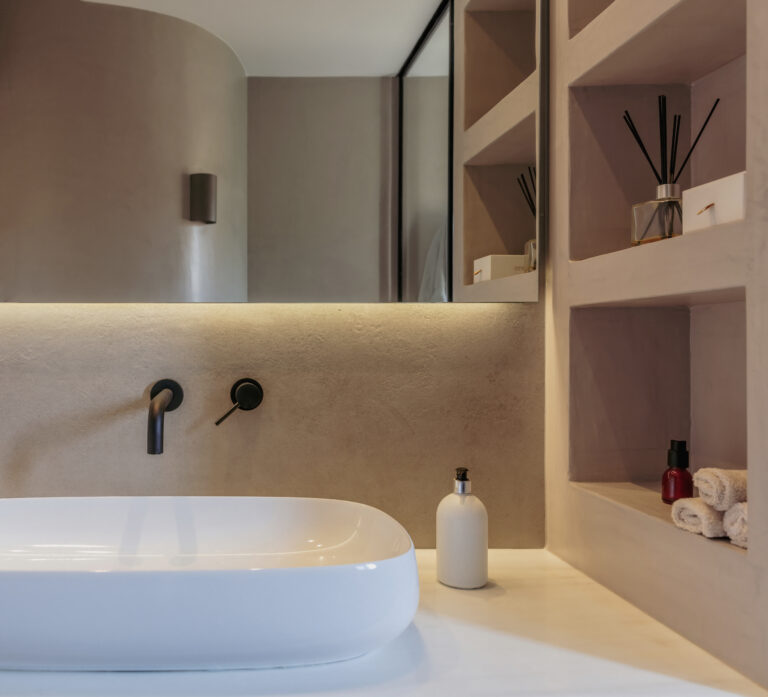
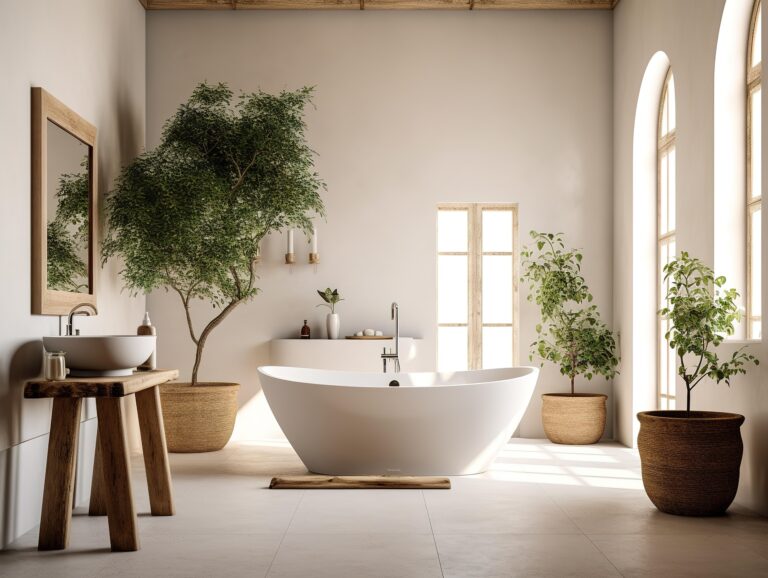
Before the line items, the picture. The accessible suite at a Four Seasons has a roll-in wet room, a fold-down teak bench, grab bars in the same finish as the plumbing, a thermostatic rain-and-handheld system, a wall-hung vanity, a lit medicine cabinet and a mirror that doesn’t fog — and you’d never call it medical. Every line below is a piece of that room priced for a house. When a bid feels high, ask which of these it’s actually buying you.
The three budgets
| Scope | What it includes | National 2026 | St. Louis area |
|---|---|---|---|
| Safety upgrade Walls stay closed | 2–4 grab bars into blocking or rated anchors, comfort-height toilet, lever handles, handheld sprayer on a slide bar, occupancy-sensor switch, night light, non-slip treatment or a thin anchored mat, retrofit shower column | $2,000–$8,000 | $1,800–$7,000 |
| Curbless shower conversion One wall opened | Remove tub or curbed shower, recess or pre-sloped base, linear drain, full waterproofing, tile, thermostatic valve and system, built-in or fold-down bench, blocking + bars, single fixed glass panel | $8,000–$18,000 | $7,000–$16,000 |
| Wet-room bathroom Floor and walls | Everything above, plus the whole floor waterproofed and sloped, large-format tile throughout, wall-hung vanity, lit medicine cabinet, recessed fan, layered lighting, comfort-height toilet | $15,000–$35,000 | $13,000–$32,000 |
| Full accessible primary bath Structure and plumbing move | Wet room plus doorway widened to 36″, plumbing relocated for a 60″ turning circle, roll-under vanity, possibly a wall moved or a closet absorbed, heated floor, premium fixtures | $35,000–$75,000+ | $30,000–$70,000+ |
Two honest notes on the ranges. First, national averages published as “$8,400 for an accessible bathroom” are grab-bar retrofits; they aren’t what a wet room costs. Second, the upper end in every tier is driven by tile choice and moved plumbing, not by accessibility — the accessibility premium on a bathroom you were renovating anyway is roughly $2,000–$8,000, almost all of it in the curbless floor.
Line by line: what each piece costs installed
| Item | Installed cost (2026) | Designer’s note |
|---|---|---|
| Grab bar, into blocking or rated anchor | $100–$350 each; $250–$1,000 for a designer bar like the Tiburon | Same finish as the faucet. Vertical at the entry, horizontal by the seat and toilet. |
| Blocking behind shower and toilet walls (during a remodel) | $150–$500 | The cheapest line on this page and the one that matters most. Do every wall. |
| Comfort-height toilet (17–19″) | $400–$1,000 | Elongated, with a slow-close seat. |
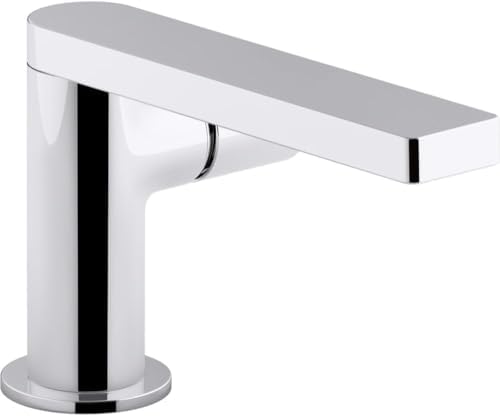
| Lever door handle and lever faucet | $100–$250 each; $150–$400+ for architectural brass | One finish across the room. |
| Handheld sprayer on slide bar (retrofit) | $150–$500 | The most useful $200 in the bathroom. |
| Retrofit shower column (e.g. Kohler Awaken) | $500–$1,200 | No wall demolition; add a thermostatic valve if the existing one isn’t. |
| Thermostatic valve + full shower system | $1,200–$4,000 | The valve is the safety feature; the column is the finish. |
| Tub-to-curbed-shower conversion | $6,000–$12,000 | Better than a tub; not the goal. |
| Curbless upgrade on the same footprint | +$2,000–$8,000 | Waterproofing scope and slope engineering. Worth every dollar. |
| Linear drain + pre-sloped base | $600–$1,800 materials | Schluter Kerdi-Line or Wedi Fundo; saves labor hours. |
| Full wet-room waterproofing and tile | $5,000–$15,000 | Labor-heavy; large-format on walls, textured small-format on the floor. |
| Built-in tiled bench | $800–$2,000 | Or a wall-mounted teak fold-down at $400–$900 installed. |
| Wall-hung vanity with knee clearance | $1,200–$4,000 | Loses the under-sink cabinet — which is why the next line exists. |
| Recessed, lit medicine cabinet with defogger | $800–$3,000 installed | The storage answer for a wall-hung vanity. Robern M Series or Kohler Verdera. |
| Anti-fog LED mirror (if no cabinet) | $300–$1,200 | Nobody wiping steam off glass on a wet floor. |
| Recessed exhaust fan on humidity sensor | $300–$800 | Panasonic WhisperRecessed. |
| Layered lighting: dimmable overhead, sconce, occupancy switch, night light | $500–$2,500 | Older eyes need about three times the light and hate glare. |
| Heated floor | $1,000–$3,000 | Dries the floor and makes the room feel like a spa; do it while the floor is open. |
| Doorway widened to 34–36″ | $800–$2,500; more if load-bearing or with electrical in the wall | Replace casing both sides so it looks original. |
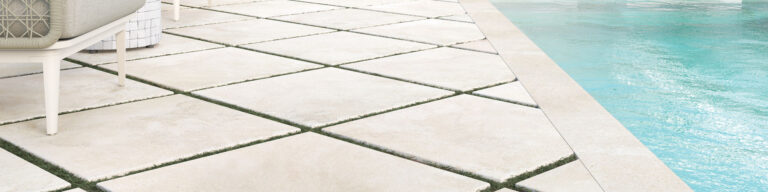
| Non-slip flooring (porcelain, DCOF ≥ 0.42) | $8–$25 per sq ft installed | Runs through the whole room in a wet room. |
| Permits and inspection | $200–$2,000 | Required when plumbing or electrical moves; higher in the City of St. Louis than in the county. |
| Design fee (designer or design-build) | $1,500–$6,000, or 10–15% of the build | Where the blocking, turning circle and door width get decided while they’re still free. |
| Walk-in tub, installed | $10,000–$20,000+ | Rarely the answer. See why I specify a wet room instead. |
What actually drives the number
- Whether the floor can be recessed. A curbless entry needs the shower floor to sit lower than the bathroom floor, or the whole floor to slope. On a wood-framed floor that’s a subfloor cut; on a slab it’s grinding or building the bathroom floor up. This one detail is most of the difference between an $8,000 conversion and a $16,000 one.
- Whether plumbing moves. Keeping the drain and supply where they are keeps a bathroom in the middle tier. Moving the toilet to make a 60-inch turning circle moves it to the top tier.
- Tile. $3 porcelain and $30 stone install for about the same labor; the material choice can swing a wet room by $5,000 without changing safety at all.
- Age of the house. Pre-war St. Louis houses with cast-iron drains and plaster walls routinely add $1,500–$5,000 in discoveries once the wall is open. Budget a 15% contingency; 20% in a house older than 1950.
- Labor. Labor is 50–65% of a mid-range bathroom. Curbless work and full waterproofing need a tile setter who’s done it before — get references for wet rooms specifically, not bathrooms.
Where not to spend
- The walk-in tub. $10,000–$20,000 for one manufacturer’s plastic shell with a door, sitting wet while it drains. The same money builds most of a wet room that works for a wheelchair, a caregiver and the next owner.
- Suction-cup bars, plastic threshold ramps, plug-in nightlights lining the hall. They read as a care facility and they’re what a buyer sees first. The permanent versions cost little more.
- A glass enclosure with a door. A single fixed panel, or none, costs less and is one less thing to negotiate with a walker.
- Cabinets under the sink. If the vanity is wall-hung — which it should be — the storage goes in a lit medicine cabinet at eye level instead.
Paying for it
- Medicare does not cover bathroom modifications — walk-in tubs, curbless showers and grab bars are classed as home improvements, not durable medical equipment. Some Medicare Advantage plans include a small home-safety or OTC allowance; ask.
- Medicaid home-and-community-based waivers in many states cover environmental modifications, often in the $5,000–$15,000 range. In Missouri, see my guide to MO HealthNet waivers.
- Veterans: the VA’s HISA grant covers home improvements for medical needs, and the Specially Adapted Housing and Special Housing Adaptation grants (well over $100,000 for SAH in 2026) cover major adaptations for service-connected disabilities.
- Tax: modifications a physician prescribes for a medical condition may be deductible as medical expenses above 7.5% of adjusted gross income, to the extent they don’t add to the home’s value. Ask a tax professional; keep the letter from the doctor.
- Area Agencies on Aging and local programs sometimes fund small modifications for lower-income owners; St. Louis County and City each have a program worth a phone call.
- Home equity is how most families fund the wet-room tier. Full guide: does Medicare cover home modifications.
Is it worth it? Resale and the ten-year view
A mid-range bathroom remodel recoups roughly 60–70% at sale nationally, and the St. Louis market is in that range. An invisibly accessible bathroom — curbless tiled shower, one finish, wall-hung vanity, good lighting — recoups at least that, because it reads as a spa bathroom to the next buyer. A visibly accessible one — walk-in tub, white epoxy bars, plastic surround — recoups less, and agents will tell you it lengthens the time on market. The design choices that protect the value are the same ones that make it safe; there’s no trade-off.
The other half of the math: a fall that leads to a hospital stay and a rehab facility costs more than any tier on this page, and a year of assisted living in St. Louis costs more than the top tier. A wet room that keeps someone home for two extra years is the best-returning renovation in the house.
The spec list to hand your contractor
These are the parts from my full collection that the numbers above assume. Getting bids against a specific spec is the fastest way to make quotes comparable.

Schluter Kerdi-Line Linear Drain
Enables zero-threshold wet room design. Eliminates the shower curb tripping hazard entirely.
The drain that makes curbless possible

Wedi Fundo Riolito Neo
Modular curbless shower system with integrated linear channel drain. Pre-sloped, fully waterproofed, and ready for tile. Rachel’s preferred zero-threshold substrate system — elevated with a sleek linear drain design.
Pre-sloped, pre-waterproofed base — saves labor hours
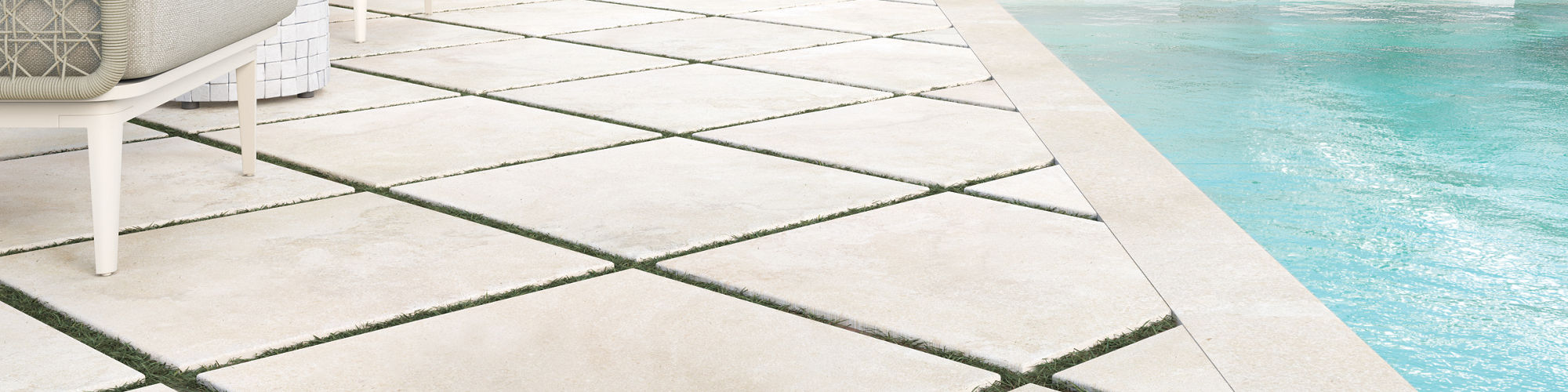
Daltile Haddonstone — Wet Zones
High-traction tile with natural stone aesthetic. Rachel’s go-to for spa-style shower floors.
Rachel’s go-to wet-zone floor
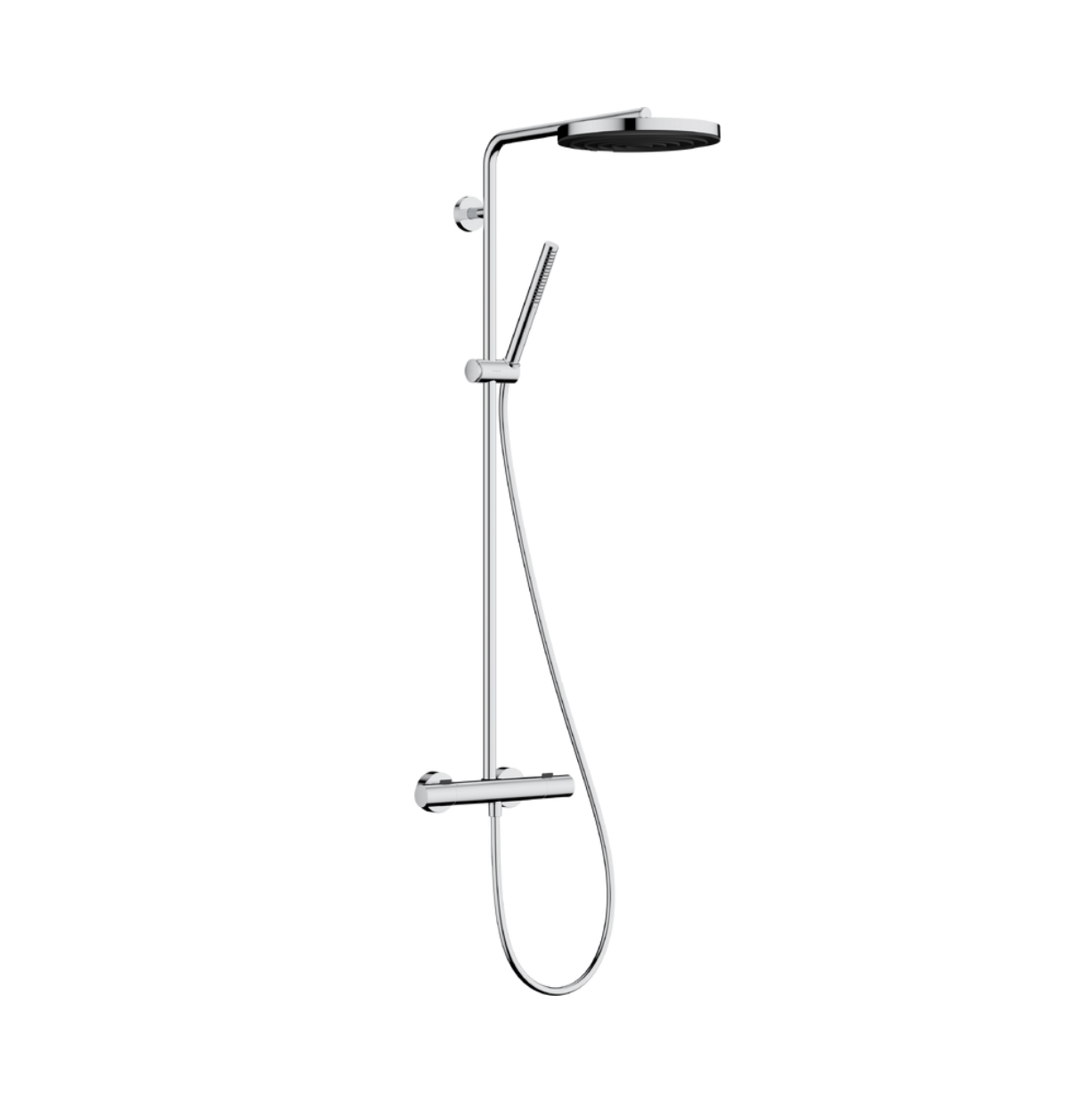
Hansgrohe Pulsify S Puro Showerpipe 260
Best overall balance. Height-adjustable, thermostat, PowderRain spray. Chrome, Matte Black, Matte White, Brushed Bronze.
Thermostatic system — best overall
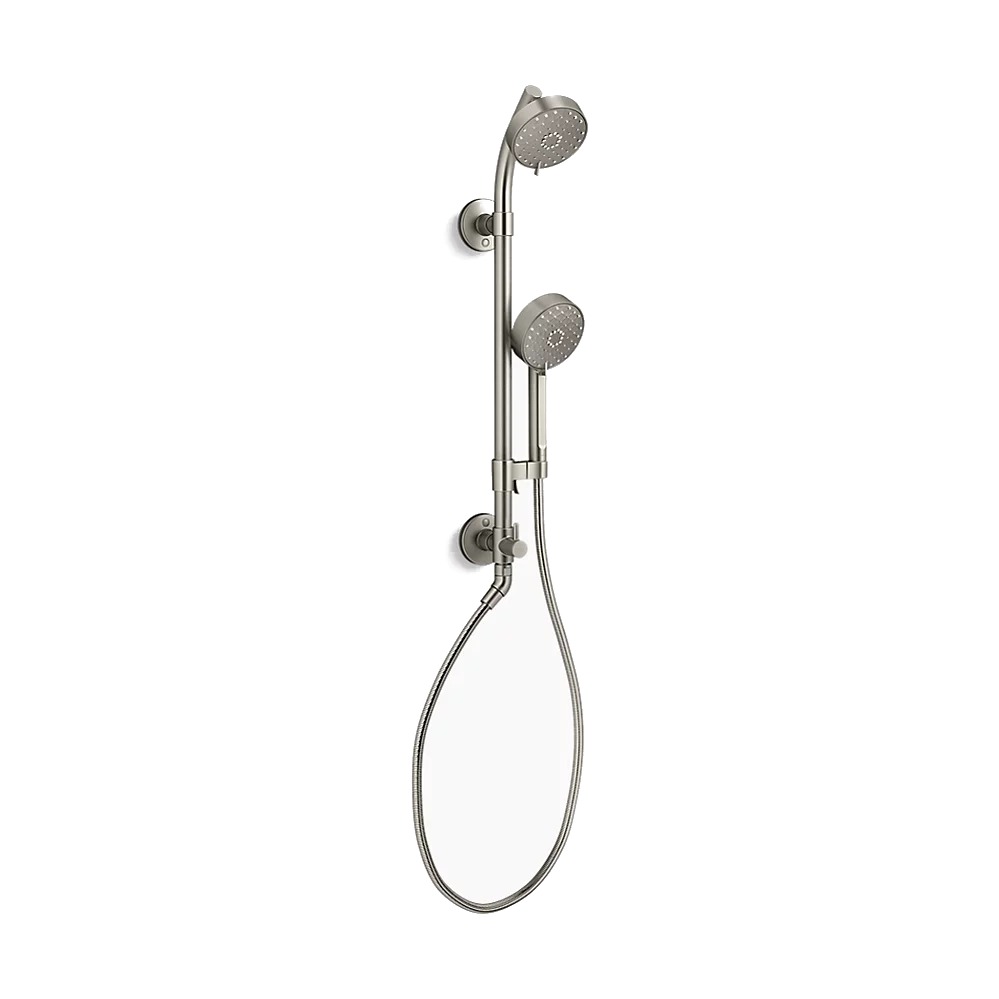
Kohler Awaken HydroRail-S Shower Column
60-minute install, no in-wall plumbing changes. ADA compliant, 3 spray modes, pause feature.
The $475 retrofit when the wall stays closed
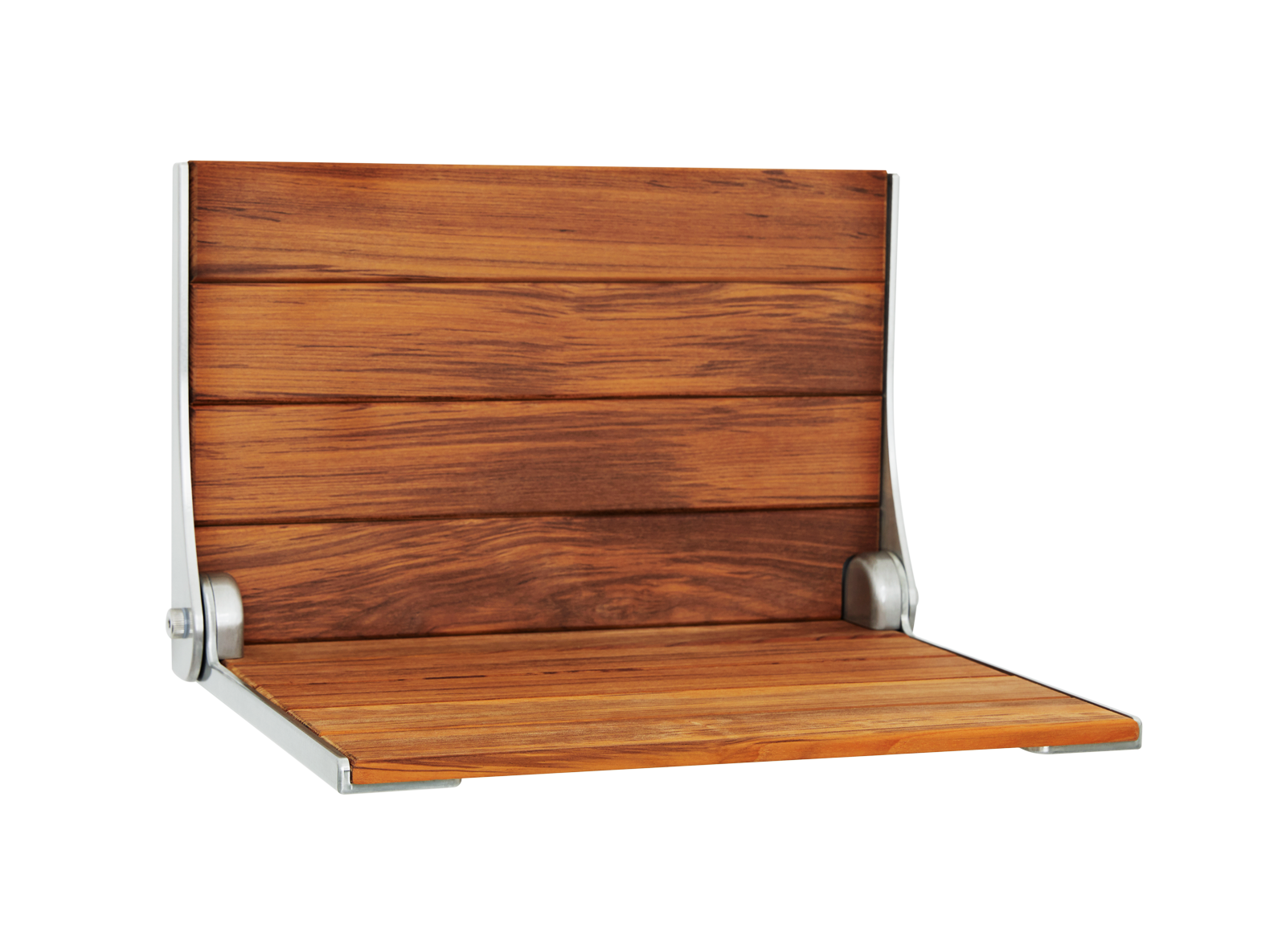
Seachrome Silhouette Teak Folding Shower Seat
Wall-mounted, folds flat. Commercial-grade hardware. Looks like a spa feature.
The seat, if a tiled bench isn’t in scope
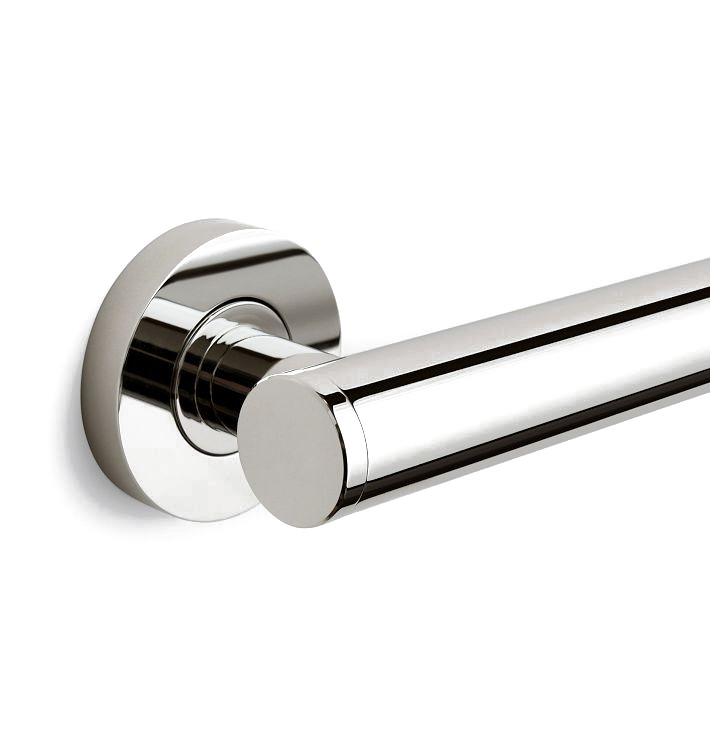
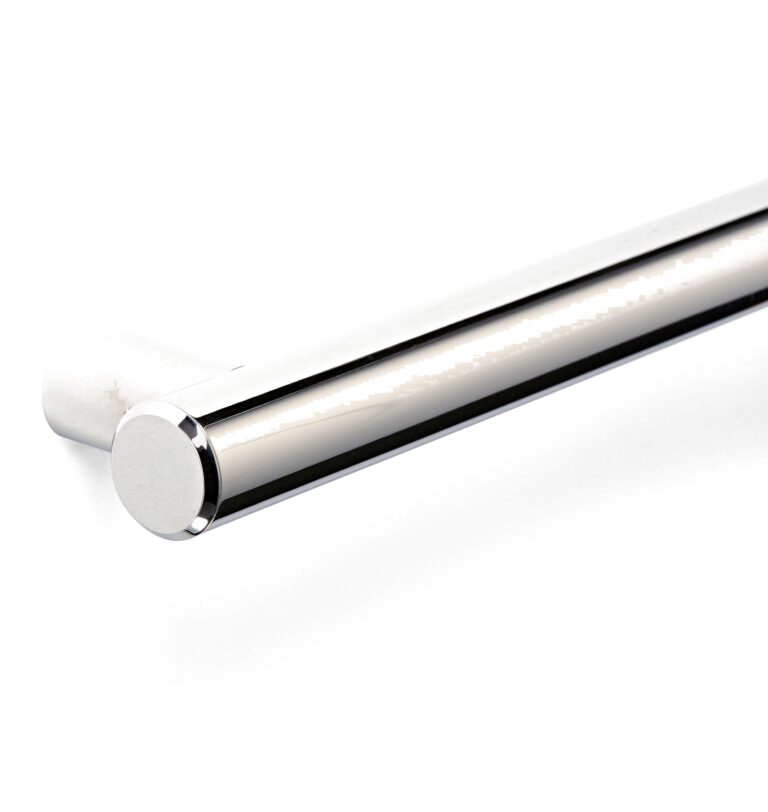
Rejuvenation Tiburon Round Grab Bar
Elegant, non-institutional. Exceeds ADA load ratings. Part of the full Tiburon collection.
Rachel’s grab bar — one finish with the plumbing
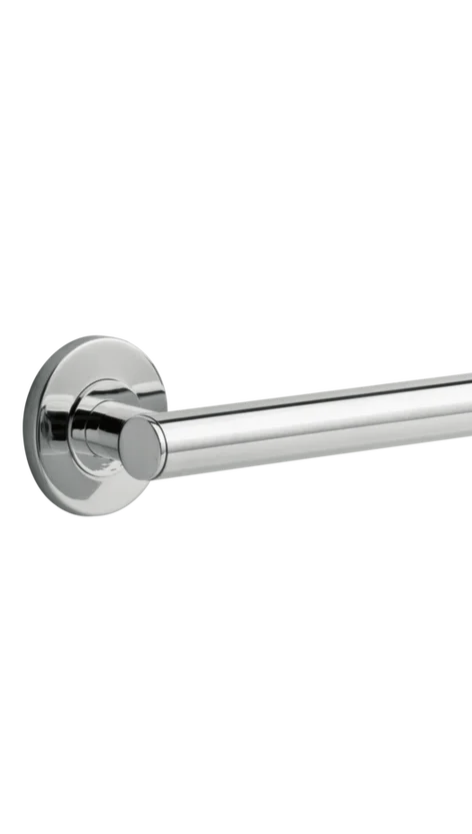
Delta 42″ Contemporary Decorative ADA Grab Bar
Well-priced, ADA compliant, multiple finishes. Great when lead time matters.
Value grab bar
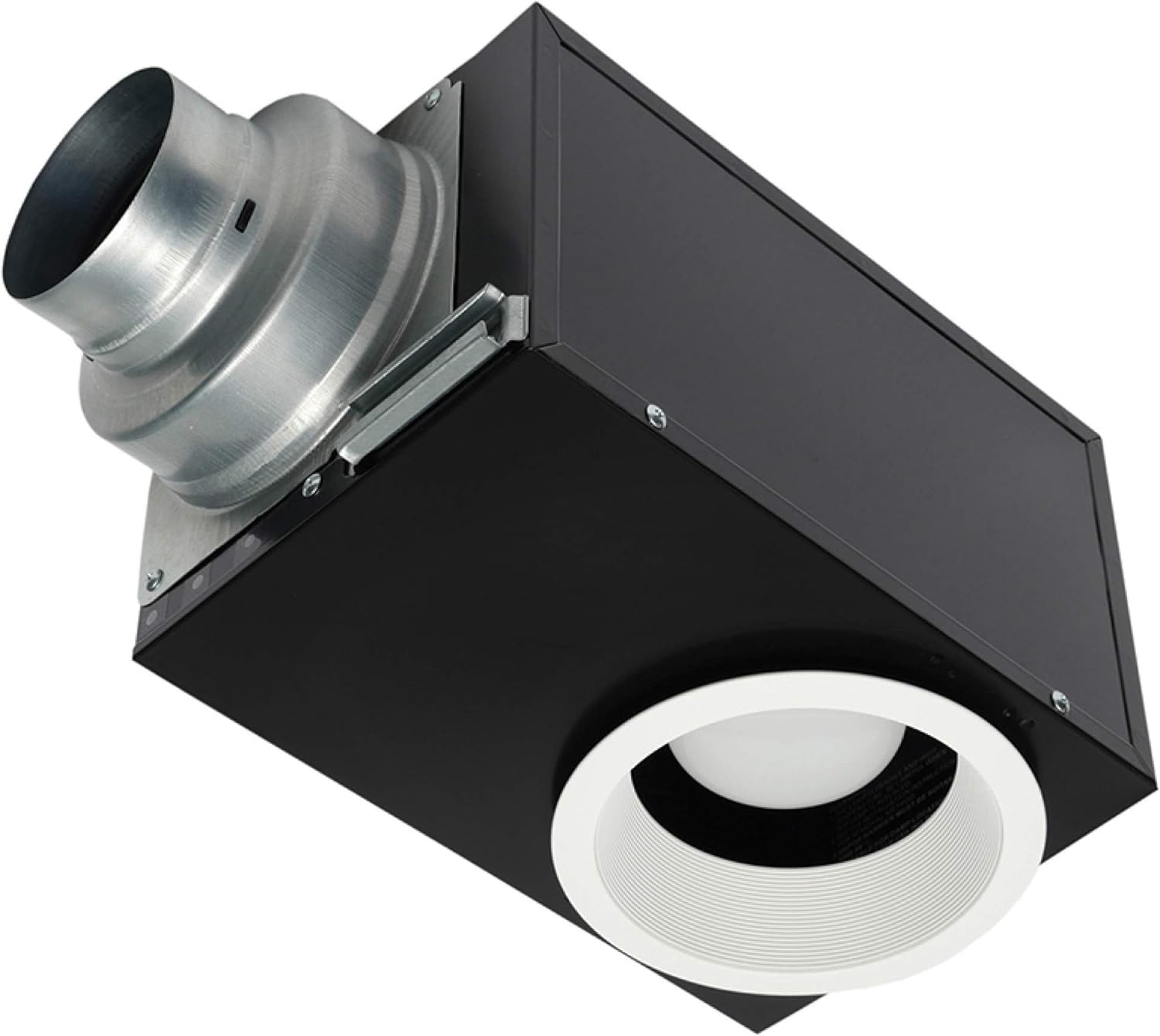
Panasonic WhisperRecessed Architectural Fan
One of the most elegant ventilation solutions available. Designed to resemble a recessed architectural light fixture, it conceals the ventilation system within a clean, minimalist ceiling element. The effect is subtle and sophisticated — reading as lighting first, ventilation second.
Steam control that disappears
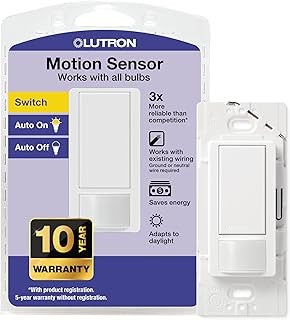
Lutron Maestro Occupancy Sensor
Auto-on, auto-off. Eliminates fumbling for switches in the dark. Non-negotiable for bathrooms and hallways.
The $48 line item that prevents the 3 a.m. fall
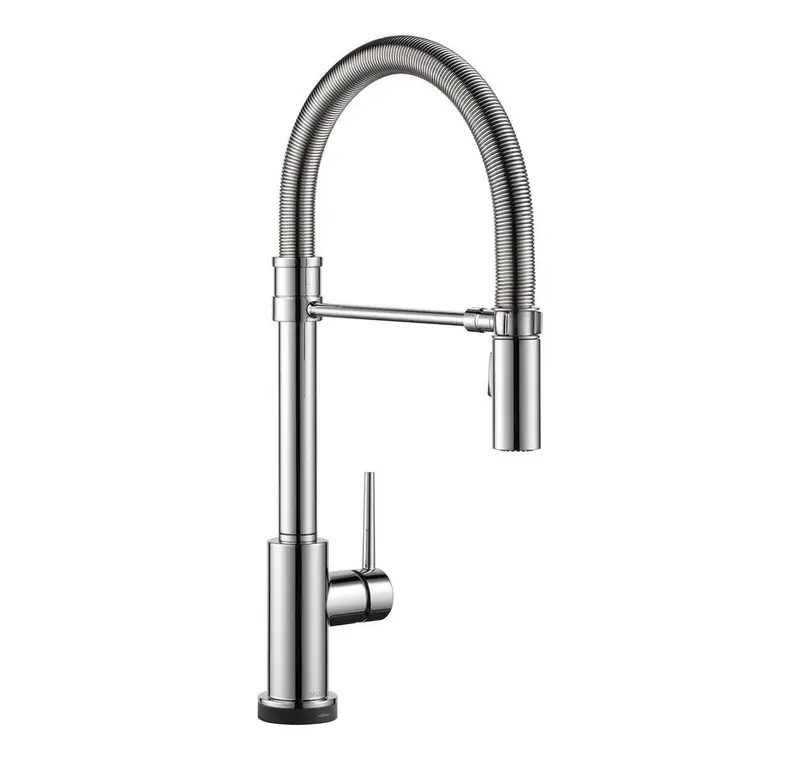
Delta Trinsic Touch2O Pull-Down Faucet
Touch anywhere to activate. Magnetic docking. Available in multiple finishes.
Touch faucet — reachable from seated
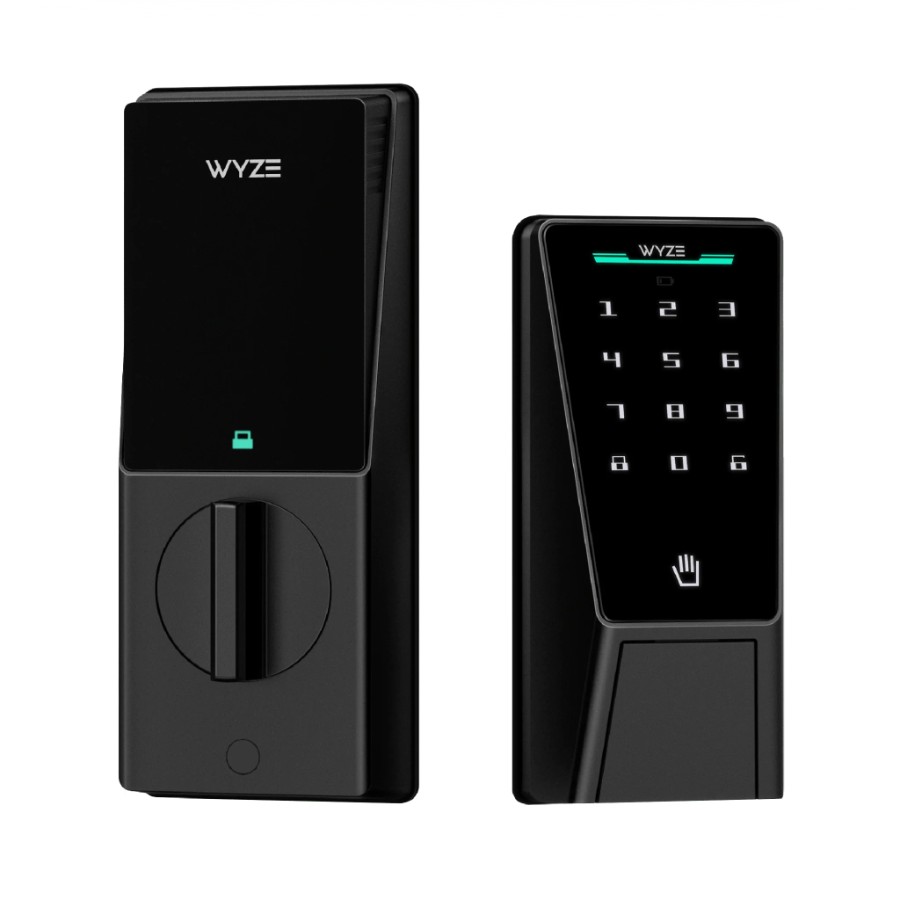
Wyze Palm Lock
Palm recognition. No keys, no codes. Works in complete darkness. Transformative for limited dexterity.
Not a bathroom item — but the same “one finish, no keys” idea at the door
Who this is not for
- A rental — do the safety tier with rated anchors and a retrofit column; don’t open walls you don’t own.
- A house that’s being sold within a year — do the safety tier and the lighting; the wet room’s return needs time.
- Anyone whose need is immediate and medical — do the safety tier this week, get an OT home visit, and plan the wet room for when it can be done well.
Frequently asked questions
How much does it cost to make a bathroom handicap accessible? $2,000–$8,000 for grab bars, a comfort-height toilet, levers and a handheld; $8,000–$18,000 to convert to a curbless shower; $15,000–$35,000 for a full wet-room bathroom; $35,000–$75,000+ if doorways and plumbing move.
How much does a curbless shower cost? $8,000–$18,000 installed in 2026 for a tub-to-curbless conversion. The curbless detail itself adds $2,000–$8,000 over a curbed shower of the same size.
Does Medicare pay for a bathroom remodel? No. Medicaid waivers, VA grants, and medical-expense tax deductions are the realistic sources; most families use home equity for the larger tiers.
Is a walk-in tub or a walk-in shower cheaper? An installed walk-in tub ($10,000–$20,000) costs about the same as a curbless shower conversion — and the shower is safer, works with a caregiver and a wheelchair, and holds its value.
What’s the cheapest way to make a bathroom safer for an elderly parent? Under $2,000: two or three grab bars into studs or rated anchors, a handheld sprayer, a comfort-height toilet, an occupancy switch and a night light, and a thin anchored mat. Under $500 if you’re handy.
How long does an accessible bathroom remodel take? A safety upgrade, a day or two. A curbless conversion, 2–3 weeks. A wet room or full primary, 4–8 weeks, plus design and permitting.
Dimensions for roll-in showers, seats and grab bars follow the 2010 ADA Standards; the U.S. Access Board’s guide to accessible bathing rooms is the readable version. Fall-risk assessment: the CDC’s STEADI program. Related: walk-in tubs vs. a wet room, shower systems I specify, grab bars that don’t look institutional, universal design that adds home value.
The design comes first
The safest bathroom rarely looks like a medical environment, and it rarely costs more than the bathroom you’d have built anyway. The money that matters is the money spent before the tile — blocking, the floor recess, the door width — and the finish decisions that make the room read as design. Budget for the room, not for equipment, and the equipment mostly stops being necessary.
Free resource: 12 Changes That Make a Home Safer Without Looking Clinical.