Does Medicare Cover Home Modifications? What Every Family Needs to Know
The call comes on a Tuesday. Your mother has fallen again — not seriously this time, but seriously enough that the conversation you’ve been putting off can’t wait any longer. She wants to stay in her house. You want that for her too. The question, quickly, becomes: how do you pay for the changes her home needs?
Most families reach for the obvious answer: Medicare. It’s there, it’s been paid into for decades, and it should help.
Here’s the honest, complete answer — and more importantly, where the money actually is.
What Medicare Does Not Cover
Standard Medicare — Parts A and B — does not cover home modifications. Not grab bars. Not ramps. Not stairlifts, threshold modifications, bathroom renovations, or widened doorways. The Centers for Medicare & Medicaid Services classifies these as “non-medical” home improvements, and they fall outside traditional coverage boundaries.
This is the answer most families discover after they’ve already assumed coverage. It’s frustrating, and it matters to name it clearly.
What Medicare Does Cover — The Adjacent Categories
Medicare Part B covers durable medical equipment (DME) — devices that are medical in nature, reusable, and appropriate for home use. This includes hospital-style beds with adjustment mechanisms, manual and power wheelchairs when prescribed by a physician, walkers, and in some cases, bathroom safety equipment like commode chairs.
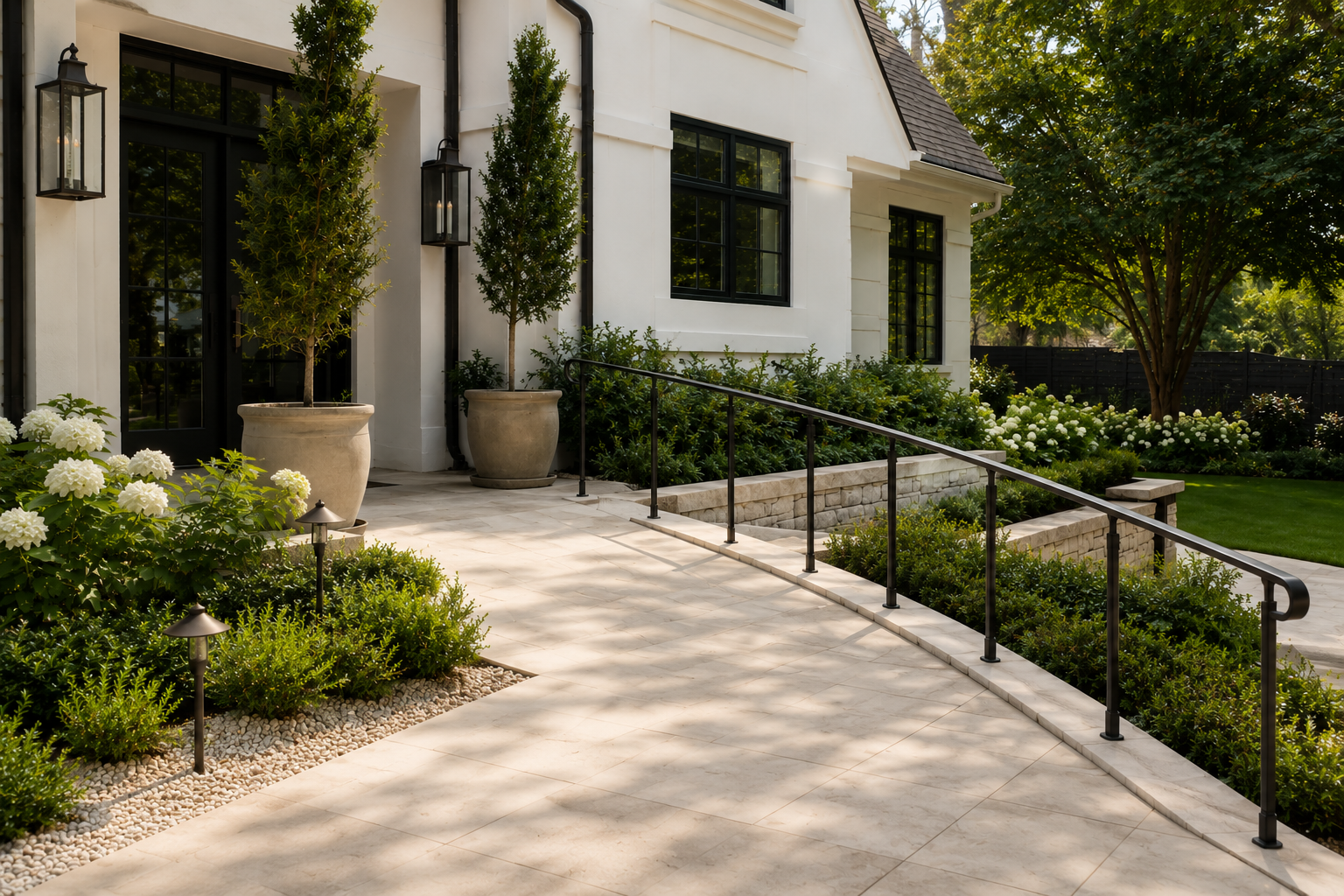
The key phrase is “prescribed by a physician.” If your parent’s doctor writes a prescription and the supplier accepts Medicare assignment, you’ll typically pay 20% after the Part B deductible. Medicare will not, however, cover the structural changes required to make that equipment function safely. It will pay for a wheelchair. It will not pay for the ramp.
Medicare Advantage: It Depends — And That’s Actually Useful
Medicare Advantage (Part C) plans are run by private insurers and must cover everything traditional Medicare does — but they can, and often do, cover additional benefits. Some plans now include home safety assessments conducted by an occupational therapist, allowances for safety equipment (grab bars, non-slip mats, handheld showerheads), and fall prevention benefits with specific dollar amounts. $100–$500 per year is common.
This is genuinely useful. If your parent is enrolled in Medicare Advantage, call the plan directly and ask: “What home safety or fall prevention benefits are included, and what’s the annual allowance?” Many families don’t ask and leave real money on the table. Plans vary enormously by insurer and geography — don’t assume, ask.
Medicaid: The Program That Actually Funds Modifications
If your parent qualifies for Medicaid, there may be significant help available through Home and Community Based Services (HCBS) Waiver programs. These state-administered programs vary but can include home modification grants for accessibility improvements, equipment and assistive technology, and environmental modifications — ramp installation, bathroom conversions, doorway widening.
Your first call should be to your local Area Agency on Aging (find yours at eldercare.acl.gov). These agencies have staff dedicated to helping families navigate exactly this — which programs exist locally, what the eligibility requirements are, and how to apply. They’re free to use and almost universally underutilized.
Two Programs Most Families Have Never Heard Of
USDA Section 504 Home Repair: For rural homeowners, the USDA offers loans up to $40,000 and grants up to $10,000 (for homeowners 62 and older) specifically for removing health and safety hazards. Income limits apply. This program is significantly underused because most families don’t know it exists.
HUD Community Development Block Grants: Many cities and counties distribute federal HUD funding as local home repair and modification grants. Eligibility varies by municipality. Search “[your city or county] home modification grant” or call your city’s housing department.
The Action Plan: Where to Start This Week
When you’re sitting at the kitchen table trying to figure out how to make your parent’s home safe, here’s a practical sequence:
- Call the Area Agency on Aging in your parent’s county (eldercare.acl.gov). Ask what home modification programs are available locally.
- If they have Medicare Advantage, call the plan and ask about safety and fall prevention benefits. Request a home safety assessment if available.
- If they qualify for Medicaid, ask specifically about HCBS waivers and home modification benefits in your state.
- For rural homeowners 62+, check the USDA Section 504 program at rd.usda.gov.
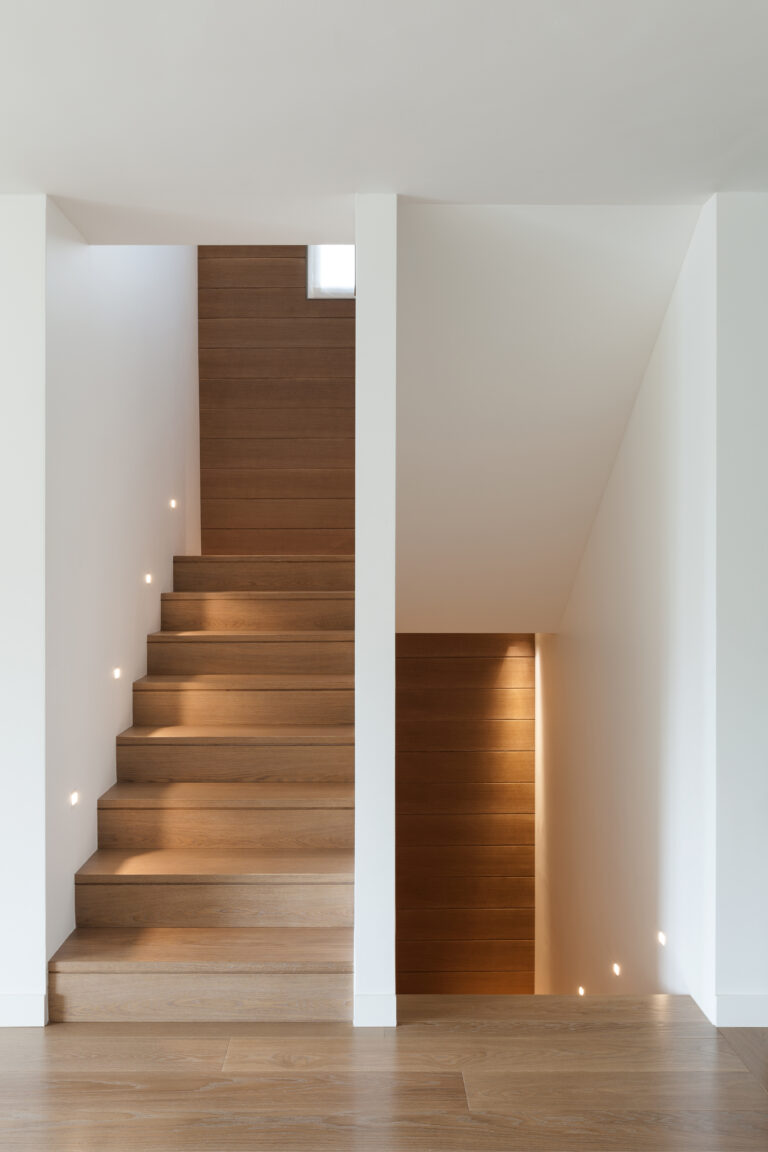
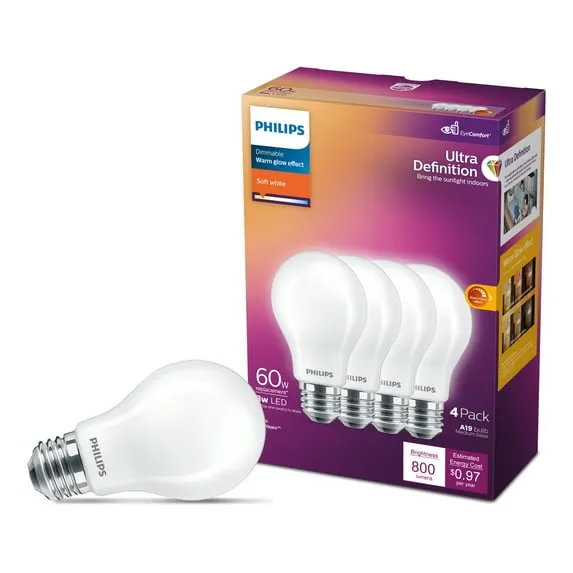
- Start with high-ROI, lower-cost changes first — properly installed grab bars, better lighting, and non-slip flooring can dramatically reduce fall risk while you navigate funding.
For a curated list of products that combine genuine safety function with the kind of design your parent will actually want in their home — grab bars that look like architecture, lighting that doubles as safety infrastructure, smart home systems that disappear into the background — browse the Well Aging Home Full Collection.
The funding conversation is hard. The design conversation doesn’t have to be.