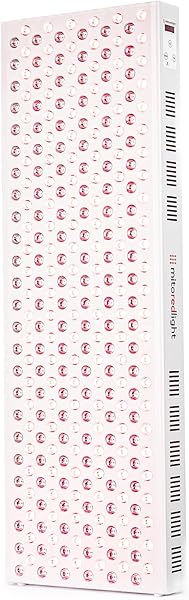
Red Light Therapy for Aging Skin and Joint Pain: My Honest MitoPRO 1500 Review
Red light therapy is one of those categories where the marketing runs well ahead of the science, and I want to start there instead of burying it. If you have seen claims that a panel like this will erase wrinkles, cure arthritis, or reverse aging, be skeptical. What the research actually supports is narrower and still genuinely useful: several small clinical studies suggest red and near-infrared light can support collagen production, ease some types of joint discomfort, and modestly improve skin texture over consistent use. That is a real, worthwhile benefit. It is not a miracle, and I would not recommend the MitoRED MitoPRO 1500, or any panel, to anyone expecting one.
I specify wellness spaces for a living, and I have watched clients spend serious money chasing dramatic before-and-afters that a light panel was never going to deliver. So here is my honest case for this specific product: it is a well-built, well-priced way to add a genuinely evidence-adjacent tool to a home wellness routine, for realistic reasons, at a realistic price.
What Red Light Therapy Can and Cannot Do
Red and near-infrared light in roughly the 630 to 850 nanometer range has been studied for effects on cellular energy production, circulation, and inflammation. The FDA has cleared some red light devices for specific, narrow uses, including temporary relief of minor muscle and joint pain and improvement in the appearance of fine lines. That clearance is real, and it is also limited. It does not extend to claims about disease treatment, and results in the research vary widely by dose, wavelength, consistency of use, and the individual.
If you are on any photosensitizing medication, have a history of skin cancer, or are pregnant, talk to your physician before starting any light therapy device, and follow the manufacturer’s guidance on session length and distance. This is a wellness tool, not a medical treatment, and I would not frame it as a substitute for care from a dermatologist or physician for any diagnosed condition.
Why the MitoPRO 1500
Once I decided a panel was worth adding to a wellness space, I compared the MitoRED MitoPRO 1500 against the market leader, Joovv, and a handful of other full-body panels. A few specifics stood out enough to make it my pick.
Wavelength coverage
The MitoPRO 1500 outputs four bioactive wavelengths: 630nm and 660nm in the red spectrum, and 830nm and 850nm in the near-infrared range. That combination targets both the more surface-level skin benefits associated with red light and the deeper tissue penetration associated with near-infrared, rather than offering just one or the other.
Irradiance
At a measured 115 to 170 mW/cm² depending on distance, the output is strong enough to reach clinically studied dose ranges within a reasonable session length, without requiring you to stand a few inches from the panel for forty-five minutes.
Price and warranty
At $1,169, the MitoPRO 1500 is meaningfully less expensive than comparably sized Joovv panels, and it carries a 3-year warranty, which is longer than what several competitors offer at this size. For a full-body panel, that combination of coverage, output, and price is genuinely hard to beat.
Designing It Into a Space
This is where my actual expertise comes in, separate from the therapy claims. A red light panel is a large, somewhat clinical-looking piece of equipment, and where you put it matters as much as whether you use it.
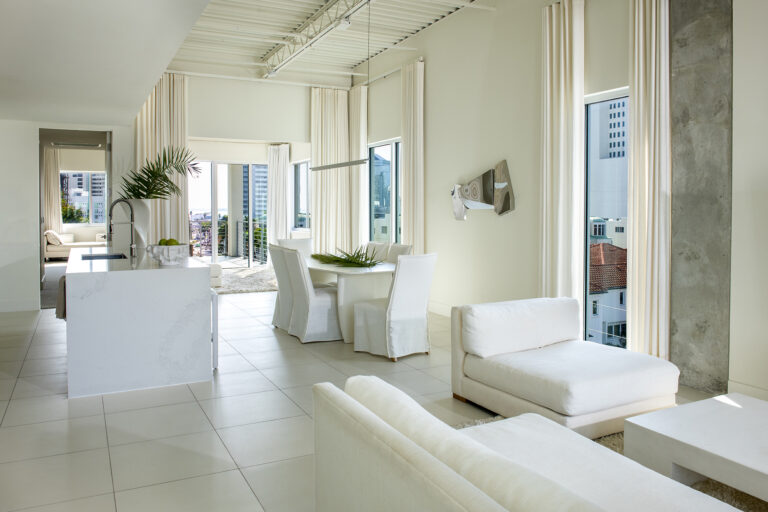
I recommend building it into a dedicated wellness corner, a primary closet with room to stand, or a bathroom with enough clearance, rather than leaning it against a bedroom wall where it becomes visual clutter. A simple wall mount keeps it out of the walking path and signals that this is an intentional, permanent part of the room rather than gym equipment that wandered in from a garage. If you are incorporating it into a shower or steam space, confirm the specific model’s moisture rating before installing it there; not all panels, including this one, are built for direct wet-room exposure, so check the manufacturer’s guidance first.
Who This Is Actually Right For
I would recommend the MitoPRO 1500 for an older adult managing everyday joint stiffness who wants a low-effort, low-risk addition to a morning or evening routine, alongside their existing care, not instead of it. It also suits anyone who has already discussed light therapy with their physician and wants a well-engineered, fairly priced full-body option rather than a smaller handheld unit.
I would not recommend it as a first step for anyone with a new or undiagnosed pain complaint, that deserves a medical evaluation first, and I would not recommend it to anyone expecting visible results within days. The realistic timeline in the research is weeks of consistent use, not one session.
What I’d Tell You Before You Buy
Measure your space before ordering; a full-body panel needs more clearance than it looks like in product photos. Read the manufacturer’s session-length and distance guidance rather than guessing. And hold your expectations to what the evidence actually supports: modest, gradual support for skin and joint comfort as one part of a broader wellness routine, not a replacement for medical care or a guarantee of dramatic change.
How It Compares to Joovv
Joovv is the name most people recognize in this category, and for good reason. Their panels are well made, and the brand has done more than most to popularize red light therapy as a legitimate home wellness category. A comparably sized Joovv full-body panel, though, typically runs several hundred dollars more than the MitoPRO 1500 for a similar wavelength range and coverage area, and Joovv’s standard warranty is shorter. If brand recognition and an established community matter to you, Joovv is a reasonable choice. If you are optimizing for wavelength coverage, irradiance, warranty length, and price, the MitoPRO 1500 is the stronger spec sheet, which is why I chose it.
I also looked at smaller, handheld red light devices before deciding on a full-body panel. They are less expensive and require less space, but they treat one area of the body at a time, which means longer total session time to cover the same ground a panel handles at once. For anyone managing joint stiffness in more than one area, a panel is the more practical choice, even though the upfront cost is higher.
A Few Practical Questions Worth Asking First
How long is a typical session? Most published research on red and near-infrared light uses session lengths in the ten-to-twenty-minute range, a few times a week, sustained over several weeks. Longer is not automatically better; more is not the same as more effective, and overuse guidance in the manufacturer’s manual is there for a reason.
Does it replace a dermatologist or physical therapist? No. I think of it as one supportive layer in a broader routine, the same way I would think about a good mattress or an ergonomic chair: helpful, not a substitute for actual medical care when a real condition is involved.
Is it safe to use daily? For most healthy adults, yes, within the manufacturer’s recommended session length and distance. If you take medication that increases photosensitivity, or have a personal or family history of skin cancer, get your physician’s input before adding it to your routine, and mention it at your next dermatology visit regardless.
None of this is meant to talk anyone out of trying it. It is meant to set the expectation honestly, so that if you do bring one into your home, you are doing it for the right reasons and with a realistic sense of what it will and will not do.