The Best Stove Safety Devices for Seniors (2026): A Designer’s Guide
The Best Stove Safety Devices for Seniors
Every year, cooking fires send more than 170,000 Americans to emergency rooms. The stove is the single highest-risk appliance in any home — and the solutions have quietly become beautiful.
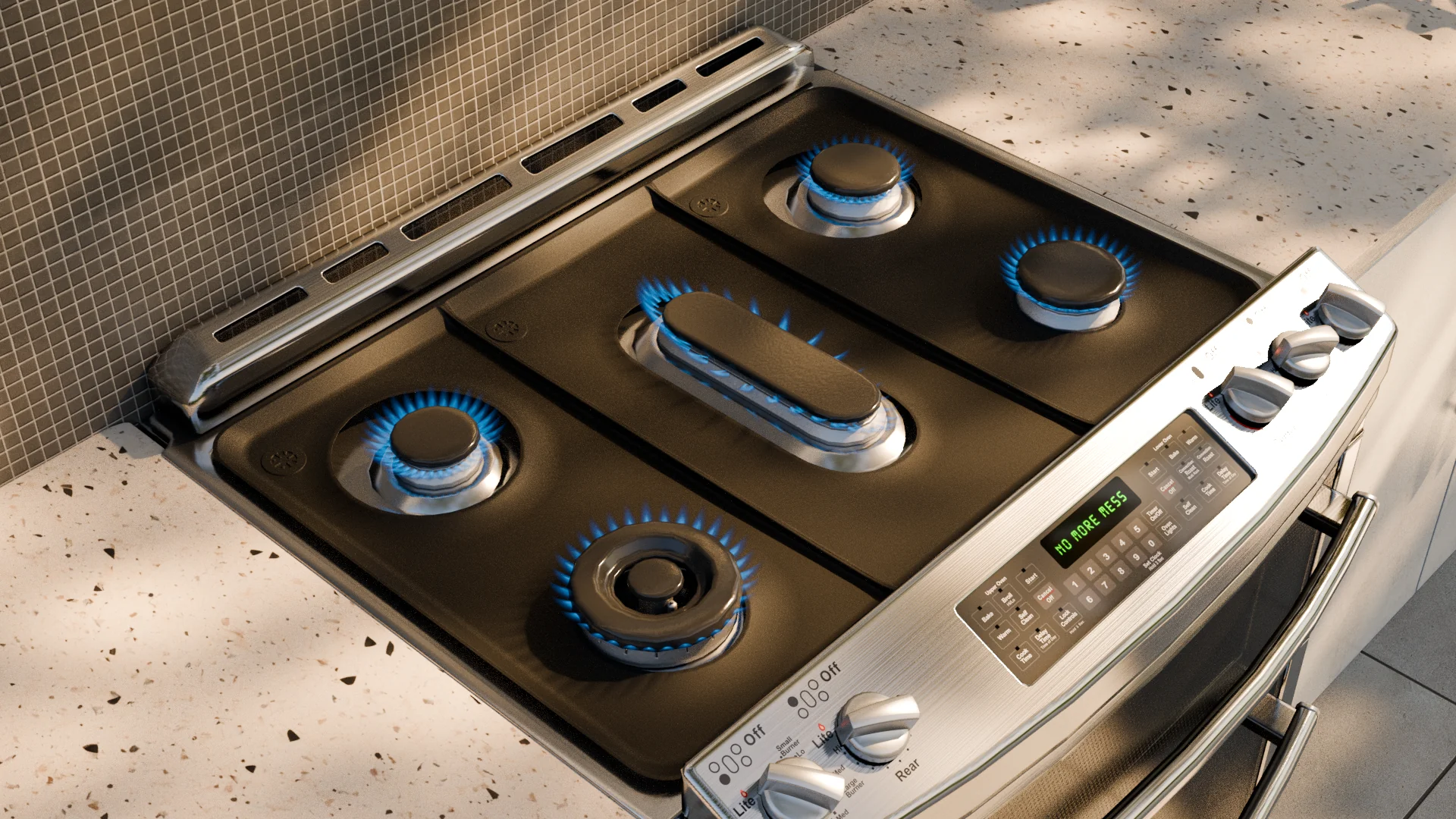
When a family calls me about aging-in-place design, kitchen safety almost never comes up in the first conversation. Everyone wants to talk about grab bars. Nobody wants to talk about the stove.
That’s a problem, because cooking fires are the leading cause of home fires in the United States — and the risk increases significantly with age. Forgetting a pot on the stove happens to everyone. It happens more frequently as cognitive load increases, as fatigue sets in, or as focus simply drifts. The difference between a forgotten pot and a house fire is often just a few minutes of unattended heat.
The good news: the interventions are inexpensive, invisible, and don’t require anyone to admit they need help. The best stove safety devices work quietly in the background — exactly the kind of design I believe in.
Why Stove Safety Matters More Than You Think
Most aging-in-place conversations focus on bathroom falls — and they should. But there’s a reason fire departments track kitchen incidents separately: they cause disproportionate injury, property damage, and displacement.
For adults over 65, the pattern is almost always the same: something goes on the stove, attention shifts (a phone call, the front door, a television program), and the kitchen is forgotten. A pot boils dry. Grease overheats. A towel near the burner catches. In a matter of minutes, a small problem becomes a catastrophic one.
The mechanical and electronic interventions below address this pattern directly — and none of them look like they belong in an institutional setting.
The Two-Layer Specification
I specify stove safety in two layers: a passive mechanical barrier that requires nothing from the user, and an active smart shutoff that monitors kitchen activity and cuts power automatically. Both work independently; together, they cover every scenario.
Layer 2 — Smart Auto-Shutoff
iGuardStove
From $399 · Electric and gas versions available
“The iGuardStove is the kitchen safety product I specify when a family tells me they’re worried about a loved one leaving the stove on. It uses radar to detect when no one is in the kitchen and cuts power or gas to the stove after 5 minutes of inactivity — automatically, without requiring the user to remember anything. Caregiver alerts go to the family’s phones. The 2026 CES Innovation recognition reflects what anyone working in elder care already knows: this is the product that prevents the fires that send people to hospitals. At $399, it’s the best investment-per-risk-prevented I know of.”
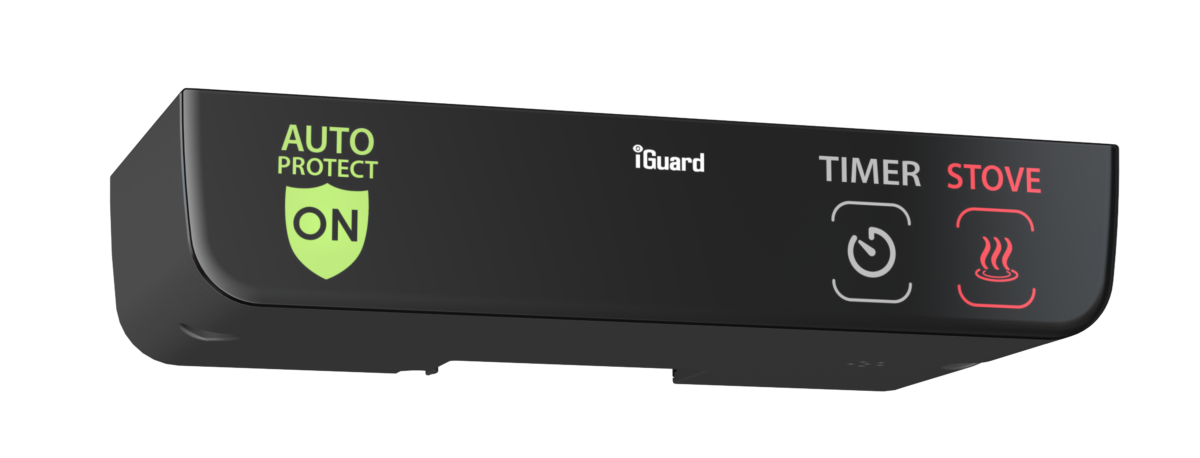
Electric stove version (plug-in, no plumber): installs in minutes, uses standard outlet, works with any electric range. Gas stove version: requires a licensed plumber for gas line integration — worth it for the automatic shutoff capability on gas ranges, where fire risk is higher.
The radar detection is the key differentiator from older timer-based solutions: it doesn’t require the user to remember to set a timer, and it won’t trigger a false alarm when someone is actively cooking in the kitchen.
Stove Guard
From $99 · Universal fit
“Stove Guard installs in minutes behind the burners and physically blocks a pot from tipping off the back of the range. It’s mechanical — no power, no sensors, no maintenance. It prevents the most common kitchen burn: a pot or pan being knocked off the stove by a reaching arm. For anyone with balance issues, limited coordination, or caregivers who want a first layer of passive protection, this is the $99 installation I specify before anything else.”
The Stove Guard works on virtually any gas or electric range, installs without tools, and is completely invisible from the front of the stove. It won’t interfere with normal cooking — it simply ensures that a knocked pot goes backward into the guard rather than forward off the range.
Comparison at a Glance
| Product | Type | Installation | Price | Best For |
|---|---|---|---|---|
| iGuardStove (Electric) | Smart auto-shutoff | Plug-in, 5 minutes | $399 | Primary stove safety layer |
| iGuardStove (Gas) | Smart auto-shutoff | Plumber required | $399+ | Gas range households |
| Stove Guard | Passive mechanical | Tool-free, 5 minutes | ~$99 | Passive backup + first layer |
What to Buy First
If budget allows, specify both: Stove Guard for passive mechanical protection and iGuardStove for active smart shutoff. Together, they cover every failure mode.
If choosing one: start with iGuardStove. The automatic shutoff addresses the highest-risk scenario — extended unattended cooking — which is also the scenario most likely to cause serious injury or structural damage.
Neither device requires the person living in the home to change their behavior. That’s the design principle I apply to every aging-in-place specification: the best safety systems work quietly, without asking for effort or acknowledgment. The stove still works exactly the same way it always has. The only difference is that it now has two silent guardians watching over it.
“Beautiful homes quietly support the people we love — starting in the kitchen.”
Free Resource
12 Changes That Make a Home Safer
Without Looking Clinical
Designer-approved upgrades, lighting strategies, and subtle shifts that improve safety while preserving the warmth and beauty of your home.