Designing a Home That Supports You—Without Looking Clinical
This post contains affiliate links. If you buy through them I may earn a small commission at no extra cost to you. How that works.
Disclosure: Well Aging Home participates in affiliate programs. If you buy through our links, we may earn a small commission at no extra cost to you.
The goal of aging-in-place design is a home that functions beautifully for the full arc of life — not a home that looks like it’s been retrofitted for safety. These two things are not in opposition. In fact, the design choices that support independence and safety are frequently the same choices that make a home more beautiful, more comfortable, and more pleasant to live in. The challenge is understanding the difference between modifications that look clinical and modifications that simply look well-designed.
The Grab Bar Problem — and Solution
No product is more closely associated with the clinical aging-in-place aesthetic than the grab bar. White plastic tubes bolted to tile walls. The image is specific and almost universally unappealing. But the grab bar’s visual impact is entirely a function of how it’s specified. A 36-inch bar in matte black, satin brass, or brushed nickel — the same finishes used in all high-end bathroom hardware — is a design element, not a medical device. It reads as intentional. It matches the rest of the hardware. Guests don’t comment on it as a safety accommodation. It’s just part of a well-designed bathroom.
Curbless Showers Are Simply Better
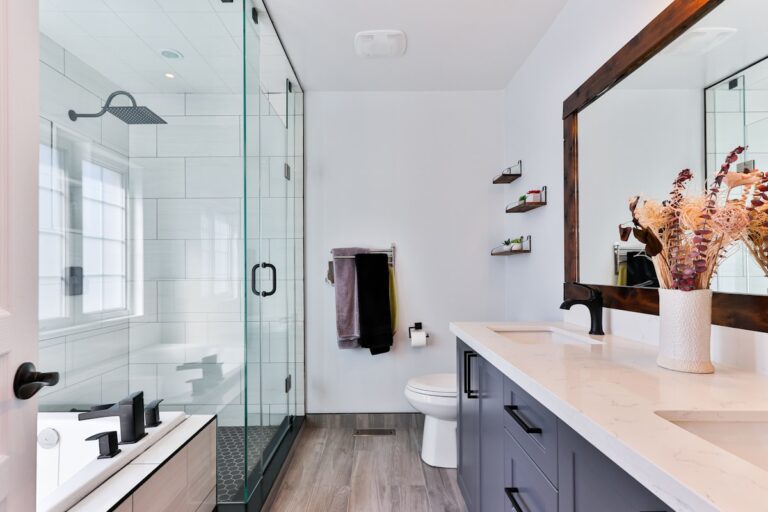
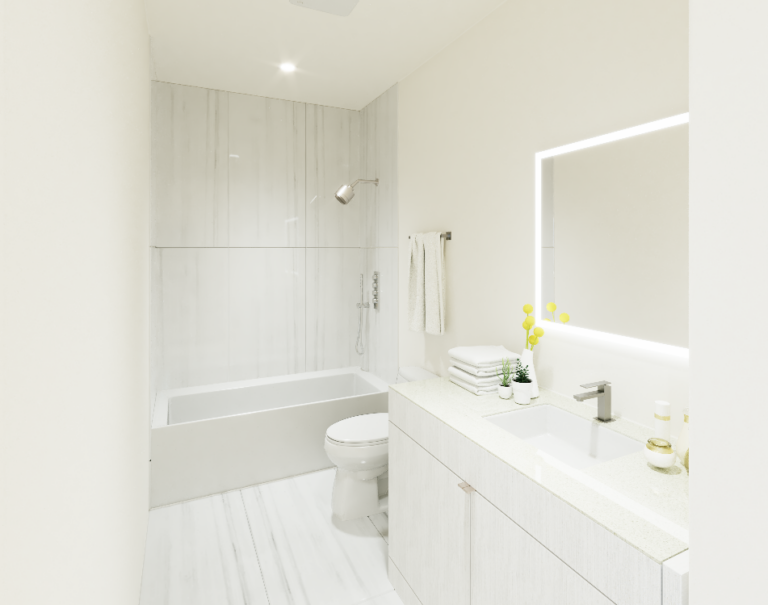
The most effective aging-in-place shower modification — zero-threshold entry — happens to be the design choice that high-end bathroom designers default to for purely aesthetic reasons. A curbless walk-in shower with a linear drain is architecturally cleaner, visually more spacious, and easier to keep clean than a shower with a curbed threshold. It also eliminates the step that causes disproportionate bathroom falls. This is not a compromise. It’s an upgrade that serves both design and function simultaneously.
Lever Hardware Throughout
Lever door handles are the standard specification in high-end residential design. They also happen to be dramatically more accessible than round knobs for anyone with reduced grip strength or dexterity. The best lever handles are indistinguishable from standard luxury hardware. They simply don’t require grip rotation to operate — a design feature, not an accommodation.
Flooring That Happens to Be Safe
Large-format matte porcelain tile is both the specification choice of professional designers for bathrooms and kitchens, and one of the highest slip-resistance flooring options available. Luxury vinyl plank in a matte, embossed finish is both the most practical residential flooring choice for water resistance and durability, and one of the safest flooring options for aging in place. The aesthetic choice and the safety choice are the same choice.
The Design Standard to Aim For
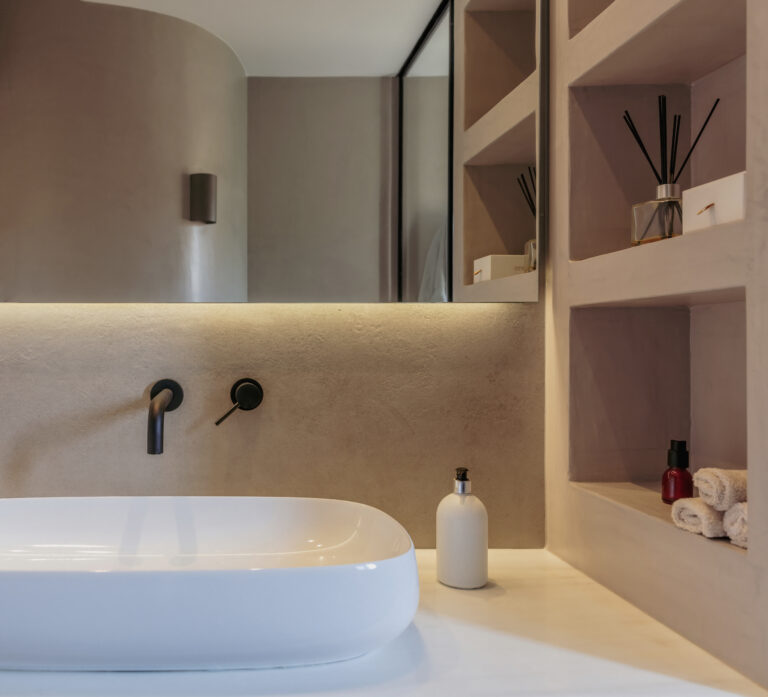
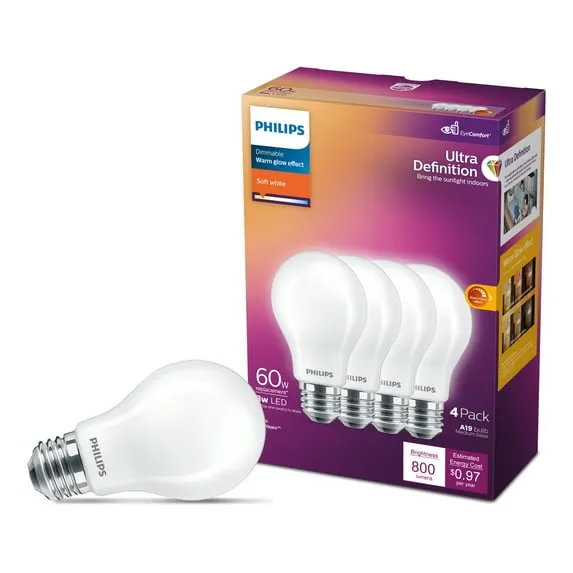
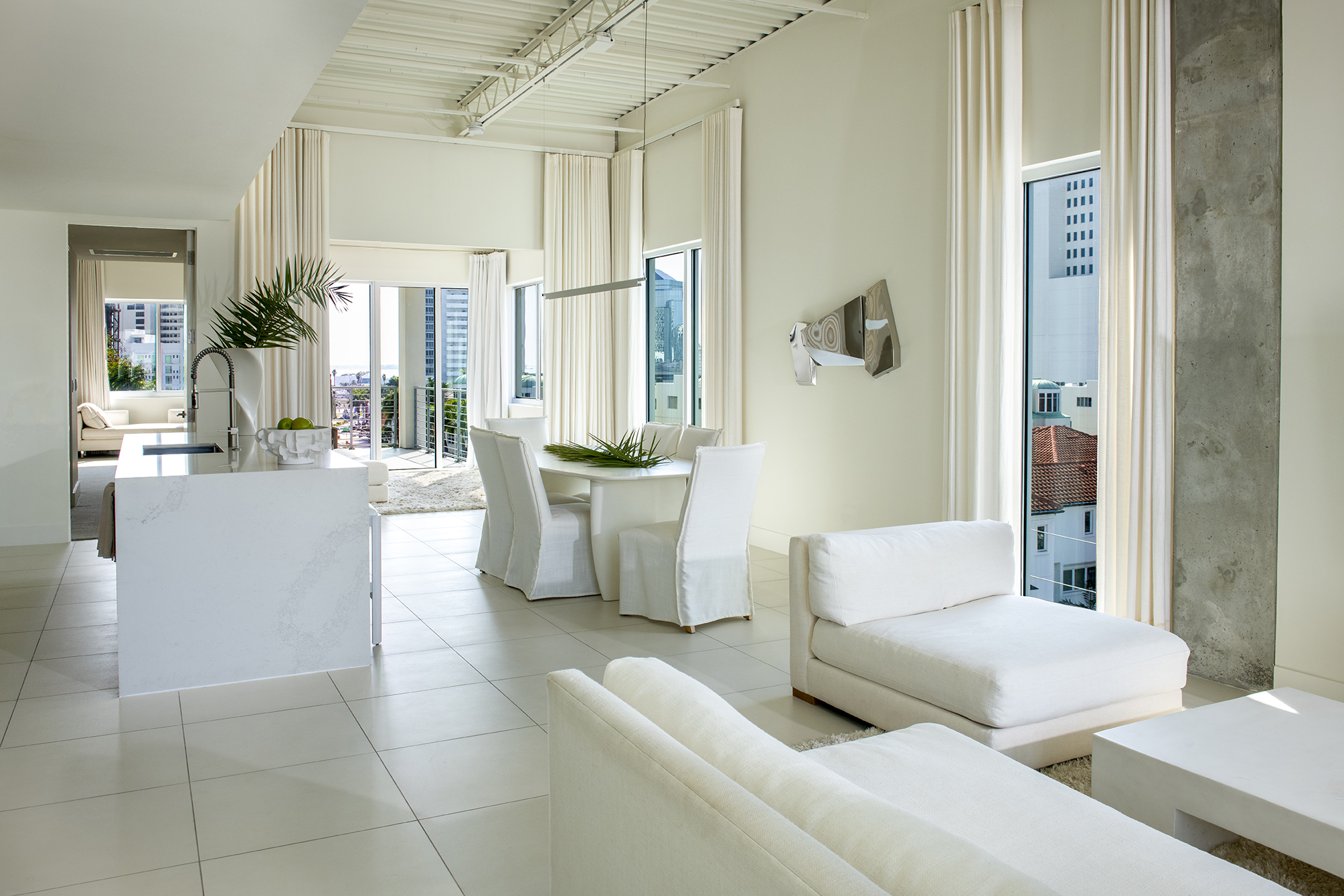
A home designed for aging in place without looking clinical meets this test: a visitor who doesn’t know the design intent would simply think the home is beautifully designed. The grab bars look like hardware. The walk-in shower looks spa-like. The lever handles look intentional. The wide hallways feel generous. The excellent lighting feels warm and designed. Nothing announces accommodation. Everything supports independence. That standard is achievable — and it’s worth aiming for.