The Psychology of Feeling Safe in Your Own Space
Safety and comfort are usually discussed as practical matters — grab bars, non-slip floors, adequate lighting. But there’s a psychological dimension to feeling safe in your own home that rarely gets addressed in the home design conversation. How a space feels affects how well it functions. And for older adults navigating changing mobility and independence, that distinction matters more than most of us realize.
Familiarity Is a Form of Safety
One of the most disorienting aspects of moving — whether to assisted living, a family member’s home, or even a renovated version of one’s own space — is the loss of spatial familiarity. We navigate our homes largely by habit and muscle memory. We know without thinking how many steps to the bathroom, where the light switches are, where to put a hand out for balance. When the environment changes significantly, that navigational certainty disappears.
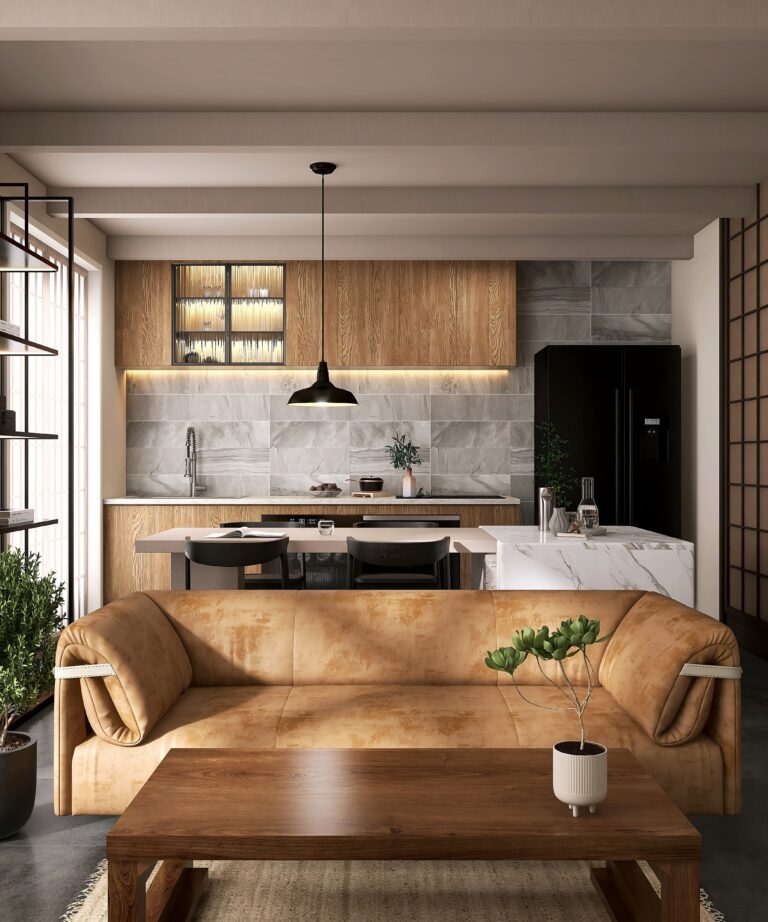
This is one of the strongest arguments for aging-in-place modifications that preserve the character of the existing home. Keep the furniture in familiar positions when possible. Make safety changes that blend into the existing aesthetic rather than announcing themselves. The goal is a home that feels like itself — just better.
Clutter Creates Anxiety
A home full of visual complexity — stacks of papers, crowded surfaces, cluttered pathways — creates a low-grade anxiety that affects wellbeing in measurable ways. For someone managing cognitive changes, this effect is amplified. Clear, calm spaces with organized storage reduce cognitive load and create the psychological experience of being in control of the environment.
This isn’t about minimalism for its own sake. It’s about ensuring that the home supports a sense of clarity and order — that the space works for you rather than requiring constant management.
Autonomy Is Foundational
The psychological impact of being unable to do something independently — make a cup of tea, go to the bathroom without assistance, open the front door — is profound. Small losses of autonomy compound. Every modification that restores or preserves independence — a grab bar that allows unaided showering, a kitchen reorganization that makes meals self-sufficient — is a psychological intervention as much as a physical one.
When framing home modifications for aging parents or yourself, the question to ask isn’t “is this safer?” but “does this allow me to do this on my own?” Safety is the mechanism. Autonomy is the point.
Light as Mood and Signal
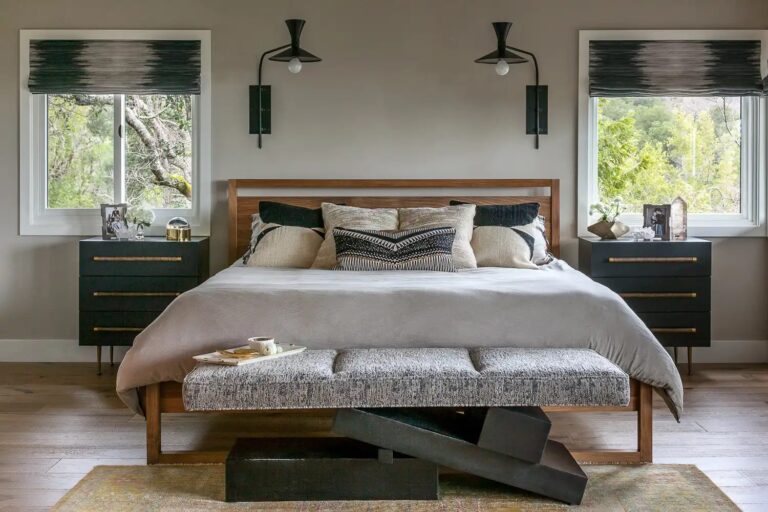
Lighting affects mood, alertness, and the perception of space in ways that go well beyond the practical need to see clearly. Warm, layered lighting — ambient overhead light, task lighting at work surfaces, soft accent lighting — creates a sense of warmth and habitation. Harsh overhead fluorescents, common in “institutional” applications, create exactly the psychological atmosphere that aging-in-place design is trying to avoid.
Good lighting in the home communicates: this space was designed for someone who matters. That message has a real psychological effect on the people who live in it.
Beauty Is Not Optional
The design industry has long treated safety modifications as compromises — things to accept at the expense of aesthetics. But a grab bar that looks institutional rather than intentional communicates something to the person who uses it every day. A bathroom that feels clinical rather than beautiful affects how its inhabitant feels about themselves.
Beautiful, well-designed aging-in-place spaces are not a luxury — they’re a functional requirement. How we feel in our homes shapes how we feel about ourselves. That relationship is worth designing for.