Designer Bathrooms That Are Also Safe
The features that prevent falls are usually the same ones that define high-end design. How to build a bathroom that is thoroughly safe and never reads as accessible.
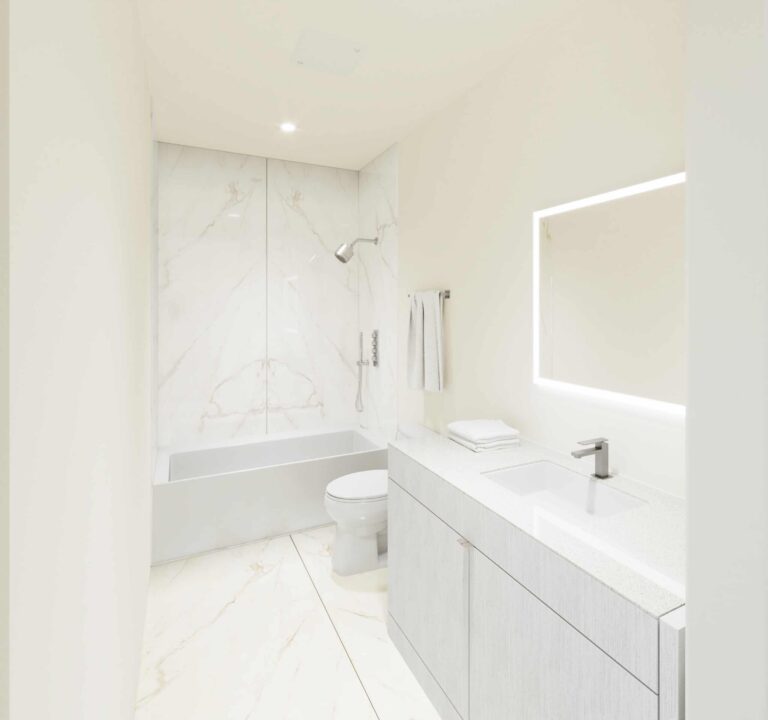
The features that prevent falls are usually the same ones that define high-end design. How to build a bathroom that is thoroughly safe and never reads as accessible.
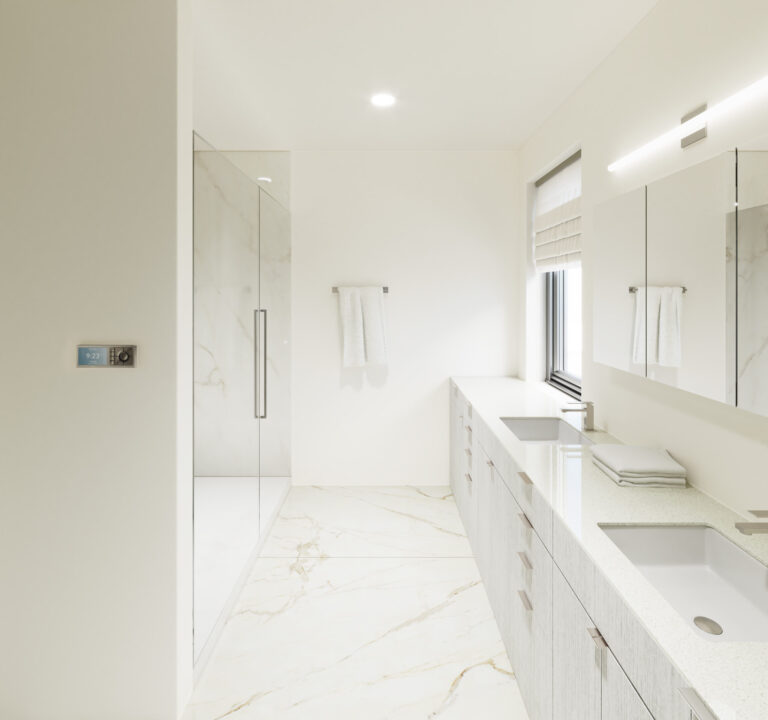
What separates a good walk-in shower from an exceptional one starts at the floor: a true zero threshold, proper waterproofing, and a drain placed to actually move water away.
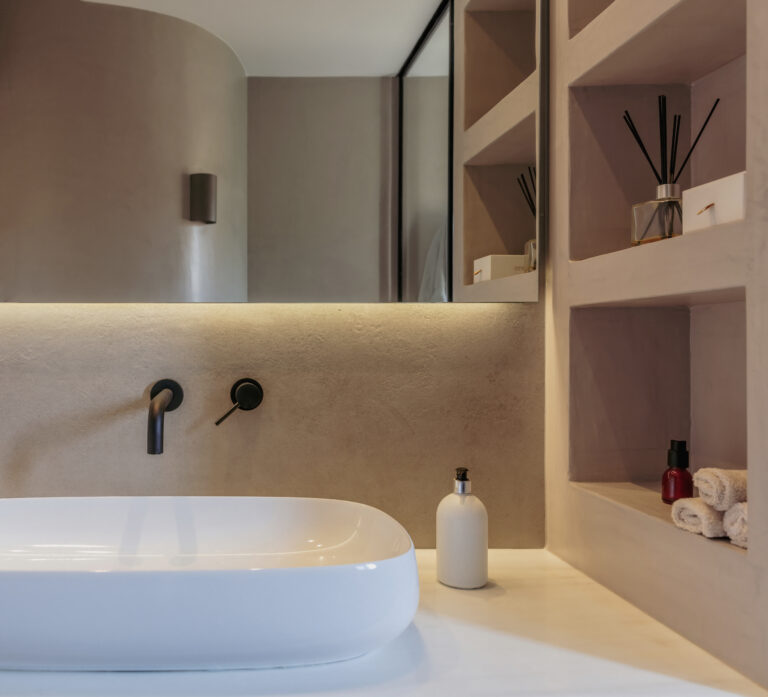
No renovation required. The bathroom changes with the biggest safety return take a few hours and cost well under $500, starting with properly anchored grab bars.
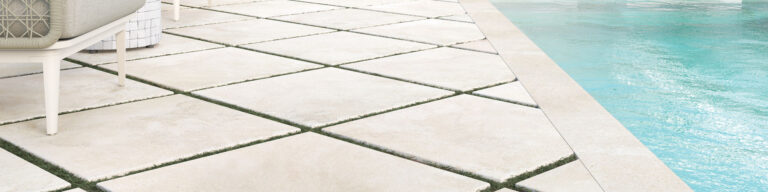
Slip resistance is a number: aim for a DCOF of 0.60 or higher. The matte, large-format porcelain that hits it is the same tile luxury hospitality has been specifying for years.
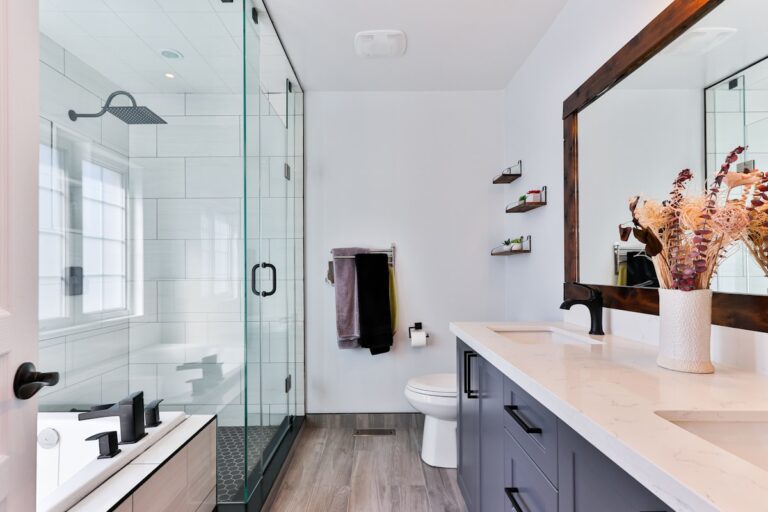
A fixed shower head makes you move around a wet surface to rinse. That’s the entire argument for a handheld — plus what to look for in hose length, weight, and controls.
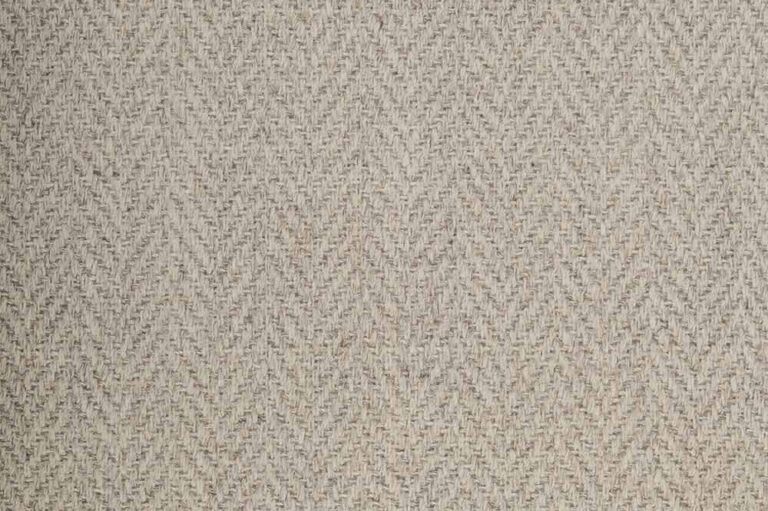
A rug that slides or catches a toe isn’t a design element, it’s a hazard. The answer isn’t fewer rugs — it’s the right pad, cut to size, and a few rules about what to specify.
Worn-out soles and loose heels are one of the most underestimated fall risks in the house. Slippers with real traction on hardwood and tile — that still look like slippers, not safety equipment.
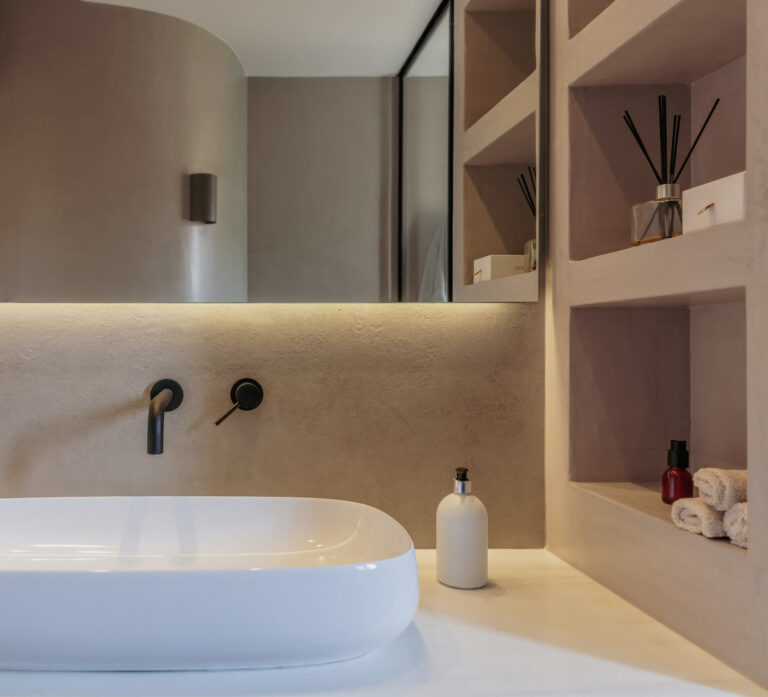
Most home falls happen in the bathroom, and most are preventable without a renovation. Seven upgrades ordered by impact, starting with a bar mounted at 33 to 36 inches.
12 beautiful safety changes for aging parents.
Get the Free Guide →No spam. Unsubscribe anytime.